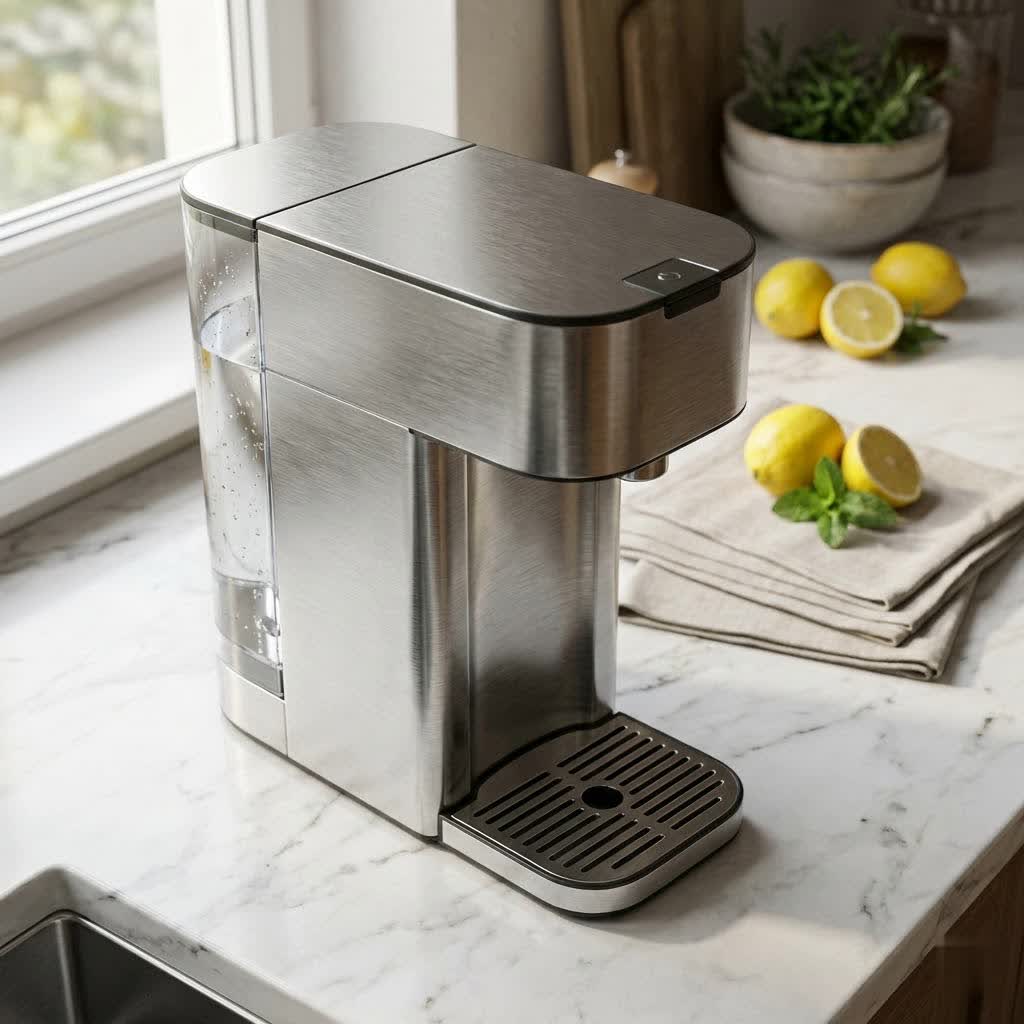
Ever noticed stubborn soap scum, cloudy dishes, or dry, itchy skin despite using premium products? You’re likely experiencing the widespread problem of hard water, a silent nuisance impacting countless homes. This mineral-rich water not only leaves unsightly residue but can also silently damage your appliances, increase energy bills, and affect your overall well-being. Fortunately, specialized hard water purifiers and treatment systems offer a comprehensive solution, transforming your home’s water quality.
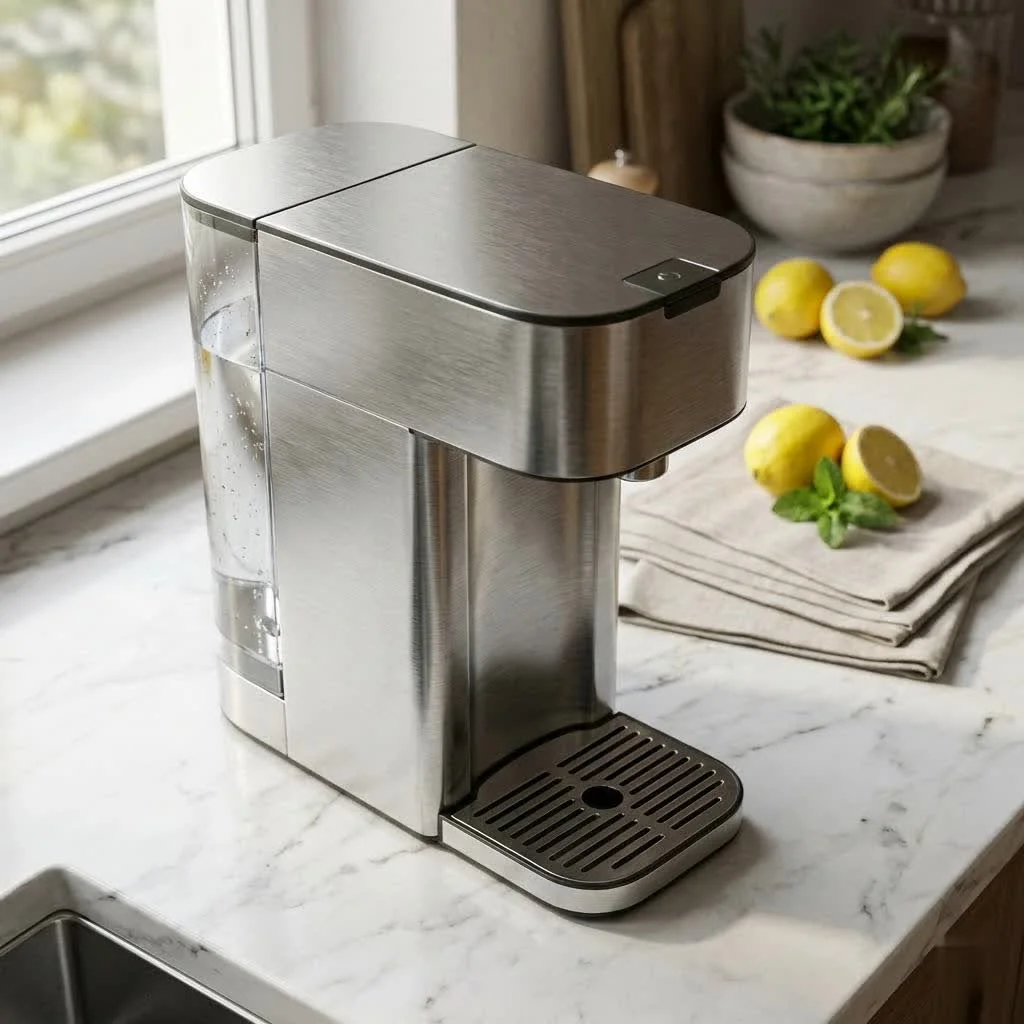
This guide will demystify hard water, differentiate between various treatment technologies, and provide practical criteria for selecting the ideal system for your household. By the end, you’ll be equipped to make an informed decision, ensuring a consistent supply of pure, soft water throughout your home. For shop curated home on this site.
Understanding Hard Water: More Than Just a Nuisance
Hard water contains elevated levels of dissolved minerals, primarily calcium and magnesium. As water flows through soil and rock, it picks up these minerals before reaching your home’s plumbing. The U.S. Geological Survey highlights that water hardness varies significantly by region, with some areas experiencing much harder water than others due to natural geological conditions.
Signs You Have Hard Water
While the effects might appear subtle at first, they become more pronounced over time. Common indicators include:
- White or chalky deposits on faucets, showerheads, and fixtures.
- Cloudy dishes or glassware after washing, even after drying.
- Reduced soap lather when showering or washing hands, requiring more product.
- Stiff or scratchy laundry, and faded colors over time.
- Dry, itchy skin or scalp and dull, lifeless hair.
- Scale buildup inside kettles, coffee makers, and water heaters.
Impact on Your Home and Health
The consequences of hard water extend beyond mere aesthetics, affecting both your living environment and personal comfort.
- Plumbing and Appliances: Limescale buildup, caused by hard water minerals, can restrict water flow in pipes, leading to reduced water pressure and potentially costly clogs. It significantly reduces the lifespan of water-using appliances such as water heaters, dishwashers, and washing machines. For example, sediment buildup in a water heater can increase energy consumption by 29%, accelerating wear and raising utility bills.
- Personal Care: The excess minerals in hard water make it difficult for soaps and shampoos to lather effectively, leaving a film on your skin and hair. This residue can lead to dryness, irritation, and a dull appearance for both skin and hair.
- Cleaning: Hard water makes cleaning more laborious, necessitating frequent scrubbing to remove streaks and spots from surfaces, glassware, and fixtures.
- Taste and Smell: Many homeowners report an unpleasant metallic or mineral-like taste, or even an odd smell, especially when heating hard water for cooking or beverages.
Water Softeners vs. Water Purifiers: A Clear Distinction
When addressing hard water, it’s crucial to understand the distinct roles of water softeners and water purifiers. While both aim to improve water quality, they tackle different issues with different mechanisms.
What is a Water Softener?
|
Our Picks for the Best Water Purifier in 2026
As an Amazon Associate I earn from qualifying purchases.
|
||
| Num | Product | Action |
|---|---|---|
| 1 | ZeroWater 52-Cup Ready-Read 5-Stage Water Filter Pitcher Dispenser with 5-Stage 0 TDS Zero Water Filter – IAPMO Certified to Reduce Metals, Chlorine, Lead, Chromium, and Forever Chemicals PFOA/PFOS |

|
| 2 | Brita UltraMax Large Water Dispenser with 1 BritaPlus Filter, 27 Cup Capacity, Black (Package May Vary) |
|
| 3 | ZeroWater 32-Cup 5-Stage Water Filter Dispenser with Instant Read Out - 0 TDS for Improved Tap Water Taste - IAPMO Certified to Reduce Lead, Chromium, and PFOA/PFOS |
|
| 4 | Brita UltraMax Large Water Dispenser With Standard Filter, BPA-Free, Reduces Copper, Cadmium and Mercury Impurities, Lasts 2 Months or 40 Gallons, Includes 1 Filter, Kitchen Accessories, Large 27-Cup |
|
| 5 | Vortopt Carbon Block Water Filter for Sink Faucet,NSF/ANSI 42 Certified Faucet Water Filter,with Display & 400 Gallon Capacity. |
|
| 6 | Brita Hub Compact Instant Powerful Countertop Water Filter System, Reduces 70+ Contaminants, 9 Cup Water Reservoir, Includes 6 Month Carbon Block Filter, White, 87344 |
|
| 7 | AquaTru Carafe Countertop Water Purifier - Compact 4-Stage Reverse Osmosis System with Glass Carafe Removes 84 Contaminants Including Forever Chemicals, Lead & Fluoride - No Plumbing |
|
| 8 | Waken Electric C11S Reverse Osmosis Water Filtration System Countertop 180oz Water Tank 4:1 Pure to Drain 8 Stage RO Filter No Installation for Home Apartment Condo RV |
|
| 9 | Mate 3 Countertop Reverse Osmosis Water Filter System, 8 Stage Purification, 3:1 Pure to Drain, No Installation Required, Smart Sensor Water Dispensing, Reduce TDS, RO Water Purifier |
|
| 10 | 3 Stage RV Water Filter System, 0.2 Micron Taste Pure Water Filter with Compact 5 Inch for RV, 3-Stage High Flow Water Filter for RVs, Boats and Campers |
|
A water softener is a specialized water treatment system designed primarily to reduce water hardness by removing calcium and magnesium minerals.
- Purpose: The main goal of a water softener is to prevent limescale buildup, protect household appliances, and improve the efficiency of soaps and detergents.
- How it Works: Most traditional water softeners operate through an ion exchange process. Inside the softener tank, resin beads are charged with sodium ions (or sometimes potassium ions). As hard water flows through, the positively charged calcium and magnesium ions are attracted to the resin beads and “swapped out” for the sodium ions, resulting in softened water. These systems require periodic “regeneration” using a brine solution to flush out the collected hardness minerals and recharge the resin.
- Primary Benefit: Effectively eliminates the minerals responsible for scale, improving appliance longevity, cleaning efficacy, and the feel of your skin and hair.
- What it DOES NOT remove: It is important to note that traditional water softeners do not remove harmful contaminants such as bacteria, viruses, chlorine, or heavy metals that might be present in your water supply.
What is a Water Purifier?
A water purifier is designed to remove a wide range of harmful substances and impurities from water, making it safe and palatable for consumption.
- Purpose: The core function of a water purifier is to provide clean, healthy drinking and cooking water by eliminating contaminants that pose health risks.
- How it Works: Purifiers employ various technologies, including Reverse Osmosis (RO) membranes, Activated Carbon filters, UV sterilization, and Ultrafiltration (UF), often in multi-stage systems. These technologies target specific impurities from chemicals and sediment to pathogens.
- Primary Benefit: Ensures water is free from dangerous pollutants, improving taste, odor, and overall safety for drinking and cooking.
- Can it help with hardness? While some purifiers, particularly Reverse Osmosis (RO) systems, are highly effective at reducing Total Dissolved Solids (TDS), including hardness minerals, their primary role is broad contaminant removal. They can certainly mitigate hard water effects, but a dedicated water softener is typically more efficient if hardness is the sole or primary concern for your entire home.
The Hybrid Approach: When You Need Both
For comprehensive water treatment, many households benefit from a hybrid system that combines both softening and purification technologies. This approach addresses both the aesthetic and functional problems of hard water while also ensuring the removal of hazardous contaminants. For example, a whole-house water softener can protect your plumbing and appliances from scale, while an under-sink Reverse Osmosis system can provide exceptionally pure drinking water in your kitchen.
Popular Water Purification Technologies for Hard Water
Understanding the different filtration and softening technologies available is crucial for selecting a system that addresses your specific hard water challenges.
Reverse Osmosis (RO)
Reverse Osmosis is a highly effective purification method that works well in conjunction with hard water.
- Mechanism: RO systems use a semi-permeable membrane with incredibly tiny pores to remove a broad spectrum of impurities. Water is forced through this membrane, which filters out up to 99% of dissolved solids, including hardness minerals (calcium, magnesium), heavy metals (like lead and arsenic), chlorine, fluoride, pesticides, and many other contaminants.
- Pros: Exceptional purification capability, significantly improves taste and odor, effectively reduces hardness. Often includes pre-filters (sediment, carbon) and post-filters for comprehensive treatment.
- Cons: Can remove beneficial minerals along with harmful ones (some systems include a remineralization stage), generates some wastewater during the purification process, and typically has a slower flow rate, making it suitable mainly for point-of-use (drinking/cooking) rather than whole-house applications.
- Best for: Households seeking the highest quality drinking and cooking water, especially in areas with very hard water or significant contaminant concerns.
Ion Exchange (Salt-Based Water Softeners)
This is the traditional and most effective method specifically for removing water hardness.
- Mechanism: Resin beads inside the softener tank actively exchange hardness-causing ions (calcium and magnesium) for sodium or potassium ions. When the resin becomes saturated with hardness minerals, the system goes through a regeneration cycle, flushing the minerals down a drain using a brine solution.
- Pros: Unparalleled effectiveness in removing hardness minerals, preventing scale buildup, extending appliance lifespan, and improving soap efficiency throughout the entire home.
- Cons: Requires regular replenishment of salt (or potassium chloride), adds a small amount of sodium to the softened water, and the brine discharge can be an environmental concern in some regions.
- Best for: Homes with severe hard water conditions (typically above 10 grains per gallon, or GPG) where whole-house scale prevention is the primary objective.
Salt-Free Water Conditioners
An alternative to traditional softeners, these systems condition water rather than truly softening it.
- Mechanism: Instead of removing hardness minerals, salt-free conditioners utilize various technologies (e.g., Template Assisted Crystallization, TAC) to transform the mineral ions. This process prevents them from adhering to surfaces and forming hard scale, essentially “conditioning” them. The minerals remain in the water but are rendered harmless.
- Pros: Low maintenance (no salt to add), environmentally friendly (no salt discharge or wastewater), retains beneficial minerals in the water, and often easier to install.
- Cons: Less effective than salt-based softeners for extremely high hardness levels, and the water doesn’t have the “slippery” feel associated with truly soft water. It conditions against scale but doesn’t technically remove the hardness.
- Best for: Homes with moderate hard water seeking an eco-friendly, low-maintenance solution primarily to prevent scale buildup without adding sodium.
Activated Carbon Filters
A fundamental component in many water purification systems, activated carbon excels at improving water aesthetics.
- Mechanism: Activated carbon is porous and has a large surface area, allowing it to adsorb contaminants as water passes through. It’s particularly effective at removing chlorine, chloramines, volatile organic compounds (VOCs), pesticides, herbicides, and improving taste and odor.
- Pros: Highly effective for chemical removal and enhancing water’s taste and smell. Often used as a pre-filter in multi-stage systems to protect other media.
- Cons: Does not remove hardness minerals, heavy metals (unless specifically designed and labeled for them), or microbiological contaminants like bacteria and viruses.
- Best for: Improving taste and odor, removing chlorine/chloramines, and as a component in comprehensive multi-stage filtration for both hard and soft water.
UV Sterilization
Ultraviolet (UV) light is a chemical-free method for pathogen removal.
- Mechanism: A UV lamp emits germicidal ultraviolet light that disrupts the DNA of bacteria, viruses, and other microorganisms, rendering them unable to reproduce and cause illness.
- Pros: Chemical-free, highly effective against a wide range of pathogens.
- Cons: Does not remove particulates, chemicals, heavy metals, or hardness minerals. Water must be clear for UV light to be effective, so it’s typically used after sediment and carbon filtration.
- Best for: Well water or any water source where microbial contamination is a concern, usually as part of a multi-stage system.
Ultrafiltration (UF)
Ultrafiltration is a membrane-based technology that falls between microfiltration and nanofiltration/RO in pore size.
- Mechanism: UF membranes have pores ranging from 0.01 to 0.1 microns, which effectively filter out suspended solids, colloids, bacteria, viruses, and larger organic molecules.
- Pros: No wastewater generation, retains beneficial minerals, effective for larger pathogens, and operates at lower pressure than RO.
- Cons: Less effective for dissolved solids or very small chemical contaminants compared to RO, and does not remove hardness minerals.
- Best for: Water with concerns about microbial contamination and suspended solids, but where a full RO system might be overkill or undesired due to mineral removal.
How to Choose the Best Hard Water Purifier for Your Home
Selecting the right hard water purifier requires a thoughtful approach, as the “best” system depends entirely on your unique circumstances. Here are the key criteria to guide your decision:
1. Test Your Water
This is the most crucial first step. Without knowing what’s in your water, you can’t choose the right solution.
- What to Test For: Look beyond just hardness (measured in grains per gallon, or GPG). Test for Total Dissolved Solids (TDS), pH, iron, manganese, chlorine, chloramines, heavy metals (e.g., lead), and potential microbial contaminants (especially for well water).
- How to Test: You can use DIY home testing kits for a quick overview or opt for professional lab testing for precise, comprehensive results. Professional tests provide a detailed breakdown, guiding you toward targeted solutions.
2. Assess Your Household Needs & Usage
Your lifestyle and home characteristics play a significant role in system selection.
- Water Source:
- City/Municipal Water: Often contains chlorine or chloramines for disinfection. Hardness levels can vary greatly.
- Well Water: May have higher levels of iron, manganese, sulfur odors, sediment, and potential bacterial contamination, requiring more robust and diverse filtration.
- Usage: Do you need purified water for drinking and cooking only (point-of-use), or soft water for bathing, laundry, and appliance protection throughout your entire home (whole-house)? Many homeowners opt for a combination.
- Household Size: A larger household with multiple bathrooms and high daily water consumption will require a system with a higher flow rate (measured in Gallons Per Minute, GPM) and greater capacity to avoid pressure drops and ensure consistent supply.
3. Understand Your Priorities
Clarify your main objectives for water treatment. Is your primary concern:
- Scale prevention and appliance protection?
- Removal of harmful contaminants for health?
- Improving taste and odor?
- All of the above?
Your priorities will dictate whether a water softener, a water purifier, or a hybrid system is most appropriate.
4. Consider Maintenance & Operating Costs
Beyond the initial purchase and installation, consider the long-term expenses.
- Filter Replacement: Different filters (sediment, carbon, RO membranes, UV bulbs) have varying lifespans and replacement costs. Factor these into your annual budget.
- Salt Replenishment: For salt-based softeners, you’ll need to regularly purchase and add salt to the brine tank.
- Regeneration Waste: Salt-based softeners use water during their regeneration cycle, which contributes to water usage. High-efficiency models are designed to minimize this.
5. Look for Certifications & Brand Reputation
To ensure a product performs as advertised, always check for independent certifications.
- NSF/ANSI Standards: Look for certifications like NSF/ANSI Standard 42 (aesthetic contaminants like chlorine), 53 (health-related contaminants like lead), 58 (Reverse Osmosis systems), and 401 (emerging contaminants like pharmaceuticals).
- WQA Gold Seal: The Water Quality Association’s Gold Seal is another trusted mark of product performance and integrity.
- Reputable Brands: Established brands typically offer clearer installation guides, superior customer support, and robust long-term warranties, providing greater peace of mind.
6. Installation Complexity
Consider whether you’re comfortable with a DIY installation or if professional plumbing services are needed. Whole-house systems often require modifications to your main water line, which is best handled by a qualified plumber.
Top Hard Water Purifier Solutions (General Categories)
While specific product recommendations can vary with evolving technology and regional water conditions, understanding broad categories of solutions helps in making a suitable choice.
Whole-House Hard Water Filtration & Softening Systems
These are comprehensive, integrated units installed at the main water line where water enters your home. They treat all water used for bathing, laundry, and cleaning, and often include a purification stage for drinking water. Many combine multi-stage filtration (sediment, carbon) with either a salt-based softener or a salt-free conditioner. They offer unparalleled protection against both hardness issues and a wide range of contaminants, making them ideal for complete home water treatment.
Under-Sink Reverse Osmosis Systems
For those prioritizing purified drinking and cooking water, an under-sink RO system is an excellent choice. These compact units typically fit neatly under your kitchen sink and deliver highly purified water through a dedicated faucet. While they excel at removing virtually all dissolved solids, including most hardness minerals and a vast array of contaminants, they are usually paired with a whole-house pre-filter or conditioner if comprehensive hard water treatment for the entire home is desired.
Advanced Water Pitcher Filters
Convenient and portable, pitcher filters offer a basic solution for improving the taste and reducing some hardness in small volumes of water. They are typically gravity-fed and use activated carbon and ion-exchange resin. While they can improve water aesthetics for drinking, they are not designed to tackle severe hard water problems or comprehensively purify water for whole-house needs. Consider them a supplementary solution for quick, filtered drinking water, not a primary hard water purifier for an entire home.
Installation, Usage, and Maintenance for Longevity
To ensure your hard water purifier operates effectively and provides years of reliable service, proper installation, usage, and consistent maintenance are essential.
Installation
- Professional Expertise: For whole-house systems, professional installation is often recommended to ensure correct plumbing connections, optimal system placement, and adherence to local codes. A skilled plumber can ensure the system is properly sized for your home’s water pressure and usage.
- DIY Considerations: Smaller point-of-use systems, like under-sink filters or pitcher filters, are generally suitable for DIY installation by following manufacturer instructions carefully.
Regular Usage Guidelines
- Follow Manufacturer’s Instructions: Always adhere to the specific guidelines provided by the manufacturer for your system’s operation, flow rates, and temperature limits.
- Bypass Valve: Most whole-house systems include a bypass valve, which can be useful if the system requires maintenance or if you need to supply unfiltered water temporarily (e.g., for outdoor irrigation).
Maintenance Tips
Consistent maintenance is key to prolonging your system’s life and ensuring peak performance.
- Regular Filter Replacements: Each filter cartridge (sediment, carbon block, RO membrane, UV bulb) has a rated service life. Mark installation dates and follow manufacturer schedules strictly to prevent clogging and maintain filtration efficacy. Neglecting replacements can lead to decreased water quality and damage to the system.
- Salt Management (for Salt-Based Softeners): Routinely check the salt level in your brine tank. Ensure it remains above the water line, and use high-quality softener salt. Periodically clean the brine tank to prevent salt bridges or mushing, which can impede regeneration.
- System Sanitization: For well water systems or in humid environments, periodic sanitization (using a diluted bleach solution or other approved sanitizers) can prevent microbial growth within the tanks and media, ensuring safe operation.
- Monitor Water Pressure: A noticeable drop in water pressure can indicate a clogged filter cartridge or fouled media within your system. Address this promptly to prevent further issues.
- Professional Inspections: An annual or biannual check-up by a qualified plumber or water treatment specialist can identify potential problems early, ensure all components are functioning optimally, and provide expert advice on optimizing your system.
“Many homeowners overlook regular maintenance, but consistent filter changes and system checks are the lifeline of your water purifier, ensuring it delivers the clean, soft water you invested in.” – John Smith, Certified Water Treatment Specialist
Conclusion
Hard water can be a pervasive and costly problem, impacting everything from your plumbing and appliances to your skin and the taste of your drinking water. Investing in the right hard water purifier or a combination system is a proactive step toward a healthier, more efficient home. By understanding the distinction between softeners and purifiers, exploring various technologies, and carefully considering your household’s unique needs and water test results, you can make an informed decision. Prioritizing regular maintenance will ensure your system continues to deliver pure, soft water for years to come, offering significant savings and improved quality of life.
Are you ready to say goodbye to limescale and hello to truly clean water?
Pet products vetted on real animals
Practical specs, not advice. Unsubscribe anytime.
