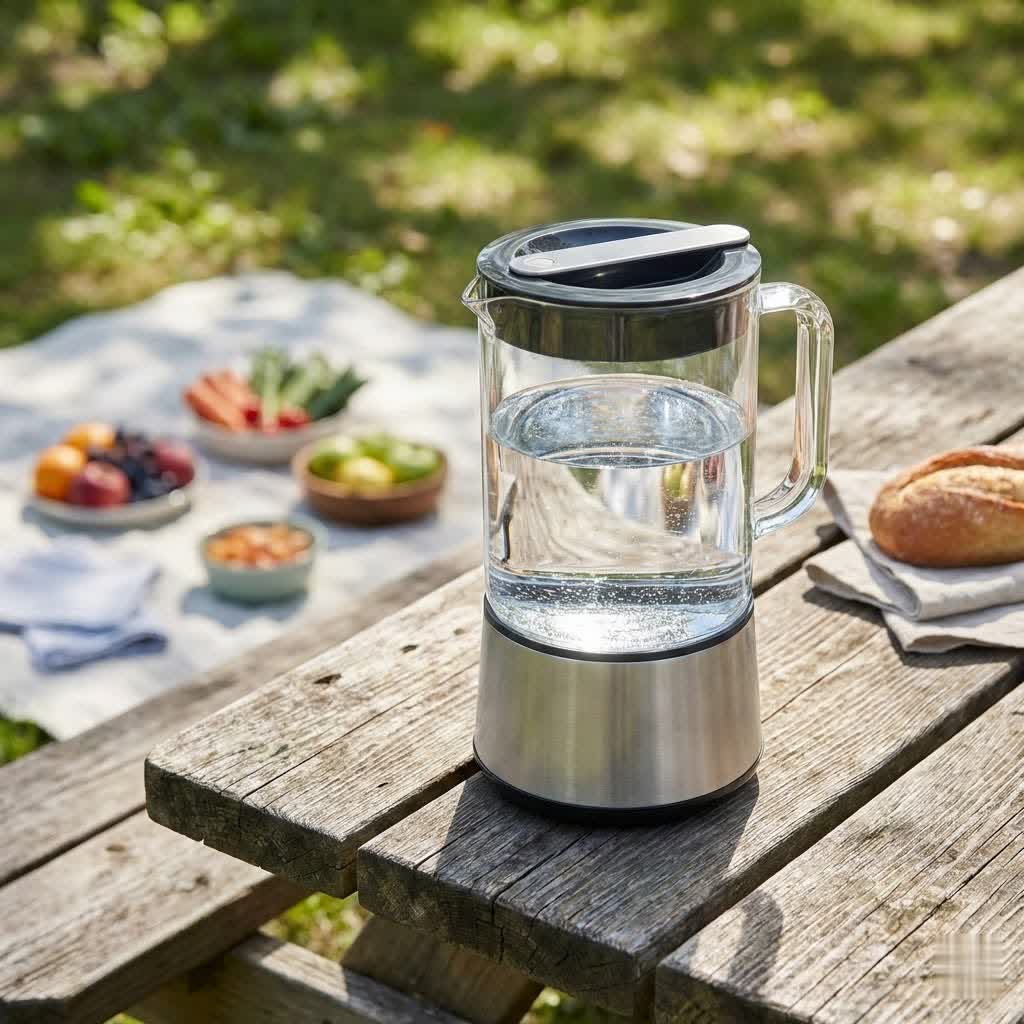
A countertop water purifier provides clean, safe drinking water by removing contaminants like chlorine, heavy metals, chemicals, and microplastics from tap water. These systems utilize various filtration technologies, including Reverse Osmosis (RO), activated carbon, and ultrafiltration, to improve both the safety and taste of water directly from your kitchen. The ideal purifier depends on your specific water quality concerns, household needs, and budget, with options ranging from simple faucet attachments to comprehensive multi-stage units.
Popular Types of Countertop Water Purifiers
Countertop water purifiers employ different technologies to cleanse your water, each with distinct advantages and suited for varying water quality concerns. Understanding these types is the first step in choosing the right system. For best home roundups on this site.
Reverse Osmosis (RO)
Reverse Osmosis systems are considered one of the most thorough filtration methods. They force water through a semi-permeable membrane, effectively removing a vast array of contaminants, including dissolved solids, heavy metals like lead and arsenic, fluoride, chlorine, pesticides, herbicides, and even bacteria and viruses. RO systems often feature multiple filtration stages, typically including sediment and carbon pre-filters to protect the delicate RO membrane.
Pros:
- Superior contaminant removal, providing nearly pure water.
- Removes a wide range of dissolved solids.
Cons:
- Can be slower in water production.
- Typically produces some wastewater.
- May remove beneficial minerals, sometimes requiring a remineralization stage.
Activated Carbon Filters
Activated carbon filters work by adsorption, where contaminants stick to the surface of the carbon material. These filters are highly effective at removing chlorine, bad tastes and odors, volatile organic compounds (VOCs), and some larger sediment particles. They significantly improve the aesthetic qualities of water, making it more palatable.
Pros:
- Excellent for improving taste and odor.
- Removes chlorine and many organic chemicals.
- Generally more affordable and easier to maintain than RO systems.
Cons:
- Does not remove dissolved solids, fluoride, or many heavy metals.
- Less effective against bacteria and viruses.
Ultrafiltration (UF) and Gravity-Fed Systems
Ultrafiltration systems use a membrane with a pore size smaller than RO, typically removing suspended solids, bacteria, viruses, and large organic molecules, while allowing beneficial minerals to pass through. Gravity-fed systems, often using ceramic and/or carbon filters, are popular for their simplicity and ability to operate without electricity or plumbing, making them ideal for emergencies or off-grid living. They primarily target sediment, bacteria, and chlorine.
Pros:
- Removes bacteria, viruses, and microplastics (UF).
- Gravity systems require no electricity or plumbing, offering portability.
- Retains beneficial minerals in the water.
Cons:
- Less effective at removing dissolved solids, heavy metals, and fluoride compared to RO.
- Gravity filters can have slower flow rates and require manual refilling.
Comparison Table: Countertop Water Purifier Technologies
| Filtration Technology | Key Contaminants Removed | Removes TDS | Retains Minerals | Speed/Flow Rate | Installation | Maintenance Frequency |
|---|---|---|---|---|---|---|
| Reverse Osmosis | Heavy metals, fluoride, chlorine, VOCs, bacteria, viruses, dissolved solids | Yes | No (usually) | Moderate to Slow | Simple to Moderate | Moderate |
| Activated Carbon | Chlorine, taste, odor, VOCs, some lead | No | Yes | Fast | Simple | Low |
| Ultrafiltration | Bacteria, viruses, microplastics, sediment | No | Yes | Moderate to Fast | Simple | Low |
| Gravity-Fed | Sediment, bacteria, chlorine, taste, odor | No | Yes | Slow (manual refill) | Very Simple | Moderate |
Key Criteria for Choosing a Countertop Water Purifier
Selecting the best countertop water purifier for your home involves more than just picking a popular model. Consider these crucial factors to make an informed decision that aligns with your specific needs.
Understanding Your Water Source and Contaminants
|
Our Picks for the Best Water Purifier in 2026
As an Amazon Associate I earn from qualifying purchases.
|
||
| Num | Product | Action |
|---|---|---|
| 1 | Mate 3 Countertop Reverse Osmosis Water Filter System, 8 Stage Purification, 3:1 Pure to Drain, No Installation Required, Smart Sensor Water Dispensing, Reduce TDS, RO Water Purifier |

|
| 2 | Brita UltraMax Large Water Dispenser With Standard Filter, BPA-Free, Reduces Copper, Cadmium and Mercury Impurities, Lasts 2 Months or 40 Gallons, Includes 1 Filter, Kitchen Accessories, Large 27-Cup |
|
| 3 | Brita UltraMax Large Water Dispenser with 1 BritaPlus Filter, 27 Cup Capacity, Black (Package May Vary) |
|
| 4 | ZeroWater 52-Cup Ready-Read 5-Stage Water Filter Pitcher Dispenser with 5-Stage 0 TDS Zero Water Filter – IAPMO Certified to Reduce Metals, Chlorine, Lead, Chromium, and Forever Chemicals PFOA/PFOS |
|
| 5 | ZeroWater 32-Cup 5-Stage Water Filter Dispenser with Instant Read Out - 0 TDS for Improved Tap Water Taste - IAPMO Certified to Reduce Lead, Chromium, and PFOA/PFOS |
|
| 6 | 3 Stage RV Water Filter System, 0.2 Micron Taste Pure Water Filter with Compact 5 Inch for RV, 3-Stage High Flow Water Filter for RVs, Boats and Campers |
|
| 7 | Brita Hub Compact Instant Powerful Countertop Water Filter System, Reduces 70+ Contaminants, 9 Cup Water Reservoir, Includes 6 Month Carbon Block Filter, White, 87344 |
|
| 8 | Vortopt Carbon Block Water Filter for Sink Faucet,NSF/ANSI 42 Certified Faucet Water Filter,with Display & 400 Gallon Capacity. |
|
| 9 | Waken Electric C11S Reverse Osmosis Water Filtration System Countertop 180oz Water Tank 4:1 Pure to Drain 8 Stage RO Filter No Installation for Home Apartment Condo RV |
|
| 10 | AquaTru Carafe Countertop Water Purifier - Compact 4-Stage Reverse Osmosis System with Glass Carafe Removes 84 Contaminants Including Forever Chemicals, Lead & Fluoride - No Plumbing |
|
Before investing in any purification system, it’s vital to know what’s actually in your tap water. You can often obtain an annual water quality report from your municipal water provider. For well water or more detailed analysis, consider purchasing a home water test kit or sending a sample to a state-certified lab. Identifying specific contaminants like lead, fluoride, nitrates, chlorine, or hard water minerals will directly guide your choice of filtration technology.
Filtration Technology: Matching Your Needs
Once you understand your water quality, you can match it with the appropriate filtration technology. If your primary concern is improving taste and odor, an activated carbon filter might suffice. However, for serious contaminants like lead, arsenic, or high fluoride levels, a reverse osmosis system is generally recommended. For bacterial concerns, UF or multi-stage systems with microbial removal capabilities are essential.
Capacity and Flow Rate
Consider your household’s daily water consumption. A larger family or frequent use for cooking will require a system with higher capacity or a faster flow rate to avoid constant refilling or waiting. Countertop models vary from compact pitchers to larger freestanding units or those that connect directly to your faucet for on-demand purified water.
Third-Party Certifications and Standards
One of the most reliable indicators of a water purifier’s performance is third-party certification. Look for seals from organizations like NSF International, ANSI (American National Standards Institute), or the Water Quality Association (WQA). These certifications confirm that the filter has been independently tested and meets rigorous safety and performance standards for contaminant reduction claims. Be wary of vague claims like “tested to” or “meets” standards without an official seal.
Ease of Installation and Use
Countertop water purifiers generally come in two styles: faucet diverters and freestanding units. Faucet diverters attach directly to your kitchen faucet, allowing you to switch between filtered and unfiltered water easily, usually with a simple, tool-free setup. Freestanding filters are manually filled and don’t require plumbing, offering greater flexibility and portability, ideal for renters. Evaluate how easily the unit integrates into your kitchen and how convenient it is for daily use, including features like digital indicators for filter changes.
Cost: Initial Investment vs. Long-Term Maintenance
The overall cost includes the initial purchase price and ongoing expenses like filter replacements. While some systems may have a lower upfront cost, their filters might need more frequent or expensive replacement. Always consider the filter lifespan (typically measured in gallons or months) and the cost of replacement cartridges over a year to calculate the true long-term investment.
Design and Kitchen Footprint
Countertop space is valuable. Consider the dimensions and design of the purifier to ensure it fits comfortably in your kitchen without obstructing other appliances or workflow. Modern purifiers come in various aesthetics, from sleek, compact designs to more robust, traditional units.
Top Countertop Water Purifiers: A Comparative Overview
While specific model recommendations often change, understanding the general performance of types of purifiers helps in choosing. Reverse osmosis (RO) countertop purifiers, such as certain AquaTru and Bluevua models, consistently rank high for their comprehensive contaminant reduction, often eliminating nearly 100% of detected health-related impurities. These systems are typically certified by organizations like NSF for a wide range of contaminants, including fluoride, lead, and various chemicals. However, they may involve slower filtration times and produce some wastewater.
For those seeking a balance of effectiveness and affordability, advanced carbon-based systems from brands like Aquasana or Brondell offer strong performance against chlorine, taste, odor, and some heavy metals, often with faster flow rates and simpler installation. Gravity-fed systems, like the Big Berkey, are prized for their off-grid capabilities and robust removal of bacteria and cysts, though they require manual refilling and have slower purification.
The “best” depends on your water analysis, budget, and desired level of purification. Many leading options integrate smart features like digital displays for filter life and easy-to-replace cartridges, enhancing user experience.
Comprehensive Buying Guide for Your Countertop Purifier
Navigating the market for a countertop water purifier can be daunting. Follow these steps to ensure you make an informed purchase that brings clean, safe water to your home.
Step 1: Assess Your Specific Water Needs
Begin by truly understanding your water. Get a copy of your local municipal water quality report, or if you use well water, perform a comprehensive test. This will reveal the specific contaminants you need to address, such as chlorine, sediment, heavy metals (lead, copper), fluoride, or microbial issues. Your filtration needs are unique, and this initial assessment is paramount.
Step 2: Research Filtration Technologies
Based on your water analysis, delve deeper into the types of filtration technologies available.
- For broad contaminant removal, including dissolved solids and fluoride: Look into Reverse Osmosis (RO) systems.
- For improving taste, odor, and reducing chlorine/VOCs: Activated carbon filters are an excellent choice.
- For addressing bacteria and viruses without extensive plumbing: Consider Ultrafiltration (UF) or advanced gravity-fed systems. Many modern purifiers combine multiple technologies for a more comprehensive approach.
Step 3: Compare Models and Features
Once you’ve narrowed down the technology, compare specific models based on:
- Certifications: Always prioritize systems with NSF, ANSI, or WQA certifications for verified performance.
- Capacity & Flow Rate: Choose a size and speed that matches your household’s demands.
- Filter Lifespan & Replacement Cost: Calculate the long-term cost of filter replacements.
- Ease of Use: Consider installation type (faucet diverter vs. freestanding), maintenance requirements, and user-friendly features like filter change indicators.
- Design & Footprint: Ensure the unit fits your kitchen aesthetic and available counter space. Read user reviews for real-world insights into performance and durability.
Step 4: Purchase from Reputable Sources
Buy your countertop water purifier from authorized dealers, established online retailers, or physical stores with good customer service. This ensures you receive a genuine product, valid warranty, and access to customer support for any questions or issues.
Step 5: Proper Installation and Initial Setup
Carefully read the manufacturer’s instructions for installation. While many countertop purifiers are designed for easy setup, proper installation is crucial for optimal performance and to prevent leaks. For faucet-connected models, ensure secure attachment to your sink. For freestanding units, proper priming of filters (running water through them before first use) is often required to flush out any manufacturing residue and activate the filtration media.
Essential Usage and Maintenance for Your Countertop Water Purifier
To ensure your countertop water purifier continues to deliver clean, great-tasting water and functions efficiently for years, consistent usage and maintenance are key.
Daily Usage Best Practices
- Follow capacity guidelines: Avoid overfilling freestanding units to prevent spills and ensure proper filtration.
- Use for intended purposes: While great for drinking and cooking, most countertop filters aren’t designed to filter water for entire household uses like bathing or dishwashing.
- Protect from extreme temperatures: Keep your purifier away from direct sunlight or heat sources, which can affect filter integrity and water quality.
Regular Filter Replacement Schedule
Filters are the heart of your purifier, and their effectiveness diminishes over time as they collect contaminants.
- Monitor indicators: Many modern units have electronic indicators or light prompts that signal when filters need changing.
- Adhere to manufacturer’s recommendations: Filter lifespan varies significantly by model and water quality, but a general rule of thumb is every 3 to 12 months for most cartridges.
- Recognize warning signs: A noticeable drop in water flow, a return of unpleasant tastes or odors, or visible sediment can all indicate it’s time for a filter change, even if the recommended period hasn’t passed.
- Stock up: Having spare filters on hand ensures you can replace them promptly when needed.
Cleaning and Sanitization Routines
Regular cleaning prevents bacterial growth and mineral buildup, which can compromise performance and taste.
- Exterior: Wipe down the exterior surfaces daily or weekly with a soft, damp cloth to keep it clean.
- Drip tray: Empty and clean the drip tray frequently (daily if used often) to prevent mold and bacteria.
- Reservoir/Tank: For freestanding models, clean the water reservoir or tank monthly with a solution of white vinegar and water, or a manufacturer-approved sanitizing solution. Rinse thoroughly before refilling.
- Faucet connections/nozzles: Periodically clean the dispensing nozzle and faucet connections to remove any mineral deposits or buildup.
- Gravity filters: Some gravity-fed ceramic filters can be lightly scrubbed with a brush under running water to remove surface buildup and restore flow. Always follow specific product instructions.
Troubleshooting Common Issues
- Low Water Flow: Often indicates a clogged filter that needs replacement. Check for blockages in tubing or connections.
- Unusual Taste or Smell: Typically a sign that filters need to be changed or that the system requires sanitization to address bacterial growth.
- Leaks: Inspect all connections and O-rings. Tighten any loose fittings. If a part is damaged, it may need replacement.
- No Water Dispensing: Check power connections for electric models. Ensure the water tank is filled and properly seated.
Consistent maintenance ensures your countertop water purifier remains a reliable source of pure, refreshing water, safeguarding your family’s health and investment.
Conclusion
Choosing and maintaining the right countertop water purifier is a proactive step towards a healthier lifestyle, offering the convenience of pure water without the hassle of extensive plumbing. By understanding different filtration technologies, evaluating key selection criteria like water quality, certifications, and cost, and committing to a routine maintenance schedule, you empower yourself to make the best decision for your home. Investing in a quality countertop water purifier means investing in your well-being, providing peace of mind with every glass. What steps will you take today to ensure your family enjoys the cleanest, safest drinking water possible?
Frequently Asked Questions
Frequently Asked Questions
How often should I replace the filters in my countertop water purifier?
Filter replacement frequency varies by purifier model, filter type (e.g., carbon, RO membrane), and local water quality. Activated carbon filters typically need replacement every 3 to 6 months, while RO membranes can last 1-2 years. Always consult your product manual for precise recommendations.
Can a countertop water purifier remove all contaminants from tap water?
No water purification system can remove 100% of all contaminants, though many are highly effective. Reverse osmosis systems are among the most comprehensive, removing a vast array of impurities including heavy metals, fluoride, and microorganisms. It is crucial to select a system certified for the specific contaminants present in your water.
Are countertop water purifiers difficult to install in a kitchen?
Most countertop water purifiers are designed for easy, DIY installation. Faucet diverter models typically connect to your kitchen faucet without tools, while freestanding models simply require filling the reservoir. Always follow the manufacturer's instructions for a smooth and leak-free setup.
Do countertop water purifiers produce wastewater during filtration?
Some types of countertop purifiers, particularly reverse osmosis (RO) systems, produce a small amount of wastewater during the filtration process. This is a trade-off for their superior purification capabilities. Many modern RO systems are designed to be more efficient, and the wastewater can often be repurposed for non-drinking uses like watering plants.
What are the main types of countertop water purification technologies?
The main types of countertop water purification technologies include Reverse Osmosis (RO), Activated Carbon Filters, Ultrafiltration (UF), and Gravity-Fed Systems. Each technology targets different contaminants; for example, RO is effective against dissolved solids, while activated carbon improves taste and odor.
How to Choose a Countertop Water Purifier
Follow these steps to select the best countertop water purifier for your home, ensuring clean and safe drinking water tailored to your specific needs.
Obtain your municipal water quality report or perform a home water test to identify specific contaminants like chlorine, lead, or fluoride. This initial assessment is crucial for determining your filtration requirements.
Based on your water analysis, explore different filtration technologies. Consider Reverse Osmosis for broad contaminant removal, activated carbon for taste and odor, or Ultrafiltration for bacteria and viruses. Many purifiers combine multiple technologies for comprehensive treatment.
Evaluate specific models based on third-party certifications (NSF, ANSI, WQA), capacity, flow rate, and filter replacement costs. Also, consider ease of use, installation type (faucet diverter vs. freestanding), and the unit's design and footprint in your kitchen.
Buy your purifier from authorized dealers or established retailers to ensure a genuine product, valid warranty, and access to customer support. This helps prevent issues with product authenticity or after-sales service.
Carefully read and follow the manufacturer's instructions for installation. Proper setup is vital for optimal performance and to prevent leaks. For freestanding units, ensure filters are primed correctly before first use.
Pet products vetted on real animals
Practical specs, not advice. Unsubscribe anytime.

I finally pulled the trigger on a countertop RO system after years of buying bottled water, and I’m so glad I did. The taste difference is incredible, and I love knowing it’s removing heavy metals and microplastics. Installation was a breeze, and it fits perfectly under my cabinets without taking up too much counter space. Definitely worth the investment for peace of mind and better-tasting water.
I got a simple faucet attachment purifier to try out, and while it does improve the taste, I’m not sure it’s tackling all my water quality concerns. I live in an older building, and I’m worried about chemicals beyond just chlorine. It’s a good entry-level option, but I might need to upgrade to a multi-stage unit soon for more comprehensive filtration.
We went with an activated carbon filter system because our main concern was chlorine taste and odor. It’s made a huge difference in our coffee and tea. My only minor complaint is that the filter replacement can be a little fiddly, but it’s not a deal-breaker. For the price point, it’s a solid choice for improving everyday tap water.
This ultrafiltration system has been a game-changer for my family. We travel a lot, and having clean, safe drinking water at home without the hassle of pitchers or bulky under-sink units is amazing. It’s super efficient and doesn’t waste water like some other systems. Plus, it was really easy to set up right out of the box.