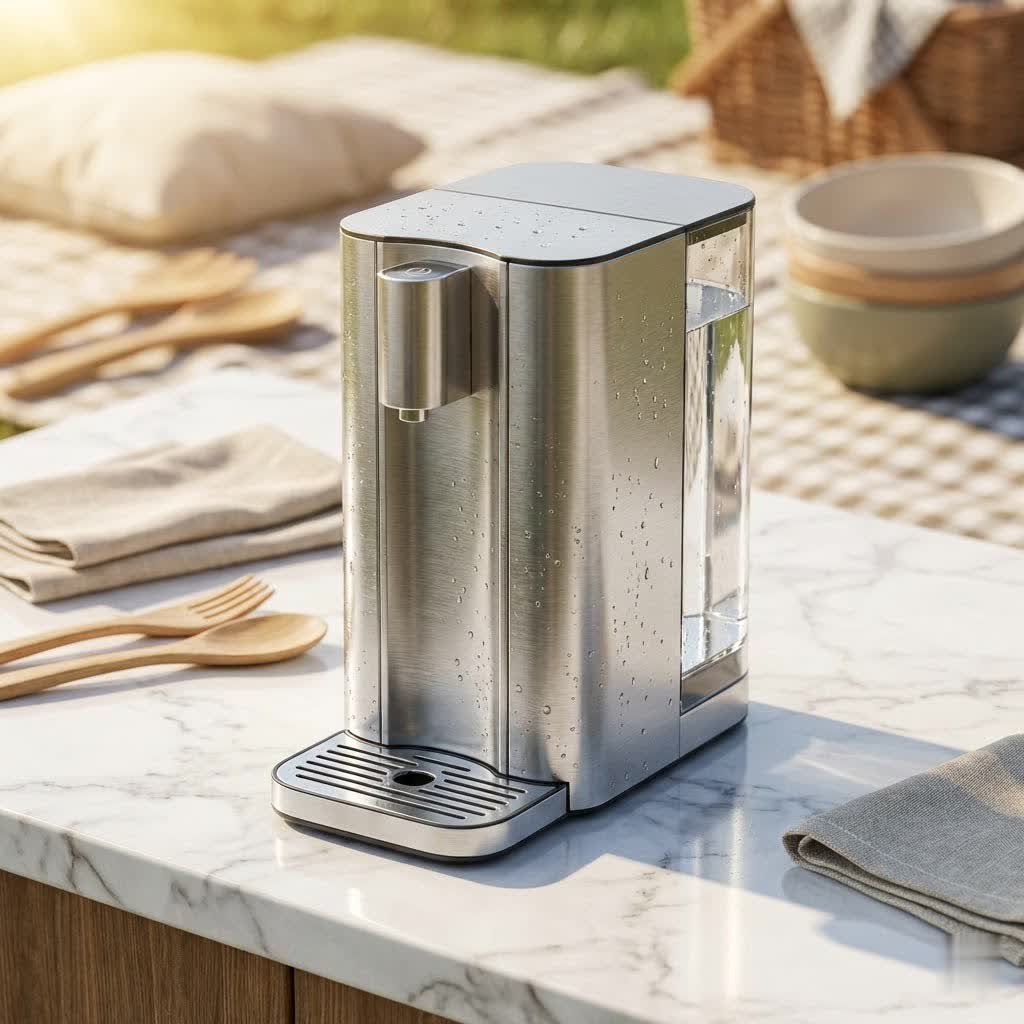
Ensuring your family has access to clean, safe drinking water is more crucial than ever. With growing concerns about tap water quality, many are turning to water purification solutions. While full-scale home systems are effective, they aren’t always practical for everyone. This is where small water purifiers shine, offering a compact, efficient, and often portable way to enjoy pure water without sacrificing valuable space or budget. Whether you live in a small apartment, travel frequently, or simply need an affordable alternative to bottled water, a small water purifier can be the perfect solution for immediate access to healthier hydration.
Understanding Small Water Purifiers: Types and Technologies
Small water purifiers come in various forms, each designed to meet different needs and preferences while offering space-saving advantages. Understanding these types and their underlying technologies is key to making an informed choice for your home. For complete home library on this site.
Pitcher Water Filters
Pitcher filters are perhaps the most common and budget-friendly type of small water purifier. They are essentially filtered pitchers that you fill with tap water, and gravity draws the water through a filter cartridge into the reservoir below. These filters typically use activated carbon to reduce chlorine, improve taste and odor, and remove some contaminants like copper and mercury. They require no installation and are highly portable, making them ideal for individuals or small households, or as a supplement to existing filtration. However, their filtration capabilities are often basic, and the flow rate can be slow, requiring refills throughout the day. Some popular examples include the Pur Plus 11-Cup Pitcher and Brita models, known for being compact and convenient.
Countertop Water Purifiers
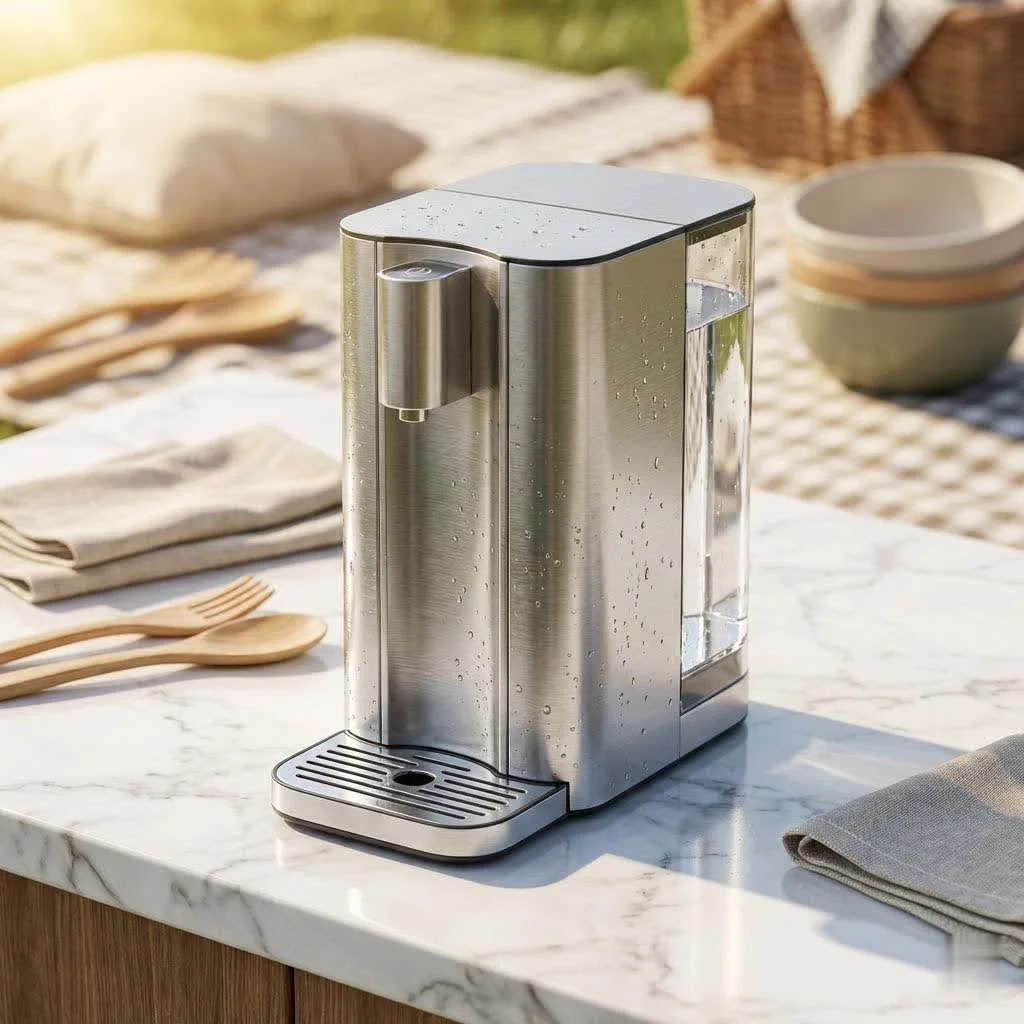
Countertop water purifiers offer a step up in filtration performance compared to pitchers, without the need for under-sink installation. These units sit directly on your kitchen counter and can be categorized into gravity-fed systems, faucet-mounted filters, or pour-through electric models. Many countertop purifiers incorporate multi-stage filtration, often including activated carbon, ultrafiltration (UF), and sometimes even reverse osmosis (RO) for more comprehensive contaminant removal. They are excellent for those seeking better water quality than a pitcher can provide but who lack the space or desire for a permanent under-sink system. While they offer faster filtration than pitchers, they do occupy counter space. The Aquasana Clean Water Machine, for instance, is noted for its compact size and powered filtration that quickly delivers clean water.
Portable Water Purifiers
Designed for mobility and versatility, portable water purifiers are perfect for travelers, campers, hikers, or anyone needing purified water on the go. These compact devices are built to filter water from various sources, including natural bodies of water, ensuring safe drinking water in remote locations. Technologies often include advanced filtration methods like portable reverse osmosis (RO) systems, capable of removing bacteria, viruses, parasites, pesticides, and even heavy metals, as seen in products like the Itehil Portable Reverse Osmosis system. Their primary advantages are their lightweight design and ability to deliver highly purified water in challenging environments.
Key Filtration Technologies in Small Purifiers
|
Our Picks for the Best Water Purifier in 2026
As an Amazon Associate I earn from qualifying purchases.
|
||
| Num | Product | Action |
|---|---|---|
| 1 | Brita Hub Compact Instant Powerful Countertop Water Filter System, Reduces 70+ Contaminants, 9 Cup Water Reservoir, Includes 6 Month Carbon Block Filter, White, 87344 |

|
| 2 | Waken Electric C11S Reverse Osmosis Water Filtration System Countertop 180oz Water Tank 4:1 Pure to Drain 8 Stage RO Filter No Installation for Home Apartment Condo RV |
|
| 3 | Mate 3 Countertop Reverse Osmosis Water Filter System, 8 Stage Purification, 3:1 Pure to Drain, No Installation Required, Smart Sensor Water Dispensing, Reduce TDS, RO Water Purifier |
|
| 4 | Brita UltraMax Large Water Dispenser with 1 BritaPlus Filter, 27 Cup Capacity, Black (Package May Vary) |
|
| 5 | ZeroWater 32-Cup 5-Stage Water Filter Dispenser with Instant Read Out - 0 TDS for Improved Tap Water Taste - IAPMO Certified to Reduce Lead, Chromium, and PFOA/PFOS |
|
| 6 | Vortopt Carbon Block Water Filter for Sink Faucet,NSF/ANSI 42 Certified Faucet Water Filter,with Display & 400 Gallon Capacity. |
|
| 7 | AquaTru Carafe Countertop Water Purifier - Compact 4-Stage Reverse Osmosis System with Glass Carafe Removes 84 Contaminants Including Forever Chemicals, Lead & Fluoride - No Plumbing |
|
| 8 | 3 Stage RV Water Filter System, 0.2 Micron Taste Pure Water Filter with Compact 5 Inch for RV, 3-Stage High Flow Water Filter for RVs, Boats and Campers |
|
| 9 | ZeroWater 52-Cup Ready-Read 5-Stage Water Filter Pitcher Dispenser with 5-Stage 0 TDS Zero Water Filter – IAPMO Certified to Reduce Metals, Chlorine, Lead, Chromium, and Forever Chemicals PFOA/PFOS |
|
| 10 | Brita UltraMax Large Water Dispenser With Standard Filter, BPA-Free, Reduces Copper, Cadmium and Mercury Impurities, Lasts 2 Months or 40 Gallons, Includes 1 Filter, Kitchen Accessories, Large 27-Cup |
|
- Activated Carbon: Widely used to adsorb chlorine, odors, and bad tastes, as well as some organic compounds and sediment.
- Reverse Osmosis (RO): A highly effective method that forces water through a semi-permeable membrane to remove dissolved solids (TDS), heavy metals, bacteria, and viruses. Portable and some countertop units utilize RO for superior purification.
- Ultrafiltration (UF): Uses a membrane with larger pores than RO, effective at removing bacteria, viruses, cysts, and suspended solids, but typically does not remove dissolved minerals or salts.
- Ultraviolet (UV) Sterilization: Employs UV light to kill bacteria, viruses, and other microorganisms, often used as a final stage in multi-filtration systems.
- Ion Exchange: Often included in multi-stage filters, this process helps reduce water hardness and can target specific heavy metals like lead and copper.
Criteria for Selecting Your Small Water Purifier
Choosing the right small water purifier involves evaluating several factors to match a system to your specific needs and water conditions.
Assess Your Water Source and Contaminants
Before anything else, understand what’s in your water. Tap water quality varies significantly by location. You can obtain a local consumer water quality report or use a home water testing kit to identify contaminants like chlorine, heavy metals (lead, copper), PFAS (forever chemicals), pesticides, bacteria, or high Total Dissolved Solids (TDS) levels. For municipal water with low TDS, a basic carbon filter or UV system might suffice. For well water or water with high TDS (above 500 ppm), an RO purifier or a combination system is often recommended to remove harder-to-filter impurities.
Filtration Performance and Certifications
Look for purifiers that are independently tested and certified by organizations like NSF/ANSI (National Sanitation Foundation/American National Standards Institute). These certifications ensure that the product performs as advertised, effectively reducing the contaminants it claims to filter. A filter certified to NSF standards provides peace of mind about its efficiency and the purity of your water.
Capacity and Flow Rate
Consider how much filtered water you need daily. Pitcher filters typically range from 6 to 11 cups, suitable for 1-2 people, but may require frequent refilling. Countertop models can offer higher capacities or continuous flow, while portable units often prioritize immediate small-batch filtration. Flow rate, or how quickly water is purified, is also important; some powered countertop filters can filter 16 ounces in just 15 seconds, significantly faster than gravity-fed options.
Installation and Ease of Use
Small purifiers are generally chosen for their simplicity. Pitcher filters require no installation. Countertop models can range from simple pour-through units to those that connect to your faucet. Portable purifiers are designed for quick setup and use in various environments. Prioritize a design that offers clear instructions and a hassle-free experience for daily operation.
Maintenance and Running Costs
Beyond the initial purchase price, factor in the ongoing costs of filter replacements. Filter lifespan varies widely, from a few months for pitcher filters to 6-12 months for some countertop systems, often based on gallons filtered. Regular filter changes are critical for maintaining purification effectiveness. Some brands offer subscription services or reminders to help you stay on schedule. Also, consider if the system requires electricity, which adds a minimal running cost.
Size and Design
Since you’re looking for a “small” purifier, aesthetics and footprint are important. Measure your available counter space or consider where you’ll store a portable unit. Many compact designs are available that blend seamlessly with modern kitchens or pack easily into travel bags.
Budget
Small water purifiers offer a wide price range. Pitcher filters are generally the most affordable upfront, while advanced countertop or portable RO systems can be a larger initial investment. Evaluate the long-term value, considering filter replacement costs and the level of purification needed.
Top Small Water Purifiers: A Comparison
| Type of Purifier | Key Technologies | Typical Capacity | Pros | Cons | Best For |
|---|---|---|---|---|---|
| Pitcher Filter | Activated Carbon | 6-11 cups | Highly affordable, no installation, portable | Basic filtration, slow flow, frequent refills | Single users, small families, chlorine/taste improvement |
| Countertop Filter | Carbon, UF, sometimes RO/UV | 1-2 gallons (or on-demand) | Better filtration, no under-sink install, faster than pitchers | Takes up counter space, some require faucet connection | Small to medium families, apartment dwellers, renters |
| Portable Purifier | RO, multi-stage, mechanical | Small (on-demand) | Extreme purification, highly compact, ideal for travel/emergencies | Lower flow rate, often for individual use, specific use cases | Travelers, campers, hikers, emergency preparedness |
Practical Guide: Getting the Most from Your Small Water Purifier
Once you’ve chosen your small water purifier, proper usage and maintenance will ensure its longevity and continued performance.
Initial Setup
Follow the manufacturer’s instructions carefully for initial setup. This usually involves rinsing new filters and assembling the unit. Some systems might require a short flushing period before the water is ready for consumption.
Regular Use Best Practices
For pitcher and countertop models, always fill with cold water from the tap. Avoid hot water, as it can damage filters and leach plastics. Keep the purified water reservoir clean and covered to prevent contamination.
Filter Replacement Schedule
This is critical. Filters have a finite lifespan, measured either by gallons filtered or by time (e.g., 3-6 months). Ignoring this can lead to decreased filtration efficiency and potentially reintroducing contaminants into your water. Set calendar reminders or sign up for auto-ship programs offered by manufacturers to ensure timely replacements. “That moment when your water flow slows to a trickle? It’s your filter’s last cry saying, ‘Hey, change your filter.'”
Cleaning and Maintenance Tips
Regularly clean all parts of your water purifier that come into contact with water, such as pitchers, reservoirs, and dispensing spouts. Use mild soap and warm water, and ensure all components are thoroughly rinsed. This prevents mold, mildew, and mineral buildup, keeping your water fresh and your purifier hygienic.
“A common mistake people make is assuming all filters are the same. A $50 filter won’t protect your family from lead or PFAS.” – Water Filtration Expert, [Source: 4]
Conclusion
Investing in a small water purifier is a proactive step toward a healthier lifestyle, providing peace of mind knowing your drinking water is clean and safe. From simple pitcher filters to advanced portable RO systems, there’s a compact solution for nearly every need and budget. By carefully considering your water source, desired filtration level, capacity requirements, and ongoing maintenance, you can select the perfect small water purifier to bring pure, great-tasting water directly to your fingertips. Don’t compromise on the quality of your hydration; an informed choice today ensures clean water for tomorrow.
What steps will you take to ensure your family enjoys the purest water possible?
Frequently Asked Questions
What contaminants can a small water purifier remove?
Small water purifiers can remove a range of contaminants depending on their technology. Activated carbon filters reduce chlorine, taste, and odor. More advanced systems like portable RO units can remove heavy metals, bacteria, viruses, pesticides, and high levels of Total Dissolved Solids (TDS). Always check the product’s certifications for specific contaminant removal claims.
How often do I need to replace the filter in a small water purifier?
Filter replacement frequency varies by purifier type, usage, and water quality. Pitcher filters typically last 2-4 months or filter 40-100 gallons. Countertop filters can last 6-12 months. Always refer to your specific model’s instructions and consider your daily water consumption. Timely replacement is crucial for effective filtration.
Are small water purifiers effective against all types of contaminants?
No, not all small water purifiers are equally effective against all contaminants. Basic pitcher filters primarily target chlorine and taste. For serious concerns like lead, PFAS, or biological contaminants (bacteria, viruses), you’ll need a system with more advanced technologies like Reverse Osmosis (RO) or UV sterilization, often found in higher-end countertop or portable units.
Can I use a small water purifier for well water?
Using a small water purifier for well water depends heavily on the well water’s quality. Well water can contain a wide array of contaminants, including bacteria, viruses, heavy metals, and high mineral content. It is highly recommended to have your well water tested first. For most well water, an RO or a multi-stage system designed for comprehensive contaminant removal is often necessary.
Pet products vetted on real animals
Practical specs, not advice. Unsubscribe anytime.
