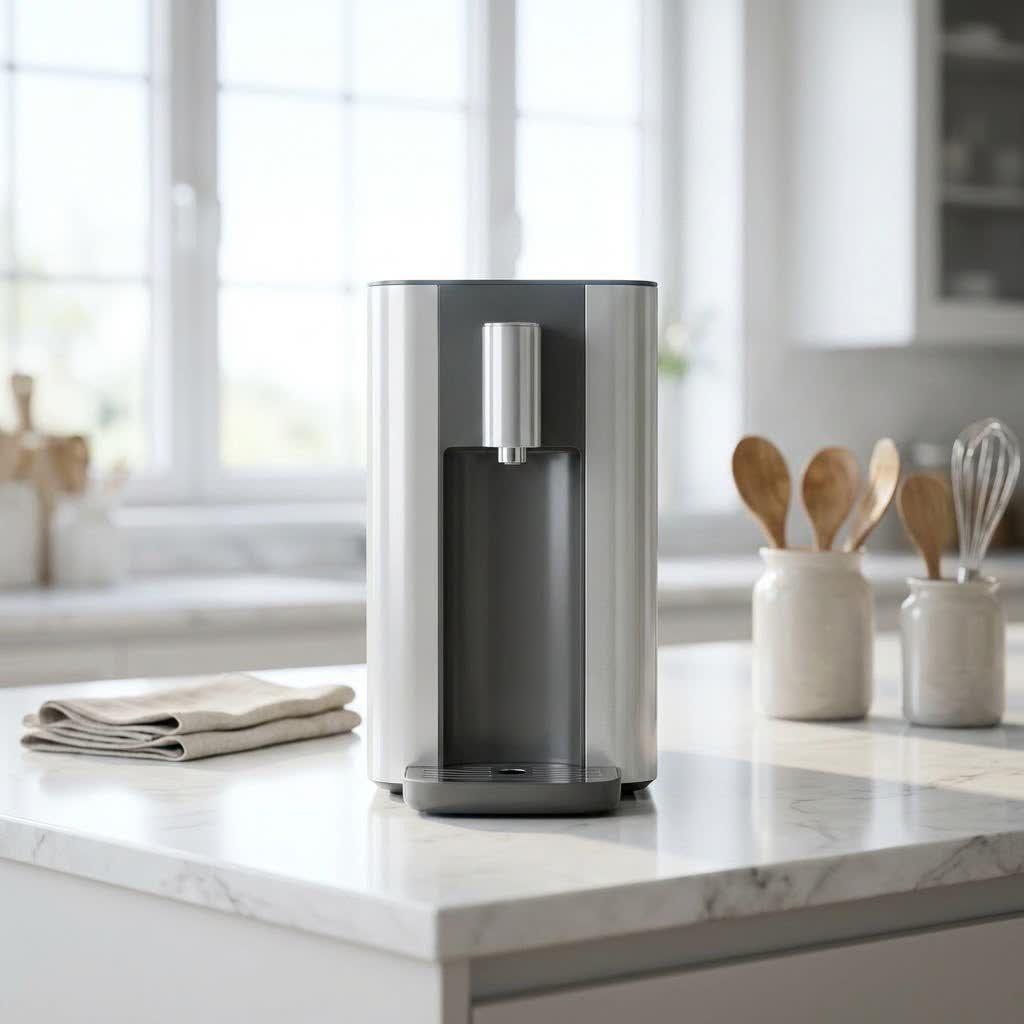
The best RO (Reverse Osmosis) water purifier for home use effectively removes up to 99% of dissolved solids, heavy metals, chemicals, and microorganisms, ensuring clean and safe drinking water. Selecting the ideal system requires evaluating your source water quality, filtration capacity, and the number of filtration stages, often including sediment, carbon, and a post-carbon filter. Modern RO systems offer various configurations, such as compact tankless designs or traditional tanked systems, to suit different household needs and space availability.
Understanding Common Water Purifier Technologies
When it comes to water purification, several technologies aim to deliver clean water, but Reverse Osmosis (RO) stands out for its comprehensive filtration capabilities. At its core, an RO system works by forcing water under pressure through a semi-permeable membrane. This membrane has incredibly tiny pores, allowing water molecules to pass through while effectively blocking larger molecules of dissolved salts, contaminants, and impurities.
While RO is highly effective, it’s often combined with other filtration methods to create a multi-stage purification process.
- Reverse Osmosis (RO): The gold standard for removing dissolved solids like salts, chemicals (fluoride, chlorine, lead, pesticides), heavy metals, and microorganisms. It delivers highly pure water but can also remove beneficial minerals.
- Ultraviolet (UV) Filtration: Uses UV light to kill bacteria, viruses, and other pathogens. It’s excellent for biological contaminants but doesn’t remove dissolved solids, chemicals, or sediments.
- Ultrafiltration (UF): Employs a membrane with larger pores than RO, effective at removing suspended solids, bacteria, viruses, and cysts, but it doesn’t remove dissolved salts or very small chemical contaminants.
Most RO water purifiers for home use a multi-stage approach, often including sediment pre-filters to remove larger particles, activated carbon filters to tackle chlorine and organic compounds, the RO membrane for fine filtration, and a post-carbon filter for taste and odor refinement. Some advanced systems also feature UV sterilization or remineralization filters to add back essential minerals for improved taste and health benefits. Modern RO systems are available in various configurations, including compact tankless designs that save space and traditional tanked systems that provide a reserve of purified water.
Essential Criteria for Choosing an RO Water Purifier
Selecting the right RO water purifier for your home requires careful consideration of several key factors that directly impact its performance, suitability, and overall value. Ignoring these aspects could lead to unsatisfactory purification, unexpected costs, or an incompatible system for your needs.
Source Water Quality and Contaminants
What’s in your tap water? Identifying your source water quality is the critical first step. This involves understanding your Total Dissolved Solids (TDS) levels and the specific contaminants prevalent in your area. For instance, municipal water might primarily require removal of chlorine and byproducts, while well water might contain high levels of heavy metals, nitrates, bacteria, or excess hardness. A water test can provide precise data, helping you choose an RO system specifically designed to target these impurities effectively.
Filtration Capacity and Efficiency
|
Our Picks for the Best Water Purifier in 2026
As an Amazon Associate I earn from qualifying purchases.
|
||
| Num | Product | Action |
|---|---|---|
| 1 | Brita UltraMax Large Water Dispenser With Standard Filter, BPA-Free, Reduces Copper, Cadmium and Mercury Impurities, Lasts 2 Months or 40 Gallons, Includes 1 Filter, Kitchen Accessories, Large 27-Cup |

|
| 2 | Mate 3 Countertop Reverse Osmosis Water Filter System, 8 Stage Purification, 3:1 Pure to Drain, No Installation Required, Smart Sensor Water Dispensing, Reduce TDS, RO Water Purifier |
|
| 3 | Vortopt Carbon Block Water Filter for Sink Faucet,NSF/ANSI 42 Certified Faucet Water Filter,with Display & 400 Gallon Capacity. |
|
| 4 | Brita UltraMax Large Water Dispenser with 1 BritaPlus Filter, 27 Cup Capacity, Black (Package May Vary) |
|
| 5 | ZeroWater 32-Cup 5-Stage Water Filter Dispenser with Instant Read Out - 0 TDS for Improved Tap Water Taste - IAPMO Certified to Reduce Lead, Chromium, and PFOA/PFOS |
|
| 6 | AquaTru Carafe Countertop Water Purifier - Compact 4-Stage Reverse Osmosis System with Glass Carafe Removes 84 Contaminants Including Forever Chemicals, Lead & Fluoride - No Plumbing |
|
| 7 | ZeroWater 52-Cup Ready-Read 5-Stage Water Filter Pitcher Dispenser with 5-Stage 0 TDS Zero Water Filter – IAPMO Certified to Reduce Metals, Chlorine, Lead, Chromium, and Forever Chemicals PFOA/PFOS |
|
| 8 | Waken Electric C11S Reverse Osmosis Water Filtration System Countertop 180oz Water Tank 4:1 Pure to Drain 8 Stage RO Filter No Installation for Home Apartment Condo RV |
|
| 9 | Brita Hub Compact Instant Powerful Countertop Water Filter System, Reduces 70+ Contaminants, 9 Cup Water Reservoir, Includes 6 Month Carbon Block Filter, White, 87344 |
|
| 10 | 3 Stage RV Water Filter System, 0.2 Micron Taste Pure Water Filter with Compact 5 Inch for RV, 3-Stage High Flow Water Filter for RVs, Boats and Campers |
|
Consider how much purified water your household consumes daily. The system’s capacity, often measured in Gallons Per Day (GPD), should match your family’s usage to ensure a steady supply. Efficiency refers to the ratio of purified water produced to wastewater generated. Older RO systems might have ratios as high as 1:4 (one gallon of purified water for four gallons of wastewater), while modern, high-efficiency models boast ratios closer to 1:1 or 1:2, significantly reducing water wastage and utility bills.
Filtration Technology and Stages
Beyond just the RO membrane, evaluate the number and type of filtration stages included. A typical system includes pre-filters (sediment, carbon block) to protect the RO membrane, the RO membrane itself, and post-filters (granulated carbon, remineralization). Look for high-quality membranes and filters that are durable and certified for removing a wide spectrum of contaminants relevant to your water. Remineralization stages are particularly beneficial as they reintroduce healthy minerals that RO filtration might remove, improving the water’s pH balance and taste.
Certifications and Brand Reputation
Ensure the RO system you choose is certified by reputable organizations like NSF International (NSF/ANSI Standards 42, 53, 58, 401, etc.) or the Water Quality Association (WQA). These certifications verify that the system performs as claimed in removing specific contaminants. Beyond certifications, research the brand’s reputation for reliability, customer service, and warranty offerings. A well-known brand often signifies a commitment to quality and readily available support.
Material Quality
The longevity and safety of your water purifier depend heavily on the materials used in its construction. Opt for systems made with food-grade plastics and, if applicable, stainless steel storage tanks. High-quality, non-toxic materials prevent leaching of harmful substances into your purified water and ensure the system’s durability against wear and tear.
Total Cost of Ownership
The initial purchase price is just one part of the equation. Factor in the total cost of ownership, which includes potential professional installation fees, and, most importantly, the ongoing cost and frequency of filter replacements. Some systems have proprietary filters that can be more expensive, while others use standard sizes. Evaluate the lifespan of each filter stage and the RO membrane to anticipate long-term maintenance expenses.
Space and Installation
Where will your RO system go? Most home RO purifiers are designed for under-sink installation, so measure your cabinet space to ensure a proper fit, especially for systems with large storage tanks. Tankless models offer significant space savings. Also, consider the complexity of installation – some systems are DIY-friendly, while others might require professional plumbing assistance, adding to the overall cost. Ensure you have access to a cold water line, a drain, and potentially an electrical outlet for certain models.
Comparison of Popular RO Water Purifier Features
Understanding the variations in features among RO systems can help you prioritize what matters most for your home. This table highlights common attributes and their implications.
| Feature | Description | Benefits / Considerations |
|---|---|---|
| Filtration Stages | Typically 3-7 stages (sediment, carbon, RO membrane, post-carbon, UV, remineralization). | More stages generally mean broader contaminant removal. Ensure stages target your specific water issues. |
| Capacity (GPD) | Gallons Per Day (e.g., 50 GPD to 600+ GPD). | Match to household size (e.g., 50 GPD for 1-2 people, 100+ GPD for larger families). Higher GPD means faster water production. |
| Wastewater Ratio | Ratio of wastewater to purified water (e.g., 1:1, 1:2, 1:4). | Lower ratios (e.g., 1:1, 1:2) are more efficient, saving water. Tankless systems often have better ratios. |
| Remineralization | Adds beneficial minerals (calcium, magnesium) back to the water. | Improves taste and can restore some health benefits lost during RO filtration. |
| Tank Type | Pressure tank (traditional) or tankless. | Tanks provide a reserve but take up space. Tankless offers on-demand, fresh water and saves space. |
| Certifications | NSF/ANSI, WQA Gold Seal. | Verifies performance against specific contaminant reduction standards. Essential for peace of mind. |
| Filter Lifespan | How long filters last before replacement (e.g., 6-12 months for pre/post, 1-2 years for RO membrane). | Longer lifespans mean less frequent maintenance and potentially lower long-term costs. |
| Smart Features | Filter change indicators, TDS meters, leak detection, Wi-Fi connectivity. | Enhance convenience, monitor system health, and provide alerts for maintenance. |
| Installation Complexity | DIY-friendly (twist-lock filters) vs. requiring professional plumbing. | Consider your comfort level and potential additional costs for professional installation. |
Your Comprehensive RO Water Purifier Buying Guide
The journey to consistently pure water at home is straightforward when approached with a clear plan. This buying guide outlines the steps from initial assessment to ongoing enjoyment of your RO water purifier.
1. Identify Your Needs and Water Source
Start by understanding your specific requirements. How many people are in your household? What is your daily water consumption for drinking, cooking, and potentially even pet water? More importantly, what is your primary water source (municipal, well, borewell)? Different sources have varying contaminant profiles. If you haven’t already, consider getting a professional water test to pinpoint the exact impurities and TDS levels in your water. This data is invaluable for selecting a system that provides targeted filtration. Finally, establish a realistic budget, keeping in mind both the initial purchase and long-term maintenance costs.
2. Research and Compare Products
With a clear understanding of your water quality and needs, examine researching available RO water purifiers. Explore different brands, models, and their respective specifications. Pay close attention to the number and types of filtration stages, the system’s GPD capacity, and its wastewater efficiency. Look for features like remineralization, tankless design, or smart indicators that align with your priorities for convenience and performance. Reading expert reviews and customer testimonials can also offer practical insights into real-world performance and user satisfaction.
3. Verify Certifications and Warranty
Do not overlook the importance of third-party certifications. Labels from organizations like NSF International or the Water Quality Association are your assurance that a product has been independently tested and verified to perform as claimed. These certifications indicate the system’s effectiveness in removing specific contaminants. Examine the manufacturer’s warranty for both the system and its individual components, particularly the RO membrane, to understand your coverage in case of defects or malfunctions.
4. Consider Installation and Available Space
Most RO systems are designed to fit under the kitchen sink. Measure the dimensions of your under-sink cabinet, allowing enough room for the unit, its storage tank (if applicable), and necessary plumbing connections. Tankless RO systems are an excellent option for maximizing space in smaller cabinets. Decide whether you are comfortable with a DIY installation, which often involves basic plumbing skills, or if you prefer to hire a professional. Some systems are designed for simpler, tool-free installation, while others may require drilling a hole for the faucet or making more complex plumbing modifications.
5. Purchase from a Reputable Retailer
To ensure you receive an authentic product with full warranty support, purchase your RO water purifier from authorized dealers, reputable electronics stores, or trusted online marketplaces. Avoid unauthorized sellers who may offer counterfeit products or systems without proper after-sales service. A reliable retailer will provide accurate product information, transparent pricing, and assistance with any post-purchase queries.
6. Inspect, Install, and Understand Usage
Upon receiving your system, thoroughly inspect the packaging and contents for any signs of damage or missing parts. Once everything is confirmed, follow the manufacturer’s installation instructions meticulously. If you opt for professional installation, ensure they adhere to best practices. After installation, take the time to read the user manual carefully. Understand how your specific model operates, including the functions of any smart features, how to monitor filter life, and basic troubleshooting steps.
Maximizing Performance: Usage and Maintenance of Your RO Water Purifier
Investing in an RO water purifier is a significant step towards healthier living, but its long-term effectiveness hinges on proper usage and diligent maintenance. Neglecting these aspects can compromise water quality and shorten your system’s lifespan.
To ensure optimal performance, always follow the manufacturer’s guidelines for daily use. Avoid using the purifier with excessively hot water unless the system is specifically designed for it, as high temperatures can damage the RO membrane. If your system has a storage tank, allow it to refill fully after drawing a large quantity of water to maintain consistent pressure and filtration efficiency.
The most crucial aspect of maintenance is the timely replacement of filters. Each stage of an RO system has a different lifespan:
- Pre-filters (sediment, carbon block): Typically need replacement every 6-12 months. These filters protect the delicate RO membrane by removing larger particles and chlorine. Ignoring them can lead to premature membrane clogging and failure.
- RO Membrane: The heart of the system, usually lasts 1-2 years, though this can vary based on incoming water quality and usage. A significant drop in water production rate or a change in taste often indicates a worn-out membrane.
- Post-filters (granulated carbon, remineralization): Generally replaced every 12 months. These refine the water’s taste and potentially restore beneficial minerals.
Beyond filter changes, periodic sanitization of the system, especially the storage tank and tubing, is recommended to prevent bacterial growth and recontamination of purified water. Consult your manual for the recommended sanitization schedule and procedure, which often involves using a mild sanitizing solution. Regularly check for any leaks around connections and fittings, and address them promptly to prevent water damage and ensure system integrity. Some modern RO systems include built-in alerts or TDS meters to help you monitor water quality and filter life, making maintenance simpler and more intuitive.
“A well-maintained RO system is not just a convenience; it’s a foundational element for health and well-being. Regular filter changes and proper care are non-negotiable for sustained purity.” – Dr. Anya Sharma, Water Purity Expert
Conclusion
Choosing the best RO water purifier for your home is an investment in your family’s health and peace of mind. By understanding the core technology, carefully evaluating your needs, and considering the vital criteria from water quality to installation, you can make an informed decision. that diligent maintenance, particularly timely filter replacements, is key to ensuring your system delivers pure, great-tasting water consistently. With the right RO water purifier, you’re not just buying an appliance; you’re securing a reliable source of healthy hydration for years to come. What steps will you take today to ensure your family’s access to the purest water possible?
Frequently Asked Questions
Is RO water healthy for long-term consumption?
RO water is highly purified, removing almost all dissolved solids, including some beneficial minerals. While safe for long-term consumption, some people prefer systems with a remineralization stage that adds back essential minerals like calcium and magnesium to improve taste and nutritional balance.
How often should I replace the filters in my RO system?
Filter replacement frequency depends on your water quality, water consumption, and the specific filter type. Generally, pre-filters and post-filters need changing every 6-12 months, while the RO membrane typically lasts 1-2 years. Always refer to your manufacturer’s recommendations.
Does an RO water purifier waste a lot of water?
Traditional RO systems can generate wastewater, with ratios sometimes as high as 1:4 (one gallon of purified water for four gallons wasted). However, modern, high-efficiency RO systems significantly reduce this waste, often achieving ratios of 1:1 or 1:2, making them more environmentally friendly.
Can an RO system remove all contaminants?
RO systems are highly effective, removing up to 99% of dissolved solids, heavy metals, chemicals like chlorine and fluoride, and many microorganisms. While they are among the most comprehensive filtration methods available for home use, no single system removes every conceivable contaminant. Combining RO with UV sterilization can further enhance protection against biological threats.
Is professional installation necessary for an RO water purifier?
Many RO systems are designed for DIY installation with basic plumbing knowledge. However, if you’re uncomfortable with plumbing tasks, or if your specific setup requires modifications like drilling a new faucet hole, professional installation is recommended. This ensures correct setup and prevents potential leaks.
Frequently Asked Questions
Is RO water healthy for long-term consumption?
RO water is highly purified, removing up to 99% of dissolved solids, including some beneficial minerals. While safe for long-term consumption, many users prefer systems with a remineralization stage to add back essential minerals like calcium and magnesium, improving taste and nutritional balance.
How often should I replace the filters in my RO system?
Filter replacement frequency depends on your water quality, consumption, and filter type. Generally, pre-filters and post-filters require changing every 6-12 months, while the RO membrane typically lasts 1-2 years. Always consult your manufacturer's specific recommendations for optimal performance.
Does an RO water purifier waste a lot of water?
Traditional RO systems can generate wastewater, with older models having ratios as high as 1:4 (one gallon purified to four gallons wasted). However, modern, high-efficiency RO systems significantly reduce this waste, often achieving ratios of 1:1 or 1:2, making them more environmentally friendly and cost-effective.
Can an RO system remove all contaminants?
RO systems are highly effective, removing up to 99% of dissolved solids, heavy metals, chemicals like chlorine and fluoride, and many microorganisms. While comprehensive, no single system removes every conceivable contaminant. Combining RO with UV sterilization can further enhance protection against biological threats.
Is professional installation necessary for an RO water purifier?
Many RO systems are designed for DIY installation, requiring basic plumbing knowledge. However, if you are uncomfortable with plumbing tasks or if your setup requires modifications like drilling a new faucet hole, professional installation is recommended to ensure correct setup and prevent potential leaks.
How to Choose an RO Water Purifier for Your Home
This guide outlines the steps to select, install, and maintain the best RO water purifier for your household's needs, ensuring clean and safe drinking water.
Determine your household's daily water consumption and primary water source (municipal, well). Consider getting a professional water test to identify specific impurities and TDS levels, which will guide your system selection and budget.
Explore different RO water purifier brands and models, focusing on filtration stages, GPD capacity, and wastewater efficiency. Look for features like remineralization or tankless designs, and read expert and customer reviews for real-world insights.
Ensure the system has third-party certifications from organizations like NSF International or the Water Quality Association, which confirm performance claims. Review the manufacturer's warranty for the system and its components, especially the RO membrane.
Measure your under-sink cabinet space for proper fit, noting that tankless models save significant room. Decide if you prefer DIY installation or professional plumbing assistance, factoring in any potential modifications like drilling for a new faucet.
Upon delivery, inspect the system for damage or missing parts. Follow the manufacturer's installation instructions meticulously, or ensure professional installers adhere to best practices. Read the user manual to understand operation, filter life monitoring, and basic troubleshooting.
Pet products vetted on real animals
Practical specs, not advice. Unsubscribe anytime.

I finally pulled the trigger on a tankless RO system after reading about them. Our old pitcher filter just wasn’t cutting it anymore, and the water here in Phoenix is pretty hard. This new system is amazing; the water tastes so much better, and I love not having a bulky tank under the sink. Installation was straightforward too, which was a pleasant surprise.
After researching different filtration capacities, I opted for a higher-capacity RO system for our family of five. It keeps up perfectly with our daily demands, from drinking water to cooking. The peace of mind knowing we’re getting clean, safe water, free from microorganisms, is invaluable. Best investment for our home this year.
I got an RO system primarily for the sediment and carbon filtration stages, as our well water can be a bit murky sometimes. While the water clarity has improved a lot, I’ve noticed the flow rate is a bit slower than I expected, especially when filling up larger pots. It’s not a deal-breaker, but something to consider if you need water quickly.
We’ve been using a traditional tanked RO system for about six months now, and it’s made a huge difference. Our tap water used to have a weird chemical taste, but now it’s completely gone. I appreciate knowing it’s removing heavy metals and other contaminants. The only minor downside is the space it takes up, but for the quality of water, it’s worth it.