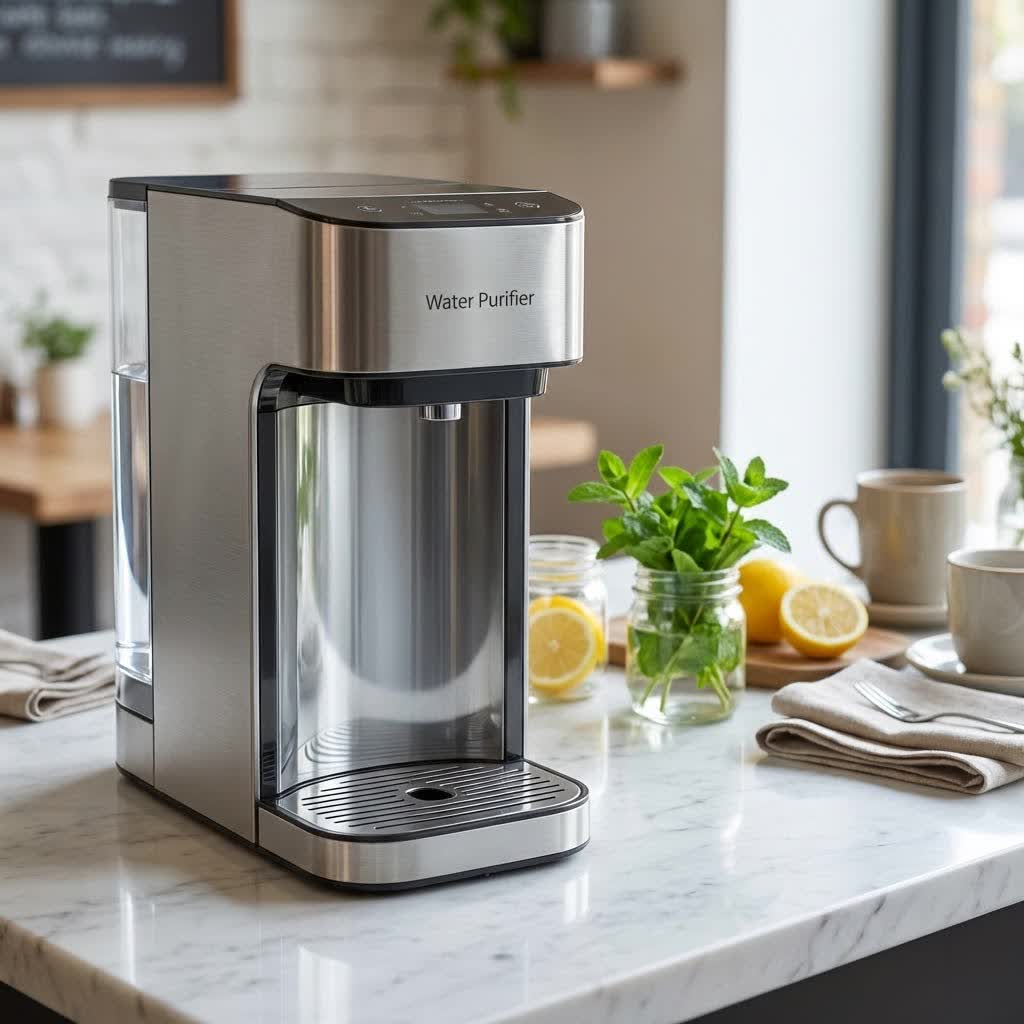
Access to clean, safe drinking water is a fundamental need, yet many sources are riddled with unseen contaminants. If you’re seeking a robust solution without the commitment of a permanent installation, a portable RO water purifier could be your answer. These compact systems offer advanced filtration, delivering pristine water wherever you need it, from your kitchen countertop to your RV. This comprehensive guide will navigate the world of portable reverse osmosis purifiers, helping you understand their technology, choose the best model, and ensure lasting performance.
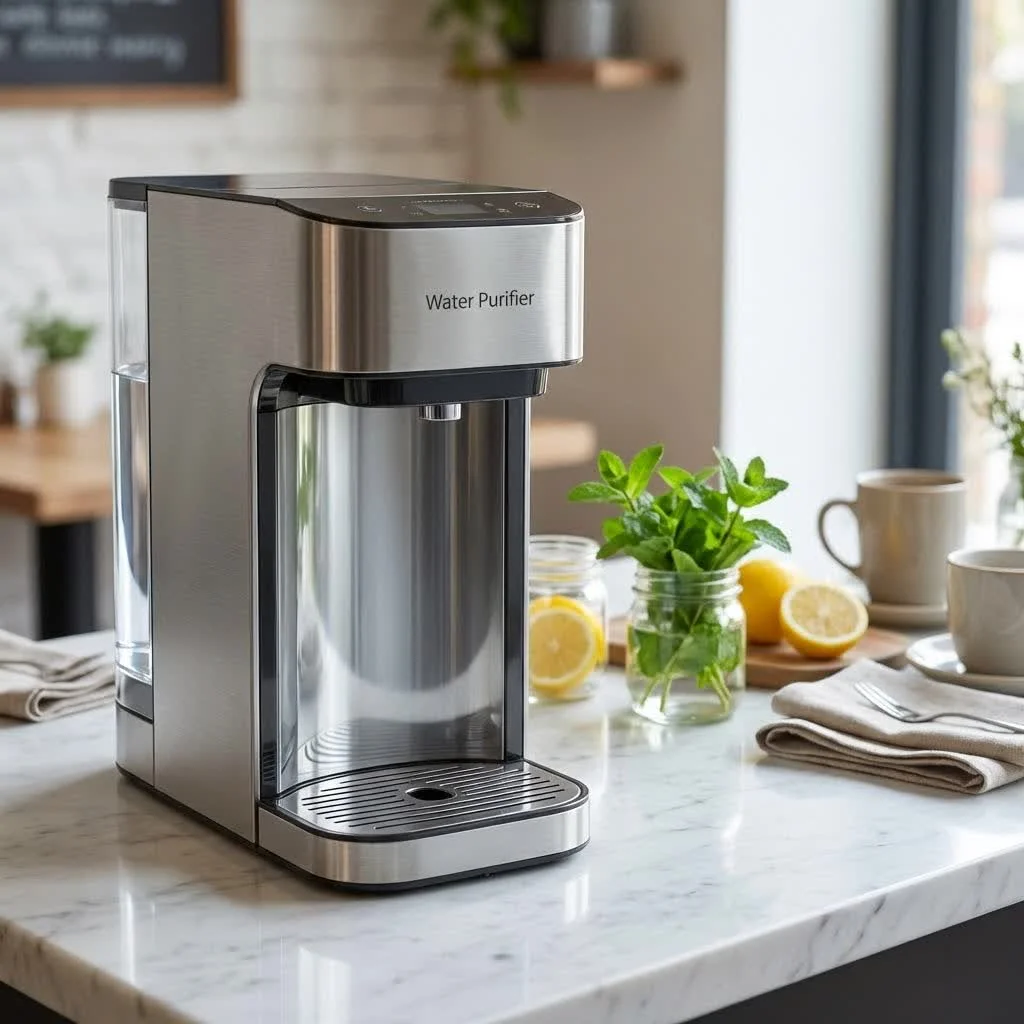
Understanding Portable Reverse Osmosis Water Purifier Technology
At its core, a portable reverse osmosis (RO) water purifier utilizes the same powerful filtration technology as its larger counterparts, scaled down for convenience and mobility. This multi-stage process effectively removes a vast array of impurities that other filters often miss. For compare top home on this site.
The journey to pure water typically begins with pre-filtration stages. These often include sediment filters to capture larger particles like dirt and rust, and activated carbon filters to absorb chlorine, chloramines, pesticides, herbicides, and other volatile organic compounds (VOCs). These initial stages are crucial not only for improving water taste and odor but also for protecting the delicate RO membrane from damage.
Following pre-filtration, water is pushed under pressure through a semi-permeable RO membrane. This membrane is the heart of the system, featuring microscopic pores—often as small as 0.0001 microns—that allow only pure water molecules to pass through. Contaminants such as dissolved salts, heavy metals (like lead, arsenic, and mercury), fluoride, nitrates, sulfates, and even many bacteria and viruses are rejected and flushed away in a concentrated wastewater stream.
Finally, the purified water often passes through a post-carbon filter for a final polish, further enhancing taste. Many modern portable RO systems also include an optional remineralization filter at this stage. Since RO removes beneficial minerals alongside harmful contaminants, a remineralization filter adds back healthy minerals like calcium and magnesium, improving the water’s taste and raising its pH to a more alkaline level, counteracting the slight acidity often associated with RO water. Some advanced portable units may even feature UV sterilization as an additional safeguard against bacteria and viruses.
Key Criteria for Choosing a Portable RO Water Purifier
Selecting the right portable RO system involves more than just picking a brand. Considering several crucial factors will ensure you invest in a purifier that perfectly matches your needs and lifestyle.
Your Source Water and Contaminant Concerns
Before purchasing, it’s vital to understand what’s in your water. While RO systems are highly effective at removing a broad spectrum of contaminants, knowing specific issues (e.g., high fluoride, lead, or PFAS) can help you choose a system certified for those particular reductions. A home water test can provide valuable insights into your water quality. For instance, water with extremely high levels of total dissolved solids (TDS) might accelerate filter clogging, necessitating more frequent maintenance.
Filtration Stages and Technology
|
Our Picks for the Best Water Purifier in 2026
As an Amazon Associate I earn from qualifying purchases.
|
||
| Num | Product | Action |
|---|---|---|
| 1 | Brita Hub Compact Instant Powerful Countertop Water Filter System, Reduces 70+ Contaminants, 9 Cup Water Reservoir, Includes 6 Month Carbon Block Filter, White, 87344 |

|
| 2 | AquaTru Carafe Countertop Water Purifier - Compact 4-Stage Reverse Osmosis System with Glass Carafe Removes 84 Contaminants Including Forever Chemicals, Lead & Fluoride - No Plumbing |
|
| 3 | Brita UltraMax Large Water Dispenser with 1 BritaPlus Filter, 27 Cup Capacity, Black (Package May Vary) |
|
| 4 | Brita UltraMax Large Water Dispenser With Standard Filter, BPA-Free, Reduces Copper, Cadmium and Mercury Impurities, Lasts 2 Months or 40 Gallons, Includes 1 Filter, Kitchen Accessories, Large 27-Cup |
|
| 5 | Mate 3 Countertop Reverse Osmosis Water Filter System, 8 Stage Purification, 3:1 Pure to Drain, No Installation Required, Smart Sensor Water Dispensing, Reduce TDS, RO Water Purifier |
|
| 6 | ZeroWater 32-Cup 5-Stage Water Filter Dispenser with Instant Read Out - 0 TDS for Improved Tap Water Taste - IAPMO Certified to Reduce Lead, Chromium, and PFOA/PFOS |
|
| 7 | ZeroWater 52-Cup Ready-Read 5-Stage Water Filter Pitcher Dispenser with 5-Stage 0 TDS Zero Water Filter – IAPMO Certified to Reduce Metals, Chlorine, Lead, Chromium, and Forever Chemicals PFOA/PFOS |
|
| 8 | 3 Stage RV Water Filter System, 0.2 Micron Taste Pure Water Filter with Compact 5 Inch for RV, 3-Stage High Flow Water Filter for RVs, Boats and Campers |
|
| 9 | Waken Electric C11S Reverse Osmosis Water Filtration System Countertop 180oz Water Tank 4:1 Pure to Drain 8 Stage RO Filter No Installation for Home Apartment Condo RV |
|
| 10 | Vortopt Carbon Block Water Filter for Sink Faucet,NSF/ANSI 42 Certified Faucet Water Filter,with Display & 400 Gallon Capacity. |
|
Modern portable RO purifiers go beyond the basic three stages. Look for models that incorporate:
- Multiple Pre-filters: To ensure robust protection for the RO membrane and extend its life.
- High-Quality RO Membrane: The efficiency and lifespan of your system depend heavily on the membrane.
- Remineralization: If you prefer the taste of mineralized water and want to avoid potential acidity.
- UV Sterilization: For an extra layer of protection against biological contaminants, especially if you suspect your water source might contain bacteria or viruses.
- Smart Features: Digital displays, TDS meters, and filter life indicators enhance user experience and simplify maintenance.
Water Efficiency (Pure-to-Waste Ratio)
A common concern with RO systems is the amount of wastewater produced. While conventional systems might waste 3-4 gallons for every gallon purified, many newer portable models boast significantly improved efficiency ratios, ranging from 1:1 to an impressive 4:1 (purified to waste). A higher ratio means less water is sent down the drain, making the system more environmentally friendly and economical in the long run.
Certifications and Brand Reputation
Always prioritize systems with independent certifications, such as those from NSF International or IAPMO. These certifications (like NSF/ANSI 42, 53, 58, 401, or 372 for lead-free materials) verify a system’s performance claims and ensure it meets stringent safety and quality standards. Choosing reputable brands with good customer reviews and established warranties can also provide peace of mind.
Design and Portability
“Portable” for an RO system typically means a countertop unit that doesn’t require plumbing installation. Consider the following design aspects:
- Size and Footprint: Ensure it fits comfortably on your countertop without obstructing other appliances.
- Installation-Free Setup: Look for plug-and-play models that are easy to set up and move.
- Water Tank Design: Some feature removable tanks for easy filling and cleaning. Glass carafes are often preferred over plastic for purified water storage due to material quality.
- Hot and Cold Dispensing: Some high-end models offer on-demand hot and cold purified water, adding convenience.
Maintenance Costs and Filter Lifespan
While the initial cost is a factor, consider the long-term expense of filter replacements. Research the lifespan of each filter stage and the cost of replacement cartridges. Many modern systems feature quick-change filters that simplify maintenance, and some even have automated reminders for replacement. A lower annual cost per gallon often indicates better value over time.
Additional Features
Beyond core filtration, some portable RO units offer advanced features like automated flushing cycles to keep membranes clean, silent operation, and even hydrogen infusion for potential health benefits. Evaluate if these extras align with your preferences and budget.
Comparative Overview: Leading Portable RO Water Purifiers
To help you visualize options, here’s a comparison of some highly-regarded portable and countertop RO water purifiers, based on recent reviews and features:
| Feature | AquaTru Carafe Portable RO Purifier | Waterdrop G3 P800 Tankless RO System | RKIN U1 Countertop RO Purifier |
|---|---|---|---|
| Overall Score | 9.57/10 (Top Countertop) | 9.21/10 (Top Tankless Under-Sink) | 8.83/10 (Advanced Countertop) |
| Price | ~$349+ | ~$999+ | ~$749+ |
| Certifications | NSF/ANSI 42, 53, 58, 401, 372 (Lead-Free) | NSF/ANSI 42, 53, 58, 372 (Lead-Free) | NSF 58 (in progress) |
| Efficiency Ratio | 4 gallons purified : 1 gallon waste | 3 gallons purified : 1 gallon waste | 1 gallon purified : 1 gallon waste |
| Contaminants Reduced | 83+ (100% of health effects in testing) | 10+ (Lead, arsenic, nitrate, etc.) | 99% of contaminants |
| Key Features | Glass carafe, simple setup, excellent contaminant reduction, low annual cost per gallon, optional remineralization upgrade. | Tankless design, fast flow rate (800 GPD), smart faucet with TDS meter, UV purifier, optional remineralization. | Hot/cold dispensing, built-in remineralization, hydrogen infusion, digital display, automated flush, UV light. |
| Filtration Rate | 0.03 GPM | 800 GPD (very fast) | 0.07 GPM |
| Maintenance Cost (per gallon) | ~$0.19 | ~$0.11 (without remin filter) | ~$0.08 |
Note: The Waterdrop G3 P800 is primarily an under-sink system but is listed here as a high-performing tankless RO that offers excellent features often sought in modern portable solutions. For a strictly portable, no-install option, focus on models like the AquaTru Carafe and RKIN U1.
Portable RO Water Purifier Buying Guide
The journey to consistently pure water begins with a well-informed decision. Follow these steps to confidently choose your ideal portable RO system.
-
Determine Your Needs:
- Usage: How much purified water do you need daily? (e.g., small household, travel, specific dietary needs).
- Water Source: Are you primarily purifying municipal tap water, well water, or a more challenging source? Knowing your source helps determine the necessary level of filtration.
- Budget: Establish a realistic budget for both the initial purchase and ongoing filter replacements.
- Space: Measure your available countertop space to ensure the unit fits comfortably.
-
Research and Compare Products:
- Read Reviews: Look for independent lab tests and user experiences to gauge real-world performance.
- Check Certifications: Verify NSF/ANSI certifications relevant to the contaminants you wish to remove.
- Compare Features: Identify essential features like remineralization, UV sterilization, digital displays, and filter life indicators.
- Evaluate Efficiency: A higher pure-to-waste ratio is better for environmental impact and long-term cost.
-
Prioritize Water Quality and Safety:
- Choose systems with proven contaminant reduction capabilities, especially for health-related impurities like lead, PFAS, and fluoride.
- Consider a remineralization stage if you are concerned about mineral loss or water acidity.
- If microbial contamination is a concern, look for systems with UV sterilization or explicit certification for bacteria/virus removal.
-
Consider Ease of Use and Maintenance:
- Installation-Free: For true portability, opt for countertop models that simply plug in.
- Filter Replacement: Look for twist-and-pull filter designs or clear indicators for when replacements are due.
- Cleaning: Understand the recommended cleaning schedule for the tanks and system.
-
Purchase from Reputable Retailers:
- Buy from authorized dealers, well-known electronics stores, or reputable online platforms. This ensures you receive genuine products and valid warranties.
- Check the return policy and warranty coverage before completing your purchase.
-
Inspect and Set Up Your System:
- Upon arrival, inspect the package and unit for any damage.
- Read the user manual thoroughly before setting up the system. Portable RO systems are designed for easy setup, but following the manufacturer’s instructions is crucial for optimal performance. Flush the system as recommended before first use.
How to Use and Maintain Your Portable RO Water Purifier
Proper usage and consistent maintenance are key to maximizing the lifespan and performance of your portable RO water purifier, ensuring a continuous supply of clean, refreshing water.
Daily Usage Tips
- Fill with Care: Always fill the raw water tank with the specific water source the purifier is designed to handle (e.g., tap water). Avoid using visibly contaminated water unless the system explicitly states it can handle it (e.g., some outdoor-specific models).
- Dispense as Needed: Most portable RO systems have a purified water tank. Dispense water from this tank as required.
- Monitor Indicators: Pay attention to any digital displays or indicator lights for filter life, TDS levels, or water tank status. These alerts help you stay proactive with maintenance.
- Empty Wastewater: Regularly empty the concentrate (wastewater) tank. The frequency will depend on your system’s efficiency ratio and usage. Modern systems, like the AquaTru, have impressive recovery rates, minimizing how often you need to empty the wastewater tank.
Filter Replacement Schedule
The lifespan of filters varies significantly depending on the filter type, water quality, and usage.
- Pre-filters (Sediment/Carbon): Typically need replacement every 6-12 months.
- RO Membrane: The longest-lasting component, often requiring replacement every 1-3 years.
- Post-filters (Carbon/Remineralization): Usually replaced every 6-12 months.
Always refer to your specific model’s user manual for exact replacement intervals. Ignoring filter replacement can lead to reduced filtration efficiency, poor water taste, and potential damage to the system. Many newer models include built-in filter life trackers or notifications to simplify this process.
Cleaning and General Maintenance
- Regular Tank Cleaning: Periodically clean the raw and purified water tanks to prevent bacterial growth or biofilm formation. Use mild soap and water, and rinse thoroughly. Some systems feature removable tanks that are dishwasher-safe or have automatic rinse cycles.
- Exterior Cleaning: Wipe down the exterior of the unit with a damp cloth to keep it clean.
- System Flushing: Some portable RO purifiers have an automatic flush function or a manual button to periodically flush the RO membrane, helping to prevent mineral scale buildup and extend its life.
- Addressing Taste Issues: If your RO water tastes “flat,” it’s likely due to the removal of natural minerals. Consider adding a remineralization filter or using mineral drops specifically designed for RO water. If you already have a remineralization filter, check if it’s due for replacement.
“Investing in a portable RO system is investing in your health. Treat it with care, and it will deliver pure, safe water for years to come. Remember, consistent filter maintenance isn’t just a recommendation; it’s essential for optimal performance and longevity.” – Brian Campbell, WQA Certified Water Treatment Specialist
By adhering to these simple usage and maintenance guidelines, your portable RO water purifier will remain a reliable source of high-quality drinking water, offering convenience and peace of mind wherever life takes you.
Conclusion
A portable RO water purifier stands as an indispensable tool for anyone prioritizing access to clean, safe drinking water, free from a myriad of contaminants. These compact, often countertop-friendly devices leverage advanced multi-stage filtration, including the powerful reverse osmosis membrane, to effectively remove heavy metals, chemicals, pesticides, and many microorganisms. While considerations like mineral removal and wastewater production exist, innovations like remineralization filters and improved efficiency ratios continue to enhance their value. By carefully evaluating your water source, desired features, certifications, and maintenance needs, you can select a portable RO system that delivers pure, great-tasting water with unparalleled convenience. Are you ready to take control of your drinking water quality with a portable RO solution?
Frequently Asked Questions
What contaminants does a portable RO water purifier remove?
Portable RO purifiers are highly effective at removing 95-99% of dissolved solids, including lead, arsenic, fluoride, chlorine, PFAS chemicals, nitrates, sulfates, and many other harmful contaminants. They also remove most bacteria and pyrogens.
Do portable RO systems waste a lot of water?
Older RO systems could waste 3-4 gallons for every gallon purified. However, modern portable RO systems are far more efficient, with many achieving a 1:1 or even 4:1 purified-to-waste ratio, significantly reducing water wastage.
Is RO water safe to drink long-term, given it removes minerals?
Yes, RO water is safe for long-term consumption. While RO removes beneficial minerals, most of our essential mineral intake comes from food. Many portable RO systems now include remineralization filters to add back healthy minerals like calcium and magnesium, addressing concerns about taste and pH balance.
How often do I need to replace filters in a portable RO system?
Filter replacement schedules vary by model and water quality, but typically pre-filters need changing every 6-12 months, post-filters every 6-12 months, and the RO membrane every 1-3 years. Always check your specific model’s manual for precise recommendations.
Can a portable RO water purifier be used with well water?
Yes, but if your well water has high sediment, iron, or hardness, it’s highly recommended to install appropriate pre-filtration (like a sediment filter or water softener) upstream of the RO system. This protects the RO membrane and extends its lifespan.
What is the typical lifespan of a portable RO water purifier?
With proper care and timely filter replacements, a well-maintained portable RO water purifier can last 10 years or more. Regular maintenance, including cleaning and replacing parts, is crucial for longevity.
Pet products vetted on real animals
Practical specs, not advice. Unsubscribe anytime.
