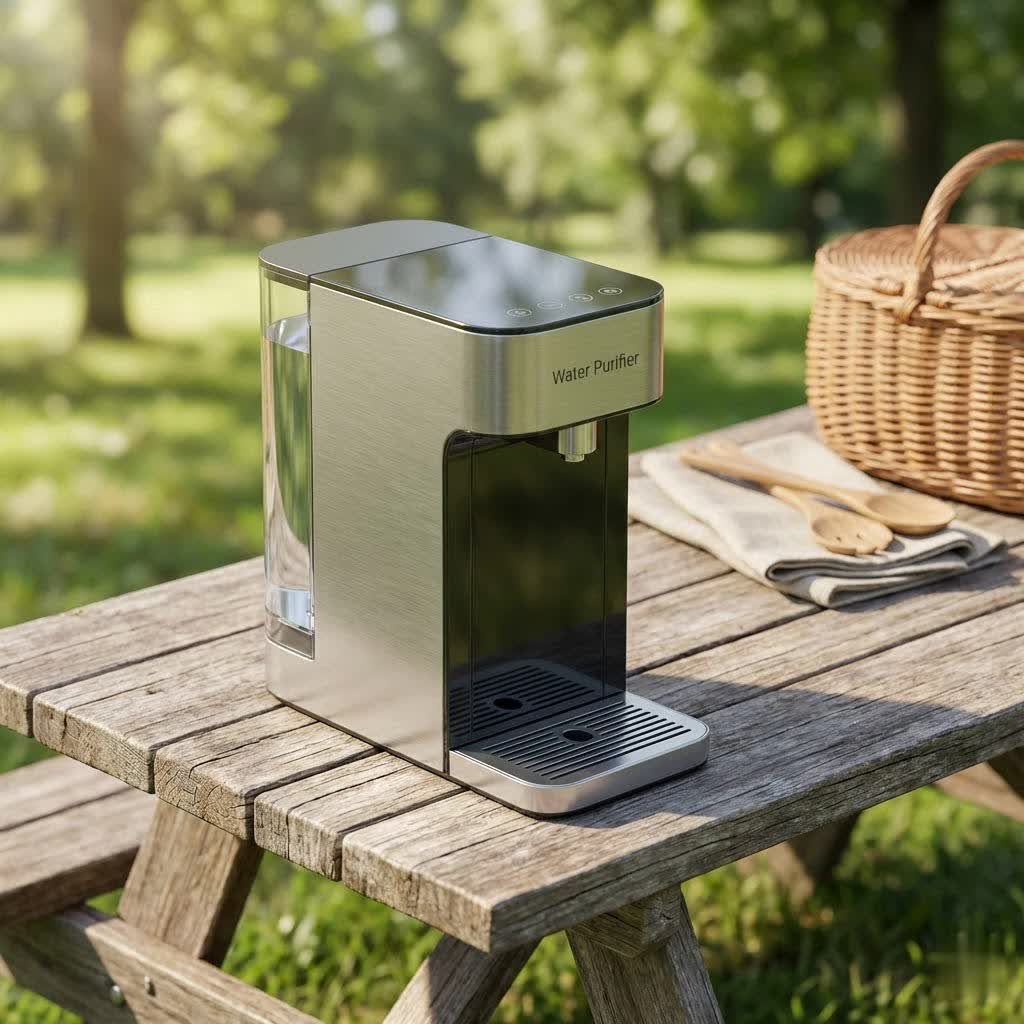
In an era where clean drinking water is no longer a given, many homeowners are seeking robust solutions to safeguard their families’ health. Reverse Osmosis (RO) water purifiers have emerged as a leading technology, offering unparalleled filtration to deliver safe, great-tasting water directly to your tap. But with so many options available, understanding how these systems work, what to look for, and how to maintain them is crucial for making an informed decision. This comprehensive guide will navigate you through the world of domestic RO water purifiers, ensuring you bring home the perfect solution for your household.
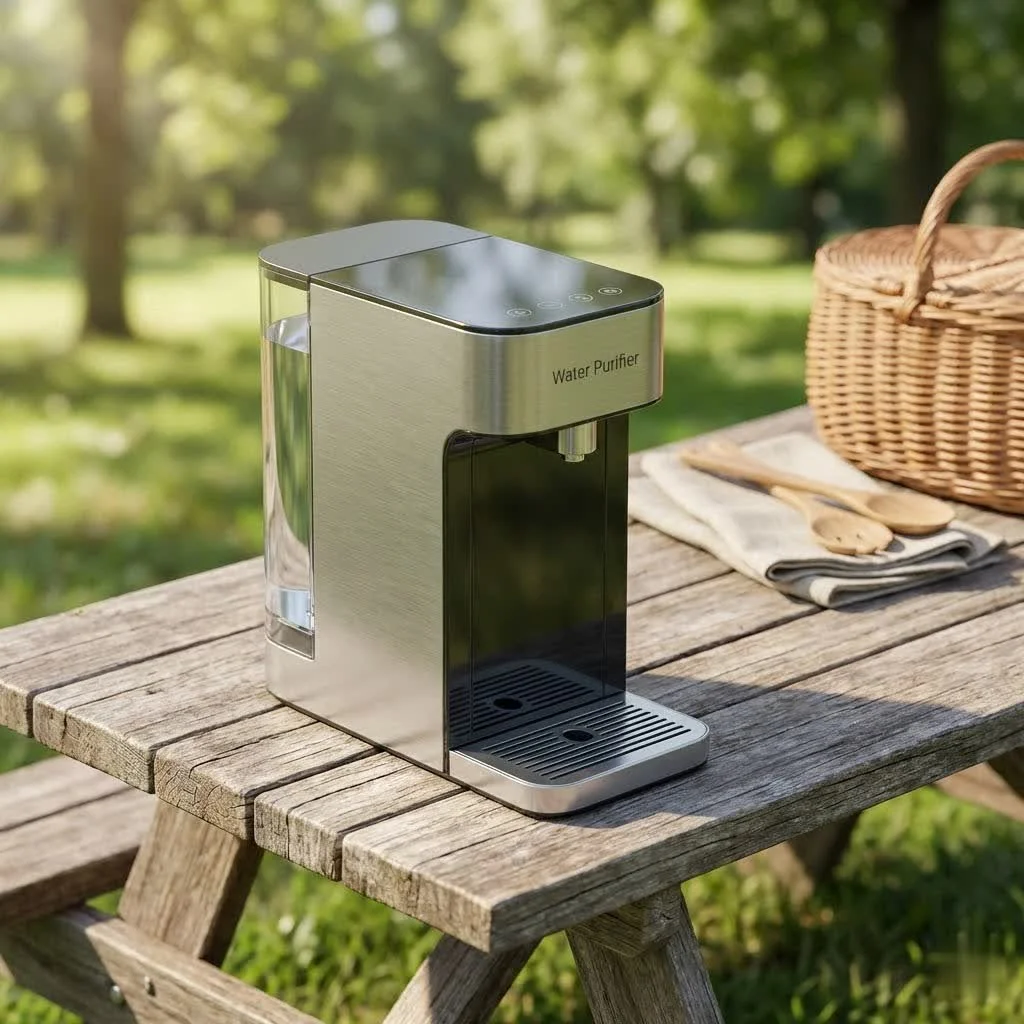
Understanding the Different Types of Water Purifiers
Before diving into RO technology, it’s helpful to understand the landscape of water purification methods. Each technology targets different types of contaminants, making some more suitable for specific water sources than others.
- Reverse Osmosis (RO): This advanced purification method utilizes a semi-permeable membrane to remove dissolved inorganic solids, heavy metals, chemicals, pesticides, bacteria, and viruses from water. It forces water under pressure through the membrane, leaving contaminants behind and allowing only pure water molecules to pass. RO is particularly effective for water with high Total Dissolved Solids (TDS) levels, typically above 500 parts per million (ppm), or from borewells and tankers.
- Ultraviolet (UV): UV purifiers use ultraviolet light to kill bacteria, viruses, and other microorganisms by disrupting their DNA. While highly effective against biological contaminants, UV systems do not remove dissolved solids, chemicals, or sediments. They are often recommended for municipal water supplies with low TDS but suspected microbial contamination.
- Ultrafiltration (UF): UF technology employs a hollow fiber membrane to remove suspended particles, sand, silt, and microbes. Unlike RO, UF operates without electricity and doesn’t remove dissolved salts. It’s suitable for water with low TDS and turbidity.
- Combined Technologies: Many modern water purifiers integrate multiple technologies, such as RO+UV+UF, to provide comprehensive protection against a wider range of contaminants. These multi-stage systems are ideal for mixed water sources or when the exact water quality is uncertain.
Essential Criteria for Choosing a Domestic RO Water Purifier
Selecting the right RO system for your home involves considering several key factors to ensure optimal performance, water quality, and value for money.
Source Water Quality
The first and most critical step is to understand your incoming water supply. A professional water test can determine your water’s TDS levels, hardness, and the presence of specific contaminants like lead, chlorine, or nitrates.
- High TDS / Hard Water (above 500 ppm): An RO system is indispensable for effectively reducing high TDS, hard water, and removing excess salts, magnesium, fluoride, and calcium.
- Municipal Water (low TDS): While municipal water might seem clean, it can still contain chlorine, disinfection byproducts, or lead from aging pipes. An RO system can provide an extra layer of protection, even if UV or UF might suffice for basic microbial removal.
Filtration Performance and Technology
A robust RO system typically features multiple stages of filtration to tackle various impurities. Look for purifiers that include:
- Sediment Filter: Removes larger particles like dirt, sand, and rust.
- Activated Carbon Filter: Effectively removes chlorine, volatile organic compounds (VOCs), pesticides, and improves taste and odor.
- RO Membrane: The core component, responsible for removing dissolved solids, heavy metals, chemicals, bacteria, and viruses. High-quality membranes ensure efficient purification.
- Post-Carbon Filter: Further polishes the water for improved taste before storage.
- UV Sterilization: An additional stage for killing any remaining bacteria or viruses, often included in RO+UV systems.
- Mineralizer/TDS Controller: Some RO systems can strip beneficial minerals. Models with a mineralizer or TDS controller can re-add essential minerals like calcium and magnesium, enhancing taste and health benefits.
System Capacity
Consider your household’s daily water consumption. RO systems are rated by their daily production capacity (GPD – Gallons Per Day) and storage tank size.
- GPD Rate: A 50 GPD system is often adequate for typical households, while larger families or those with high water needs might benefit from a 75 GPD or even 400 GPD (for tankless models) system.
- Storage Tank: Choose a storage capacity of 5-10 liters for small families and 10-15 liters for larger ones to ensure a continuous supply of purified water.
Quality of Materials and Certifications
Opt for purifiers made with food-grade plastic or stainless steel tanks to prevent secondary contamination. Check for reputable certifications such as NSF/ANSI (Standards 42, 58, 372), WQA, BIS, or ISI, which assure the system meets industry performance and safety standards.
Brand Reputation and Customer Reviews
Invest in a water purifier from a well-established brand known for its product reliability, efficient performance, and excellent after-sales service. Customer reviews offer valuable insights into real-world performance, filter replacement costs, and support. Brands like APEC, Home Master, Express Water, iSpring, Waterdrop, Kent, Aquaguard, Livpure, and Pureit are frequently mentioned.
Cost Considerations
Evaluate both the initial purchase price and the long-term operating costs.
- Upfront Cost: RO systems can range from $200 to $600 for under-sink models, with advanced or tankless systems being more expensive.
- Filter Replacement Cost: This is an ongoing expense. Research the cost and availability of replacement filters, as they need periodic changing.
- Installation Costs: Some brands offer free installation, while others may charge. Consider whether you can perform a DIY installation or if professional help is required.
Ease of Installation and Maintenance
Many modern RO systems are designed for straightforward DIY installation. Look for clear instructions, quick-change filters, and accessible components to simplify maintenance.
Comparing Top Domestic RO Water Purifiers
|
Our Picks for the Best Water Purifier in 2026
As an Amazon Associate I earn from qualifying purchases.
|
||
| Num | Product | Action |
|---|---|---|
| 1 | Vortopt Carbon Block Water Filter for Sink Faucet,NSF/ANSI 42 Certified Faucet Water Filter,with Display & 400 Gallon Capacity. |

|
| 2 | Brita UltraMax Large Water Dispenser With Standard Filter, BPA-Free, Reduces Copper, Cadmium and Mercury Impurities, Lasts 2 Months or 40 Gallons, Includes 1 Filter, Kitchen Accessories, Large 27-Cup |
|
| 3 | ZeroWater 32-Cup 5-Stage Water Filter Dispenser with Instant Read Out - 0 TDS for Improved Tap Water Taste - IAPMO Certified to Reduce Lead, Chromium, and PFOA/PFOS |
|
| 4 | Brita UltraMax Large Water Dispenser with 1 BritaPlus Filter, 27 Cup Capacity, Black (Package May Vary) |
|
| 5 | ZeroWater 52-Cup Ready-Read 5-Stage Water Filter Pitcher Dispenser with 5-Stage 0 TDS Zero Water Filter – IAPMO Certified to Reduce Metals, Chlorine, Lead, Chromium, and Forever Chemicals PFOA/PFOS |
|
| 6 | Waken Electric C11S Reverse Osmosis Water Filtration System Countertop 180oz Water Tank 4:1 Pure to Drain 8 Stage RO Filter No Installation for Home Apartment Condo RV |
|
| 7 | Mate 3 Countertop Reverse Osmosis Water Filter System, 8 Stage Purification, 3:1 Pure to Drain, No Installation Required, Smart Sensor Water Dispensing, Reduce TDS, RO Water Purifier |
|
| 8 | AquaTru Carafe Countertop Water Purifier - Compact 4-Stage Reverse Osmosis System with Glass Carafe Removes 84 Contaminants Including Forever Chemicals, Lead & Fluoride - No Plumbing |
|
| 9 | 3 Stage RV Water Filter System, 0.2 Micron Taste Pure Water Filter with Compact 5 Inch for RV, 3-Stage High Flow Water Filter for RVs, Boats and Campers |
|
| 10 | Brita Hub Compact Instant Powerful Countertop Water Filter System, Reduces 70+ Contaminants, 9 Cup Water Reservoir, Includes 6 Month Carbon Block Filter, White, 87344 |
|
Here’s a comparative look at some highly-rated domestic RO water purifiers, highlighting their key features and suitability for different needs:
| Feature | APEC ROES-50 Essence Series | Home Master TMHP HydroPerfection | Express Water RO5DX | iSpring RCC7 | Waterdrop G3 RO System |
|---|---|---|---|---|---|
| Best For | Overall Performance, Reliability | Advanced Purification, Mineral Retention, Water Saving | Budget-Conscious | DIY Installation, Larger Households | Space-Saving, High Flow Rate |
| Filtration Stages | 5-stage | 9-stage (with UV & Remineralization) | 5-stage | 5-stage | 3-stage (tankless design) |
| GPD Capacity | 50 GPD | 75 GPD | 50 GPD | 75 GPD | 400 GPD |
| Key Features | 99% contaminant removal, affordable filters | Permeate pump (80% less waste), remineralization | Automatic shut-off valve, basic technology | Clear first-stage housing for visual inspection | Tankless, compact design, smart display (TDS, filter life) |
| Contaminants Removed | Lead, chlorine, fluoride, arsenic (up to 99%) | Broad spectrum including bacteria/viruses (UV) | Copper, lead, heavy metals | Chlorine, fluoride, lead, heavy metals (99%) | Majority of common contaminants |
| Maintenance | Easy installation, affordable & easy-to-find filters | Modular filter design for easy maintenance | Easy DIY installation, affordable filter changes | DIY-friendly with instructions/videos, easy filter access | Quick-change filters, compact footprint |
| Price Range | Affordable to Mid-range | Premium | Budget-friendly | Mid-range | Higher-end |
| Pros | Excellent contaminant removal, NSF certified | Highly efficient, adds beneficial minerals, complete filtration | Cost-effective, good value | Great for DIYers, robust performance | Compact, fast water production, smart features |
| Cons | Takes up under-sink space, wastes some water | Higher initial cost | Limited advanced features | Takes up under-sink space, wastes some water | Higher initial cost, requires electricity |
Comprehensive Buying Guide for Domestic RO Water Purifiers
Follow these steps to ensure you choose the best RO water purifier for your home:
- Understand Your Water Quality: Get a professional water test. This data is critical for determining if RO is necessary and what specific contaminants need to be addressed.
- Assess Your Household Needs: Consider the number of people in your home, your daily water consumption, and available space for installation (under-sink, countertop, wall-mounted). This helps determine the required GPD and storage capacity.
- Research Purification Technologies: While focusing on RO, understand how it combines with UV, UF, or mineralizers to meet your specific water quality concerns. A combination system often provides the most comprehensive purification.
- Compare Products and Brands: Use the criteria outlined above to compare different models. Read unbiased customer reviews and look for third-party certifications.
- Factor in Total Cost of Ownership: Beyond the purchase price, consider the long-term costs of filter replacements and potential professional maintenance.
- Verify Installation and Maintenance Requirements: Choose a system that aligns with your comfort level for DIY installation or ensures professional support is readily available.
- Purchase from Reputable Retailers: Buy from authorized dealers or well-known online platforms to ensure product authenticity and warranty support.
- Inspect the Product: Before finalizing your purchase, verify that all accessories are included and the warranty card is present.
How to Use and Maintain Your Domestic RO Water Purifier
Proper usage and regular maintenance are vital to ensure your RO system delivers clean water efficiently and has a long lifespan.
- Initial Setup: Follow the manufacturer’s instructions carefully for installation. After installation, flush the system by running several tanks of water through it before consuming, to clear any manufacturing residues.
- Regular Filter Replacement: This is the most crucial maintenance task. Sediment and carbon pre-filters typically need replacement every 6-12 months, while the RO membrane usually lasts 2-3 years, depending on water quality and usage. Post-filters also have a recommended replacement schedule. Failing to change filters can reduce purification efficiency, damage the RO membrane, and affect water taste.
- System Cleaning: Periodically clean the exterior of the purifier. For internal cleaning, some systems have indicators, or you might need to consult the manual or a technician.
- Monitor Water Quality: If your system has a built-in TDS meter, regularly check the output water quality. A sudden increase in TDS indicates a potential issue with the RO membrane.
- Address Leaks Promptly: Check for any leaks and address them immediately to prevent water damage and system malfunction.
- Professional Servicing: Consider annual professional servicing to ensure all components are functioning optimally and to address any complex issues.
Conclusion
Investing in a domestic RO water purifier is a proactive step towards ensuring your family has access to the purest, safest drinking water possible. By understanding the different purification technologies, carefully evaluating your specific needs, and considering the key criteria for selection, you can confidently choose a system that offers excellent filtration performance, durability, and value. Remember that proper installation and consistent maintenance are equally important to maximize the lifespan and effectiveness of your chosen RO purifier. Take control of your water quality today and enjoy the peace of mind that comes with every clean, refreshing glass.
Frequently Asked Questions
What is TDS, and why is it important for an RO water purifier?
TDS stands for Total Dissolved Solids, representing the concentration of dissolved inorganic and organic substances in water. A high TDS level (above 500 ppm) indicates a greater presence of minerals, salts, and other contaminants. RO purifiers are highly effective at reducing high TDS, making them essential for such water sources to ensure safe and palatable drinking water.
Does an RO water purifier waste a lot of water?
Traditional RO systems can generate a significant amount of wastewater (reject water). However, many modern RO purifiers now incorporate water-saving technologies like permeate pumps, which can significantly reduce the wastewater ratio, often achieving a 1:1 ratio of purified to wastewater or even better.
Does RO water remove essential minerals, and is that harmful?
Yes, RO filtration is so effective that it can remove many dissolved minerals, including beneficial ones. While you get most essential minerals from food, some RO systems include a remineralization stage or TDS controller to re-introduce beneficial minerals like calcium and magnesium, improving both the taste and the health profile of the purified water.
How often should I change the filters in my RO system?
The frequency of filter replacement depends on your water quality, water usage, and the specific filter type. Generally, sediment and carbon pre-filters should be changed every 6-12 months, while the RO membrane typically lasts 2-3 years. Post-filters also have their own recommended schedule, which can be found in your purifier’s user manual.
Can I install a domestic RO system myself?
Many under-sink and countertop domestic RO systems are designed for DIY installation, with clear instructions and readily available online video guides. However, if you are uncomfortable with basic plumbing or drilling a hole in your countertop for a separate faucet, hiring a professional for installation is always a safe option.
Pet products vetted on real animals
Practical specs, not advice. Unsubscribe anytime.
