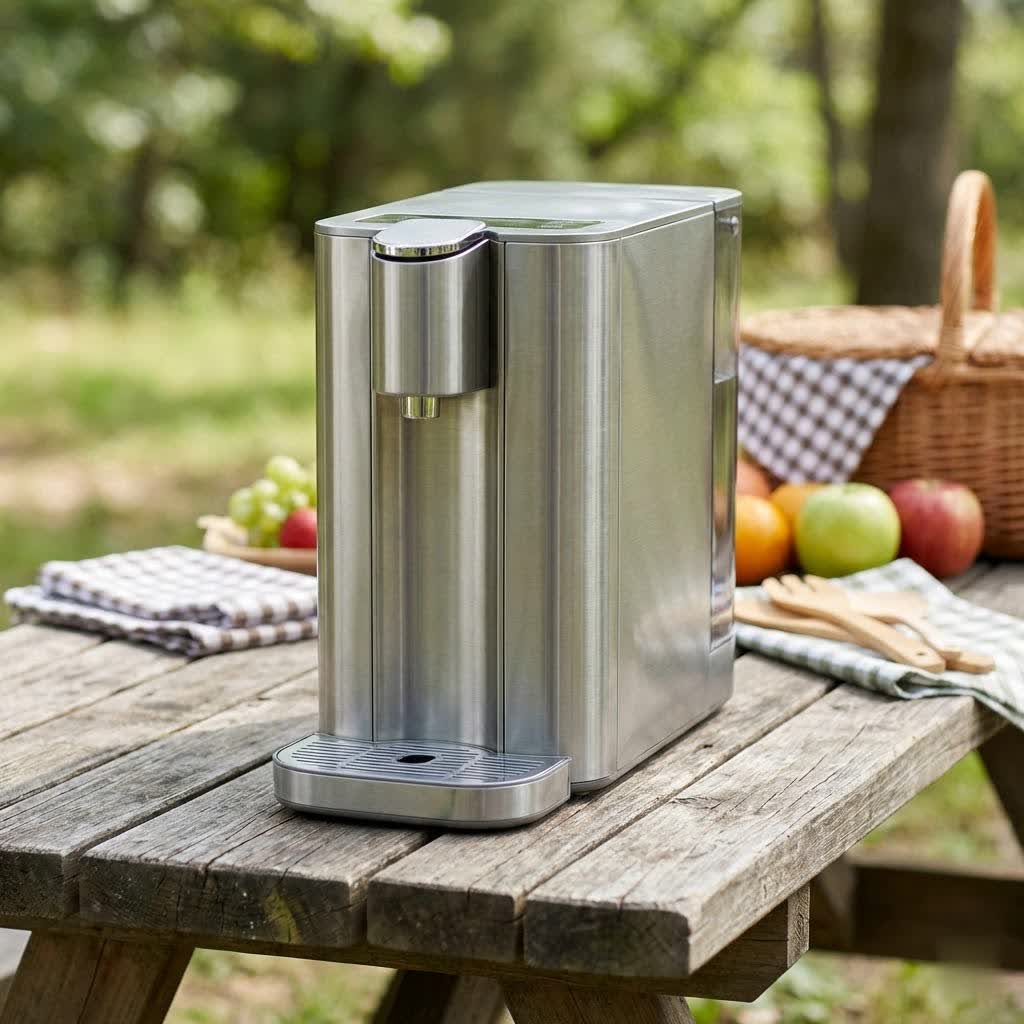
Access to clean, safe water is more than a convenience in a commercial setting; it’s a foundational necessity impacting everything from employee well-being and customer satisfaction to operational efficiency and regulatory compliance. Whether you manage a bustling restaurant, a large office complex, a healthcare facility, or an industrial plant, the demands on your water supply are far greater than those of a typical household. Choosing the right commercial water purifier for your business can feel daunting, given the vast array of technologies and factors to consider. This guide aims to demystify the process, exploring the various types of purification systems, key selection criteria, and essential maintenance practices to ensure your establishment provides consistently high-quality water.
Understanding Commercial Water Purifier Systems
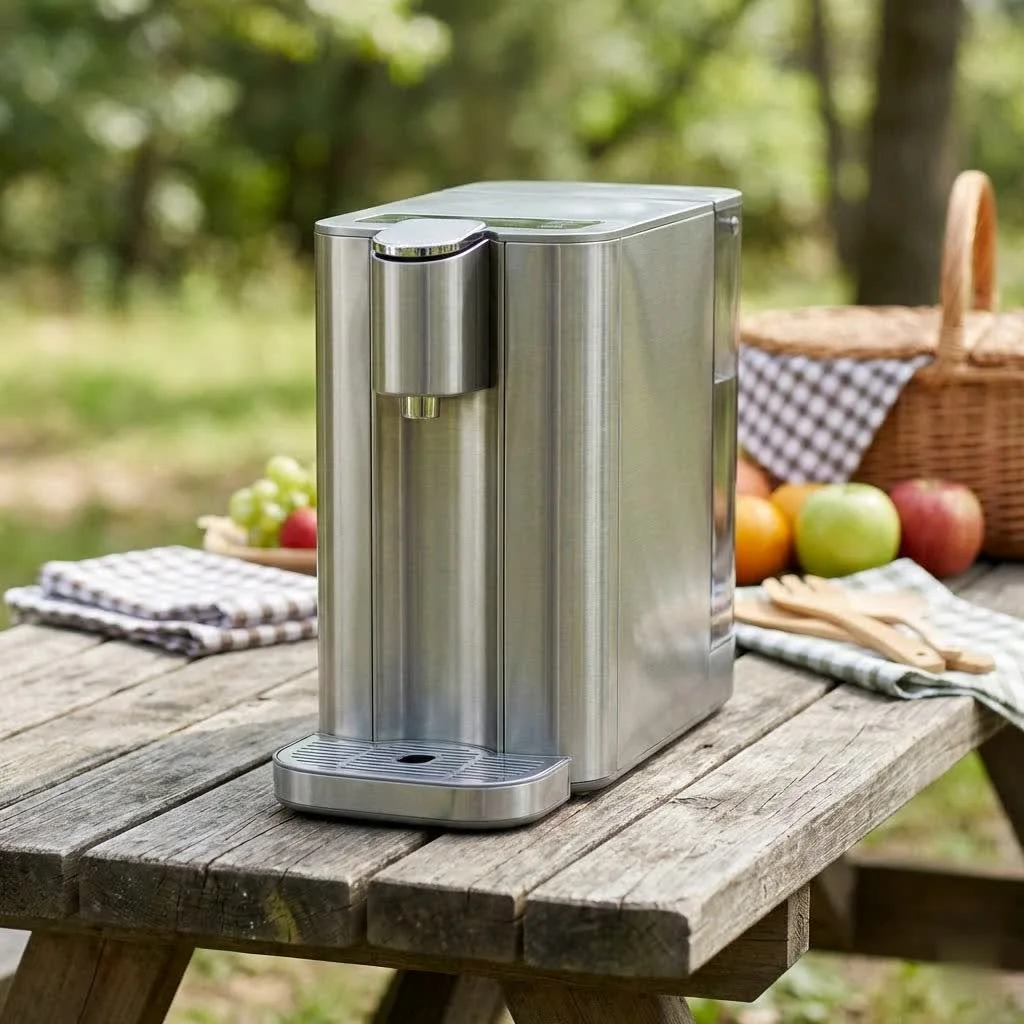
Commercial water purification systems are specifically engineered to handle significantly larger volumes of water and maintain a consistent output throughout the day, unlike their residential counterparts. These high-capacity purifiers are critical for environments with high footfall, continuous water demand, or where water quality varies widely due to the source, such as borewells or tanker supplies. Ensuring advanced filtration and consistently delivering safe, great-tasting water in high volumes is not just about hygiene; it’s an investment in long-term quality, compliance, and care. These systems must also meet stringent health codes and regulatory standards that residential filters do not typically encounter.
Common Types of Commercial Water Purification Technologies
The world of commercial water purification offers a diverse range of technologies, each with unique strengths suited to specific water challenges. Often, the most effective commercial solutions integrate multiple filtration stages to tackle a broad spectrum of contaminants.
Reverse Osmosis (RO)
Reverse Osmosis is a highly effective purification method that forces water through a semi-permeable membrane, removing a wide range of dissolved solids, heavy metals, bacteria, viruses, and chemical contaminants. It is particularly ideal for environments dealing with high levels of Total Dissolved Solids (TDS) in their water supply.
- Pros: Exceptional contaminant removal (up to 99% of impurities), significantly reduces TDS, and improves water taste and odor.
- Cons: Slower filtration process, produces a significant amount of wastewater, higher upfront and ongoing maintenance costs compared to some other methods, and can strip essential minerals if not complemented with a re-mineralization stage.
- Best for: High-TDS water sources, industrial applications, laboratories, and businesses requiring extremely pure water for specialized processes or beverages.
Ultraviolet (UV) Purification
UV purification systems use ultraviolet light to effectively neutralize bacteria, viruses, and other harmful microorganisms by disrupting their DNA. This method offers a chemical-free approach to disinfection.
- Pros: Fast and efficient disinfection without the use of chemicals, requires minimal maintenance, and does not alter the taste or odor of the water.
- Cons: Does not remove dissolved solids, chemicals, particulates, or improve water clarity. It is primarily a disinfectant and often requires pre-filtration to remove larger particles that could shield microorganisms from UV light.
- Best for: Municipal water supplies that are generally low in TDS but may have microbial concerns, or as a final disinfection stage in multi-stage systems.
Ultrafiltration (UF)
|
Our Picks for the Best Water Purifier in 2026
As an Amazon Associate I earn from qualifying purchases.
|
||
| Num | Product | Action |
|---|---|---|
| 1 | Mate 3 Countertop Reverse Osmosis Water Filter System, 8 Stage Purification, 3:1 Pure to Drain, No Installation Required, Smart Sensor Water Dispensing, Reduce TDS, RO Water Purifier |

|
| 2 | AquaTru Carafe Countertop Water Purifier - Compact 4-Stage Reverse Osmosis System with Glass Carafe Removes 84 Contaminants Including Forever Chemicals, Lead & Fluoride - No Plumbing |
|
| 3 | Waken Electric C11S Reverse Osmosis Water Filtration System Countertop 180oz Water Tank 4:1 Pure to Drain 8 Stage RO Filter No Installation for Home Apartment Condo RV |
|
| 4 | Vortopt Carbon Block Water Filter for Sink Faucet,NSF/ANSI 42 Certified Faucet Water Filter,with Display & 400 Gallon Capacity. |
|
| 5 | Brita UltraMax Large Water Dispenser with 1 BritaPlus Filter, 27 Cup Capacity, Black (Package May Vary) |
|
| 6 | Brita Hub Compact Instant Powerful Countertop Water Filter System, Reduces 70+ Contaminants, 9 Cup Water Reservoir, Includes 6 Month Carbon Block Filter, White, 87344 |
|
| 7 | ZeroWater 52-Cup Ready-Read 5-Stage Water Filter Pitcher Dispenser with 5-Stage 0 TDS Zero Water Filter – IAPMO Certified to Reduce Metals, Chlorine, Lead, Chromium, and Forever Chemicals PFOA/PFOS |
|
| 8 | 3 Stage RV Water Filter System, 0.2 Micron Taste Pure Water Filter with Compact 5 Inch for RV, 3-Stage High Flow Water Filter for RVs, Boats and Campers |
|
| 9 | ZeroWater 32-Cup 5-Stage Water Filter Dispenser with Instant Read Out - 0 TDS for Improved Tap Water Taste - IAPMO Certified to Reduce Lead, Chromium, and PFOA/PFOS |
|
| 10 | Brita UltraMax Large Water Dispenser With Standard Filter, BPA-Free, Reduces Copper, Cadmium and Mercury Impurities, Lasts 2 Months or 40 Gallons, Includes 1 Filter, Kitchen Accessories, Large 27-Cup |
|
Ultrafiltration utilizes a fine membrane with tiny pores to physically block and remove suspended solids, bacteria, cysts, and some viruses from water.
- Pros: Operates effectively without the need for electricity, making it an affordable and energy-efficient option. It’s excellent at removing microbial contaminants.
- Cons: Not effective against dissolved salts, heavy metals, or chemical contaminants.
- Best for: Water sources with low TDS levels but concerns regarding microbial contamination, and as a pre-treatment for other filtration systems.
Activated Carbon Filters
Activated carbon filters work by adsorbing contaminants onto the surface of activated carbon particles. This technology is widely used for improving water aesthetics.
- Pros: Highly effective at removing chlorine, sediment, volatile organic compounds (VOCs), pesticides, and organic impurities, significantly improving water taste and odor. They are generally affordable and easy to install.
- Cons: Do not effectively remove heavy metals, nitrates, or dissolved inorganic pollutants, and their effectiveness decreases as the carbon becomes saturated over time.
- Best for: Enhancing the taste and smell of tap water, and as a pre-filter to protect more advanced purification stages.
Sediment Filters
Sediment filters are often the first line of defense in a water purification system. They are designed to remove larger suspended particles from the water.
- Pros: Removes visible particles such as sand, silt, rust, and debris, protecting subsequent filtration stages from clogging and extending their lifespan.
- Cons: Only effective against physical impurities and cannot remove dissolved chemicals, bacteria, or viruses.
- Best for: Pre-filtration in almost any commercial water purification setup to improve the efficiency and longevity of other filters.
Ion Exchange / Water Softeners
Ion exchange systems, often used as water softeners, work by exchanging undesirable ions (like calcium and magnesium that cause hard water) with more desirable ones (like sodium).
- Pros: Prevents scale buildup in plumbing and appliances, improving their lifespan and efficiency. It significantly reduces water hardness.
- Cons: Does not remove bacteria, viruses, or many chemical contaminants, nor does it purify water for drinking purposes beyond softening.
- Best for: Protecting commercial equipment like coffee machines, dishwashers, and boilers from hard water damage.
Multi-Stage Filtration: The Hybrid Advantage
The most robust and comprehensive commercial water purification solutions often combine several technologies into a multi-stage system. For instance, a common setup might involve a sediment filter, followed by an activated carbon filter, then an RO membrane, and finally a UV lamp. This synergistic approach ensures a broad spectrum of contaminants—from large particles and chlorine to dissolved solids and microorganisms—are effectively removed, delivering superior water quality.
Key Criteria for Selecting a Commercial Water Purifier
Choosing the optimal commercial water purifier requires a careful assessment of several critical factors. A well-informed decision ensures both immediate and long-term benefits for your business.
Water Source and Quality Analysis
Before investing in any system, it’s paramount to understand your incoming water. Conduct a thorough water test to identify:
- Total Dissolved Solids (TDS) levels: High TDS (>500 PPM) often necessitates an RO system.
- Hardness: Indicates mineral content that can lead to scale.
- Microbial content: Presence of bacteria or viruses.
- Chemical contaminants: Chlorine, pesticides, heavy metals, etc.
The results will dictate the specific purification technologies required. For instance, municipal water with low TDS but biological concerns might be adequately addressed by a UV or UF system, whereas groundwater from a borewell typically demands the power of RO filtration.
Capacity and Flow Rate
Commercial establishments have unique water demands. You need to calculate:
- Daily purified water requirement: Based on the number of employees, customers, and specific operational needs (e.g., cooking, beverage dispensing, industrial processes).
- Peak usage times: Ensure the system can maintain adequate flow during periods of high demand to avoid bottlenecks.
Commercial purifiers are available in various capacities, from 50 Liters Per Hour (LPH) for smaller cafes to several thousand Gallons Per Day (GPD) for large industrial applications.
Filtration Technology
Prioritize purification technologies that directly address the contaminants identified in your water analysis. Advanced, multi-stage systems offering a combination of technologies (e.g., sediment, carbon, RO, UV) generally provide the most comprehensive protection. Look for systems that are designed for continuous, high-volume use without compromising on quality or performance.
Material Quality and Durability
Commercial systems are an investment, so opt for purifiers constructed with high-quality, durable, and food-grade materials. Robust construction ensures longevity, withstands heavy usage, and prevents potential health hazards from material degradation.
Brand Reputation and Support
Select a reputable brand with extensive industry experience, a strong track record, and positive customer feedback. A reliable manufacturer will offer comprehensive warranties, readily available spare parts, and responsive after-sales service and technical support. This minimizes downtime and ensures peace of mind.
Total Cost of Ownership
Beyond the initial purchase price, consider the total cost of ownership (TCO). This includes:
- Filter replacement costs: Regular replacement is crucial, and filter prices vary.
- Maintenance and servicing expenses: Scheduled professional maintenance.
- Energy consumption: Especially for RO systems which require electricity.
Sometimes, a higher upfront cost for a more efficient and durable system can lead to lower operating expenses over its lifespan.
Space and Installation Requirements
Evaluate the physical footprint of the purification system and the available space in your commercial facility. Some units are compact, while larger industrial systems might be skid-mounted and require dedicated space and specific plumbing infrastructure. Proper installation is key to optimal performance and longevity.
Compliance with Health and Safety Regulations
Ensure the chosen commercial water purifier complies with all local, national, and industry-specific health and safety regulations. Adherence to standards (e.g., NSF certifications) is crucial for avoiding regulatory issues and ensuring the safety of your water supply.
Smart Features and Monitoring
Modern commercial water purifiers increasingly incorporate smart technologies like IoT and AI. These features allow for real-time monitoring of water quality, filter lifespan, and system performance, offering a higher degree of control and ease for users. Remote monitoring capabilities can alert you to potential issues immediately, regardless of your facility’s location, helping predict problems and minimize downtime.
How to Buy the Right Commercial Water Purifier: A Step-by-Step Guide
Purchasing a commercial water purifier is a strategic decision. Follow these steps to ensure you make an informed choice that best serves your business needs.
-
Assess Your Specific Needs:
- Define Usage: What is the purified water primarily for? (e.g., drinking, cooking, ice making, specific industrial processes, laboratory use).
- Estimate Demand: How many people will use the water daily? What are your peak usage hours? This helps determine the required capacity (LPH or GPD).
- Set Budget: Establish a realistic budget that covers the initial purchase, installation, and ongoing maintenance.
-
Conduct Thorough Water Testing:
- This is the most critical first step. Obtain a detailed report of your raw water quality. Test for TDS, hardness, chlorine, heavy metals, bacteria, and other relevant contaminants specific to your region. The test results will precisely dictate the type and stages of filtration required.
-
Research Available Technologies and Brands:
- Based on your water test results, research purification technologies that effectively target the identified contaminants (e.g., RO for high TDS, UV for microbiological threats).
- Explore reputable manufacturers known for their commercial water purification systems. Look for brands with a track record of reliability and customer satisfaction in commercial applications.
-
Compare Features, Specifications, and Reviews:
- Scrutinize the technical specifications: purification capacity, number of filtration stages, filter life, energy consumption, and recovery rate (for RO systems).
- Check for relevant certifications (e.g., WQA, NSF) that validate performance and safety claims.
- Read reviews from other commercial users to gain insights into real-world performance, durability, and service quality.
-
Consult with Water Quality Experts:
- For complex water quality issues or large-scale industrial requirements, consult with a professional water treatment specialist. They can provide tailored recommendations, help you navigate options, and ensure compliance with industry-specific standards.
-
Purchase from Reputable Suppliers:
- Buy from authorized dealers, reputable distributors, or directly from the manufacturer. Ensure they provide transparent pricing, clear warranty terms, and reliable customer service. Avoid unverified sellers to prevent issues with product authenticity or support.
-
Inspect and Ensure Proper Installation:
- Upon delivery, inspect the product for completeness and any damage. Confirm that all accessories and the warranty card are included.
- Professional installation is highly recommended for commercial systems. Correct installation is crucial for optimal performance, system longevity, and to uphold warranty conditions. Ensure the installer explains the system’s operation and basic troubleshooting.
Essential Usage and Maintenance for Your Commercial Water Purifier
Proper usage and consistent maintenance are paramount to maximizing the efficiency, effectiveness, and lifespan of your commercial water purifier, while also ensuring the continuous delivery of safe drinking water.
Routine Filter Replacement
Filters are the workhorses of any purification system, and they eventually become saturated or clogged, losing their effectiveness. Adhere strictly to the manufacturer’s recommended replacement schedule for all filter cartridges, including:
- Pre-filters: Often need replacement every 3-6 months, or even monthly in areas with very high sediment.
- Activated carbon filters: Typically replaced every 1-3 years.
- RO membranes: Generally last 2-3 years but should be cleaned semi-annually.
Neglecting filter replacement can lead to reduced purification efficiency, poor water quality, increased energy consumption, and potential damage to other system components.
Regular Cleaning and Sanitization
Over time, organic and inorganic matter can accumulate on membranes and within the system, fostering microbial growth.
- Membrane Cleaning: Periodically clean RO membranes using specialized cleaning agents to remove scale and biofilm buildup. The frequency depends on feed water quality and usage.
- System Sanitization: Regularly sanitize the entire system, including storage tanks and distribution lines, to prevent bacterial or microbial contamination. Use a compatible disinfectant and follow the manufacturer’s guidelines carefully.
Inspecting for Leaks and Damage
Regularly inspect your water purification system for any signs of leaks or physical damage. Check pipes, valves, and fittings. Even small leaks can lead to water loss, reduce system efficiency, and potentially compromise water quality by allowing contaminants to enter. Address any identified issues promptly to prevent further damage and ensure optimal operation.
Monitoring Water Quality and System Performance
Consistent monitoring is vital for ensuring your system is performing as expected.
- Water Quality Testing: Periodically test the quality of the purified water for parameters such as pH, turbidity, TDS levels, and microbiological contaminants. This verifies the system’s effectiveness and helps detect any deviations.
- System Performance Metrics: Keep a log of key operational data such as flow rates, inlet/outlet pressures, and water temperature. Modern systems with smart features can provide real-time data and alerts, making monitoring easier and more precise. Tracking these metrics helps identify potential issues early on.
Creating a Preventative Maintenance Schedule
A proactive preventative maintenance strategy is crucial for avoiding unexpected breakdowns, costly repairs, and operational disruptions.
- Scheduled Servicing: Establish and strictly adhere to a comprehensive maintenance schedule, including regular inspections and servicing by qualified technicians.
- Spare Parts Inventory: Keep a stock of essential spare parts like filters, membranes, and seals to facilitate quick replacements and minimize downtime.
- Staff Training: Train your staff on basic daily checks and the importance of adhering to maintenance procedures to ensure consistency and efficiency.
- Maintenance Logs: Maintain detailed records of all maintenance activities, including dates, tasks performed, observations, and readings. This provides a valuable history for troubleshooting and future planning.
> “Investing in a commercial water purifier is a long-term commitment. Its performance and your return on investment are directly tied to diligent maintenance and a deep understanding of your water needs.” – Dr. Elena Petrova, Lead Water Quality Engineer
Conclusion
The quality of water in your commercial establishment is a direct reflection of your commitment to health, safety, and operational excellence. By carefully selecting a commercial water purifier that matches your specific needs and consistently adhering to proper usage and maintenance protocols, you are not just ensuring clean water; you are safeguarding your reputation, protecting your assets, and fostering a healthier environment for everyone. Make an informed decision, prioritize proactive care, and consult with experts to secure a reliable source of purified water for years to come.
What steps will you take to enhance your business’s water quality and secure its future today?
Frequently Asked Questions
What is the primary difference between a residential and commercial water purifier?
The primary difference lies in scale, capacity, and regulatory compliance. Commercial water purifiers are designed to handle significantly larger volumes of water, meet higher demand, and operate continuously, often requiring advanced filtration stages and robust construction. They must also comply with specific health codes and industry standards, which are typically not applicable to residential units.
How often should I test my commercial water supply?
It is recommended to perform an initial comprehensive water test before selecting and installing any commercial water purifier. Subsequently, regular monitoring of the purified water quality should be a part of your maintenance schedule. The frequency for full source water testing can depend on local regulations, changes in your water source, or if you notice any changes in water taste, odor, or clarity. Annual testing is a good baseline for many businesses.
Can a commercial RO system remove viruses and bacteria?
Yes, a properly maintained Reverse Osmosis (RO) system is highly effective at removing viruses, bacteria, and other microorganisms due to the extremely fine pores of its semi-permeable membrane. However, for an added layer of security, especially in critical applications like healthcare or food service, RO systems are often coupled with a UV (Ultraviolet) disinfection stage to ensure comprehensive microbial elimination.
What is TDS, and why is it important for commercial water purification?
TDS stands for Total Dissolved Solids, which refers to the concentration of dissolved inorganic and organic substances in water. These can include minerals, salts, metals, and ions. High TDS levels can affect the taste, odor, and even the appearance of water, and can also lead to scale buildup in equipment. For commercial applications, monitoring TDS is crucial as it indicates the overall purity and can guide the choice of filtration technology, with RO systems being ideal for reducing high TDS.
Are there eco-friendly commercial water purifier options?
Yes, the water purification industry is increasingly focused on sustainability. Eco-friendly options include systems with higher water recovery rates (reducing wastewater, particularly for RO systems), energy-efficient pumps, and longer-lasting, low-waste filter cartridges. Some systems also integrate smart technology to optimize performance and reduce resource consumption. When choosing, inquire about a system’s water-to-waste ratio and energy efficiency ratings.
Pet products vetted on real animals
Practical specs, not advice. Unsubscribe anytime.
