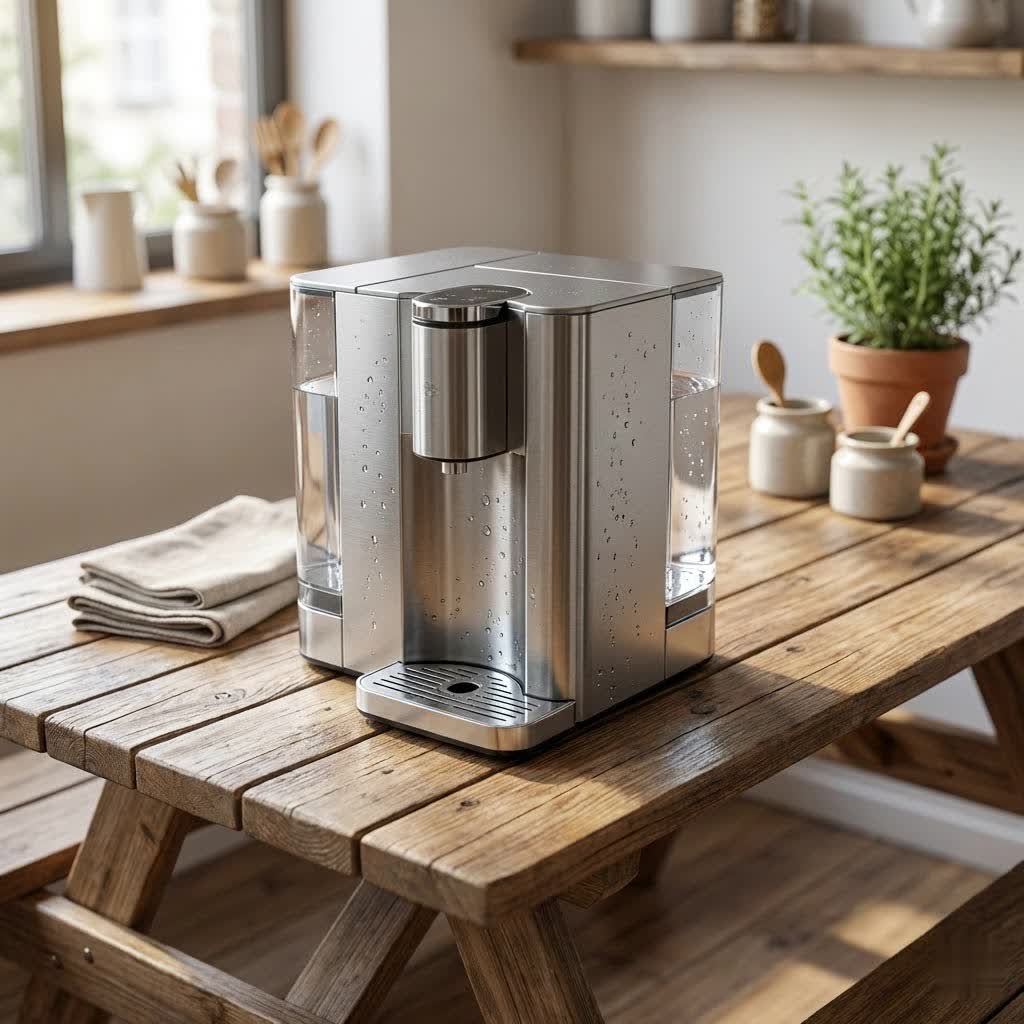
Ensuring your family has access to clean, safe drinking water is a top priority for every homeowner. With countless water purification options available, choosing the right system can feel overwhelming. You might have heard about “osmosis water purifiers” and are wondering if they are the solution for your home. While the term might seem new, it primarily refers to Reverse Osmosis (RO) systems – a highly effective technology that has revolutionized how we access purified water. This guide will walk you through everything you need to know about Reverse Osmosis water purifiers, from how they work to choosing, using, and maintaining them, ensuring you make an informed decision for your household’s health and well-being.
Common Types of Water Purifiers
The journey to pure water involves various technologies, each with unique strengths and applications. Understanding these differences is key to selecting a system that perfectly matches your household’s needs and water quality challenges. Among the most advanced and comprehensive options, Reverse Osmosis (RO) stands out for its ability to tackle a broad spectrum of contaminants. For browse all home articles on this site.
Reverse Osmosis systems work by pushing water through a semi-permeable membrane under pressure, effectively separating pure water from impurities. This process is renowned for its high efficiency in removing dissolved solids, heavy metals, and microscopic particles. Beyond RO, other popular water purification methods include:
- Activated Carbon Filters: These filters utilize a block or granular form of carbon to adsorb contaminants, excelling at removing chlorine, odors, and improving taste. They are effective against Volatile Organic Compounds (VOCs) but typically do not remove dissolved minerals or heavy metals.
- Sediment Filters: Often serving as a pre-filter in multi-stage systems, sediment filters physically block larger particles like dirt, rust, and sand from entering your water supply. They protect subsequent, finer filters from clogging.
- Ultraviolet (UV) Purifiers: UV systems use UV light to neutralize bacteria, viruses, and other pathogens by disrupting their DNA. While highly effective for microbial disinfection, UV light alone does not remove chemical contaminants, sediments, or dissolved solids, making it an ideal companion to other filtration methods.
- Ultrafiltration (UF) Purifiers: UF membranes have slightly larger pores than RO membranes, allowing minerals to pass through while still effectively removing bacteria, viruses, and larger suspended solids. UF systems typically don’t remove dissolved salts or very small dissolved organic molecules.
- Ion Exchange Filters: These systems are primarily used to soften water by replacing hard minerals (like calcium and magnesium) with sodium ions. While not a primary purification method for a wide range of contaminants, they are crucial in areas with hard water.
Each technology offers distinct advantages and limitations regarding purification effectiveness, cost, and maintenance. For instance, while a carbon filter improves taste and odor economically, an RO system offers a far more comprehensive purification, tackling impurities that others cannot.
Criteria for Choosing a Water Purifier
Selecting the ideal water purifier for your home requires careful consideration of several critical factors. By evaluating your specific circumstances and preferences, you can ensure your chosen system delivers the purest water efficiently and reliably.
The journey begins with understanding your raw water source. Is your home supplied by municipal tap water, or do you rely on well water? City water is generally free of pathogenic bacteria but may contain chlorine, fluoride, and various dissolved solids. Well water, however, can harbor a wider array of contaminants, including pathogens, heavy metals, and agricultural chemicals, often necessitating more robust pre-treatment alongside an RO system.
Next, assess your family’s filtration capacity needs. How many people are in your household, and how much purified water do you consume daily? RO systems are often rated by Gallons Per Day (GPD), indicating their production capacity. Consider your daily drinking, cooking, and appliance needs (like ice makers and coffee machines) to match the system’s output to your demand.
The filtration technology is paramount. Reverse Osmosis is highly favored for its ability to remove up to 99% of dissolved impurities, including heavy metals, salts, and even microscopic contaminants. Look for systems that combine RO with pre-filters (sediment and carbon) and post-filters for comprehensive purification and improved taste. For microbiologically unsafe water, combining RO with UV disinfection offers an additional layer of protection.
The quality of materials used in the purifier directly impacts its durability and the safety of your drinking water. Opt for systems made with food-grade, BPA-free plastics and robust components to ensure longevity and prevent any leaching of harmful substances into your purified water. Reputable brands often highlight their material quality and adherence to safety standards.
Brand and reputation play a significant role in trust and reliability. Established manufacturers with a history of positive customer reviews and strong after-sales support often indicate a dependable product. A good warranty and accessible customer service can provide peace of mind throughout the lifespan of your water purifier.
Finally, cost is always a factor, encompassing not just the initial purchase price but also ongoing expenses. This includes the cost of replacement filters, membranes, and potential maintenance. While RO systems might have a higher upfront investment compared to simpler filters, they can offer long-term savings by reducing reliance on bottled water and preventing appliance damage from mineral buildup.
Comparison of Popular Water Purifier Technologies
Choosing the right water purification system depends heavily on understanding the strengths and weaknesses of different technologies. Below is a comparative overview to help you weigh your options.
| Purifier Type | Mechanism | Key Contaminants Removed | Pros | Cons | Typical Cost Range (System + Maintenance) |
|---|---|---|---|---|---|
| Reverse Osmosis (RO) | Pressure forces water through a semi-permeable membrane, separating pure water from dissolved solids and impurities. | Dissolved salts, heavy metals, nitrates, fluoride, PFAS, VOCs, sediment, chlorine, many bacteria/viruses. | Highly effective (up to 99% contaminant removal), improves taste/odor, reduces bottled water waste, protects appliances. | Removes beneficial minerals, can waste water (though efficiency is improving), slower production (requires storage tank), higher initial cost and maintenance. | Moderate to High |
| Activated Carbon | Adsorption: Carbon’s porous surface traps impurities. | Chlorine, chloramines, VOCs, pesticides, herbicides, bad tastes, odors. | Improves taste and odor significantly, relatively inexpensive, easy to install. | Does not remove dissolved minerals, heavy metals, or microscopic organisms effectively; requires regular filter changes. | Low to Moderate |
| UV (Ultraviolet) | UV light neutralizes DNA of bacteria, viruses, and other microorganisms. | Bacteria, viruses, protozoa. | Chemical-free disinfection, no impact on water taste/odor, low maintenance for bulb replacement. | Does not remove sediments, chemicals, dissolved solids, or heavy metals; requires pre-filtration; water must be clear for effectiveness. | Moderate |
| Ultrafiltration (UF) | Water passes through a hollow fiber membrane with tiny pores (larger than RO). | Bacteria, viruses, suspended solids, colloids, some large organic molecules. | Retains beneficial minerals, no wastewater, good flow rate, effective against microorganisms. | Does not remove dissolved salts, heavy metals, or very small dissolved organic compounds. | Moderate |
| Sediment Filter | Physical barrier traps larger suspended particles. | Sand, silt, dirt, rust, larger particles. | Protects other filters from clogging, extends system lifespan, inexpensive. | Only removes large particles; no effect on dissolved contaminants, chemicals, bacteria, or viruses. | Very Low |
“The choice of water purifier technology should always be guided by a thorough understanding of your specific water quality and household requirements. A comprehensive water test is the first, crucial step.” – John Woodard, Master Water Specialist
Water Purifier Buying Guide
Navigating the market for a water purifier can be complex, but a structured approach simplifies the process, ensuring you find a system that truly meets your needs.
Determine Your Needs
|
Our Picks for the Best Water Purifier in 2026
As an Amazon Associate I earn from qualifying purchases.
|
||
| Num | Product | Action |
|---|---|---|
| 1 | Waken Electric C11S Reverse Osmosis Water Filtration System Countertop 180oz Water Tank 4:1 Pure to Drain 8 Stage RO Filter No Installation for Home Apartment Condo RV |

|
| 2 | Brita UltraMax Large Water Dispenser With Standard Filter, BPA-Free, Reduces Copper, Cadmium and Mercury Impurities, Lasts 2 Months or 40 Gallons, Includes 1 Filter, Kitchen Accessories, Large 27-Cup |
|
| 3 | Vortopt Carbon Block Water Filter for Sink Faucet,NSF/ANSI 42 Certified Faucet Water Filter,with Display & 400 Gallon Capacity. |
|
| 4 | Brita Hub Compact Instant Powerful Countertop Water Filter System, Reduces 70+ Contaminants, 9 Cup Water Reservoir, Includes 6 Month Carbon Block Filter, White, 87344 |
|
| 5 | Brita UltraMax Large Water Dispenser with 1 BritaPlus Filter, 27 Cup Capacity, Black (Package May Vary) |
|
| 6 | ZeroWater 52-Cup Ready-Read 5-Stage Water Filter Pitcher Dispenser with 5-Stage 0 TDS Zero Water Filter – IAPMO Certified to Reduce Metals, Chlorine, Lead, Chromium, and Forever Chemicals PFOA/PFOS |
|
| 7 | 3 Stage RV Water Filter System, 0.2 Micron Taste Pure Water Filter with Compact 5 Inch for RV, 3-Stage High Flow Water Filter for RVs, Boats and Campers |
|
| 8 | AquaTru Carafe Countertop Water Purifier - Compact 4-Stage Reverse Osmosis System with Glass Carafe Removes 84 Contaminants Including Forever Chemicals, Lead & Fluoride - No Plumbing |
|
| 9 | Mate 3 Countertop Reverse Osmosis Water Filter System, 8 Stage Purification, 3:1 Pure to Drain, No Installation Required, Smart Sensor Water Dispensing, Reduce TDS, RO Water Purifier |
|
| 10 | ZeroWater 32-Cup 5-Stage Water Filter Dispenser with Instant Read Out - 0 TDS for Improved Tap Water Taste - IAPMO Certified to Reduce Lead, Chromium, and PFOA/PFOS |
|
Start by identifying your specific water quality concerns. A professional water test is highly recommended to understand the contaminants present in your water, whether it’s heavy metals, chlorine, high Total Dissolved Solids (TDS), or microbial issues. Also, consider your daily water consumption habits and the number of people in your household to gauge the required filtration capacity. to factor in your budget, including both the initial purchase and ongoing maintenance costs.
Research Products
Once you know your needs, examine researching various water purifier types, technologies, and brands. Focus on Reverse Osmosis if you need comprehensive removal of dissolved solids and chemical contaminants. Explore systems that integrate multiple stages, such as sediment, carbon, and RO membranes, potentially with a UV stage for added microbial protection. Pay attention to product specifications, certifications (like WaterSense for efficiency), and customer reviews to gather insights into real-world performance and reliability.
Compare and Choose
With your research complete, compare suitable products based on the criteria you established. Look at factors like GPD (Gallons Per Day) rating for flow rate, waste-to-pure water ratio for efficiency, filter lifespan, and warranty terms. Consider features like permeate pumps or booster pumps if you have low water pressure or want to maximize efficiency. Evaluate the long-term cost of ownership, including filter replacement frequency and expenses.
Buy from Reputable Sources
Always purchase your water purifier from reputable retailers, certified dealers, or directly from the manufacturer’s official website. This ensures you receive an authentic product, valid warranty, and access to reliable customer support. Be wary of unusually low prices from unverified sellers, as these might indicate counterfeit or substandard products.
Inspect the Product
Upon delivery or purchase, carefully inspect the product before installation. Check for any signs of damage, ensure all components and accessories are included, and verify that the model matches your order. Confirm the presence of a warranty card and detailed instruction manual.
Installation and Use
Read the instruction manual thoroughly before attempting installation or use. Many under-sink RO systems are designed for DIY installation, but proper setup is crucial for optimal performance and to prevent leaks. If you’re uncomfortable with the installation, consider hiring a certified plumber or water treatment specialist, especially for complex whole-house systems. Follow the manufacturer’s guidelines for initial flushing and start-up procedures.
How to Use and Maintain a Reverse Osmosis Water Purifier
A Reverse Osmosis (RO) water purifier is a significant investment in your family’s health, and proper usage and diligent maintenance are essential to ensure its long-term effectiveness and extend its lifespan. Neglecting these aspects can lead to decreased water quality, system malfunctions, and costly repairs.
Proper Usage for Optimal Performance
Using your RO system correctly begins with understanding its design. Most residential RO systems are Point-of-Use (POU) installations, typically under a kitchen sink, delivering purified water through a dedicated faucet. These systems produce water slowly, usually requiring a storage tank to hold purified water for on-demand use. Allow the storage tank to fill completely after installation or extensive use to ensure consistent water pressure and volume at your RO faucet. Avoid frequently draining the tank entirely, as this can put unnecessary stress on the system and temporarily reduce flow.
For areas with very hard water or high sediment, it’s crucial to have appropriate pre-treatment, such as a water softener or robust sediment filtration, before the water reaches your RO system. This protects the delicate RO membrane from scaling and clogging, which are common causes of premature membrane failure. Always use your RO system with potable water—it’s not designed to treat microbiologically unsafe water without an additional UV disinfection stage.
Regular Filter and Membrane Replacement
The heart of an RO system’s effectiveness lies in its multi-stage filtration, and each component has a finite lifespan. Adhering to a strict replacement schedule is non-negotiable for maintaining optimal water quality.
- Pre-filters and Post-filters: The sediment and carbon pre-filters typically need replacement every 6 to 12 months, depending on your water quality and usage volume. These filters protect the RO membrane by removing larger particles and chlorine. The post-carbon filter, which polishes the taste of the stored water, also usually requires replacement within this timeframe.
- RO Membrane: The RO membrane is the most crucial, and often the most expensive, component. It generally lasts between 2 to 3 years, but this can vary based on incoming water quality and system usage. You can monitor your membrane’s performance by periodically checking the Total Dissolved Solids (TDS) levels of your RO water compared to your tap water. When the RO water’s TDS reaches 30-35% of the tap water’s TDS, it’s a strong indicator that the membrane needs replacing.
Ignoring filter and membrane replacement can lead to:
- Reduced contaminant removal efficiency.
- Unpleasant tastes and odors in your purified water.
- Damage to the RO membrane, leading to costly replacements.
- Potential microbial growth in stagnant filters or tanks.
Cleaning and System Maintenance
Beyond filter changes, regular checks and occasional sanitization will keep your system performing at its best.
- Check Storage Tank Pressure: Periodically, ensure your RO storage tank maintains a pressure of 7-8 psi when empty. Incorrect pressure can affect the amount and flow of water dispensed.
- Inspect for Leaks and Corrosion: Regularly check all connections, tubing, and the system housing for any signs of leaks or corrosion. Address any issues promptly to prevent water damage and maintain system integrity.
- System Sanitization: It’s a good practice to sanitize your entire RO system, including the storage tank, annually or whenever you replace the RO membrane. Follow the manufacturer’s instructions for sanitizing solutions to prevent bacterial growth within the system.
- Protect from Freezing: If your RO system is installed in an area prone to freezing temperatures (like a garage or basement), insulate it or relocate it to prevent damage to components.
- Monitor Water Flow and Quality: A noticeable drop in water flow from your RO faucet or any change in taste/odor usually signals that maintenance is needed. Don’t delay addressing these issues.
By adhering to these usage and maintenance guidelines, you can ensure your Reverse Osmosis water purifier consistently provides your family with pure, refreshing, and safe drinking water for years to come.
Conclusion
Choosing the right water purification system is an investment in your family’s health and well-being, and Reverse Osmosis (RO) purifiers stand out as a highly effective solution. They utilize advanced membrane technology to remove up to 99% of dissolved solids, heavy metals, and a wide array of chemical and biological contaminants, ensuring access to exceptionally clean and great-tasting water. While RO systems require an initial investment and diligent maintenance, including regular filter and membrane replacements, their long-term benefits in purity, taste, and reduction of plastic waste are undeniable.
By carefully considering your water source, family needs, and the specific contaminants you aim to remove, you can select an RO system that perfectly fits your home. to prioritize reputable brands, adhere to maintenance schedules, and explore efficiency-boosting add-ons like permeate pumps. With a well-chosen and properly maintained Reverse Osmosis water purifier, you’re not just buying a device; you’re securing a continuous source of pure, safe drinking water for your household. What steps will you take today to ensure your family enjoys the purest water tomorrow?
Frequently Asked Questions
What contaminants does a Reverse Osmosis (RO) water purifier remove?
A Reverse Osmosis system is highly effective at removing a vast array of contaminants, including dissolved salts, heavy metals (like lead, arsenic, and mercury), nitrates, fluoride, chlorine, pesticides, herbicides, PFAS, and VOCs. While RO membranes can block bacteria and viruses, additional UV purification is often recommended for microbiologically unsafe water.
Does RO water remove beneficial minerals?
Yes, Reverse Osmosis purifiers remove most dissolved minerals, including beneficial ones like calcium and magnesium, along with harmful contaminants. However, essential minerals are primarily absorbed through food, and RO water provides pure hydration without compromising your nutritional intake from a balanced diet. Some systems offer remineralization stages to reintroduce a balanced mineral content for taste.
How much water does an RO system waste?
Traditional RO systems can generate between 4 to 10 gallons of reject (wastewater) for every gallon of purified water produced. However, more efficient WaterSense labeled systems can reduce this to 2.3 gallons or less of reject water per gallon. Add-ons like permeate pumps can further reduce wastewater by 75-80%, and reject water can often be repurposed for non-drinking uses like gardening.
How often should I change filters in an RO system?
Typically, sediment and carbon pre-filters should be replaced every 6 to 12 months, depending on your water quality and usage. The main RO membrane usually lasts 2 to 3 years. It’s advisable to monitor your water’s TDS levels; if the RO water’s TDS rises to 30-35% of your tap water’s TDS, it’s time to replace the membrane.
Is a whole-house RO system necessary?
For most residential applications, a Point-of-Use (POU) RO system installed under the kitchen sink or connected to a refrigerator is sufficient. Whole-house (Point-of-Entry or POE) RO systems are significantly more complex, expensive, and waste a large amount of water. They are usually reserved for severe contamination issues in the entire water supply, such as very high arsenic or saltwater intrusion from a well, and often require extensive pre-treatment and a large storage tank.
Pet products vetted on real animals
Practical specs, not advice. Unsubscribe anytime.

We live in an area with pretty hard water, and I was tired of constantly descaling our kettle. After reading about how RO systems remove dissolved solids, I decided to invest in one. It’s made a noticeable difference not just in taste, but also in how clean our appliances stay. I appreciate the breakdown of different types of purifiers; it helped me confirm RO was the right choice for our specific hard water issue.
I’ve been using an RO system for about six months now, and the difference in our drinking water is incredible. Before, our tap water had a weird metallic taste, especially in the summer. Now, it’s perfectly clean and refreshing. The guide really helped me understand the maintenance schedule, which was my biggest concern initially.
This guide was super helpful in demystifying reverse osmosis. I was always confused about how they actually worked, but the explanation of the membrane filtration process made it click. We got a system last month, and our coffee tastes so much better now! It’s a small thing, but it really shows the quality of the water.
The reverse osmosis system definitely improved the taste of our water, which is great. My only complaint is the installation process was a bit more involved than I expected. I ended up needing to call a plumber for the final hook-up, even with the detailed instructions. It’s working well now, but just a heads up for anyone considering it.