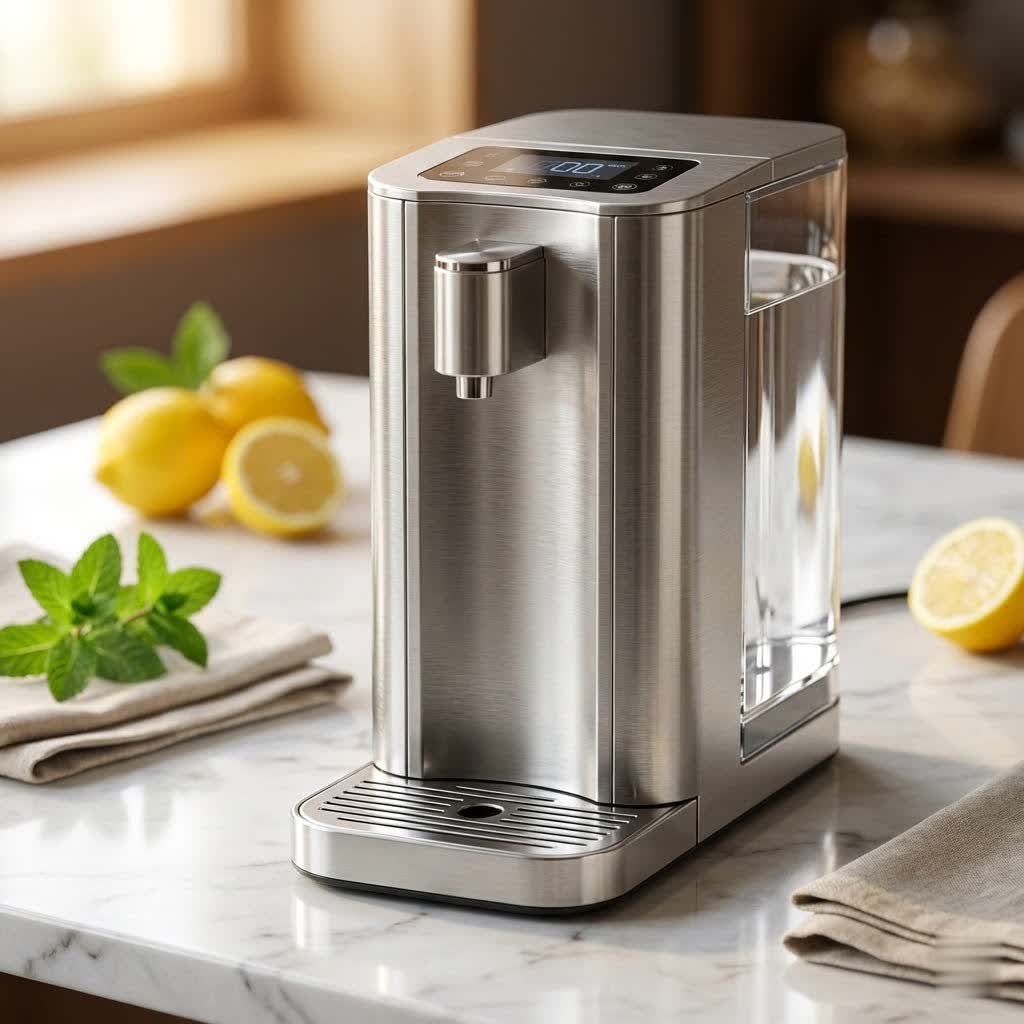
In a world increasingly conscious of health and environmental impact, the choice of a water purification system has become more critical than ever. Have you ever considered what your water purifier is made of, and how that impacts the quality of your drinking water? While plastic purifiers have long been common, a new standard is emerging: the stainless steel water purifier. These advanced systems offer unparalleled durability, hygiene, and superior filtration, ensuring every sip you take is pure and safe for your family. This comprehensive guide will explore why stainless steel water purifiers are quickly becoming the preferred choice for modern homes.
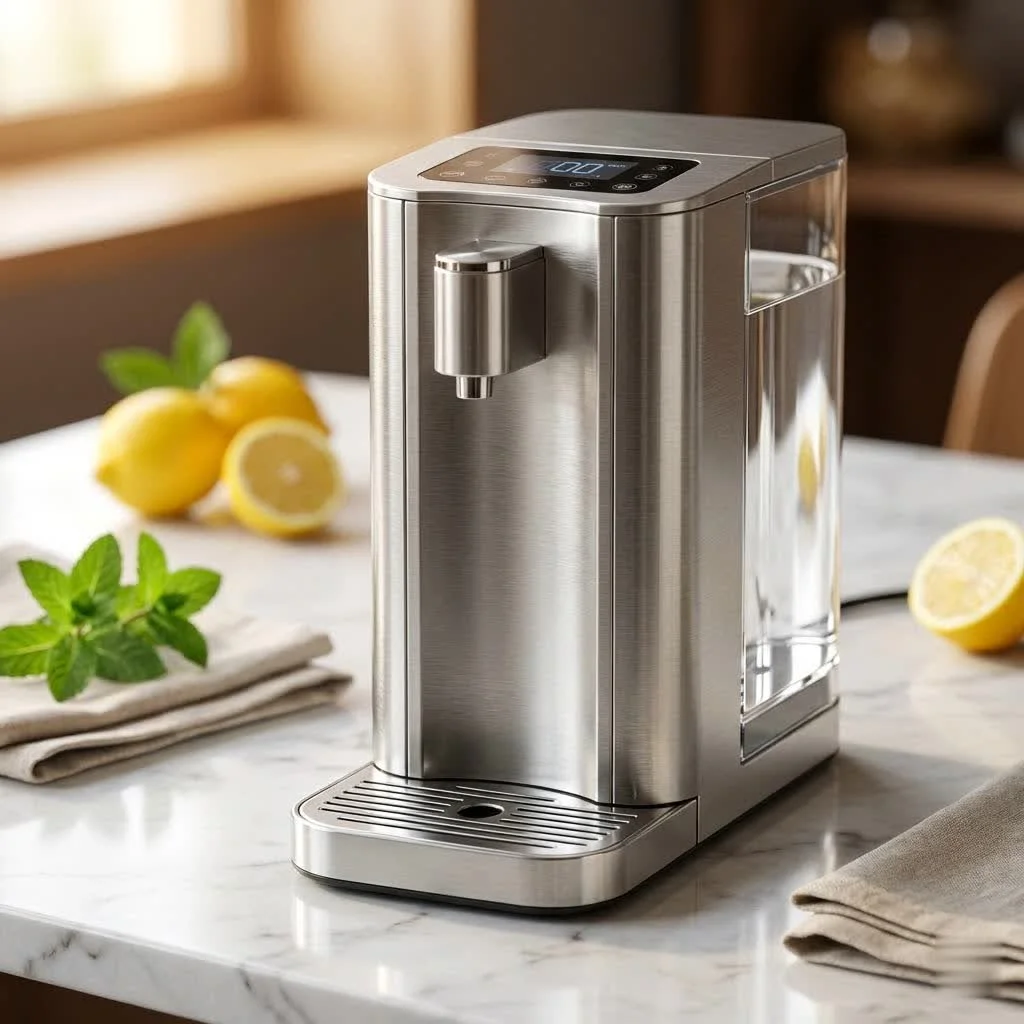
Why Choose a Stainless Steel Water Purifier?
Stainless steel water purifiers stand out for a multitude of reasons, primarily their robust construction and health-conscious design. They provide a reliable solution to ensure your drinking water remains pristine from purification to consumption. For explore our home reviews on this site.
Durability and Longevity
One of the most compelling advantages of stainless steel is its exceptional strength and resilience. Unlike plastic, which can degrade, crack, or become brittle over time, stainless steel can withstand significant impact, high water pressure, and temperature fluctuations without deforming or breaking. This inherent durability translates into a significantly longer lifespan for your water purifier, making it a cost-effective investment in the long run. Many brands offer extensive warranties on their stainless steel components, further underscoring their lasting quality.
Enhanced Hygiene and Safety
Plastic water tanks, especially when exposed to heat or UV rays, can potentially leach harmful chemicals like BPA into your purified water. This concern is virtually eliminated with food-grade stainless steel (commonly 304-grade), a material known for its inert properties. Stainless steel is also far less susceptible to bacterial infections and corrosion, offering a more hygienic storage solution. Its non-porous surface prevents the buildup of mold and bacteria, ensuring that your water remains truly pure after filtration.
Eco-Friendliness and Sustainability
For environmentally conscious households, stainless steel water purifiers are a clear winner. By choosing a system with stainless steel components, you significantly reduce your reliance on plastic, contributing to less plastic waste. Stainless steel is a highly recyclable material, and many stainless steel filter housings are designed to be reused with replaceable filter cartridges, further minimizing environmental impact. This sustainable approach aligns perfectly with a lifestyle focused on reducing ecological footprints.
Aesthetic Appeal and Ease of Maintenance
Beyond their functional benefits, stainless steel purifiers often boast a sleek, modern aesthetic that complements contemporary kitchen designs. They can look more like a piece of decor than a utilitarian appliance. The smooth surface of stainless steel is also remarkably easy to clean and maintain. A quick wipe-down with soap and water is typically all that’s needed to keep it looking pristine, free from water spots and fingerprints that can plague other materials.
Common Types of Water Purifier Technologies
|
Our Picks for the Best Water Purifier in 2026
As an Amazon Associate I earn from qualifying purchases.
|
||
| Num | Product | Action |
|---|---|---|
| 1 | 3 Stage RV Water Filter System, 0.2 Micron Taste Pure Water Filter with Compact 5 Inch for RV, 3-Stage High Flow Water Filter for RVs, Boats and Campers |

|
| 2 | ZeroWater 52-Cup Ready-Read 5-Stage Water Filter Pitcher Dispenser with 5-Stage 0 TDS Zero Water Filter – IAPMO Certified to Reduce Metals, Chlorine, Lead, Chromium, and Forever Chemicals PFOA/PFOS |
|
| 3 | Waken Electric C11S Reverse Osmosis Water Filtration System Countertop 180oz Water Tank 4:1 Pure to Drain 8 Stage RO Filter No Installation for Home Apartment Condo RV |
|
| 4 | Brita UltraMax Large Water Dispenser with 1 BritaPlus Filter, 27 Cup Capacity, Black (Package May Vary) |
|
| 5 | Brita UltraMax Large Water Dispenser With Standard Filter, BPA-Free, Reduces Copper, Cadmium and Mercury Impurities, Lasts 2 Months or 40 Gallons, Includes 1 Filter, Kitchen Accessories, Large 27-Cup |
|
| 6 | Vortopt Carbon Block Water Filter for Sink Faucet,NSF/ANSI 42 Certified Faucet Water Filter,with Display & 400 Gallon Capacity. |
|
| 7 | Mate 3 Countertop Reverse Osmosis Water Filter System, 8 Stage Purification, 3:1 Pure to Drain, No Installation Required, Smart Sensor Water Dispensing, Reduce TDS, RO Water Purifier |
|
| 8 | Brita Hub Compact Instant Powerful Countertop Water Filter System, Reduces 70+ Contaminants, 9 Cup Water Reservoir, Includes 6 Month Carbon Block Filter, White, 87344 |
|
| 9 | AquaTru Carafe Countertop Water Purifier - Compact 4-Stage Reverse Osmosis System with Glass Carafe Removes 84 Contaminants Including Forever Chemicals, Lead & Fluoride - No Plumbing |
|
| 10 | ZeroWater 32-Cup 5-Stage Water Filter Dispenser with Instant Read Out - 0 TDS for Improved Tap Water Taste - IAPMO Certified to Reduce Lead, Chromium, and PFOA/PFOS |
|
Stainless steel is primarily used for the housing, tanks, and sometimes the spigots of water purifiers, rather than the core filtration media itself. It can be integrated into various purification technologies to enhance their durability and hygiene.
- Reverse Osmosis (RO): RO systems use a semi-permeable membrane to remove dissolved solids, heavy metals, bacteria, and viruses. When paired with stainless steel storage tanks, RO systems ensure that the highly purified water does not come into contact with plastic during storage. However, it is important to note that many “stainless steel RO systems” may still feature plastic internal components, such as membranes and tubing.
- Ultrafiltration (UF): UF technology uses a hollow fiber membrane to remove suspended solids, bacteria, viruses, and other microorganisms, while typically retaining beneficial minerals. Stainless steel UF systems offer robust physical filtration within a durable, hygienic housing, making them effective for removing common contaminants like lead.
- Ultraviolet (UV) Purification: UV purifiers use UV light to sterilize water by deactivating bacteria and viruses. These systems are often incorporated as a stage in multi-filtration units that may also feature stainless steel components for water storage or pre-filtration housing.
- Gravity-Fed Filters: Popular countertop gravity-fed systems, such as those from Boroux or Berkey, frequently utilize dual stainless steel chambers. Water is poured into the upper chamber and slowly filters down into the lower chamber, dispensed via a stainless steel spigot. These systems are prized for their simplicity, durability, and often the option to add specialized filters for contaminants like fluoride.
Key Criteria for Selecting a Stainless Steel Water Purifier
Choosing the right stainless steel water purifier involves considering several factors to ensure it meets your specific needs and provides optimal water quality.
Source Water Quality
The first step is to understand your incoming water supply. Is it municipal tap water, well water, or borewell water? Different sources have varying levels of Total Dissolved Solids (TDS), hardness, and specific contaminants (e.g., chlorine, heavy metals, bacteria). Knowing your water quality will help you determine the appropriate filtration technology required.
Filtration Technology
Based on your source water, select a purifier with the right technology. For high TDS and a wide range of contaminants, an RO system with a stainless steel tank might be ideal. For bacteriological concerns, UF or UV stages are crucial. Gravity filters are excellent for general purification and emergency preparedness.
Capacity and Flow Rate
Consider the size of your household and your daily water consumption. Purifiers come with different purification capacities (liters per hour) and storage tank sizes. A larger family will need a higher capacity and possibly a larger storage tank to ensure a continuous supply of clean water.
Material Quality
Always look for food-grade stainless steel, typically 304-grade, which offers excellent corrosion resistance and hygiene. Verify that not just the tank, but also critical components like the faucet and any internal piping that comes into contact with purified water, are also stainless steel if a truly “plastic-free” experience is desired.
Brand Reputation and Warranty
Opt for reputable brands known for quality water purification products. Check customer reviews and the manufacturer’s warranty policies, especially for the stainless steel tank and main components. A good warranty indicates confidence in the product’s longevity.
Cost: Initial and Maintenance
While stainless steel purifiers might have a higher upfront cost than their plastic counterparts, their extended lifespan and reduced risk of issues often make them more cost-effective over time. Factor in the cost of replacement filters and potential annual maintenance to calculate the total cost of ownership.
Your Comprehensive Buying Guide
Navigating the market for a stainless steel water purifier can be daunting. Follow these steps to make an informed decision and invest in the best system for your home.
- Assess Your Needs: Determine your family size, daily water usage, and specific concerns about your local water quality. Do you need a countertop solution or an under-sink system?
- Research Technologies: Familiarize yourself with RO, UF, UV, and gravity filtration. Understand which technology best addresses your water’s contaminants and how stainless steel is integrated into these systems.
- Read Reviews and Compare Models: Look for independent reviews and comparisons of different stainless steel models. Pay attention to user experiences regarding water taste, ease of use, filter life, and customer service.
- Check for Certifications: Ensure the purifier and its components are certified by relevant authorities (e.g., NSF, WQA) for contaminant reduction and material safety. This validates the product’s performance claims.
- Consider Installation and Maintenance: Some systems require professional installation, while gravity filters are typically DIY-friendly. Understand the maintenance schedule, including filter replacement frequency and cost, and tank cleaning procedures.
- Purchase from Reputable Sources: Buy your stainless steel water purifier from authorized dealers, well-known appliance stores, or trusted online retailers to ensure product authenticity and warranty support.
- Inspect Your Product: Upon delivery, thoroughly inspect the unit for any damage and ensure all accessories and the warranty card are included before installation and use.
Maximizing Lifespan: Usage and Maintenance Tips
To ensure your stainless steel water purifier continues to provide clean, healthy water for years, proper usage and diligent maintenance are essential.
Regular Cleaning
While stainless steel is hygienic, periodic cleaning of the exterior housing and especially the internal storage tank is crucial to prevent the accumulation of scale or any potential biofilm. Follow the manufacturer’s instructions for cleaning, often involving mild soap and water.
Timely Filter Replacement
The effectiveness of any water purifier hinges on its filters. Adhere strictly to the recommended filter replacement schedule provided by the manufacturer. Overdue filter changes can reduce filtration efficiency, allow contaminants to pass through, and potentially damage the system. Keep spare filters on hand.
Professional Servicing
For complex RO or UF systems, consider scheduling annual professional servicing. Technicians can perform deeper cleaning, check for leaks, verify system pressure, and ensure all components are functioning optimally, thereby extending the purifier’s overall lifespan.
“Investing in a high-quality stainless steel water purifier is not just about clean water; it’s an investment in your family’s long-term health and a step towards a more sustainable lifestyle.” – Dr. Eleanor Vance, Environmental Health Specialist
Conclusion
Embracing a stainless steel water purifier marks a significant upgrade in your quest for pure, healthy drinking water. With their superior durability, unmatched hygiene, eco-friendly credentials, and sleek design, these systems offer a compelling alternative to traditional plastic options. By carefully considering your needs, researching available technologies, and committing to regular maintenance, you can ensure your home benefits from the safest, cleanest water possible. Ready to transform your drinking water experience? Which stainless steel water purifier will you choose to safeguard your family’s health?
Frequently Asked Questions
Are stainless steel water purifiers completely plastic-free?
While stainless steel purifiers minimize plastic contact, especially in storage tanks, many advanced filtration systems like RO still utilize plastic membranes, internal tubing, or connectors. It’s important to research specific models for the extent of plastic-free construction.
Can stainless steel purifiers remove all types of contaminants?
The ability of a stainless steel purifier to remove contaminants depends on the specific filtration technology it incorporates (e.g., RO, UF, UV, activated carbon). Multi-stage stainless steel systems are generally capable of removing a wide range of impurities, including chemicals, microbes, and sediments.
How long do stainless steel water purifiers typically last?
Stainless steel components themselves are highly durable and can last for many years, often exceeding a decade, due to their resistance to corrosion and physical damage. The lifespan of the entire system, however, will also depend on the maintenance of its internal filter cartridges and other operational parts.
Are stainless steel water purifiers suitable for both residential and commercial use?
Yes, due to their durability, hygienic properties, and sustainability, stainless steel water purifiers are an excellent choice for both domestic and commercial water purification applications. Various models are available to suit different capacity requirements.
Pet products vetted on real animals
Practical specs, not advice. Unsubscribe anytime.
