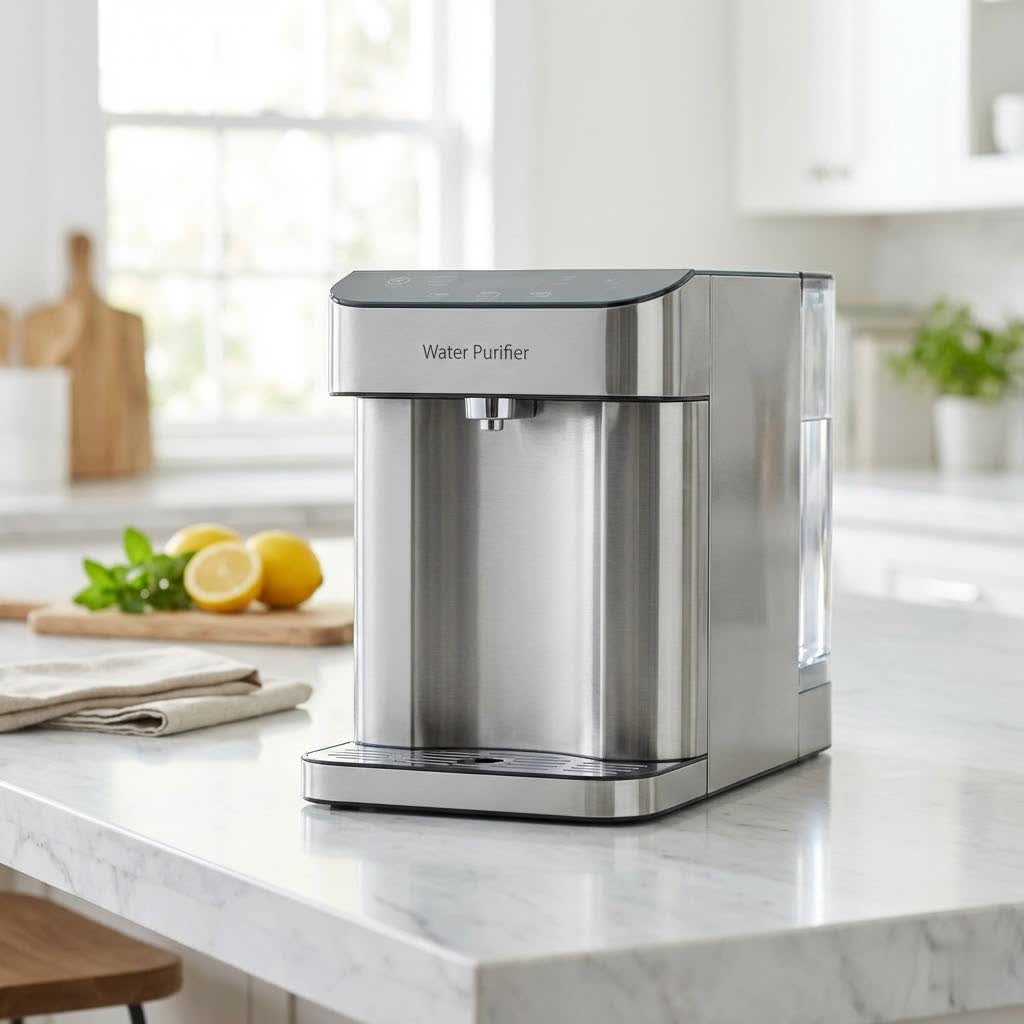
In an era where clean drinking water is no longer a given, ensuring the safety and purity of the water flowing from your tap is a paramount concern for many households. The thought of unseen contaminants, unpleasant tastes, or lingering odors in your daily hydration can be unsettling. Fortunately, modern water purifiers designed specifically for your sink offer an effective and convenient solution, transforming ordinary tap water into a reliable source of clean, great-ttasting water right in your kitchen.
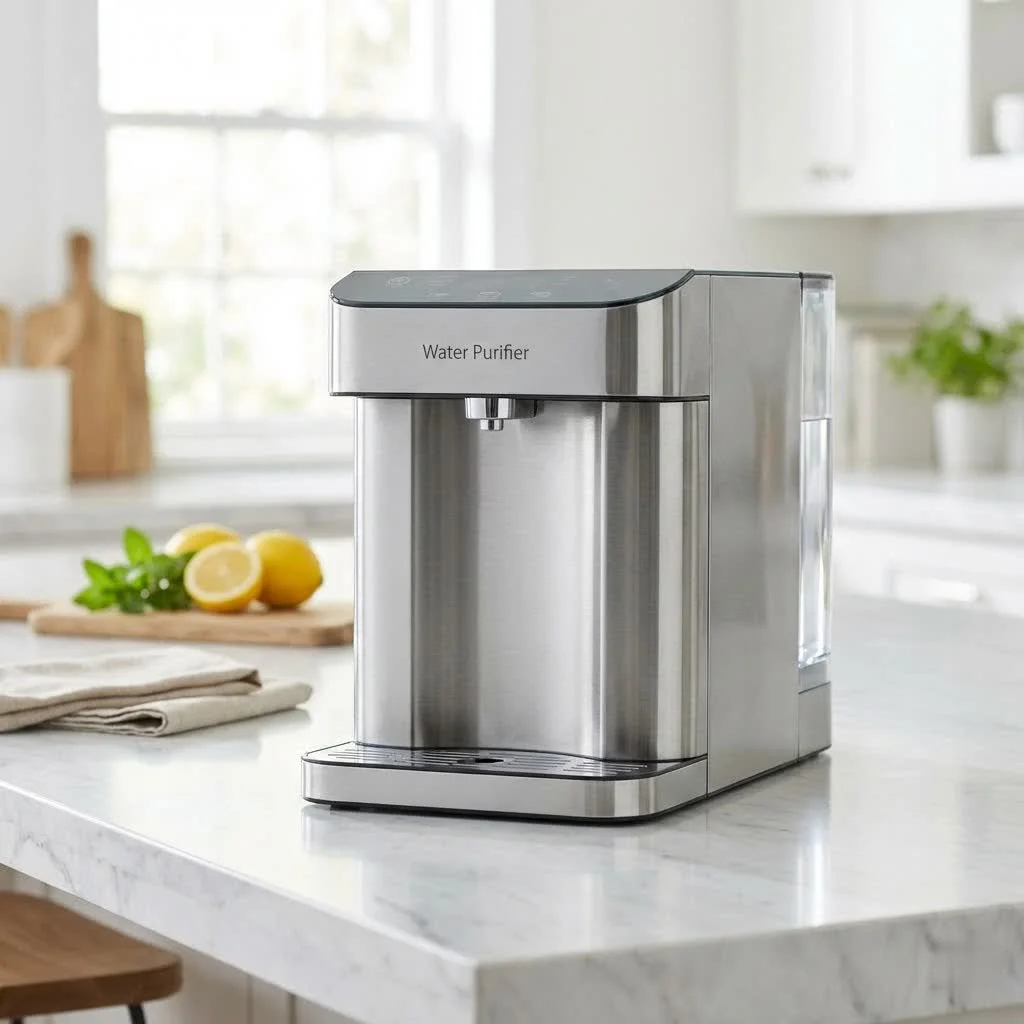
What is a Water Purifier for Your Sink?
A water purifier for your sink, commonly known as an under-sink water filter, is a filtration system installed discreetly beneath your kitchen or bathroom sink. These systems connect directly to your cold water line, purifying the water before it reaches your faucet. Unlike pitcher filters or faucet-mounted filters, under-sink units offer a more permanent and powerful filtration solution, providing a continuous supply of clean water without cluttering your countertop. They typically dispense purified water through a dedicated faucet, offering immediate access to enhanced water quality for drinking and cooking.
Popular Types of Water Purifiers for Sinks
The market offers various filtration technologies, each designed to tackle different types of contaminants. Understanding these can help you select the best system for your home’s unique water needs.
Activated Carbon Filters
Activated carbon filters are a widely adopted technology, renowned for their effectiveness in improving water aesthetics. They work by trapping and absorbing impurities as water flows through a bed of activated carbon. These filters are excellent at removing chlorine, sediment, volatile organic compounds (VOCs), and other chemicals that cause unpleasant tastes and odors. While highly effective for aesthetic improvements, their efficacy against heavy metals and dissolved minerals is generally limited.
Reverse Osmosis (RO) Systems
Reverse osmosis systems represent a pinnacle in water purification technology. These advanced units force water under pressure through a semi-permeable membrane, which has pores so fine that it can block particles as small as a single atom. RO systems are exceptionally effective at removing a comprehensive range of contaminants, including heavy metals like lead and arsenic, fluoride, nitrates, PFAS (per- and polyfluoroalkyl substances), microplastics, bacteria, viruses, and total dissolved solids (TDS). While they offer superior purification, RO systems can have a slower flow rate and produce some wastewater during the filtration process. Many modern RO systems incorporate multiple stages, often including activated carbon pre-filters and post-filters to enhance taste and ensure comprehensive contaminant removal.
Ceramic Filters
|
Our Picks for the Best Water Purifier in 2026
As an Amazon Associate I earn from qualifying purchases.
|
||
| Num | Product | Action |
|---|---|---|
| 1 | 3 Stage RV Water Filter System, 0.2 Micron Taste Pure Water Filter with Compact 5 Inch for RV, 3-Stage High Flow Water Filter for RVs, Boats and Campers |

|
| 2 | Brita Hub Compact Instant Powerful Countertop Water Filter System, Reduces 70+ Contaminants, 9 Cup Water Reservoir, Includes 6 Month Carbon Block Filter, White, 87344 |
|
| 3 | Waken Electric C11S Reverse Osmosis Water Filtration System Countertop 180oz Water Tank 4:1 Pure to Drain 8 Stage RO Filter No Installation for Home Apartment Condo RV |
|
| 4 | ZeroWater 32-Cup 5-Stage Water Filter Dispenser with Instant Read Out - 0 TDS for Improved Tap Water Taste - IAPMO Certified to Reduce Lead, Chromium, and PFOA/PFOS |
|
| 5 | Mate 3 Countertop Reverse Osmosis Water Filter System, 8 Stage Purification, 3:1 Pure to Drain, No Installation Required, Smart Sensor Water Dispensing, Reduce TDS, RO Water Purifier |
|
| 6 | Brita UltraMax Large Water Dispenser with 1 BritaPlus Filter, 27 Cup Capacity, Black (Package May Vary) |
|
| 7 | Brita UltraMax Large Water Dispenser With Standard Filter, BPA-Free, Reduces Copper, Cadmium and Mercury Impurities, Lasts 2 Months or 40 Gallons, Includes 1 Filter, Kitchen Accessories, Large 27-Cup |
|
| 8 | Vortopt Carbon Block Water Filter for Sink Faucet,NSF/ANSI 42 Certified Faucet Water Filter,with Display & 400 Gallon Capacity. |
|
| 9 | ZeroWater 52-Cup Ready-Read 5-Stage Water Filter Pitcher Dispenser with 5-Stage 0 TDS Zero Water Filter – IAPMO Certified to Reduce Metals, Chlorine, Lead, Chromium, and Forever Chemicals PFOA/PFOS |
|
| 10 | AquaTru Carafe Countertop Water Purifier - Compact 4-Stage Reverse Osmosis System with Glass Carafe Removes 84 Contaminants Including Forever Chemicals, Lead & Fluoride - No Plumbing |
|
Ceramic filters utilize a porous ceramic material to mechanically filter water. They are particularly effective at stopping bacteria, sediment, and certain parasites. The tiny pores in the ceramic act as a physical barrier, preventing larger microorganisms and particulate matter from passing through. However, ceramic filters typically do not remove chemical contaminants or dissolved solids, making them a specialized choice often used in conjunction with other filtration methods for broader protection.
UV Filters
Ultraviolet (UV) water purifiers use UV light to kill bacteria, viruses, and other pathogens by disrupting their DNA, rendering them unable to reproduce. While highly effective for disinfecting water from biological contaminants, UV filters do not remove chemical impurities, sediments, or improve taste and odor. They are often integrated into multi-stage filtration systems as a final purification step, particularly in areas where microbial contamination is a significant concern. Many high-end under-sink systems combine several of these technologies (e.g., sediment pre-filter, activated carbon, RO membrane, UV light) to provide multi-barrier protection against a wide spectrum of pollutants.
Why Choose a Water Purifier for Your Sink?
Opting for an under-sink water purifier offers numerous compelling advantages for your household’s health and convenience.
Superior Contaminant Removal
Under-sink systems, especially multi-stage and reverse osmosis units, provide significantly better filtration performance compared to simpler alternatives. They are designed to effectively remove a vast array of contaminants, from common culprits like chlorine and sediment to more insidious threats such as lead, heavy metals, PFAS, pesticides, pharmaceuticals, bacteria, and viruses. This comprehensive purification ensures that your family has access to the cleanest possible drinking water.
Convenience and On-Demand Access
Imagine having instant access to perfectly filtered water, directly from your tap, whenever you need it. Under-sink purifiers eliminate the need to constantly refill pitchers, wait for water to filter, or purchase expensive bottled water. This on-demand convenience makes preparing beverages, cooking, and staying hydrated effortless, seamlessly integrating into your daily routine.
Space-Saving Design
One of the most appealing aspects of an under-sink water purifier is its discreet design. Tucked away beneath your sink, these systems preserve your kitchen’s aesthetic appeal and free up valuable countertop space that might otherwise be occupied by bulky pitchers or countertop units. This hidden installation contributes to a cleaner, more organized kitchen environment.
Improved Taste and Odor
Beyond health benefits, a water purifier dramatically enhances the taste and odor of your tap water. By removing chlorine, sulfur, and other aesthetic impurities, these systems deliver crisp, clean-tasting water that is often comparable to, or even superior to, bottled varieties. This improvement can encourage greater water consumption, promoting better hydration for your entire family.
Economic and Environmental Benefits
Investing in an under-sink water purifier can lead to significant long-term savings. While the initial cost might be higher than that of pitcher or faucet filters, the cost per gallon of filtered water is substantially lower than continuously buying bottled water. Furthermore, by reducing reliance on single-use plastic bottles, you contribute positively to environmental sustainability, lessening plastic waste and its ecological footprint.
Key Factors to Consider When Choosing a Water Purifier for Sink
Selecting the right under-sink water purifier involves careful consideration of several key factors to ensure it meets your specific needs.
Assess Your Water Quality
Before making any decision, it is crucial to understand what’s in your tap water. Water quality can vary significantly by location and source. Conducting a home water test or reviewing your local water utility’s annual water quality report will identify specific contaminants present in your water supply. This information will guide you in choosing a filter designed to target those particular impurities.
Filtration Technology and Certifications
Match the filtration technology to your water quality report. If you have concerns about heavy metals, fluoride, or a broad spectrum of contaminants, an RO system is likely the best choice. For chlorine taste and odor, an activated carbon filter may suffice. Look for certifications from reputable organizations like NSF International (e.g., NSF/ANSI Standards 42, 53, 58, 401, 372). These certifications verify the filter’s performance claims for contaminant reduction and material safety.
Flow Rate and Capacity
Consider your household’s water consumption. Some filtration systems, particularly multi-stage RO units, can have a slower flow rate compared to direct-flow filters. Ensure the system’s filtered water output (often measured in Gallons Per Day, GPD) or flow rate (gallons per minute) is adequate for your daily drinking and cooking needs to avoid frustrating waits.
Installation Requirements
Under-sink filters range in installation complexity. Some are designed for easy DIY setup with quick-connect fittings, while others, particularly RO systems with dedicated faucets, may require drilling a hole in your sink or countertop and might benefit from professional installation. Evaluate your comfort level with plumbing tasks and the available space under your sink. If you have an unused side sprayer, it can often be repurposed for the dedicated filter faucet.
Filter Lifespan and Replacement Costs
Different filter types and systems have varying filter lifespans, ranging from a few months to several years. Factor in the ongoing cost and frequency of filter replacements into your overall budget. While some systems may have a higher initial price, their longer filter life might make them more economical in the long run. Easily accessible filters with simple twist-and-lock designs can make maintenance more convenient.
Brand Reputation and Warranty
Choose products from reputable brands known for their quality, reliability, and customer support. A good warranty can provide peace of mind regarding your investment. Researching user reviews and expert ratings can offer valuable insights into product performance and brand trustworthiness.
Budget
Under-sink water purifiers vary widely in price, from budget-friendly carbon filters to premium multi-stage RO systems. Determine a realistic budget that encompasses both the initial purchase and long-term maintenance costs. While it’s tempting to opt for the cheapest option, remember that water quality is an investment in health.
Understanding the Trade-offs
While under-sink water purifiers offer significant advantages, it’s also important to be aware of their limitations.
Single-Point Filtration
Unlike whole-house filtration systems that treat all water entering your home, under-sink purifiers typically only filter water at the specific sink where they are installed. This means water from other faucets, showers, or appliances will remain unfiltered. If you have concerns about water quality throughout your entire home, a whole-house system might be a more suitable choice, or you may need to install multiple under-sink units.
Initial Investment
The upfront cost of a high-quality under-sink water purifier, particularly an advanced RO system, can be higher than simpler filtration methods like pitcher filters or faucet attachments. However, as noted, this higher initial investment often translates into lower long-term costs and superior performance.
Installation Complexity
For some users, the installation process, especially if it involves drilling a new hole for a dedicated faucet or dealing with complex plumbing connections, can be daunting. While many systems are designed for DIY installation, those uncomfortable with basic plumbing might need to factor in the cost of professional assistance.
Best Water Purifiers for Sinks: A Comparison
When considering the “best” systems, it often comes down to balancing filtration capability, flow rate, and budget. For those prioritizing the highest level of contaminant removal, a tankless Reverse Osmosis system with multiple stages, potentially including remineralization and UV light, often stands out. These systems excel at removing a vast array of contaminants like PFAS, heavy metals, and microorganisms, delivering exceptionally pure water. If comprehensive contaminant coverage is key but you prefer to retain beneficial minerals and desire a faster flow, a multi-stage carbon block filter with ion exchange capabilities can be an excellent alternative, significantly reducing chlorine, lead, and other common pollutants. For budget-conscious buyers seeking to improve taste and odor and remove chlorine, a certified single or dual-stage carbon filter provides a reliable and cost-effective solution without the complexity of RO.
Installation and Maintenance Guide
Proper installation and routine maintenance are crucial for the optimal performance and longevity of your under-sink water purifier.
Installation Overview
Most under-sink filters connect to your existing cold water line. For systems with a dedicated faucet, you will typically need to drill a hole in your sink or countertop if one isn’t already available. The process usually involves shutting off the water supply, connecting the filter unit to the cold water line, installing the new faucet (if applicable), and running the filtered water line to it. Always refer to the manufacturer’s specific instructions, as procedures can vary. If you are unsure, consider hiring a licensed plumber to ensure a correct and leak-free installation.
Filter Replacement Schedule
The lifespan of your filters depends on the type of filter, your water quality, and your usage. Sediment filters may need to be changed every 3-6 months, while carbon blocks typically last 6-12 months. RO membranes usually have a longer lifespan, often 2-5 years. Regular replacement according to the manufacturer’s recommendations is vital to maintain filtration effectiveness and prevent clogging. Ignoring replacement schedules can lead to reduced water quality and potential damage to the system.
General Care Tips
Beyond filter replacement, routine care is minimal but important. Periodically check for leaks, especially after filter changes. You can also wipe down the exterior of the unit and the dedicated faucet with a mild cleaner to keep it sanitary. If your system includes a storage tank, some manufacturers recommend sanitizing it annually.
“A well-maintained under-sink water purifier isn’t just about clean water today; it’s about a consistent supply of safe, healthy water for years to come. Neglecting filter changes is like driving a car without oil – eventually, it will break down.” – David Hunt, Master Plumber of 35 years
Conclusion
Choosing the best water purifier for your sink is an intelligent investment in your family’s health and well-being. By understanding the different filtration technologies, evaluating your specific water quality, and considering factors like flow rate, installation, and maintenance, you can confidently select a system that delivers pure, great-tasting water directly to your tap. With a wide range of options available, from robust reverse osmosis systems to efficient carbon filters, there’s a perfect solution to meet every household’s needs and budget.
Are you ready to transform your tap water and experience the difference clean, filtered water can make in your daily life?
Frequently Asked Questions
How long do under-sink water filters typically last?
The lifespan varies significantly by filter type and usage. Sediment filters may last 3-6 months, carbon filters typically 6-12 months, and RO membranes can last 2-5 years. Always follow the manufacturer’s specific replacement guidelines to ensure optimal performance and water quality.
Do under-sink water purifiers remove beneficial minerals?
Many reverse osmosis (RO) systems remove both harmful contaminants and beneficial minerals. However, some RO systems include a remineralization stage that reintroduces healthy minerals like calcium and magnesium back into the filtered water, improving taste and health benefits. Non-RO filters like activated carbon often retain natural minerals.
Can I install an under-sink water purifier myself?
Many under-sink water purifiers are designed for DIY installation, especially those with quick-connect fittings. However, systems requiring a dedicated faucet may involve drilling a hole in your sink or countertop. If you’re uncomfortable with basic plumbing or drilling, hiring a professional plumber is recommended for a secure installation.
How do under-sink filters compare to whole-house filters?
Under-sink filters provide targeted filtration for drinking and cooking water at a specific faucet, being more cost-effective for point-of-use purification. Whole-house filters treat all water entering your home, offering comprehensive protection but at a higher cost and typically focusing on broader issues like chlorine or sediment rather than specific drinking water contaminants.
What certifications should I look for?
Look for certifications from independent organizations like NSF International (e.g., NSF/ANSI Standards 42, 53, 58, 401, 372). These certifications verify the filter’s ability to reduce specific contaminants as advertised and ensure the materials used are safe for drinking water.
Pet products vetted on real animals
Practical specs, not advice. Unsubscribe anytime.
