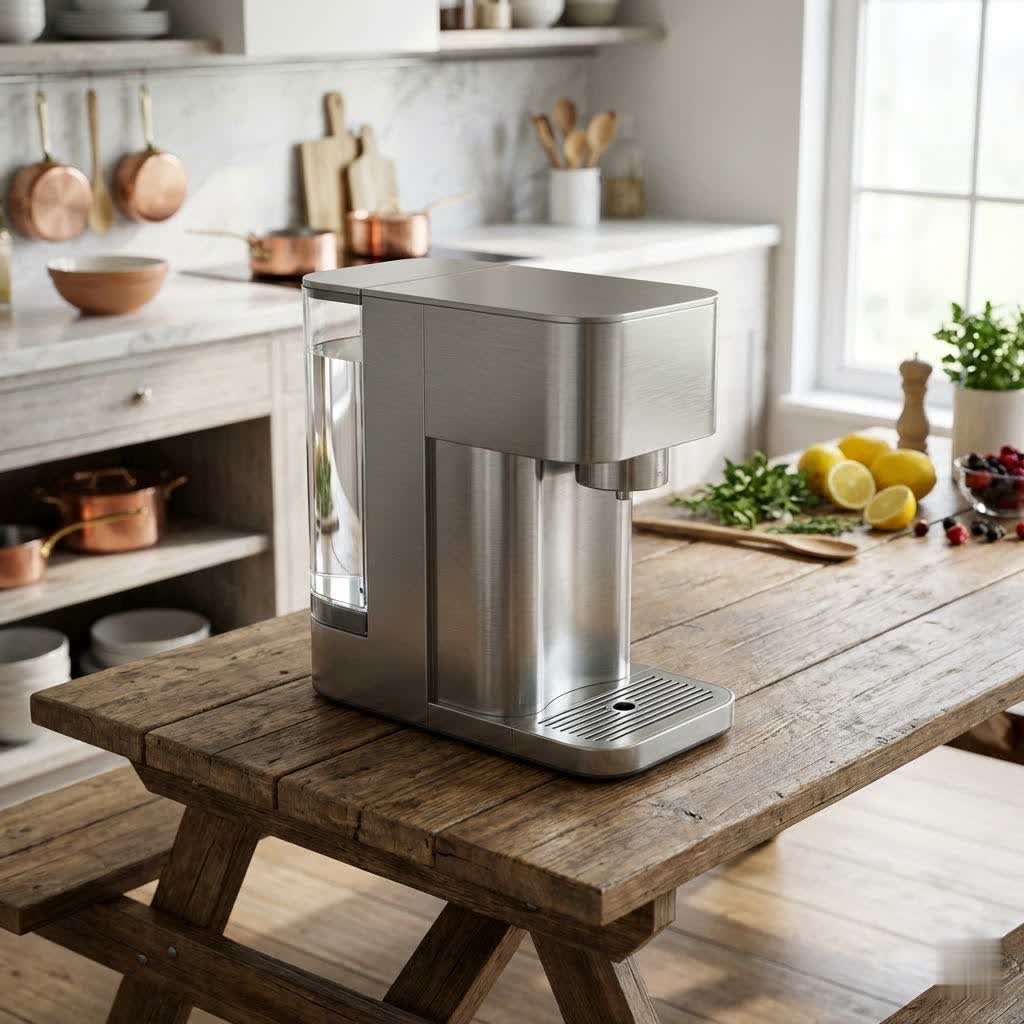
Ensuring access to clean, safe drinking water is a fundamental aspect of modern living, yet countless households and businesses worldwide grapple with concerns over water quality. From harmful bacteria and viruses to dissolved solids and chemical pollutants, tap water often harbors unseen threats that can compromise health and well-being. This is where a reliable water purifier company steps in, offering advanced filtration solutions designed to transform ordinary tap water into pristine, potable hydration. Navigating the diverse landscape of water purification technologies and providers can be daunting, but understanding the key differentiators of a reputable water purifier company is crucial for making an informed decision that safeguards your family’s health and ensures peace of mind.
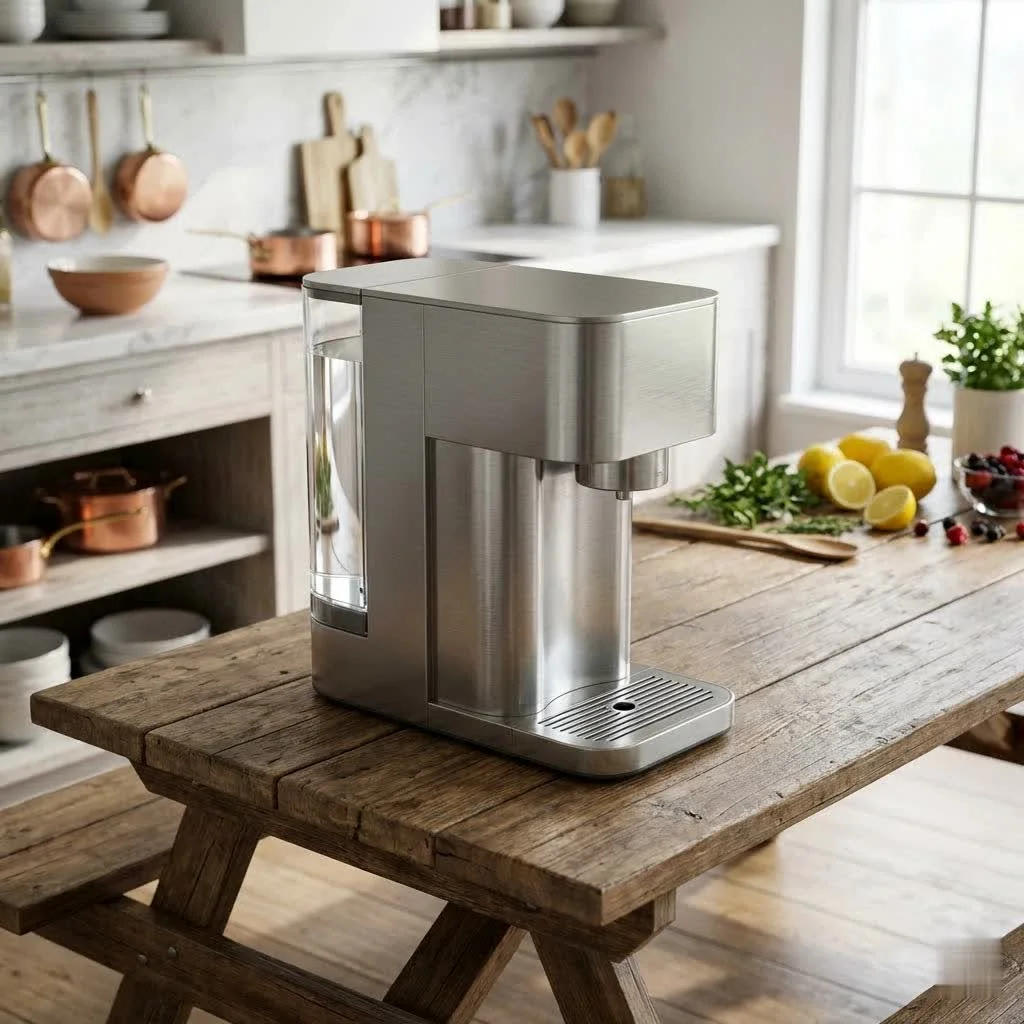
Understanding Common Water Purifier Technologies
The core of any effective water purifier lies in its technology. Different purification methods target specific contaminants, and a comprehensive water purifier company often offers a range of options to suit varying water sources and concerns. For best home roundups on this site.
Reverse Osmosis (RO)
Reverse Osmosis is a highly effective purification method that forces water through a semi-permeable membrane to remove dissolved solids, heavy metals, chemicals, bacteria, and viruses. RO systems are particularly suitable for areas with high Total Dissolved Solids (TDS) levels or hard water. However, RO systems can produce wastewater and may remove beneficial minerals, leading some companies to incorporate remineralization stages.
Ultraviolet (UV) Purification
UV purifiers use ultraviolet light to disinfect water by deactivating bacteria, viruses, and other microorganisms, rendering them unable to reproduce. UV purification is highly effective against biological contaminants but does not remove dissolved solids, chemicals, or sediments. It is often used in conjunction with other filtration stages.
Ultrafiltration (UF)
Ultrafiltration employs a hollow fiber membrane to remove suspended solids, colloids, bacteria, and some viruses, similar to RO but with larger pore sizes. UF systems typically do not require electricity, retain beneficial minerals, and generate less wastewater. They are effective for water with low to moderate TDS levels and visible impurities.
Activated Carbon Filtration
Activated carbon filters are excellent for improving water taste and odor by removing chlorine, chloramines, volatile organic compounds (VOCs), and certain pesticides. These filters work through adsorption, trapping contaminants in their porous structure. Activated carbon is frequently used as a pre-filter or post-filter in multi-stage purification systems but is not effective against dissolved minerals or heavy metals.
Multi-Stage Purification
Many leading water purifier companies offer multi-stage systems that combine several technologies—such as sediment filters, activated carbon, RO/UF, and UV—to provide comprehensive purification. This approach ensures a broader range of contaminants are addressed, delivering superior water quality.
Key Criteria for Choosing a Water Purifier Company
Selecting the best water purifier company goes beyond just comparing product features; it involves evaluating the company’s commitment to quality, service, and customer satisfaction.
Water Source Analysis and Technology Alignment
|
Our Picks for the Best Water Purifier in 2026
As an Amazon Associate I earn from qualifying purchases.
|
||
| Num | Product | Action |
|---|---|---|
| 1 | Mate 3 Countertop Reverse Osmosis Water Filter System, 8 Stage Purification, 3:1 Pure to Drain, No Installation Required, Smart Sensor Water Dispensing, Reduce TDS, RO Water Purifier |

|
| 2 | Vortopt Carbon Block Water Filter for Sink Faucet,NSF/ANSI 42 Certified Faucet Water Filter,with Display & 400 Gallon Capacity. |
|
| 3 | Brita Hub Compact Instant Powerful Countertop Water Filter System, Reduces 70+ Contaminants, 9 Cup Water Reservoir, Includes 6 Month Carbon Block Filter, White, 87344 |
|
| 4 | ZeroWater 52-Cup Ready-Read 5-Stage Water Filter Pitcher Dispenser with 5-Stage 0 TDS Zero Water Filter – IAPMO Certified to Reduce Metals, Chlorine, Lead, Chromium, and Forever Chemicals PFOA/PFOS |
|
| 5 | Waken Electric C11S Reverse Osmosis Water Filtration System Countertop 180oz Water Tank 4:1 Pure to Drain 8 Stage RO Filter No Installation for Home Apartment Condo RV |
|
| 6 | 3 Stage RV Water Filter System, 0.2 Micron Taste Pure Water Filter with Compact 5 Inch for RV, 3-Stage High Flow Water Filter for RVs, Boats and Campers |
|
| 7 | ZeroWater 32-Cup 5-Stage Water Filter Dispenser with Instant Read Out - 0 TDS for Improved Tap Water Taste - IAPMO Certified to Reduce Lead, Chromium, and PFOA/PFOS |
|
| 8 | Brita UltraMax Large Water Dispenser with 1 BritaPlus Filter, 27 Cup Capacity, Black (Package May Vary) |
|
| 9 | AquaTru Carafe Countertop Water Purifier - Compact 4-Stage Reverse Osmosis System with Glass Carafe Removes 84 Contaminants Including Forever Chemicals, Lead & Fluoride - No Plumbing |
|
| 10 | Brita UltraMax Large Water Dispenser With Standard Filter, BPA-Free, Reduces Copper, Cadmium and Mercury Impurities, Lasts 2 Months or 40 Gallons, Includes 1 Filter, Kitchen Accessories, Large 27-Cup |
|
A reputable water purifier company will emphasize the importance of understanding your specific water source. Municipal tap water, well water, or borewell water each present unique challenges and contaminant profiles. For instance, well water might require more robust filtration for heavy metals and microbial contamination, whereas municipal water might primarily need chlorine and sediment removal. The best companies offer guidance or testing services to help you match the most effective purification technology to your water quality report.
Certifications and Quality Standards
Look for companies whose products are certified by recognized international and national organizations. Certifications from bodies like the National Sanitation Foundation (NSF) and the Water Quality Association (WQA) indicate that the purifiers have been rigorously tested and meet strict standards for contaminant reduction and material safety. These certifications provide an independent assurance of a product’s performance claims.
Company Reputation and After-Sales Support
A strong brand reputation is built on years of reliable products and exceptional customer service. Before committing, research a water purifier company’s history, read customer reviews, and check their warranty policies. Excellent after-sales support, including readily available spare parts, prompt maintenance services, and a robust service network, is paramount for the long-term performance and longevity of your water purifier. Without proper support, even the most advanced system can become a liability.
Product Quality and Materials
The quality of materials used in a water purifier directly impacts its durability and safety. Choose companies that use food-grade plastics and corrosion-resistant components to prevent secondary contamination and ensure a long lifespan for the unit. High-quality construction also reduces the likelihood of leaks and other operational issues.
Capacity and Flow Rate
Consider your household or business’s daily water consumption. A water purifier company should offer products with varying capacities and flow rates to match different needs. For a large family or a commercial setting, a system with a higher purification capacity and faster dispense rate will be more efficient and convenient.
Operational Costs and Maintenance
Beyond the initial purchase price, evaluate the ongoing operational costs. This includes the frequency and cost of filter replacements, electricity consumption, and potential service charges. A transparent water purifier company will provide clear information on these expenses, helping you budget for the long term. Some innovative companies are also exploring “water-as-a-service” models, offering comprehensive maintenance plans.
Innovative Features and Smart Technology
The water purification industry is constantly evolving. Leading companies often integrate innovative features like TDS controllers to retain essential minerals, UV sterilization within storage tanks, copper enrichment for added health benefits, and smart connectivity for monitoring filter life and water quality via mobile apps. These advancements enhance user experience and provide added peace of mind.
Leading Water Purifier Companies in the Market
Many companies worldwide are at the forefront of water purification, offering diverse solutions for both residential and commercial applications. Here’s a brief overview of some prominent players:
| Company Name | Key Technologies Offered | Noted Strengths/Features | Target Market |
|---|---|---|---|
| A. O. Smith | RO, UV, UF, Sediment, Carbon | Global powerhouse, robust product portfolio, strong after-sales service, acquisition of Pureit (HUL) | Residential, Commercial |
| LG Electronics | RO, UV, UF | Sophisticated electronics, smart home integration (LG ThinQ), premium design, energy efficiency | Residential, Commercial |
| Pentair PLC | RO, UF, Carbon, UV | Extensive range of water treatment solutions, OEM partner, industrial-grade filtration | Residential, Commercial, Industrial |
| Culligan International | RO, UF, Softeners, Filters | Comprehensive water treatment for homes and businesses, long history in the industry, dedicated OEM/ODM division | Residential, Commercial, Industrial |
| Coway Co., Ltd. | RO, UV, UF, Carbon | Innovative design, strong presence in Asia, home wellness specialists, often offer rental/service models | Residential |
| Kent RO Systems Ltd. | RO, UV, UF, TDS Control | Focus on retaining essential minerals with TDS controller, wide range of products, strong market presence in India/Bangladesh | Residential, Commercial |
| Unilever (Pureit) | Multi-stage, RO, UV, UF | Affordable and effective purification, wide reach in developing markets, strong brand recognition | Residential |
A Comprehensive Buying Guide for Your Water Purifier
Choosing a water purifier is an investment in health. Follow these steps to select the best option from a reliable water purifier company:
Step 1: Assess Your Specific Needs
- Analyze your water quality: If possible, get your tap water tested to identify specific contaminants present (e.g., high TDS, chlorine, heavy metals, microbial presence).
- Consider household size and consumption: Determine the daily volume of purified water needed.
- Define your budget: Account for both the initial purchase and ongoing maintenance costs, including filter replacements.
Step 2: Research Purification Technologies and Companies
- Based on your water analysis, identify the most suitable purification technology (e.g., RO for high TDS, UV for microbial issues).
- Explore water purifier companies known for these technologies and check their product offerings. Look for companies with a long-standing presence and positive reputation.
Step 3: Verify Certifications and Reviews
- Always prioritize products with certifications from reputable organizations like NSF or WQA.
- Read independent customer reviews and expert opinions to gauge real-world performance and customer satisfaction with the company’s products and services.
Step 4: Consider Installation and Space Requirements
- Decide on the type of purifier (e.g., under-sink, countertop, whole-house) that best fits your space and plumbing.
- Inquire about professional installation services offered by the water purifier company.
Step 5: Factor in Long-Term Costs and Maintenance
- Understand the filter replacement schedule and cost for each filter type in the system.
- Ask about the warranty, annual maintenance contracts (AMCs), and the availability of spare parts. A company with a robust service network is highly beneficial.
Step 6: Purchase from Reputable Channels
- Buy your water purifier from authorized dealers, reputable electronics stores, or directly from the water purifier company’s official website. This ensures you receive a genuine product with a valid warranty and access to official support.
Maintaining Your Water Purifier for Optimal Performance
Even the best water purifier will only perform optimally with regular maintenance. A responsible water purifier company provides clear guidelines and support for maintaining your system.
- Regular Filter Replacement: Adhere strictly to the manufacturer’s recommended schedule for replacing filter cartridges. Overdue filter changes can reduce purification efficiency and potentially introduce contaminants back into the water.
- Cleaning and Sanitization: Periodically clean the purifier’s exterior and, if applicable, the storage tank according to the company’s instructions. Some systems require professional sanitization.
- Monitor Performance: Pay attention to changes in water taste, odor, or flow rate, as these can indicate a need for filter replacement or servicing.
- Professional Servicing: Schedule periodic professional check-ups, especially for complex RO or whole-house systems, to ensure all components are functioning correctly and to address any potential issues early.
Conclusion
Choosing the right water purifier company is a pivotal decision for ensuring continuous access to safe and healthy drinking water. It requires a holistic assessment that encompasses the diversity of purification technologies, the company’s reputation, the quality of its products, the robustness of its after-sales support, and the overall cost-effectiveness. By carefully evaluating these factors, you can partner with a water purifier company that not only meets your immediate needs but also provides a reliable, long-term solution for pristine hydration. Investing in a trusted water purifier is investing in the health and well-being of your loved ones.
Are you ready to make the switch to cleaner, healthier water?
Frequently Asked Questions
What are the main types of water purifiers?
The main types of water purifiers include Reverse Osmosis (RO), Ultraviolet (UV) purification, Ultrafiltration (UF), and Activated Carbon filters. Many systems combine these technologies for comprehensive purification, targeting various contaminants from dissolved solids to bacteria and chlorine.
How often should I replace water purifier filters?
Filter replacement frequency varies greatly depending on the type of filter, your water quality, and usage. Generally, sediment and carbon filters might need changing every 6-12 months, while RO membranes can last 2-3 years. Always follow the specific recommendations of your water purifier company and product manual.
Are all water purifier companies reliable?
No, not all water purifier companies offer the same level of reliability or product quality. It’s crucial to research a company’s reputation, check for product certifications (like NSF or WQA), read customer reviews, and assess their after-sales service network before making a purchase.
Can a water purifier remove all contaminants?
While modern water purifiers are highly effective, no single technology can remove all possible contaminants. Multi-stage purification systems come closest by combining different methods to target a broad spectrum of impurities, including heavy metals, bacteria, viruses, chemicals, and dissolved solids.
What is the importance of certifications for water purifiers?
Certifications from organizations like NSF International or the Water Quality Association (WQA) are vital. They signify that a water purifier has been independently tested and verified to meet specific standards for performance, material safety, and contaminant reduction claims, providing assurance to consumers.
Pet products vetted on real animals
Practical specs, not advice. Unsubscribe anytime.
