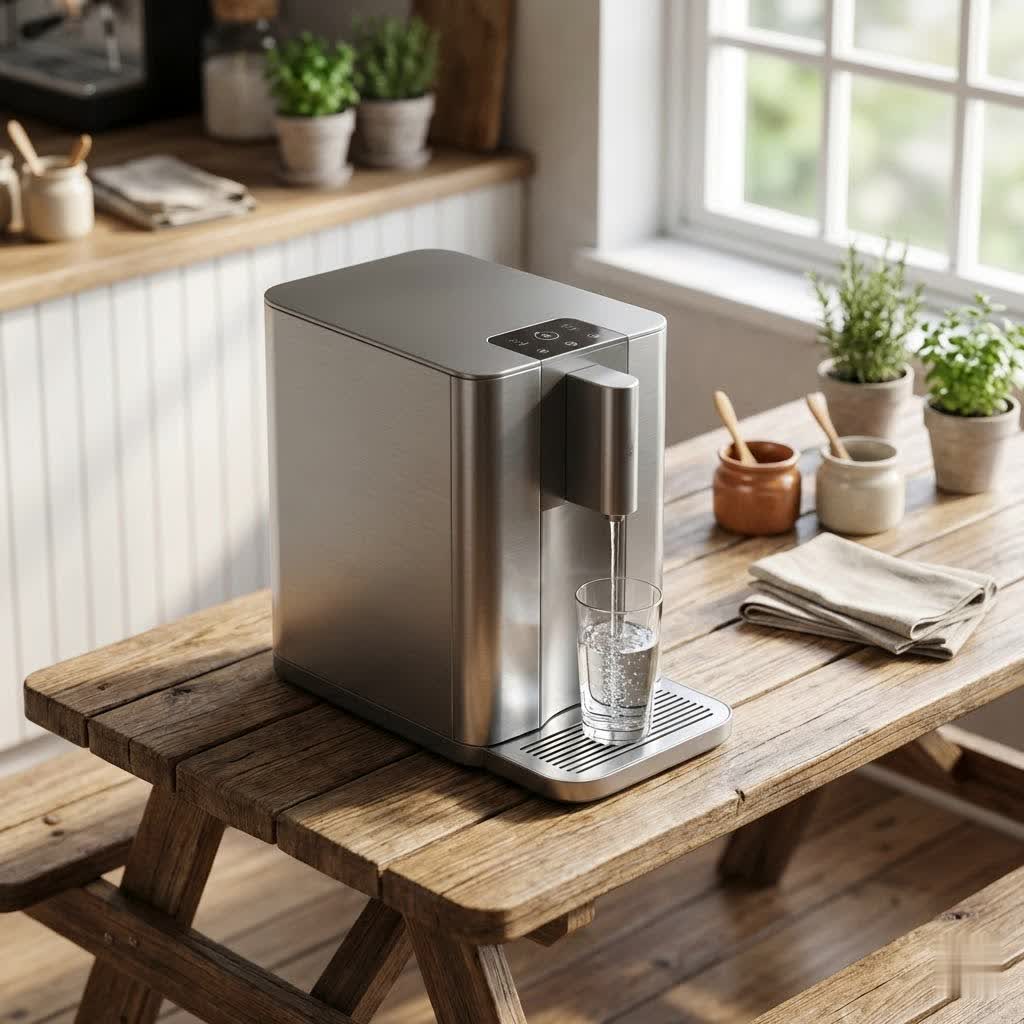
In an era where concerns about water quality are ever-present, securing a reliable source of clean drinking water for your home has become a top priority for many families. While various filtration methods exist, UV filter water purifiers stand out as a powerful, chemical-free solution. This comprehensive guide will examine the science behind UV purification, explore its numerous benefits, compare it with other popular technologies, and provide you with essential criteria for choosing and maintaining the perfect UV system for your needs.
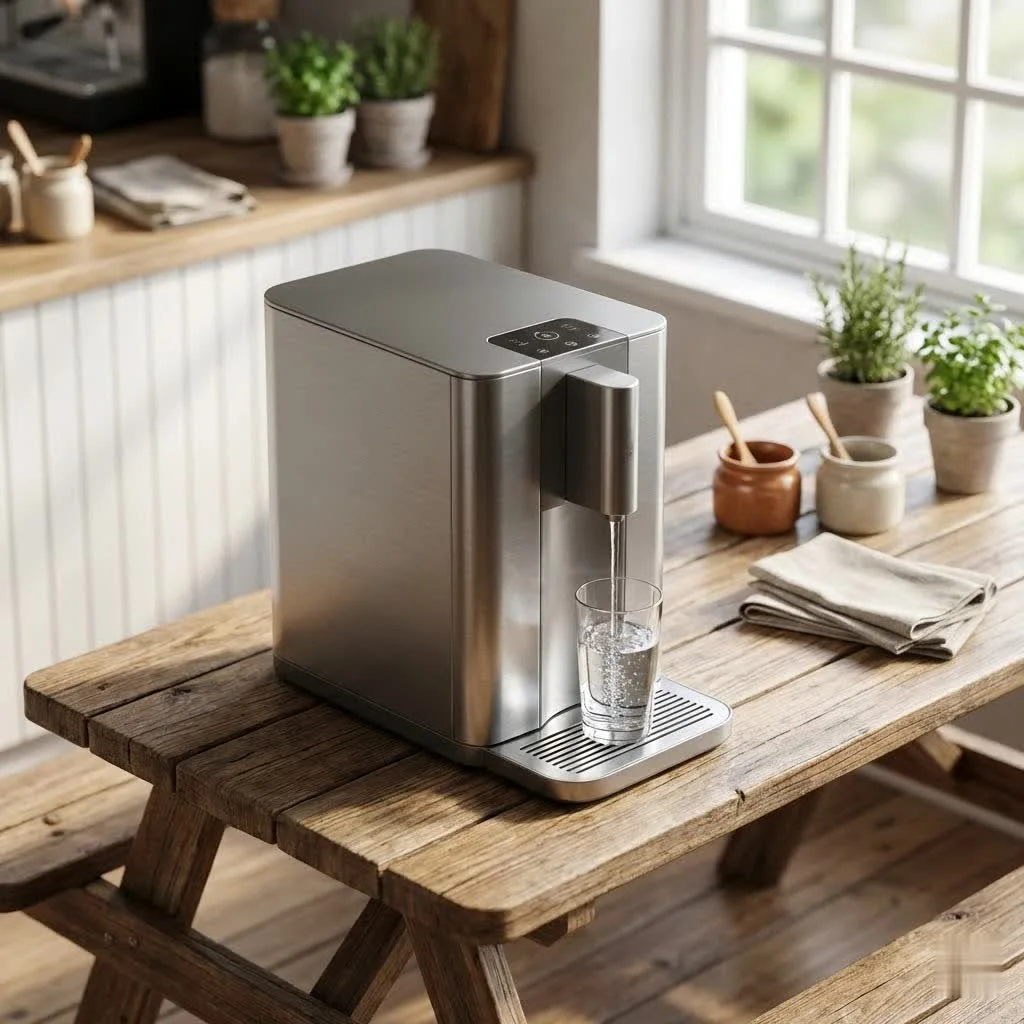
Understanding UV Filter Water Purifiers: How They Work
At its core, a UV filter water purifier utilizes ultraviolet (UV) light, specifically UV-C radiation at a wavelength of 254 nanometers, to disinfect water. This germicidal wavelength is incredibly effective because it attacks the very genetic core of microorganisms. As water flows through a chamber containing a UV lamp encased in a protective quartz sleeve, the UV-C light penetrates the cells of bacteria, viruses, and other pathogens. This process damages their DNA, rendering them unable to reproduce or cause illness. It’s a purely physical process, ensuring that harmful microbes are neutralized without altering the water’s taste, odor, or chemical composition.
The Advantages of UV Water Purification
The growing popularity of UV filter water purifiers is largely due to their impressive array of benefits. One of the most significant advantages is the chemical-free disinfection they offer. Unlike traditional methods that rely on chlorine or other chemicals, UV purification introduces nothing into your water, eliminating the risk of harmful chemical by-products. This also means your water retains its natural taste, odor, and color, a clear preference for many households.
UV systems are highly effective against a broad spectrum of waterborne pathogens, including common bacteria like E. coli, viruses, and chlorine-resistant parasites such as Giardia and Cryptosporidium. They boast a nearly 99.99% elimination rate for these harmful microorganisms. UV purification is an environmentally friendly choice, as it produces no wastewater, a common drawback of some other filtration technologies, and helps reduce reliance on plastic bottled water. Operating a UV system is also remarkably cost-effective, consuming roughly the same amount of electricity as a standard light bulb, contributing to lower utility bills while providing peace of mind.
UV Filter Water Purifiers vs. Other Technologies
Choosing the right water purification system often involves understanding how different technologies address various contaminants. UV filter water purifiers excel in specific areas but also have distinct differences when compared to other popular methods like Reverse Osmosis (RO) and Ultrafiltration (UF).
UV vs. RO (Reverse Osmosis)
|
Our Picks for the Best Water Purifier in 2026
As an Amazon Associate I earn from qualifying purchases.
|
||
| Num | Product | Action |
|---|---|---|
| 1 | Waken Electric C11S Reverse Osmosis Water Filtration System Countertop 180oz Water Tank 4:1 Pure to Drain 8 Stage RO Filter No Installation for Home Apartment Condo RV |

|
| 2 | Vortopt Carbon Block Water Filter for Sink Faucet,NSF/ANSI 42 Certified Faucet Water Filter,with Display & 400 Gallon Capacity. |
|
| 3 | Brita Hub Compact Instant Powerful Countertop Water Filter System, Reduces 70+ Contaminants, 9 Cup Water Reservoir, Includes 6 Month Carbon Block Filter, White, 87344 |
|
| 4 | Mate 3 Countertop Reverse Osmosis Water Filter System, 8 Stage Purification, 3:1 Pure to Drain, No Installation Required, Smart Sensor Water Dispensing, Reduce TDS, RO Water Purifier |
|
| 5 | ZeroWater 32-Cup 5-Stage Water Filter Dispenser with Instant Read Out - 0 TDS for Improved Tap Water Taste - IAPMO Certified to Reduce Lead, Chromium, and PFOA/PFOS |
|
| 6 | Brita UltraMax Large Water Dispenser with 1 BritaPlus Filter, 27 Cup Capacity, Black (Package May Vary) |
|
| 7 | AquaTru Carafe Countertop Water Purifier - Compact 4-Stage Reverse Osmosis System with Glass Carafe Removes 84 Contaminants Including Forever Chemicals, Lead & Fluoride - No Plumbing |
|
| 8 | Brita UltraMax Large Water Dispenser With Standard Filter, BPA-Free, Reduces Copper, Cadmium and Mercury Impurities, Lasts 2 Months or 40 Gallons, Includes 1 Filter, Kitchen Accessories, Large 27-Cup |
|
| 9 | ZeroWater 52-Cup Ready-Read 5-Stage Water Filter Pitcher Dispenser with 5-Stage 0 TDS Zero Water Filter – IAPMO Certified to Reduce Metals, Chlorine, Lead, Chromium, and Forever Chemicals PFOA/PFOS |
|
| 10 | 3 Stage RV Water Filter System, 0.2 Micron Taste Pure Water Filter with Compact 5 Inch for RV, 3-Stage High Flow Water Filter for RVs, Boats and Campers |
|
- UV Purifiers: Primarily designed for microbiological contaminants. They effectively destroy bacteria, viruses, and cysts but do not physically remove dissolved solids, heavy metals, or chemicals from the water. A major advantage of UV is that it does not waste water during the purification process and typically requires less intensive maintenance, mainly an annual UV lamp replacement.
- RO Systems: Excel at removing dissolved inorganic contaminants, heavy metals, salts, and chemicals using a semi-permeable membrane. However, RO systems often produce a significant amount of wastewater and can sometimes remove beneficial minerals along with harmful ones. They also require more frequent membrane cleaning and replacement.
Many experts suggest that for comprehensive purification, especially if your water source has both microbiological and chemical/dissolved solid contamination, a combination of UV and RO technologies can provide the best of both worlds. UV handles the biological threats, while RO addresses the chemical and mineral impurities.
UV vs. UF (Ultrafiltration) / Nano-Filtration
While UV focuses on inactivating pathogens, Ultrafiltration (UF) and Nano-filtration systems use physical membranes with microscopic pores to remove suspended solids, colloids, larger bacteria, and some viruses. UF systems are excellent for improving water clarity and removing physical impurities, but they generally don’t offer the same level of disinfection against viruses as UV light. Combining UV with UF can provide a robust solution, where UF acts as an excellent pre-filter, enhancing the UV system’s effectiveness.
UV vs. Chemical Disinfection (Chlorine)
Traditional chemical disinfection, such as chlorination, provides residual protection throughout the water distribution system. However, chlorine can alter the taste and odor of water and may create harmful by-products. UV purification, in contrast, is chemical-free, leaving water with its natural properties, and is effective against many chlorine-resistant microorganisms. While UV doesn’t offer residual protection, its immediate and powerful disinfection at the point of use or entry is highly advantageous.
Key Criteria for Choosing Your UV Filter Water Purifier
Selecting the right UV filter water purifier requires careful consideration of several factors to ensure it meets your household’s specific needs and water quality challenges.
- Water Source Analysis: The first step is to understand your water. If you rely on well water, private springs, or are in an area prone to boil water advisories, a UV system is highly recommended due to the potential for microbial contamination. Municipal water supplies, while treated, can still benefit from UV as a final barrier against pathogens that might enter through aging infrastructure. Consider getting your water tested to identify specific contaminants.
- Pre-filtration Needs: UV light works best with clear water. Turbidity (cloudiness) or suspended solids can shield microorganisms from the UV rays, reducing effectiveness. Therefore, nearly all UV systems require pre-filtration—typically sediment and activated carbon filters—to remove particles, chlorine, and other chemicals before the water reaches the UV chamber. Ensure any system you consider includes or allows for these essential pre-filters.
- Flow Rate and Capacity: This refers to how much purified water the system can produce per minute. Match the system’s flow rate to your household’s demand. A whole-house UV system will need a higher flow rate than a point-of-use unit installed under a sink.
- System Design: Point-of-Use vs. Whole-House:
- Point-of-Use (POU): Installed at a specific faucet (e.g., kitchen sink), ideal for drinking and cooking water.
- Whole-House (POE – Point-of-Entry): Treats all water entering your home, providing disinfected water for every tap, shower, and appliance.
- Brand Reputation and Certifications: Opt for reputable brands known for their quality and customer support. Look for certifications from organizations like NSF/ANSI, which indicate that the product meets specific standards for performance and safety.
- Maintenance Considerations: While UV systems are low maintenance, regular UV lamp replacement (typically annually) and occasional cleaning of the quartz sleeve are crucial. Consider the availability and cost of replacement parts.
- Overall Cost: Evaluate not just the initial purchase price but also the long-term costs, including replacement UV lamps and pre-filters.
Top Considerations When Buying a UV Filter Water Purifier
Embarking on the journey to purchase a UV filter water purifier can feel overwhelming with the many options available. To simplify your decision-making, follow this practical buying guide:
- Assess Your Specific Water Quality Concerns: Beyond microbial contamination, do you have issues with sediment, chlorine taste, or hard water? Your purifier should be part of a comprehensive solution.
- Determine Required Flow Rate and System Size: For a small household needing drinking water only, a POU system is sufficient. For larger families or for treating all household water, a POE system with an appropriate flow rate is essential.
- Look for Combined Filtration Stages: The most effective UV systems integrate multiple stages: a sediment filter to remove larger particles, an activated carbon filter to tackle chlorine and other chemicals, and then the UV chamber for disinfection. This multi-stage approach ensures optimal performance and extends the life of your UV lamp.
- Research Reputable Brands and Read User Reviews: Brands with a long-standing history and positive customer feedback often indicate reliable products and good service. User reviews can offer insights into real-world performance and common issues.
- Check for Certifications (e.g., NSF/ANSI): Certifications provide an independent assurance that the product has been tested and meets specific standards for safety and performance.
- Factor in Ongoing Maintenance Costs: Understand the cost of annual UV lamp replacements and how often pre-filters need changing. This helps you calculate the true long-term investment.
- Professional Installation vs. DIY: While many POU systems are suitable for DIY installation, whole-house systems might require professional plumbing expertise to ensure correct setup and optimal performance.
Maintaining Your UV Filter Water Purifier for Optimal Performance
Proper maintenance is key to ensuring your UV filter water purifier continues to provide safe, clean water efficiently.
- UV Lamp Replacement: The UV lamp’s germicidal effectiveness diminishes over time, even if it still emits light. It is critical to replace the UV lamp annually to guarantee continuous and effective disinfection. Most systems have an indicator that signals when a replacement is due.
- Quartz Sleeve Cleaning: The quartz sleeve protects the UV lamp from direct contact with water. Over time, minerals and impurities in the water can build up on the sleeve, creating a barrier that reduces the UV light’s ability to penetrate the water. Inspect and clean the quartz sleeve at least once a year, or more frequently if your water has high mineral content.
- Pre-filter Changes: If your UV system includes sediment and carbon pre-filters, adhere to the manufacturer’s recommended replacement schedule for these components. Clogged pre-filters can reduce water pressure and hinder the overall purification process, potentially shortening the lifespan of your UV lamp.
Conclusion
A UV filter water purifier is an indispensable tool for any household seeking a highly effective, chemical-free method to ensure microbiologically safe drinking water. By understanding how these systems work, recognizing their unique benefits, and following proper selection and maintenance guidelines, you can confidently invest in a solution that provides unparalleled peace of mind. Investing in a UV system means investing in your family’s health and well-being, protecting them from waterborne pathogens with reliable, modern technology.
What steps will you take today to secure your family’s water safety with a UV filter water purifier?
Frequently Asked Questions
What does a UV water purifier not remove?
A UV water purifier is designed to kill microorganisms but does not remove dissolved solids, heavy metals, chlorine, sediment, or other chemicals. For these contaminants, additional filtration stages like sediment and activated carbon filters are necessary.
Is UV water purification safe?
Yes, UV water purification is safe. It’s a chemical-free process that doesn’t introduce harmful substances into the water. The UV-C light itself is contained within the purification chamber, preventing human exposure during operation.
How often should I replace the UV lamp?
For optimal performance and consistent disinfection, the UV lamp in your water purifier should be replaced annually. The germicidal intensity of the lamp decreases over time, even if it appears to be still working.
Can I use a UV purifier for well water?
UV purifiers are highly recommended for well water, which is often susceptible to bacterial and viral contamination. However, well water typically requires robust pre-filtration to remove sediment and other impurities that could hinder the UV light’s effectiveness.
Do UV purifiers waste water?
No, UV water purifiers are highly efficient and do not waste any water during the disinfection process. All the water that flows through the UV chamber is treated and made available for use, making them an environmentally conscious choice.
Pet products vetted on real animals
Practical specs, not advice. Unsubscribe anytime.
