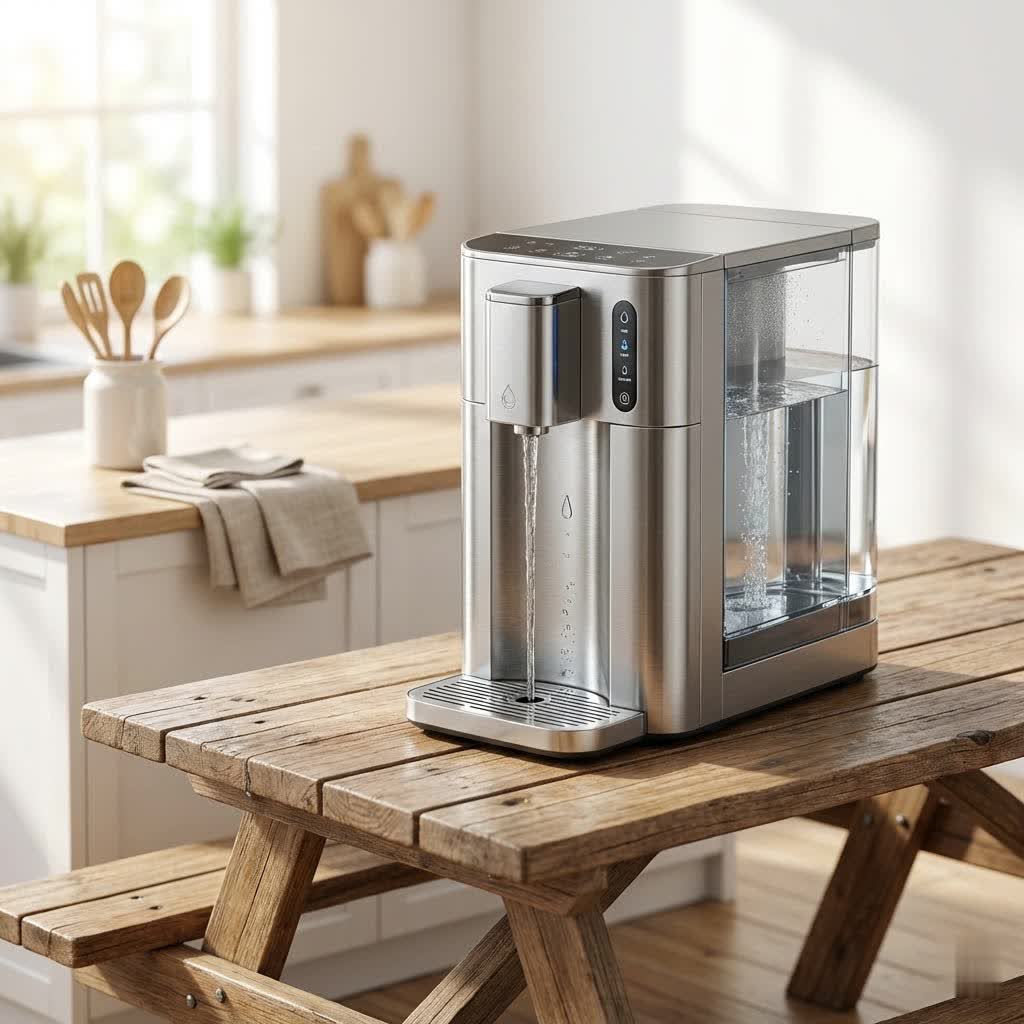
In today’s world, access to clean, safe drinking water is more important than ever. With increasing concerns about tap water quality, many households are turning to advanced solutions like water purifier dispensers. These innovative appliances not only filter out contaminants but also offer the convenience of instant hot, cold, or room-temperature water, making hydration effortless and enjoyable for the entire family.
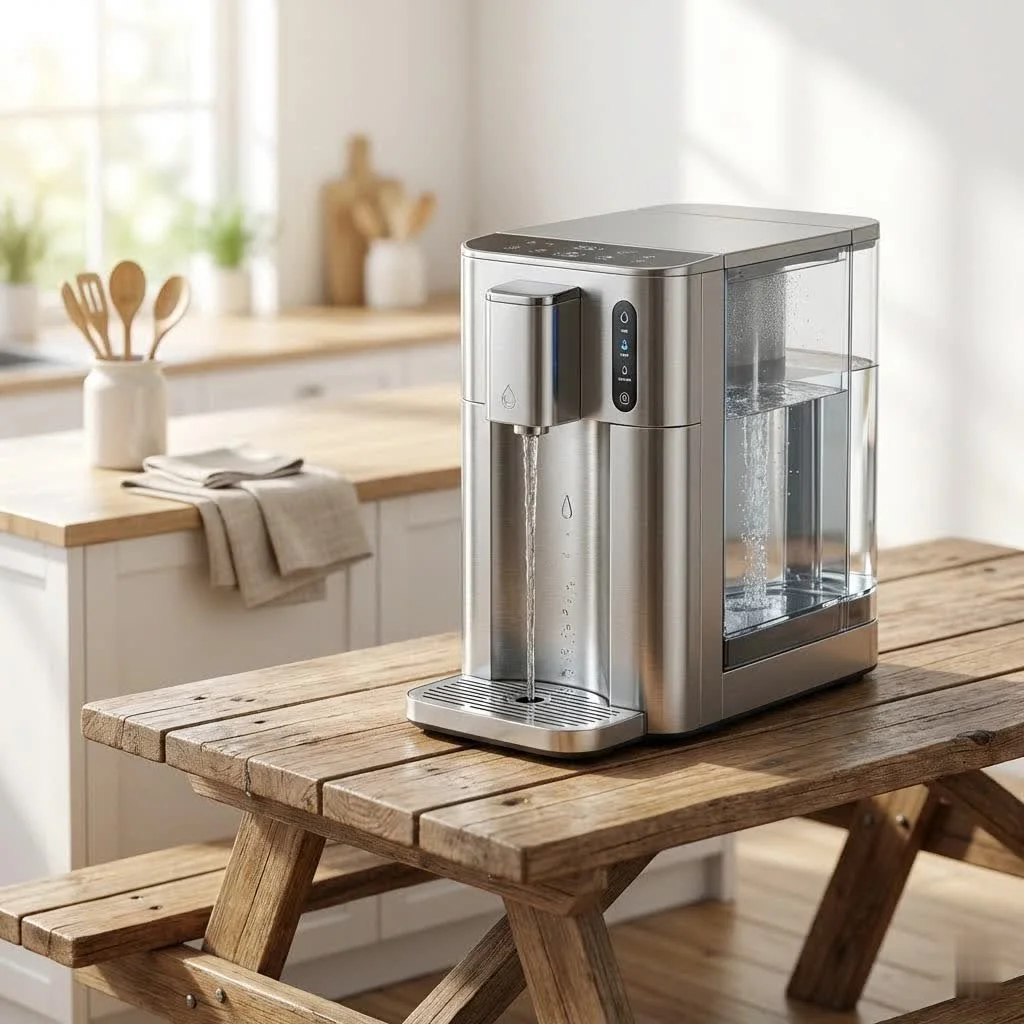
Understanding Common Water Purifier Dispenser Types
Water purifier dispensers come in a variety of designs, each tailored to different needs and spaces. Identifying the right type is the first step toward ensuring clean water for your home or office.
Countertop Water Purifier Dispensers
These compact units sit directly on your kitchen counter, making them ideal for smaller spaces or renters who cannot alter plumbing. Countertop models can be either bottled, requiring manual bottle refills, or bottleless (Point-of-Use), connecting directly to your water line for a continuous supply. Many offer instant hot and cold water options, along with advanced multi-stage filtration.
Freestanding Water Purifier Dispensers
Larger and often designed for higher capacities, freestanding units are common in offices and homes with more space. They can be either top-loading or bottom-loading for bottled water, or bottleless, plumbed directly into your water supply. These models frequently include features like child safety locks for hot water and self-cleaning functions.
Under-Sink Water Purifier Dispensers
For those who prefer a minimalist look, under-sink dispensers are installed beneath your kitchen sink, delivering purified water through a dedicated faucet on your countertop. This option frees up counter space and is typically bottleless, providing a continuous flow of filtered water without the need for refills.
Filtration Technologies Explained
The effectiveness of a water purifier dispenser hinges on its filtration technology. Understanding these methods helps in choosing a system that addresses your specific water quality concerns.
- Reverse Osmosis (RO): RO systems push highly pressurized water through a semi-permeable membrane to remove a vast array of contaminants, including heavy metals, viruses, bacteria, and dissolved solids. While exceptionally effective, RO can also remove beneficial minerals, which is why some advanced RO systems incorporate remineralization technology.
- Ultraviolet (UV) Purification: UV purifiers use UV light to kill microorganisms like viruses, bacteria, and cysts by damaging their DNA. However, UV light alone does not remove other contaminants such as chlorine or inorganic materials, often necessitating combination with other filter types for comprehensive purification.
- Activated Carbon Filters: These filters are excellent at removing chlorine, odors, bad taste, and volatile organic compounds (VOCs) from water. They work by adsorption, trapping impurities within their porous structure, significantly improving water’s aesthetic qualities.
- Ultrafiltration (UF): UF membranes filter out suspended solids, bacteria, viruses, and other large molecules while allowing dissolved minerals to pass through. It’s less fine than RO but more effective than carbon filters at removing microbiological contaminants.
Key Criteria for Selecting Your Ideal Water Purifier Dispenser
Choosing the best water purifier dispenser requires careful consideration of several factors to match your household’s unique needs and water conditions.
Assess Your Input Water Source
|
Our Picks for the Best Water Purifier in 2026
As an Amazon Associate I earn from qualifying purchases.
|
||
| Num | Product | Action |
|---|---|---|
| 1 | Vortopt Carbon Block Water Filter for Sink Faucet,NSF/ANSI 42 Certified Faucet Water Filter,with Display & 400 Gallon Capacity. |

|
| 2 | AquaTru Carafe Countertop Water Purifier - Compact 4-Stage Reverse Osmosis System with Glass Carafe Removes 84 Contaminants Including Forever Chemicals, Lead & Fluoride - No Plumbing |
|
| 3 | Brita UltraMax Large Water Dispenser with 1 BritaPlus Filter, 27 Cup Capacity, Black (Package May Vary) |
|
| 4 | Brita UltraMax Large Water Dispenser With Standard Filter, BPA-Free, Reduces Copper, Cadmium and Mercury Impurities, Lasts 2 Months or 40 Gallons, Includes 1 Filter, Kitchen Accessories, Large 27-Cup |
|
| 5 | ZeroWater 52-Cup Ready-Read 5-Stage Water Filter Pitcher Dispenser with 5-Stage 0 TDS Zero Water Filter – IAPMO Certified to Reduce Metals, Chlorine, Lead, Chromium, and Forever Chemicals PFOA/PFOS |
|
| 6 | Waken Electric C11S Reverse Osmosis Water Filtration System Countertop 180oz Water Tank 4:1 Pure to Drain 8 Stage RO Filter No Installation for Home Apartment Condo RV |
|
| 7 | 3 Stage RV Water Filter System, 0.2 Micron Taste Pure Water Filter with Compact 5 Inch for RV, 3-Stage High Flow Water Filter for RVs, Boats and Campers |
|
| 8 | ZeroWater 32-Cup 5-Stage Water Filter Dispenser with Instant Read Out - 0 TDS for Improved Tap Water Taste - IAPMO Certified to Reduce Lead, Chromium, and PFOA/PFOS |
|
| 9 | Brita Hub Compact Instant Powerful Countertop Water Filter System, Reduces 70+ Contaminants, 9 Cup Water Reservoir, Includes 6 Month Carbon Block Filter, White, 87344 |
|
| 10 | Mate 3 Countertop Reverse Osmosis Water Filter System, 8 Stage Purification, 3:1 Pure to Drain, No Installation Required, Smart Sensor Water Dispensing, Reduce TDS, RO Water Purifier |
|
Before selecting a dispenser, it’s crucial to understand your tap water quality. If you rely on municipal water, you can often find a local water quality report. For well water, a home testing kit is recommended to identify specific contaminants like lead, chlorine, or heavy metals. This assessment will guide you toward the most appropriate filtration technology.
Evaluate Filtration Capacity
Consider the daily water consumption of your household or office. Dispenser capacities vary significantly, from small countertop units suitable for individuals to large freestanding models designed for families or workplaces. Also, check the flow rate—how quickly the dispenser can provide water—especially for instant hot or cold options.
Prioritize Advanced Filtration Technology
Based on your water quality assessment, select a technology that effectively removes the contaminants of concern. RO systems offer the most thorough purification, ideal for hard water or high levels of dissolved solids, while UV and activated carbon are excellent for microbial and taste issues respectively. Some systems combine multiple technologies for broader protection.
Quality of Materials
Opt for dispensers made from durable, food-grade materials that do not leach harmful substances into the water. Stainless steel components are often preferred for their longevity and hygiene.
Brand Reputation and Customer Support
Choosing a reputable brand often translates to better product quality, reliable warranty, and accessible customer service for installation, maintenance, and troubleshooting. Research user reviews and ratings to gauge overall satisfaction and long-term performance.
Understand the Total Cost
Beyond the initial purchase price, factor in the ongoing costs of filter replacements, maintenance, and potential energy consumption. While some systems may have a higher upfront cost, their long-term operational efficiency and filter lifespan can offer significant savings.
Comparison of Popular Water Purifier Dispenser Technologies
| Feature | Reverse Osmosis (RO) | Ultraviolet (UV) Purifier | Activated Carbon Filter | Ultrafiltration (UF) |
|---|---|---|---|---|
| Contaminant Removal | Heavy metals, viruses, bacteria, dissolved solids, chemicals | Viruses, bacteria, cysts, parasites | Chlorine, odors, bad taste, VOCs | Bacteria, viruses, suspended solids |
| Mineral Retention | Removes beneficial minerals (remineralization often added) | Retains beneficial minerals | Retains beneficial minerals | Retains beneficial minerals |
| Waste Water | Produces some wastewater | No wastewater | No wastewater | Minimal wastewater |
| Maintenance | Regular filter/membrane replacement | UV lamp replacement, pre-filter replacement | Regular filter replacement | Regular filter replacement |
| Pros | Highly effective, comprehensive purification | Kills microorganisms effectively | Improves taste/odor, cost-effective | Removes microbes without demineralization |
| Cons | Slow flow rate, can remove beneficial minerals, generates wastewater | Doesn’t remove chemical contaminants or particles | Limited microbial removal | Less comprehensive than RO |
| Best For | Hard water, high TDS, extensive contaminant removal | Microbiological contamination concerns | Improving taste/odor of municipal water | General microbial filtration, retaining minerals |
Your Comprehensive Water Purifier Dispenser Buying Guide
Navigating the market for a water purifier dispenser can feel overwhelming. This step-by-step guide simplifies the process, ensuring you make an informed decision for clean and convenient hydration.
Step 1: Determine Your Household’s Specific Needs
Start by assessing how many people will use the dispenser daily and what your primary concerns are regarding water quality. Do you need instant hot water for tea or cold water for refreshing drinks? What is your budget for both the initial purchase and ongoing filter replacements? Also, consider available space: a countertop unit for smaller kitchens or a freestanding/under-sink model for larger areas.
Step 2: Research Available Products and Technologies
Explore different types of water purifier dispensers and their filtration methods (RO, UV, Activated Carbon, UF). Look into brands known for quality and innovation in water purification. Understand the pros and cons of each technology in relation to your water source and desired contaminant removal. Many reputable manufacturers provide detailed specifications and certifications for their products.
Step 3: Compare Features and Specifications
Create a comparison list of your top choices, focusing on criteria like filtration efficiency, capacity, dispensing options (hot/cold/room temperature), energy consumption, and unique features such as self-cleaning modes or child safety locks. Pay attention to certifications (e.g., NSF) which indicate independent testing and performance validation.
Step 4: Purchase from a Reputable Retailer
Whether buying online or from a physical store, choose vendors with strong customer service, clear return policies, and authorized dealer status. This ensures you receive genuine products and access to warranty support.
Step 5: Inspect the Product Upon Delivery
Before making the final payment or completing installation, thoroughly inspect your water purifier dispenser for any damage, missing parts, or manufacturing defects. Ensure all accessories and the warranty card are included.
Step 6: Proper Installation and First Use
Carefully read the manufacturer’s instruction manual for installation. For plumbed-in (bottleless) systems, professional installation might be recommended to ensure correct water line connections and prevent leaks. For bottled dispensers, ensure proper bottle loading and leveling. Flush the system with a few liters of water before first use to remove any residual carbon dust or air pockets.
Maintaining Your Water Purifier Dispenser for Optimal Performance
Regular maintenance is crucial to ensure your water purifier dispenser continues to provide safe, great-tasting water and operates efficiently for years to come. Neglecting maintenance can lead to bacterial growth, mineral buildup, reduced efficiency, and even health risks.
Routine Cleaning Schedule
- Daily: Wipe down the exterior surfaces with a damp, lint-free cloth to remove dust and spills. Empty and clean the drip tray with mild detergent to prevent mold and bacteria.
- Weekly: For dispensers with removable reservoirs, sanitize the water tank with a solution of white vinegar and water, letting it sit for about 10 minutes before thorough rinsing. Use a small brush to scrub the dispensing nozzle to prevent buildup.
- Monthly/Quarterly: Deep clean the internal water reservoirs, following manufacturer guidelines for sanitizing solutions (often white vinegar or a bleach solution). Descale the unit monthly if you have hard water, using a white vinegar solution to prevent mineral deposits that can clog the system.
Timely Filter Replacement
Filters are the heart of your water purifier dispenser, and their lifespan depends on usage and local water quality. Most filters typically last between 3 to 6 months. Pay attention to any indicator lights or changes in water taste or flow rate, which signal it’s time for a replacement. Always use genuine replacement filters compatible with your model.
Checking Connections and Seals
Periodically inspect all water connections and seals for any signs of leaks or drips. Tighten fittings as needed. Small leaks can quickly escalate into larger issues if left unaddressed.
Professional Servicing
Consider an annual professional inspection, especially for plumbed-in or more complex systems. Experts can identify and resolve mechanical issues you might overlook, ensuring the dispenser operates at peak efficiency.
“Maintaining your water purifier dispenser isn’t just about prolonging its life; it’s about safeguarding your family’s health. Clean filters and regular sanitization are non-negotiable for truly pure water.” – John Smith, Water Filtration Specialist
Conclusion
Investing in a water purifier dispenser is a wise decision for any household seeking the ultimate convenience and assurance of clean, healthy drinking water. With various types and filtration technologies available, there’s a perfect solution for every need, from compact countertop models to advanced under-sink RO systems. By carefully considering your requirements, choosing a reputable brand, and committing to a routine maintenance schedule, you can enjoy an endless supply of purified water right at your fingertips. Why settle for anything less when crystal-clear hydration is so easily achievable?
Pet products vetted on real animals
Practical specs, not advice. Unsubscribe anytime.
