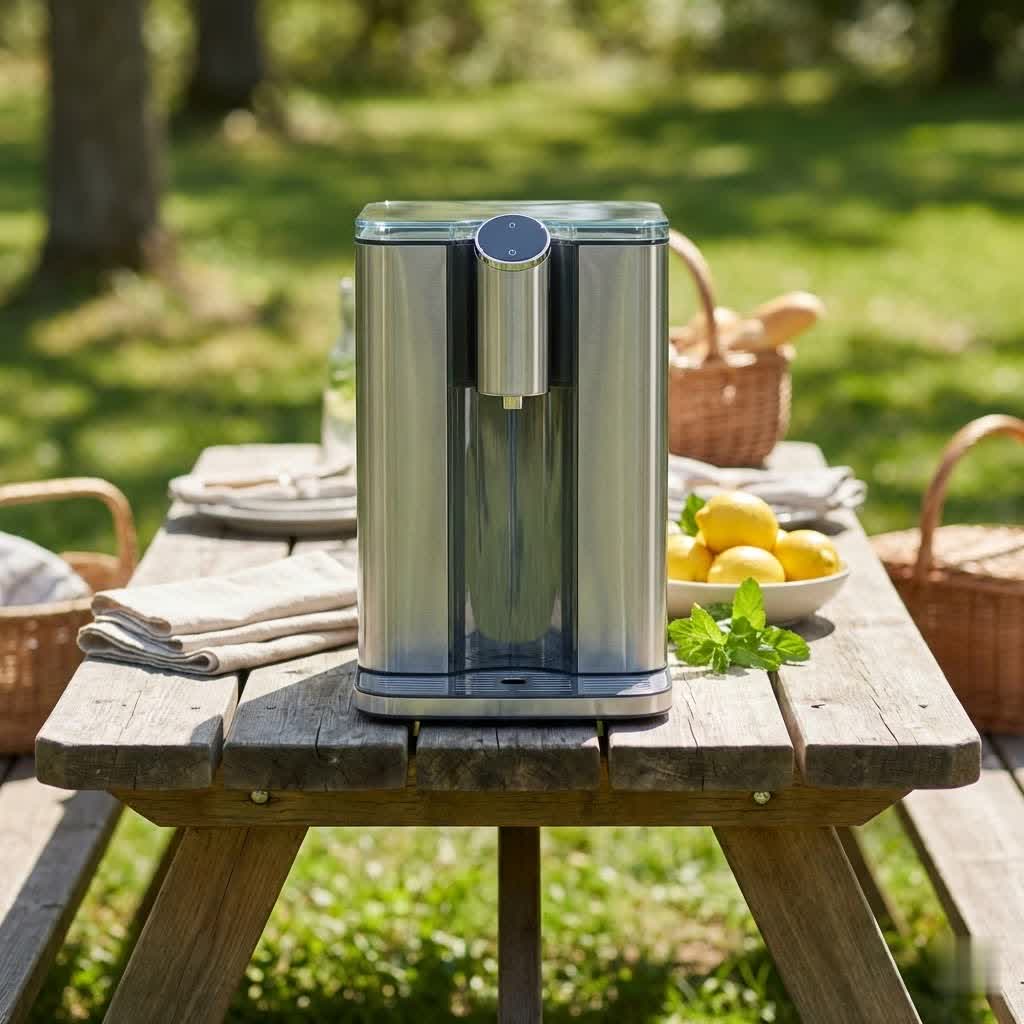
In a world where clean water is increasingly precious, a reliable water purifier machine is no longer a luxury but a necessity for many households. You might be wondering, with so many options available, how do you pick the perfect one? This comprehensive guide will navigate you through the intricate world of water purification, helping you understand the technologies, evaluate critical features, and ensure your system provides safe, pristine drinking water for years to come.
Common Types of Water Purifier Machines
Understanding the various water purification technologies is the first step towards making an informed decision. Each system is designed to tackle different types of contaminants, offering unique advantages and limitations. For expert home reviews on this site.
Reverse Osmosis (RO) Purifiers
RO technology pushes water through a semi-permeable membrane at high pressure, effectively removing dissolved solids, heavy metals, pesticides, and even some bacteria and viruses. It’s particularly effective for water with high levels of Total Dissolved Solids (TDS), often found in borewell or tanker water. While highly efficient, RO systems can also remove beneficial minerals and typically produce some wastewater.
Ultraviolet (UV) Purifiers
UV purifiers use ultraviolet light to kill bacteria, viruses, and other microorganisms present in water. This method sterilizes the water without using chemicals or changing its taste, odor, or mineral content. UV purifiers are ideal for municipal water supplies that are already low in TDS but may contain microbiological contaminants. However, they do not remove dissolved solids, sediment, or chemical impurities.
Ultrafiltration (UF) Purifiers
UF purification involves a hollow fiber membrane that filters out suspended solids, larger particles, bacteria, and viruses from water. Unlike RO, UF membranes do not require electricity to operate (in some models) and retain essential minerals. UF is suitable for water with low to medium TDS levels and visible impurities, but it cannot remove dissolved chemicals or very fine particles like RO.
Activated Carbon (AC) Filters
Activated carbon filters are excellent at improving water’s taste and odor by removing chlorine, volatile organic compounds (VOCs), pesticides, and other organic contaminants. These filters work through adsorption, trapping impurities on their porous surface. They are often used as pre-filters or post-filters in multi-stage systems, but they are not effective against dissolved solids, bacteria, viruses, or hard water minerals alone.
Multi-stage Purification Systems
Many modern water purifier machines combine several technologies, such as RO+UV, RO+UF, or RO+UV+UF+MTDS (Mineralizer). These integrated systems offer comprehensive purification, leveraging the strengths of each technology to provide the safest and best-ttasting water, addressing a wider spectrum of contaminants.
Criteria for Choosing a Water Purifier Machine
Selecting the right water purifier for your home involves carefully assessing your needs against the features and capabilities of available models. Consider these crucial factors to ensure you make the best choice.
Source Water Quality
|
Our Picks for the Best Water Purifier in 2026
As an Amazon Associate I earn from qualifying purchases.
|
||
| Num | Product | Action |
|---|---|---|
| 1 | Waken Electric C11S Reverse Osmosis Water Filtration System Countertop 180oz Water Tank 4:1 Pure to Drain 8 Stage RO Filter No Installation for Home Apartment Condo RV |

|
| 2 | AquaTru Carafe Countertop Water Purifier - Compact 4-Stage Reverse Osmosis System with Glass Carafe Removes 84 Contaminants Including Forever Chemicals, Lead & Fluoride - No Plumbing |
|
| 3 | Mate 3 Countertop Reverse Osmosis Water Filter System, 8 Stage Purification, 3:1 Pure to Drain, No Installation Required, Smart Sensor Water Dispensing, Reduce TDS, RO Water Purifier |
|
| 4 | Brita Hub Compact Instant Powerful Countertop Water Filter System, Reduces 70+ Contaminants, 9 Cup Water Reservoir, Includes 6 Month Carbon Block Filter, White, 87344 |
|
| 5 | Vortopt Carbon Block Water Filter for Sink Faucet,NSF/ANSI 42 Certified Faucet Water Filter,with Display & 400 Gallon Capacity. |
|
| 6 | 3 Stage RV Water Filter System, 0.2 Micron Taste Pure Water Filter with Compact 5 Inch for RV, 3-Stage High Flow Water Filter for RVs, Boats and Campers |
|
| 7 | Brita UltraMax Large Water Dispenser with 1 BritaPlus Filter, 27 Cup Capacity, Black (Package May Vary) |
|
| 8 | ZeroWater 32-Cup 5-Stage Water Filter Dispenser with Instant Read Out - 0 TDS for Improved Tap Water Taste - IAPMO Certified to Reduce Lead, Chromium, and PFOA/PFOS |
|
| 9 | Brita UltraMax Large Water Dispenser With Standard Filter, BPA-Free, Reduces Copper, Cadmium and Mercury Impurities, Lasts 2 Months or 40 Gallons, Includes 1 Filter, Kitchen Accessories, Large 27-Cup |
|
| 10 | ZeroWater 52-Cup Ready-Read 5-Stage Water Filter Pitcher Dispenser with 5-Stage 0 TDS Zero Water Filter – IAPMO Certified to Reduce Metals, Chlorine, Lead, Chromium, and Forever Chemicals PFOA/PFOS |
|
The quality of your incoming water supply is the most critical factor. This is often determined by its Total Dissolved Solids (TDS) level, which measures the concentration of inorganic salts and organic matter. You can test your water’s TDS using a meter or by having it professionally tested.
- Low TDS (0-200 ppm): Municipal tap water often falls into this category. UV or UV+UF purifiers are usually sufficient to remove bacteria and viruses while retaining beneficial minerals.
- Medium TDS (200-500 ppm): Depending on the specific contaminants, an RO system might be necessary for additional purification, or a UV+UF combination could work.
- High TDS (>500 ppm): Found frequently in borewell or tanker water, high TDS necessitates an RO water purifier, often combined with UV for complete purification.
Filtration Capacity
The purification capacity should match your household’s daily water consumption. A larger family or frequent water usage demands a machine with a higher flow rate and larger storage tank capacity to ensure a continuous supply of purified water. Typically, a family of 4-5 people might need a storage capacity of 7-10 liters.
Purification Technology
Align the purification technology with the contaminants prevalent in your source water. If heavy metals or high salinity are concerns, an RO system is paramount. For microbial threats without significant dissolved solids, UV or UF might suffice. Multi-stage purifiers offer versatility for varied water conditions.
Quality of Materials
The materials used in your water purifier machine, especially for the storage tank and filters, are vital for safety and durability. Opt for machines with food-grade plastic or, even better, stainless steel tanks, which are known for preventing microbial growth and resisting rust. High-quality filter membranes and components ensure efficient and safe operation.
Brand Reputation and After-Sales Service
Choosing a reputable brand often guarantees better product quality, reliability, and access to robust after-sales support. Look for brands known for their warranty, readily available spare parts (especially filters), and efficient customer service for installation and maintenance.
Overall Cost
Consider not just the initial purchase price but also the long-term running costs. This includes the expense of replacing filters and membranes, which are consumable parts, and potential annual maintenance contract (AMC) costs. Sometimes, a slightly higher upfront investment in a durable, efficient machine can lead to significant savings over time.
“A key insight often overlooked is that the ‘cheapest’ water purifier might end up being the most expensive in the long run due to frequent filter replacements and higher energy consumption.”
Smart Features
Modern water purifier machines come with advanced “smart” features that enhance user convenience and system efficiency. These can include IoT-enabled connectivity for app-based monitoring of TDS levels, filter health, and water consumption. Timely filter life and maintenance alerts prevent unexpected issues and ensure consistent water quality.
Comparison of Water Purifier Machine Technologies
| Feature / Technology | Reverse Osmosis (RO) | Ultraviolet (UV) | Ultrafiltration (UF) | Activated Carbon (AC) |
|---|---|---|---|---|
| Removes | TDS, heavy metals, pesticides, bacteria, viruses | Bacteria, viruses | Suspended solids, bacteria, viruses | Chlorine, odor, taste, VOCs |
| Ideal for | High TDS water (borewell, tanker) | Low TDS municipal water (microbial concerns) | Low to medium TDS water (visible impurities) | Improving taste/odor in treated water |
| Electricity Needed | Yes | Yes | No (some models) | No |
| Wastewater | Yes | No | No | No |
| Removes Minerals | Yes (both beneficial & harmful) | No | No | No |
| Cost (Filters) | Moderate to High | Low to Moderate | Low | Low |
Note: Many effective purifiers combine these technologies for optimal performance.
Water Purifier Machine Buying Guide
Navigating the market for a new water purifier machine can seem daunting, but by following a structured approach, you can confidently select the best unit for your home.
-
Identify Your Needs:
- Household Size: Estimate your daily water consumption.
- Water Source: Determine if you receive municipal tap water, borewell water, or tanker water.
- Water Quality: Crucially, get your water tested for TDS levels and potential contaminants (e.g., lead, pesticides). This will dictate the required purification technology.
- Budget: Set a realistic budget that includes both the purchase price and ongoing maintenance costs.
-
Research Products and Technologies:
- Once you know your water quality, research which purification technologies (RO, UV, UF, or multi-stage combinations) are best suited.
- Explore different brands and models. Read reviews from other users and consult expert opinions. Look for NSF-certified products, which indicate independent verification of performance claims.
-
Compare and Choose:
- Create a shortlist of 2-3 models that meet your criteria.
- Compare them based on purification stages, storage capacity, filter life, smart features, and warranty.
- Pay attention to the cost of replacement filters and the availability of service centers in your area.
-
Purchase from a Reputable Source:
- Buy your water purifier from authorized dealers, established electronics stores, or reputable online platforms. This ensures you receive a genuine product with a valid warranty.
-
Inspect the Product:
- Before accepting delivery, carefully inspect the package for any signs of damage.
- Ensure all accessories are included as per the product manual and that the warranty card is present.
-
Installation and Initial Use:
- Follow the manufacturer’s installation instructions precisely. Many brands offer professional installation services, which is highly recommended to ensure proper setup and to validate your warranty.
- Flush the system as instructed before initial use to remove any manufacturing residues.
How to Use and Maintain Your Water Purifier Machine
A water purifier machine is an investment in your family’s health. Proper usage and diligent maintenance are essential to ensure its longevity and consistent delivery of clean, safe drinking water.
Regular Filter Replacement
Your water purifier’s filters are its workhorses, trapping impurities over time. Ignoring their replacement schedule will lead to decreased purification efficiency and potentially unhealthy water.
- Follow Manufacturer Guidelines: Always adhere to the replacement schedule specified in your purifier’s manual. This varies by filter type (sediment, carbon, RO membrane) and water quality.
- Set Reminders: Use calendar alerts or smart app notifications to remind you when it’s time for filter changes.
- Watch for Warning Signs: Reduced water flow, a change in taste or odor, or a higher post-purification TDS reading are all indicators that filters may need replacement sooner than scheduled.
Cleaning and Sanitization
Maintaining cleanliness extends beyond just filters; the entire system needs attention to prevent bacterial growth.
- Wipe Down Exterior: Regularly clean the exterior of your water purifier with a soft, damp cloth and mild, non-toxic cleaner to keep it hygienic.
- Clean the Storage Tank: Monthly cleaning of the storage tank is crucial. Drain the tank, clean it with a food-grade disinfectant solution or a diluted vinegar solution, rinse thoroughly multiple times, and then refill. Some smart purifiers have self-cleaning functions.
- Sanitize Faucets and Dispensing Nozzles: These points of contact can accumulate germs. Clean them frequently to prevent cross-contamination.
Check for Leaks
Regularly inspect your water purifier machine for any signs of leaks. Small drips can waste water and potentially damage your cabinets or flooring over time.
- Visual Inspection: Periodically check all connections, tubing, and fittings for dampness or visible leaks.
- Listen for Unusual Noises: Strange gurgling or dripping sounds could indicate a loose connection or a developing leak.
- Address Promptly: Tighten any loose connections or call for professional service if you identify a persistent leak.
Pre-Filter Maintenance
If your system includes a pre-filter (often external), it catches larger sediments before they reach the main filters.
- Clean or Replace Regularly: Pre-filters typically need cleaning or replacement every 2-3 months, depending on your water quality. Rinsing them under running water can extend their life, but eventual replacement is necessary.
Monitor Performance
Being observant of your purifier’s performance can help identify issues early.
- Taste and Odor: Any noticeable change in water taste or odor is a strong indicator of a filter issue.
- Flow Rate: A significantly reduced flow rate suggests clogged filters or a membrane.
- TDS Levels: Use a handheld TDS meter to periodically check the purified water’s TDS level. If it’s consistently higher than expected, the RO membrane may need attention.
“Proactive maintenance, especially regular filter changes and tank sanitization, can dramatically extend the lifespan of your water purifier and ensure the continuous supply of healthy drinking water.”
Professional Servicing
While many maintenance tasks can be done yourself, scheduling annual professional servicing is highly recommended. Technicians can perform deeper diagnostics, sanitize the system thoroughly, and replace complex components like the RO membrane, ensuring optimal performance and hygiene. Some manufacturers offer annual service contracts that include regular check-ups and discounts on parts.
Regular Use
Keeping your purifier in regular use prevents water from stagnating within the system, which can otherwise encourage bacterial growth. If you go on vacation, it’s advisable to drain the tank and flush the system upon your return.
Conclusion
Investing in a water purifier machine is a significant step towards safeguarding your family’s health by ensuring access to clean and safe drinking water. By understanding the different purification technologies, carefully considering your specific water quality and household needs, and diligently following a maintenance routine, you can select a system that delivers unparalleled purity and peace of mind. the journey to pure water is ongoing, requiring consistent attention and care.
What steps will you take today to ensure your home’s water is truly clean?
Frequently Asked Questions
What is TDS in water, and why is it important for choosing a water purifier?
TDS, or Total Dissolved Solids, measures the concentration of inorganic salts and organic matter in your water. It’s crucial because high TDS levels (typically above 500 ppm) necessitate an RO purification system to remove these dissolved impurities, whereas lower TDS levels might be effectively treated by UV or UF filters, which retain beneficial minerals.
How often should I replace the filters in my water purifier machine?
Filter replacement frequency depends on the filter type, your water quality, and usage. Sediment and activated carbon filters usually need replacing every 6-12 months, while an RO membrane can last 2-3 years. Always refer to your water purifier’s manual for specific recommendations.
Do water purifiers remove beneficial minerals from the water?
RO water purifiers can remove a wide spectrum of dissolved solids, including some beneficial minerals. Many modern RO systems, however, incorporate a mineralizer or ‘taste enhancer’ stage to replenish essential minerals and improve the water’s taste post-purification.
Can I install a water purifier machine myself, or do I need professional help?
While some basic countertop models are easy to install, under-sink or wall-mounted water purifier machines, especially RO systems, typically require professional installation. This ensures proper connections, avoids leaks, and often maintains your product warranty.
How do I know if my water purifier is working effectively?
You can monitor your purifier’s effectiveness by checking the taste and odor of the purified water, observing the flow rate (a slow flow indicates clogged filters), and periodically testing the purified water’s TDS levels with a handheld meter. A sudden increase in TDS suggests the RO membrane might be failing.
Pet products vetted on real animals
Practical specs, not advice. Unsubscribe anytime.

Our well water used to have a lot of sediment, and we were constantly cleaning out our faucet aerators. Since installing a multi-stage filter with a sediment pre-filter, that problem is completely gone. It’s amazing how much of a difference it makes, and maintenance has been surprisingly easy so far.
I’ve been using an RO system for about six months now, and the difference in our drinking water is incredible. Before, our tap water had a weird metallic taste, especially in the summer. Now, it’s perfectly clear and tastes so fresh. Installation was a bit of a project, but totally worth it for the peace of mind.
We upgraded to a whole-house filtration system after reading about the different types of contaminants. It’s great not having to worry about chlorine smells in the shower anymore, and my wife says her skin feels less dry. The initial cost was a bit steep, but considering the long-term benefits, it feels like a solid investment for our family’s health.
I got a countertop filter to try out before committing to a bigger system. It does make the water taste better, but the flow rate is really slow. Filling up a pitcher takes forever, which is a bit annoying when you’re in a hurry. I might look into one of the under-sink options next for better convenience.