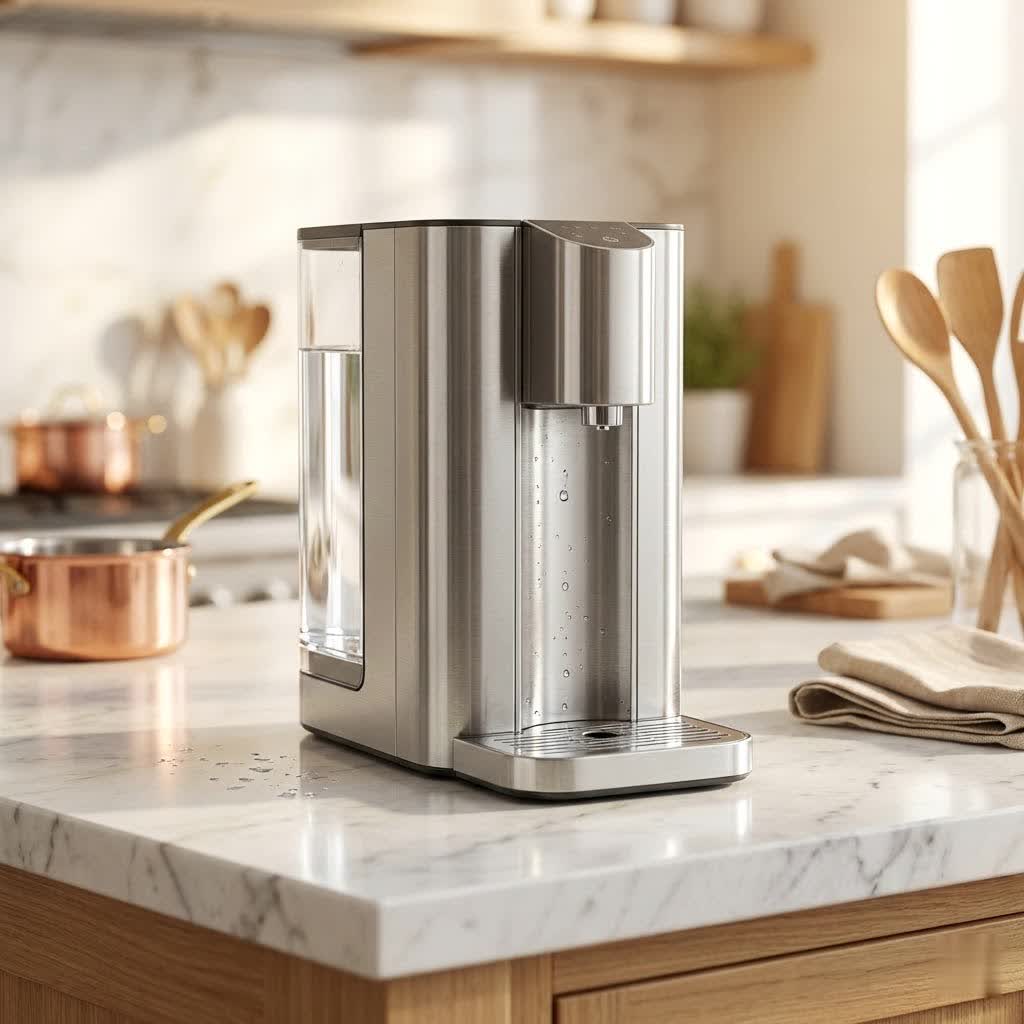
Ensuring access to clean, safe drinking water is a cornerstone of a healthy lifestyle for every household. In an era where water quality can be a significant concern, a modern water purifier and dispenser system offers an invaluable solution, combining advanced filtration with convenient access to fresh water. This comprehensive guide will navigate you through the various technologies, types, and crucial factors to consider when selecting the perfect water purification and dispensing unit for your home.
Understanding Water Purifiers and Dispensers
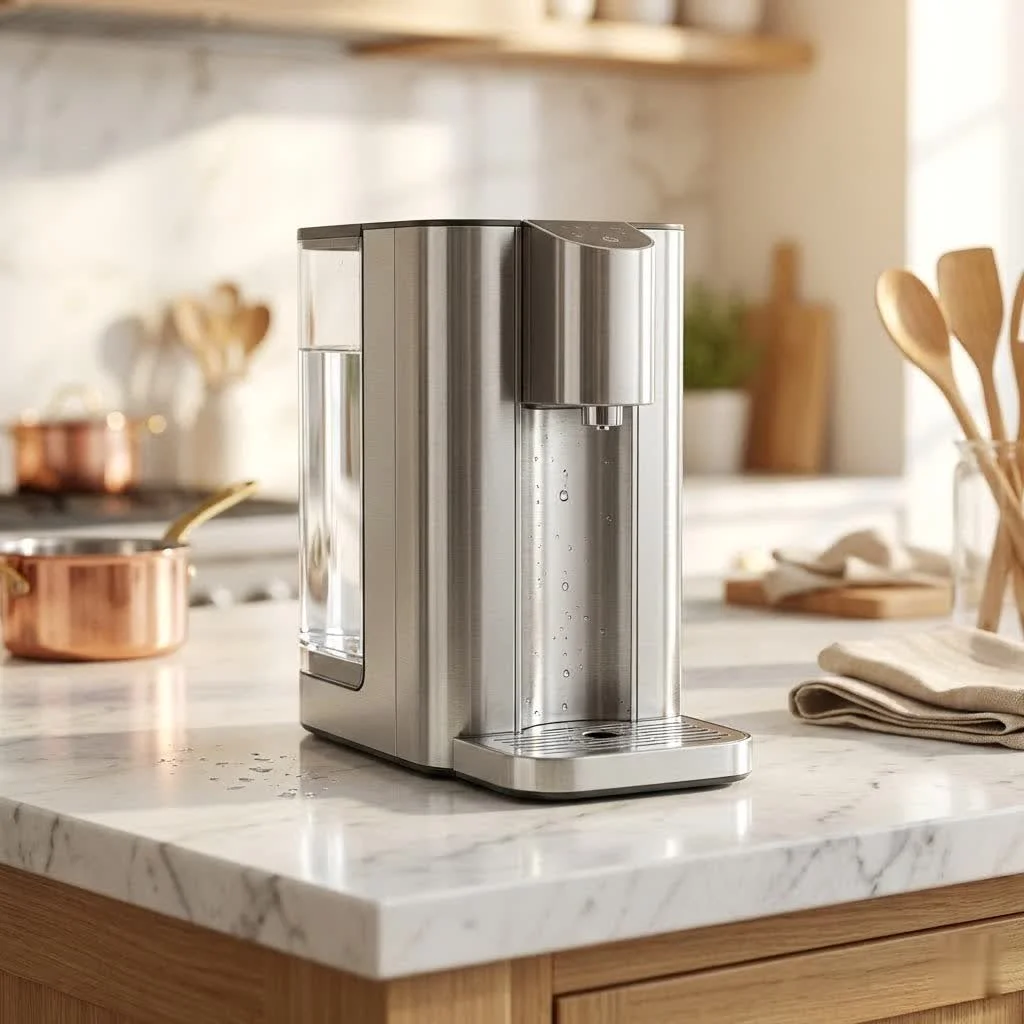
Many people often use the terms “water purifier” and “water dispenser” interchangeably, but they serve distinct primary functions. A water dispenser primarily stores and delivers water, often at various temperatures like hot, cold, or ambient. Conversely, a water purifier is engineered to remove contaminants and impurities from water, ensuring it is safe and healthy to drink. The most effective home solutions today seamlessly integrate both roles, filtering water directly from your tap and then dispensing it on demand, creating a continuous supply of purified water without the need for bottled refills.
Common Types of Water Purification Technologies
Advanced water purifier and dispenser systems utilize a range of technologies, often in multi-stage combinations, to ensure comprehensive water purification. Understanding these methods is key to choosing a system that addresses your specific water quality concerns.
- Reverse Osmosis (RO): This highly effective method pushes water through a semi-permeable membrane, removing a vast spectrum of contaminants, including dissolved solids, heavy metals, nitrates, fluoride, and even microscopic pollutants. While incredibly thorough, some RO systems can also remove beneficial minerals, leading to variations that include remineralization stages to restore essential minerals.
- Ultraviolet (UV) Purification: UV systems use UV light to sterilize water by destroying bacteria, viruses, and other microorganisms by disrupting their DNA. This method is chemical-free and highly effective against biological contaminants, though it does not remove physical particles, chemicals, or improve taste.
- Ultrafiltration (UF) and Nanofiltration: These technologies employ a physical barrier to remove suspended solids, bacteria, viruses, colloids, and larger organic molecules from water. They are less aggressive than RO, allowing beneficial minerals to pass through while effectively filtering out harmful pathogens and particles.
- Activated Carbon Filtration: Carbon filters are excellent at adsorbing chlorine, sediment, volatile organic compounds (VOCs), and other chemicals that cause unpleasant tastes and odors. They significantly improve the aesthetic quality of water but are not effective against dissolved minerals or many microorganisms on their own.
Modern water purifier and dispenser units frequently combine these technologies, such as an activated carbon pre-filter followed by an RO membrane and a post-carbon filter, or a UF membrane with UV sterilization, to offer broad-spectrum purification.
Types of Water Dispensers: Integrating Purification with Convenience
The synergy between purification and dispensing capability offers unparalleled convenience in various forms, tailored to different home setups and preferences.
- Countertop Water Purifier and Dispenser: These compact units sit directly on your kitchen counter, connecting either to your faucet via a diverter or requiring manual refilling. Many employ RO or multi-stage filtration and dispense purified water, often with hot and cold options. They are ideal for renters or those seeking easy installation without plumbing modifications.
- Under-Sink Water Purifier and Dispenser: For a seamless aesthetic, under-sink systems are installed beneath your kitchen sink, delivering purified water through a dedicated faucet mounted on the countertop. These systems free up counter space and provide a continuous supply of filtered water directly from your main water line.
- Bottleless (Point-of-Use) Water Coolers with Purification: These floor-standing or sometimes countertop units connect directly to your home’s water supply, eliminating the need for heavy, cumbersome water bottles. They typically feature robust multi-stage filtration systems and provide instant hot, cold, and ambient water, making them popular for larger families or office environments.
Choosing the right type depends on your space, aesthetic preferences, and the level of convenience you desire for accessing purified water.
Key Criteria for Choosing Your Ideal Water Purifier and Dispenser
Selecting the best water purifier and dispenser involves evaluating several critical factors to ensure it meets your household’s specific needs.
- Source Water Quality: Understanding your tap water’s specific contaminants is paramount. Obtain a local water quality report or conduct a home water test to identify issues like heavy metals, chlorine, fluoride, or microbial concerns. This will guide you toward the most appropriate filtration technology.
- Filtration Capacity and Speed: Consider the daily water consumption of your household. Systems are rated by gallons per day (GPD) for RO or total gallons per filter for other types. Ensure the capacity aligns with your usage to avoid slow dispensing or frequent filter changes.
- Purification Technology: Based on your water quality report, choose a system with technologies specifically designed to target the identified contaminants. For broad protection, multi-stage systems are often recommended.
- Dispensing Features: Decide if you need instant hot, cold, or ambient water. Some advanced models even offer sparkling water or built-in ice makers, enhancing convenience but typically increasing cost and complexity.
- Installation and Maintenance: Assess whether you prefer a DIY-friendly countertop unit or are comfortable with professional installation for under-sink or bottleless systems. Factor in the ease and cost of filter replacement, as well as the manufacturer’s recommended maintenance schedule.
- Brand Reputation and Certifications: Opt for reputable brands with a proven track record. Look for certifications from independent organizations like NSF International, ANSI, or the Water Quality Association (WQA). These certifications verify that a product meets specific standards for contaminant reduction and material safety.
- Cost Considerations: Evaluate not just the initial purchase price but also the long-term running costs, including replacement filters, potential maintenance services, and energy consumption for hot/cold features.
Investing in Purity: A Comprehensive Buying Guide
Navigating the market for water purifiers and dispensers can be daunting. Follow this buying guide to make an informed decision:
- Assess Your Needs: How many people are in your household? What are your primary concerns regarding tap water? Do you need hot water for beverages, cold water for drinking, or both? What is your budget for initial purchase and ongoing maintenance?
- Research Products and Technologies: Look into different models and their filtration technologies. Compare specifications like GPD, filter lifespan, and contaminant removal capabilities. Read professional reviews and consumer feedback to understand real-world performance.
- Verify Certifications: Always prioritize systems that are independently certified to NSF/ANSI standards relevant to your concerns (e.g., Standard 53 for health effects, Standard 58 for RO systems, Standard 401 for emerging contaminants). This ensures the product’s claims are legitimate.
- Consider Installation and Space: Determine if a countertop, under-sink, or free-standing bottleless unit best fits your available space and willingness for installation. Some systems require professional plumbing, while others are plug-and-play.
- Evaluate Running Costs: Filter replacement is a recurring cost. Calculate the annual cost of filters and compare it across different models. Also, consider the energy efficiency if you opt for hot and cold water features.
- Read User Reviews: Beyond professional evaluations, user reviews can offer valuable insights into daily usability, common issues, and customer service experiences. Look for consistent patterns in feedback.
Maximizing Longevity: Usage and Maintenance Tips
To ensure your water purifier and dispenser continues to deliver clean, refreshing water efficiently for years to come, proper usage and maintenance are essential.
- Regular Filter Replacement: Adhere strictly to the manufacturer’s recommended filter replacement schedule. Overdue filters lose their effectiveness and can even harbor contaminants, compromising water quality. Many modern units have indicator lights to alert you when it’s time for a change.
- System Cleaning: Periodically clean and sanitize your dispenser, especially the dispensing nozzles, drip trays, and exterior surfaces. For bottleless systems, follow specific instructions for flushing or sanitizing internal components to prevent microbial growth.
- Monitor Performance: Pay attention to any changes in water taste, odor, or flow rate. These can be early indicators that a filter needs replacement or that the system requires attention.
- Handle with Care: Avoid using abrasive cleaners on the unit’s exterior, and ensure it is placed on a stable, level surface. For countertop models, ensure adequate ventilation if required.
Conclusion
Investing in a high-quality water purifier and dispenser is more than just a purchase; it’s a commitment to the health and well-being of your family. With numerous options available, from advanced multi-stage RO systems to convenient countertop units, there is a perfect solution for every home. By understanding the technologies, evaluating your specific needs, and committing to regular maintenance, you can ensure a consistent supply of clean, safe, and great-tasting water at your fingertips. Why settle for less when pure hydration is within reach?
Frequently Asked Questions
What is the primary difference between a basic water dispenser and a water purifier and dispenser combo?
|
Our Picks for the Best Water Purifier in 2026
As an Amazon Associate I earn from qualifying purchases.
|
||
| Num | Product | Action |
|---|---|---|
| 1 | ZeroWater 52-Cup Ready-Read 5-Stage Water Filter Pitcher Dispenser with 5-Stage 0 TDS Zero Water Filter – IAPMO Certified to Reduce Metals, Chlorine, Lead, Chromium, and Forever Chemicals PFOA/PFOS |

|
| 2 | Brita UltraMax Large Water Dispenser with 1 BritaPlus Filter, 27 Cup Capacity, Black (Package May Vary) |
|
| 3 | ZeroWater 32-Cup 5-Stage Water Filter Dispenser with Instant Read Out - 0 TDS for Improved Tap Water Taste - IAPMO Certified to Reduce Lead, Chromium, and PFOA/PFOS |
|
| 4 | Brita Hub Compact Instant Powerful Countertop Water Filter System, Reduces 70+ Contaminants, 9 Cup Water Reservoir, Includes 6 Month Carbon Block Filter, White, 87344 |
|
| 5 | AquaTru Carafe Countertop Water Purifier - Compact 4-Stage Reverse Osmosis System with Glass Carafe Removes 84 Contaminants Including Forever Chemicals, Lead & Fluoride - No Plumbing |
|
| 6 | Brita UltraMax Large Water Dispenser With Standard Filter, BPA-Free, Reduces Copper, Cadmium and Mercury Impurities, Lasts 2 Months or 40 Gallons, Includes 1 Filter, Kitchen Accessories, Large 27-Cup |
|
| 7 | Vortopt Carbon Block Water Filter for Sink Faucet,NSF/ANSI 42 Certified Faucet Water Filter,with Display & 400 Gallon Capacity. |
|
| 8 | Mate 3 Countertop Reverse Osmosis Water Filter System, 8 Stage Purification, 3:1 Pure to Drain, No Installation Required, Smart Sensor Water Dispensing, Reduce TDS, RO Water Purifier |
|
| 9 | Waken Electric C11S Reverse Osmosis Water Filtration System Countertop 180oz Water Tank 4:1 Pure to Drain 8 Stage RO Filter No Installation for Home Apartment Condo RV |
|
| 10 | 3 Stage RV Water Filter System, 0.2 Micron Taste Pure Water Filter with Compact 5 Inch for RV, 3-Stage High Flow Water Filter for RVs, Boats and Campers |
|
A basic water dispenser simply stores and dispenses water, which typically needs to be pre-filtered or bottled. A water purifier and dispenser combo, however, integrates filtration technology to purify water directly from your tap before dispensing it, ensuring a continuous supply of clean drinking water.
How often do I need to replace the filters in my water purifier and dispenser?
Filter replacement frequency varies by the system type, the filter’s capacity, and your household’s water usage and quality. Most common filters require replacement every 6 to 12 months, while reverse osmosis membranes can last 2 to 3 years. Always refer to your manufacturer’s guidelines for precise recommendations.
Can a water purifier and dispenser remove fluoride?
Yes, some water purifier and dispenser systems, particularly those utilizing Reverse Osmosis (RO) technology or specialized activated alumina filters, are highly effective at reducing fluoride levels in drinking water. It’s crucial to check the product specifications and certifications if fluoride removal is a priority for you.
Pet products vetted on real animals
Practical specs, not advice. Unsubscribe anytime.
