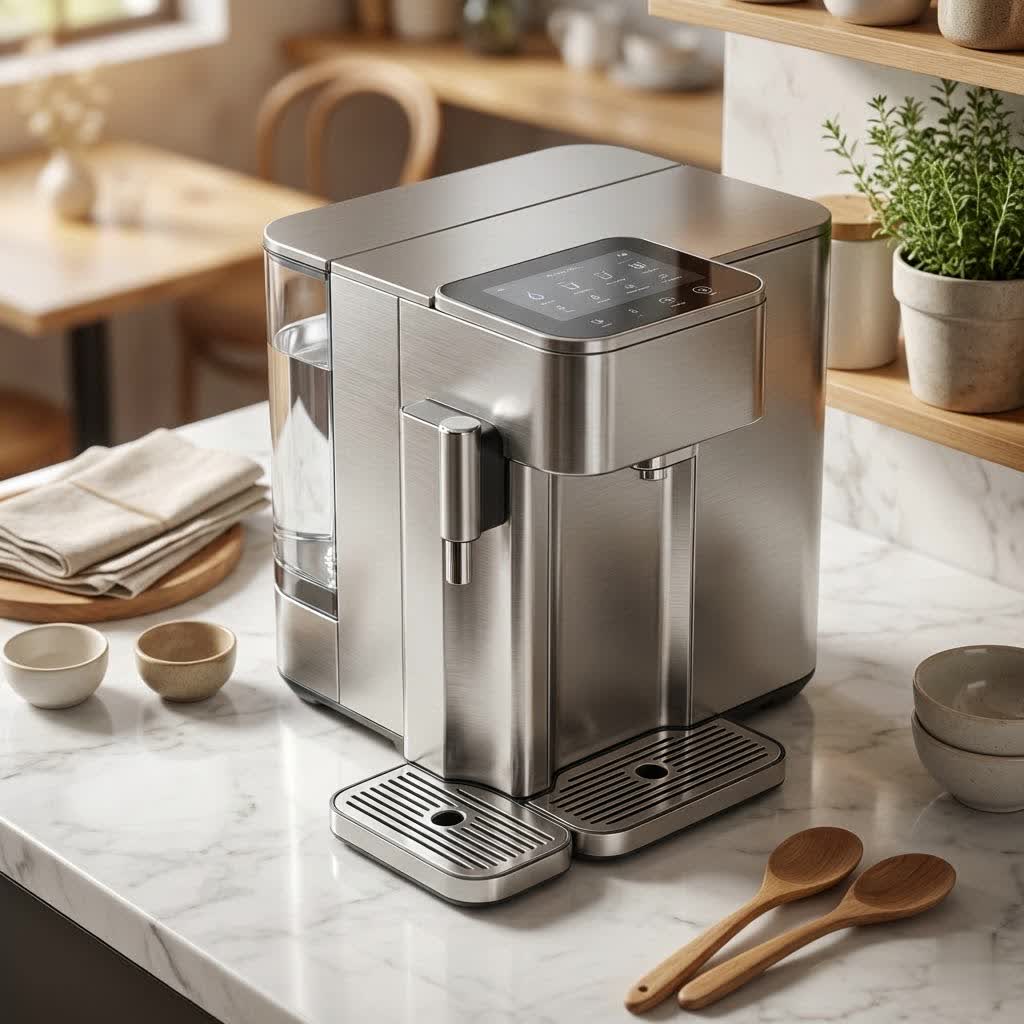
Access to clean, purified water is not merely a convenience but a critical operational necessity for countless industries. From manufacturing pharmaceuticals to processing food and beverages, the quality of water directly impacts product integrity, equipment longevity, and even regulatory compliance. An industrial water purifier system is a heavy-duty solution designed to remove impurities, ensuring that water meets the stringent standards required for specific industrial applications. Without a robust purification system, businesses face risks ranging from costly equipment damage and product contamination to potential health hazards for workers.
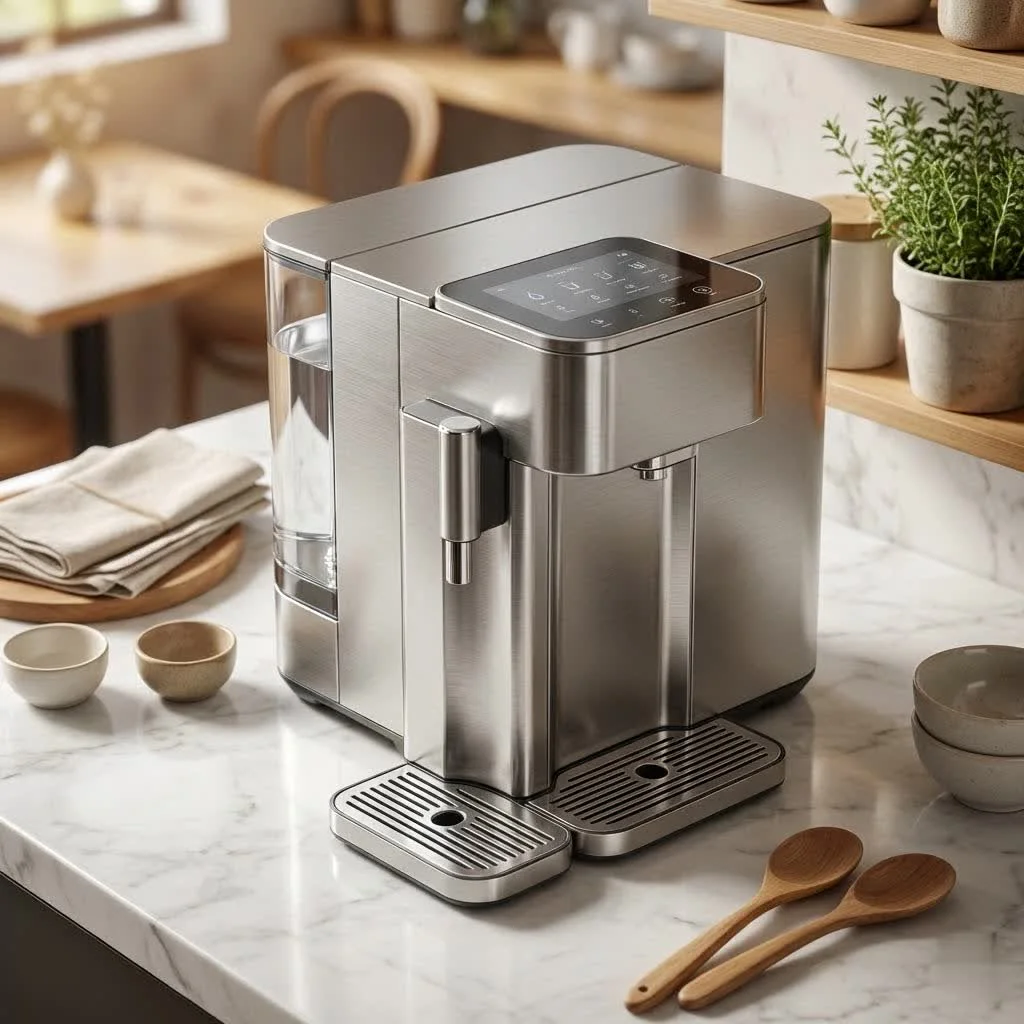
This guide examine the world of industrial water purification, exploring the diverse technologies available, the essential criteria for selecting the right system, and best practices for their usage and maintenance. Whether you’re upgrading an existing facility or commissioning a new plant, understanding these intricate systems is paramount to achieving unparalleled operational efficiency and maintaining product quality.
Common Industrial Water Purification Technologies
Industrial water purification systems employ a variety of advanced technologies, often in combination, to tackle the complex contaminant profiles found in raw water sources. Each technology is designed to target specific types of impurities, ensuring the treated water meets the exact purity requirements of the industrial process.
Reverse Osmosis (RO)
Reverse Osmosis is one of the most widely used and effective purification technologies, capable of removing 95-98% of inorganic dissolved material, including salts, heavy metals like lead, and small contaminants. An RO system forces water through a semi-permeable membrane, which blocks larger molecules and ions while allowing pure water to pass through. It is particularly valued in industries requiring high-purity water, such as pharmaceuticals, electronics manufacturing, and specific food processing applications.
Ultrafiltration (UF)
Ultrafiltration systems utilize hollow fiber membranes with smaller pores than microfiltration but larger than nanofiltration or reverse osmosis. UF effectively removes suspended solids, microorganisms (like bacteria and viruses), colloids, and large organic molecules, while typically retaining dissolved minerals. UF systems are often employed as a pre-treatment stage for RO systems or for large-scale applications where cost-effectiveness and efficient removal of particulate matter are key.
Activated Carbon Filtration
Activated carbon filters are highly effective at adsorbing organic compounds, chlorine, chloramines, pesticides, and various volatile organic compounds (VOCs) that can impart unpleasant tastes and odors to water. These filters contain granular or block activated carbon, which has a large surface area for contaminants to bind to. They are commonly used as a pre-treatment step to protect downstream membranes or as a polishing filter for taste and odor improvement.
Sediment Filtration (Depth/Mechanical)
|
Our Picks for the Best Water Purifier in 2026
As an Amazon Associate I earn from qualifying purchases.
|
||
| Num | Product | Action |
|---|---|---|
| 1 | Brita UltraMax Large Water Dispenser with 1 BritaPlus Filter, 27 Cup Capacity, Black (Package May Vary) |

|
| 2 | 3 Stage RV Water Filter System, 0.2 Micron Taste Pure Water Filter with Compact 5 Inch for RV, 3-Stage High Flow Water Filter for RVs, Boats and Campers |
|
| 3 | Brita UltraMax Large Water Dispenser With Standard Filter, BPA-Free, Reduces Copper, Cadmium and Mercury Impurities, Lasts 2 Months or 40 Gallons, Includes 1 Filter, Kitchen Accessories, Large 27-Cup |
|
| 4 | Mate 3 Countertop Reverse Osmosis Water Filter System, 8 Stage Purification, 3:1 Pure to Drain, No Installation Required, Smart Sensor Water Dispensing, Reduce TDS, RO Water Purifier |
|
| 5 | ZeroWater 32-Cup 5-Stage Water Filter Dispenser with Instant Read Out - 0 TDS for Improved Tap Water Taste - IAPMO Certified to Reduce Lead, Chromium, and PFOA/PFOS |
|
| 6 | AquaTru Carafe Countertop Water Purifier - Compact 4-Stage Reverse Osmosis System with Glass Carafe Removes 84 Contaminants Including Forever Chemicals, Lead & Fluoride - No Plumbing |
|
| 7 | Vortopt Carbon Block Water Filter for Sink Faucet,NSF/ANSI 42 Certified Faucet Water Filter,with Display & 400 Gallon Capacity. |
|
| 8 | ZeroWater 52-Cup Ready-Read 5-Stage Water Filter Pitcher Dispenser with 5-Stage 0 TDS Zero Water Filter – IAPMO Certified to Reduce Metals, Chlorine, Lead, Chromium, and Forever Chemicals PFOA/PFOS |
|
| 9 | Brita Hub Compact Instant Powerful Countertop Water Filter System, Reduces 70+ Contaminants, 9 Cup Water Reservoir, Includes 6 Month Carbon Block Filter, White, 87344 |
|
| 10 | Waken Electric C11S Reverse Osmosis Water Filtration System Countertop 180oz Water Tank 4:1 Pure to Drain 8 Stage RO Filter No Installation for Home Apartment Condo RV |
|
Sediment filtration, also known as depth or mechanical filtration, is typically the first stage in an industrial water purification process. These filters are designed to remove larger suspended particles such as dirt, sand, rust, silt, and other debris from the water. By physically trapping these larger contaminants, sediment filters protect more delicate downstream components, like RO membranes, from clogging and premature wear. Various filter media, including polypropylene, cotton, and gravel, are used, often in multi-layer configurations.
UV Purification
Ultraviolet (UV) purification is a chemical-free disinfection method that uses UV-C light to inactivate bacteria, viruses, and other microorganisms by disrupting their DNA, preventing them from replicating. UV systems are often used as a final polishing step or in conjunction with other filtration methods to ensure microbiological safety without altering the water’s chemical composition, taste, or odor.
Ion Exchange & Deionization (DI/EDI)
Ion exchange and deionization (DI) systems are employed to remove dissolved ionic impurities, such as mineral salts, from water. These systems use specialized resin beads that exchange unwanted ions (like calcium, magnesium, sodium, chloride) for hydrogen (H+) and hydroxyl (OH-) ions, resulting in highly purified water. Electrodialysis Reversal (EDR) and Electrodeionization (EDI) are advanced forms that use electricity to enhance ion removal and can be self-regenerating, reducing chemical waste.
Nanofiltration (NF)
Nanofiltration falls between ultrafiltration and reverse osmosis in terms of pore size. NF membranes can effectively remove larger dissolved organic molecules, bacteria, viruses, and divalent ions responsible for water hardness, while allowing smaller monovalent ions (like sodium and chloride) to pass through. This makes nanofiltration suitable for softening water, removing color, and reducing total organic carbon (TOC).
Key Criteria for Choosing an Industrial Water Purifier
Selecting the optimal industrial water purifier is a complex decision that requires careful consideration of several critical factors. A one-size-fits-all approach is rarely effective, as each industrial application has unique demands and water quality standards.
-
Source Water Analysis & Contaminant Profile: Before considering any purification system, a comprehensive analysis of your raw water source is essential. This detailed water testing will identify the specific contaminants present, including suspended solids, dissolved minerals (TDS, hardness), organic matter, microorganisms, and chemical pollutants. Understanding the precise contaminant profile is the foundational step to designing an effective purification strategy.
-
Required Water Quality & Industry Standards: Different industries and applications demand varying levels of water purity. For instance, pharmaceutical manufacturing requires ultrapure water (USP grade), while cooling towers might need less stringent treatment. You must clearly define the required water quality post-filtration, ensuring compliance with relevant industry regulations (e.g., FDA, EPA) and internal quality control protocols.
-
System Capacity & Flow Rate: Accurately assessing your daily purified water requirement and peak flow rate is crucial. The chosen system must have sufficient capacity to meet the demands of your operations without creating bottlenecks or system strain. Over-sizing can lead to unnecessary capital expenditure, while under-sizing will result in production disruptions.
-
Operating Conditions: Environmental factors and process specifications, such as water temperature, operating pressure, and chemical compatibility, play a significant role. The purification system components must be robust enough to withstand these conditions and operate efficiently within defined thresholds.
-
Maintenance Needs & Costs: Long-term operational costs often include maintenance, filter replacement, and spare parts. Consider the frequency and complexity of maintenance procedures, the availability and cost of replacement components, and the technical expertise required for upkeep. Opting for systems that are easier to maintain and have reliable support can significantly reduce downtime and overall expenses.
-
Energy Efficiency: Energy consumption is a substantial operational cost for industrial water purification systems. Evaluating the energy efficiency of different technologies and specific models can lead to significant long-term savings and contribute to sustainability goals.
-
Budget & Overall Cost-Effectiveness: Beyond the initial purchase and installation costs, consider the total cost of ownership (TCO) over the system’s lifespan. This includes energy consumption, consumables (filters, membranes, chemicals), labor for maintenance, and potential costs associated with downtime or process disruptions.
-
Space Requirements: Industrial purification systems can vary greatly in size, from compact units to large, skid-mounted installations. Assess the available footprint in your facility and choose a system that fits your physical constraints.
-
Supplier Reputation & Support: A reputable supplier with a proven track record is invaluable. Look for providers offering comprehensive after-sales service, technical support, warranties, and training for your in-house team. Their credibility and customer satisfaction are key indicators of reliable partnership.
-
Regulatory Compliance: Water management in industrial settings is often subject to strict environmental and health regulations. Ensure that your chosen system can consistently meet all required compliance standards for both treated water and any wastewater discharge.
Comparing Leading Industrial Water Purification Solutions
When evaluating industrial water purification solutions, the “best” system isn’t a single product but rather a tailored combination of technologies. The optimal setup depends entirely on your raw water quality, the purity level required for your specific application, and operational considerations.
Many industrial processes integrate multiple purification stages. For example, a typical high-purity system might begin with sediment filtration to remove large particles, followed by activated carbon to address chlorine and organics, then a reverse osmosis unit for dissolved solids removal, and finally UV disinfection or ion exchange for ultra-pure requirements.
- For high-purity applications (e.g., electronics, pharmaceuticals): Systems heavily reliant on Reverse Osmosis (RO) and Ion Exchange (DI/EDI) are common. RO effectively removes the bulk of dissolved solids, while DI or EDI polishes the water to extremely low conductivity levels. Pre-treatment with UF can significantly extend the life and efficiency of RO membranes.
- For wastewater treatment and recycling: Ceramic filtration, ultrafiltration, and specialized biological treatments are often employed. These systems focus on removing suspended solids, organic matter, and contaminants to either meet discharge regulations or enable water reuse within the facility.
- For boiler feed water and cooling towers: Water softening, dealkalization, and often RO are used to prevent scaling and corrosion caused by mineral buildup. Precise chemical dosing might also be integrated to control microbial growth.
There isn’t a single universal “best brand” for industrial purifiers, as solutions are highly customized. Instead, focus on providers who offer comprehensive water analysis, custom system design, integration capabilities, and robust after-sales support specific to your industry’s needs. Brands like DuPont and Veolia are known for their advanced water treatment technologies and solutions tailored for industrial sectors.
Industrial Water Purifier Buying Guide: A Step-by-Step Approach
Acquiring an industrial water purification system is a significant investment that impacts your entire operation. A structured approach ensures you choose a system that is efficient, reliable, and cost-effective.
- Assess Your Water Source and Requirements: Begin with a professional water analysis of your incoming raw water. This will precisely identify contaminants and their concentrations. Simultaneously, define the exact purity level required for your industrial processes.
- Define Your Purification Goals: Beyond just clean water, what are your specific objectives? Are you aiming for regulatory compliance, improved product quality, reduced equipment downtime, water recycling, or a combination of these? Clear goals will guide system selection.
- Research Available Technologies: Understand the strengths and limitations of different purification methods (RO, UF, activated carbon, UV, ion exchange, etc.). Determine which technologies, or combination of technologies, are best suited to address your identified contaminants and purification goals.
- Evaluate System Specifications: Look closely at factors such as the system’s capacity (gallons per day or liters per hour), recovery rate (how much product water is produced vs. wastewater), materials of construction, level of automation, and overall footprint. Consider how these specifications align with your operational scale and space availability.
- Consider Long-Term Costs: Factor in not only the upfront purchase and installation costs but also ongoing expenses. This includes the cost and lifespan of filters and membranes, chemical consumption for cleaning or regeneration, energy usage, and anticipated maintenance needs. A system with a higher initial cost might offer lower operational costs over time due to greater efficiency or durability.
- Verify Supplier Credibility and Support: Choose a supplier with extensive experience in industrial water purification, strong industry references, and a reputation for reliable after-sales service. Inquire about warranties, technical support, remote monitoring capabilities, and training programs for your staff.
- Ensure Compliance: Confirm that the proposed system meets all relevant local, national, and international regulatory standards for water quality and wastewater discharge. This is a non-negotiable aspect of industrial operations.
- Installation and Commissioning: Work closely with your chosen supplier to ensure proper installation and commissioning of the system. This often includes site preparation, integration with existing plumbing and electrical systems, and initial performance testing to verify that the system is operating as designed.
Effective Usage and Maintenance for Industrial Water Purifiers
Proper usage and proactive maintenance are paramount to maximizing the lifespan, efficiency, and effectiveness of your industrial water purification system. Neglecting these aspects can lead to compromised water quality, increased operational costs, and unexpected downtime.
Adhering to Operational Guidelines
Always follow the manufacturer’s specified operational parameters for your system. This includes maintaining appropriate feed water pressure, temperature, and flow rates. Deviations can stress components, reduce efficiency, and shorten the lifespan of membranes and filters. Proper startup and shutdown procedures are also crucial to prevent damage.
Routine Filter and Membrane Replacement
Filters and membranes are the workhorses of any purification system, but they have a finite lifespan. Over time, they become clogged with trapped contaminants, reducing their efficiency and the quality of the purified water. Implement a strict schedule for replacing pre-filters (often monthly), carbon filters (1-3 years), and RO membranes (2-3 years, with regular cleaning) as recommended by the manufacturer.
Regular Cleaning and Sanitization
Membrane-based systems, especially RO units, require periodic cleaning and sanitization to prevent fouling by organic and inorganic matter and to inhibit microbial growth. Clean-in-Place (CIP) procedures using specialized chemical solutions are essential to restore membrane performance. The frequency of CIP depends on water chemistry and system recovery rates.
System Monitoring and Performance Checks
Consistent monitoring of water quality parameters (pH, TDS, turbidity, conductivity, microbiological contaminants), pressure gauges, and flow meters is critical. Any significant deviation can indicate a problem that needs immediate attention. Many modern industrial systems offer real-time monitoring capabilities, often with wireless alerts, allowing for prompt corrective actions.
Instrument Calibration
Sensors and instruments, such as ORP (Oxidation-Reduction Potential) and pH probes, are vital for accurate data collection and process optimization. Regular calibration of these instruments ensures that their readings are precise, preventing misinterpretations that could lead to suboptimal operating conditions or system upset.
Preventative Maintenance Scheduling
Establishing a comprehensive preventative maintenance schedule is key to avoiding costly emergency repairs and extending the system’s overall life. This schedule should include regular inspections of all equipment components for leaks, checks of control valves and electronic controllers, and drain inspections. Proactive maintenance allows for the early detection and resolution of potential issues before they escalate into significant problems.
The Role of Pretreatment
While not always considered “maintenance,” effective pretreatment is an integral part of industrial water purification that directly impacts the longevity and performance of the main system, especially RO membranes. Pretreatment steps like advanced filtration, water softening, or antiscalant dosing protect downstream components from fouling, scaling, and damage, ensuring the purification system operates at its peak efficiency.
Conclusion
Investing in a robust industrial water purifier system is a strategic decision that underpins the quality, efficiency, and sustainability of industrial operations. By carefully assessing your water source, defining your precise purification requirements, and selecting the most appropriate technologies, you can secure a reliable supply of high-purity water essential for your processes.
Effective management of these sophisticated systems extends beyond initial installation; it requires a diligent commitment to regular maintenance, monitoring, and adherence to operational best practices. This proactive approach ensures optimal performance, minimizes downtime, and safeguards your investment over the long term.
What specific water quality challenge is your industrial operation facing right now?
Frequently Asked Questions
What is the primary difference between commercial and industrial water purifiers?
Industrial water purifiers are designed for heavy-duty, large-scale use in factories, manufacturing plants, and food processing units, handling massive water volumes for production processes, cooling, and boilers. Commercial purifiers, in contrast, typically serve smaller establishments like offices or restaurants, primarily for drinking water or light culinary uses.
How often should industrial filters be replaced?
The replacement frequency for industrial filters varies significantly depending on the filter type, the quality of the source water, and the volume of water processed. Pre-filters might need replacement monthly, carbon filters every 1 to 3 years, and RO membranes typically every 2 to 3 years, often with semi-annual cleaning. Regular monitoring and adherence to manufacturer guidelines are essential.
Can industrial water purifiers handle highly contaminated water?
Yes, industrial water purification systems are engineered to treat a wide range of contaminants, including those in highly impure raw water sources. These systems often utilize multiple stages of filtration and treatment technologies in sequence, such as robust pre-filtration, advanced membrane systems (RO, UF), and chemical treatments, to achieve the required water quality, even from severely contaminated inputs.
What are the benefits of a robust industrial water purification system?
A robust industrial water purification system offers numerous benefits, including preventing equipment corrosion and damage, ensuring consistent product quality, complying with environmental regulations, reducing operational downtime, and potentially enabling water recycling and reuse, which leads to significant cost savings and environmental advantages.
Is Reverse Osmosis always the best choice for industrial use?
While Reverse Osmosis (RO) is a highly effective and widely used technology for industrial water purification, it is not always the singular “best” choice. The optimal system depends on the specific contaminants present, the required water purity, and economic factors. RO is excellent for removing dissolved solids, but other technologies like Ultrafiltration (UF) or Ion Exchange (DI) might be more suitable or cost-effective depending on the specific application and contaminant profile. Often, a combination of technologies yields the most efficient and effective solution.
Pet products vetted on real animals
Practical specs, not advice. Unsubscribe anytime.

This guide was a lifesaver for our chemical plant. We were constantly dealing with issues related to water quality impacting our product yields. Understanding the essential criteria for selecting the right system, especially regarding specific contaminant removal, made our decision process so much clearer. Our operational efficiency has seen a noticeable boost since implementing the recommended purification system.
I appreciated the breakdown of different industrial applications. We’re a smaller textile dyeing operation, and while the information was helpful, some of the systems discussed felt a bit overkill for our scale. We ended up finding a more modular system that fit our budget better, but it would have been nice to see more options for businesses that aren’t massive corporations. Still, good overview of the core concepts.
As a food and beverage processor, water quality is everything. We were struggling with mineral buildup in our equipment, leading to frequent downtime. After reading about the various systems, we opted for a reverse osmosis setup. It’s been great for reducing impurities and extending the life of our machinery. The initial installation was a bit more complex than anticipated, but the results speak for themselves.
We recently upgraded our pharmaceutical manufacturing plant with a new industrial water purifier system, and the difference is night and day. The guide really helped us understand the importance of specific filtration technologies for our sensitive processes. Our product integrity has definitely improved, and we’re seeing much better consistency in our batches. It’s a significant investment, but totally worth it for regulatory compliance alone.