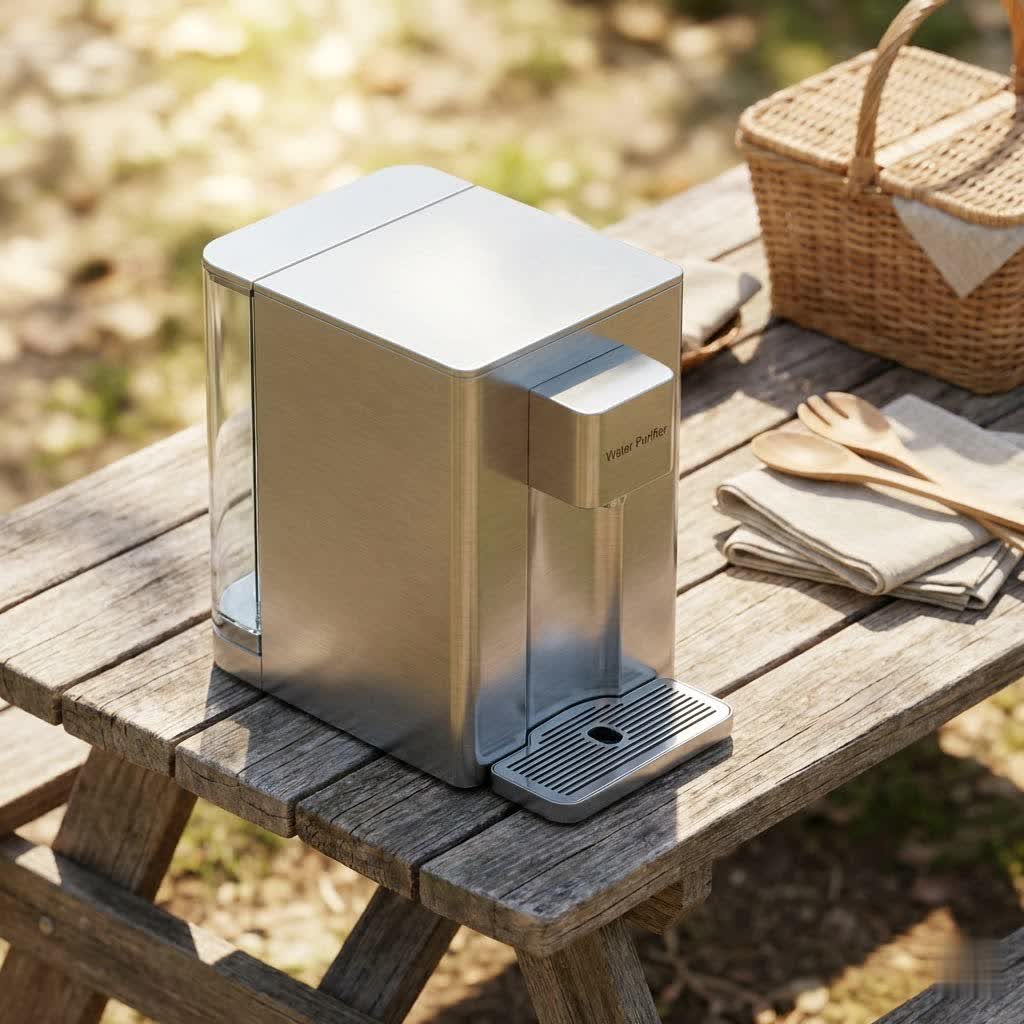
Ensuring clean, safe drinking water is a top priority for every household. With various water purifier technologies and models on the market, choosing the right system can feel overwhelming. This comprehensive guide will help you navigate the options, understand what truly matters, and select the best water purifier to provide your family with pure, refreshing water.
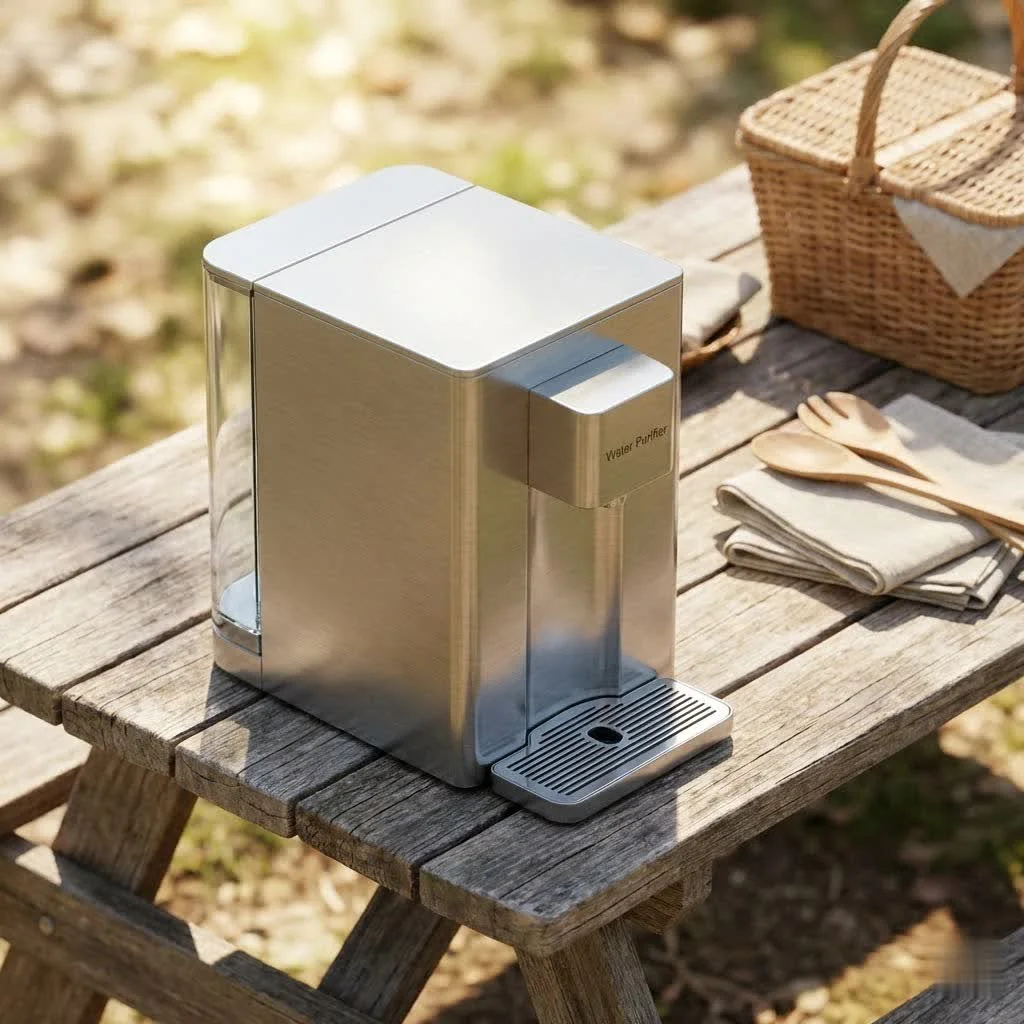
Popular Types of Water Purifiers
The journey to pristine water begins with understanding the core technologies available. Each purification method tackles different contaminants and offers unique benefits and drawbacks. For shop curated home on this site.
Activated Carbon Filters
Activated carbon filters work by adsorption, trapping contaminants onto the surface of porous carbon particles. They are highly effective at removing chlorine, volatile organic compounds (VOCs), certain pesticides, and chemicals that cause unpleasant tastes and odors, significantly improving water palatability. These systems are generally affordable, easy to install, and require minimal maintenance. However, they may not effectively remove heavy metals, nitrates, or dissolved inorganic pollutants, and their effectiveness diminishes as the carbon becomes saturated over time.
Reverse Osmosis (RO) Systems
Reverse osmosis (RO) systems are renowned for their thorough purification capabilities. They push water through a semi-permeable membrane that filters out contaminants at a molecular level, removing up to 99% of dissolved solids, heavy metals (like lead and arsenic), fluoride, nitrates, and bacteria. This results in exceptionally clean, low-TDS water. While RO systems are highly effective, they can be a more significant investment upfront and often waste a considerable amount of water during the filtration process. Some advanced RO systems include a remineralization stage to add back beneficial minerals, which RO filtration can sometimes remove.
Ultraviolet (UV) Disinfection Systems
Ultraviolet (UV) disinfection systems use UV light to kill or inactivate bacteria, viruses, and other microorganisms in water without introducing chemicals. These systems are excellent for ensuring microbiologically safe water and do not alter the water’s taste or odor. UV purifiers require electricity to operate and do not remove chemical contaminants or particulate matter, making them ideal when combined with other filtration methods.
Ultrafiltration (UF) Systems
Ultrafiltration (UF) systems utilize a membrane with tiny pores to physically block and remove suspended solids, bacteria, viruses, and other large organic molecules. Similar to RO but with larger pores, UF systems retain natural minerals in the water and typically do not require electricity to operate, making them a good choice for areas with stable water quality.
Ion Exchange Filters
Ion exchange systems are frequently used for water softening, replacing undesirable ions like calcium and magnesium (which cause hard water) with more desirable ions such as sodium or potassium. They can also effectively remove heavy metals like lead and radium. A potential drawback is the addition of sodium to the water, which might be a concern for individuals on low-sodium diets.
Distillation Systems
|
Our Picks for the Best Water Purifier in 2026
As an Amazon Associate I earn from qualifying purchases.
|
||
| Num | Product | Action |
|---|---|---|
| 1 | 3 Stage RV Water Filter System, 0.2 Micron Taste Pure Water Filter with Compact 5 Inch for RV, 3-Stage High Flow Water Filter for RVs, Boats and Campers |

|
| 2 | Brita UltraMax Large Water Dispenser with 1 BritaPlus Filter, 27 Cup Capacity, Black (Package May Vary) |
|
| 3 | ZeroWater 32-Cup 5-Stage Water Filter Dispenser with Instant Read Out - 0 TDS for Improved Tap Water Taste - IAPMO Certified to Reduce Lead, Chromium, and PFOA/PFOS |
|
| 4 | Brita Hub Compact Instant Powerful Countertop Water Filter System, Reduces 70+ Contaminants, 9 Cup Water Reservoir, Includes 6 Month Carbon Block Filter, White, 87344 |
|
| 5 | AquaTru Carafe Countertop Water Purifier - Compact 4-Stage Reverse Osmosis System with Glass Carafe Removes 84 Contaminants Including Forever Chemicals, Lead & Fluoride - No Plumbing |
|
| 6 | ZeroWater 52-Cup Ready-Read 5-Stage Water Filter Pitcher Dispenser with 5-Stage 0 TDS Zero Water Filter – IAPMO Certified to Reduce Metals, Chlorine, Lead, Chromium, and Forever Chemicals PFOA/PFOS |
|
| 7 | Vortopt Carbon Block Water Filter for Sink Faucet,NSF/ANSI 42 Certified Faucet Water Filter,with Display & 400 Gallon Capacity. |
|
| 8 | Mate 3 Countertop Reverse Osmosis Water Filter System, 8 Stage Purification, 3:1 Pure to Drain, No Installation Required, Smart Sensor Water Dispensing, Reduce TDS, RO Water Purifier |
|
| 9 | Brita UltraMax Large Water Dispenser With Standard Filter, BPA-Free, Reduces Copper, Cadmium and Mercury Impurities, Lasts 2 Months or 40 Gallons, Includes 1 Filter, Kitchen Accessories, Large 27-Cup |
|
| 10 | Waken Electric C11S Reverse Osmosis Water Filtration System Countertop 180oz Water Tank 4:1 Pure to Drain 8 Stage RO Filter No Installation for Home Apartment Condo RV |
|
Distillation involves heating water to produce steam, which is then cooled and condensed back into purified liquid. This process effectively removes a wide array of impurities, including minerals, heavy metals, bacteria, and some chemicals. Distillation systems are reliable for water purity but are generally energy-intensive and produce water slowly, and they can remove beneficial minerals.
Ceramic Filters
Ceramic filters feature small, porous ceramic elements that physically trap bacteria, protozoa, sediment, and larger particles. They are durable, often reusable after cleaning, and highly effective against harmful microorganisms, improving water clarity. However, ceramic filters typically do not remove chemical contaminants and can have a slower flow rate compared to other systems.
Key Criteria for Choosing a Water Purifier
Selecting the ideal water purifier for your home involves more than just picking a popular model. Consider these essential factors to ensure you make an informed decision.
Your Water Source and Quality
The most crucial first step is to test your water. Whether you’re on municipal city water or a private well, contaminants can vary significantly. You can often obtain a local water quality report (Consumer Confidence Report or CCR) for city water, or use a DIY test kit for well water to identify specific issues like chlorine, hardness, iron, lead, bacteria, nitrates, or emerging contaminants like PFAS (per- and polyfluoroalkyl substances). “Different filters employ various technologies, such as activated carbon, reverse osmosis, or distillation, to remove contaminants like chlorine, lead, bacteria, pesticides, and other harmful substances.” [cite: 5 (The Kitchn)] Knowing your water’s profile allows you to choose a system designed to target those specific impurities.
Filtration Technology
Once you understand your water quality, match it to the most appropriate filtration technology. For comprehensive removal of a wide range of contaminants, including heavy metals and dissolved solids, an RO system is often recommended. If your primary concerns are taste, odor, and chlorine, an activated carbon filter may suffice. UV purification is excellent for eliminating biological contaminants like bacteria and viruses. Many modern purifiers combine multiple technologies (e.g., RO+UV) for broad-spectrum purification.
Filtration Capacity and Flow Rate
Consider your household size and daily water consumption. A single person might find a pitcher filter adequate, but a large family using filtered water for drinking, cooking, and other needs will benefit from a higher-capacity system. Whole-house filters can treat all incoming water, while under-sink systems provide a dedicated tap for purified drinking water. For whole-house systems, a flow rate of 10-15 GPM (gallons per minute) is standard for 1-2 bathrooms, with 15+ GPM needed for larger homes.
Certifications and Standards
Look for certifications from independent organizations such as NSF International and the Water Quality Association (WQA). Key NSF/ANSI standards include:
- NSF/ANSI 42: Addresses aesthetic issues like chlorine, taste, and odor.
- NSF/ANSI 53: Covers health-related contaminants, including lead, cysts, and VOCs.
- NSF/ANSI 372: Confirms that materials used in the system are lead-free.
These certifications assure you that the product has been rigorously tested and meets specific performance claims.
Quality of Materials
Opt for purifiers made from food-grade, non-toxic materials, especially for components that come into contact with water. Stainless steel tanks are preferred for their durability and resistance to rust.
Brand Reputation and After-Sales Service
Choose reputable brands known for quality products, reliable performance, and good customer support. Check warranty periods and the availability of replacement filters and service.
Upfront and Long-Term Costs
Consider both the initial purchase price and the ongoing costs of filter replacements and maintenance. While some systems may have a higher upfront cost, their long-term operating expenses might be lower due to longer-lasting filters. For instance, some RO systems have higher initial costs but can be more economical for high-volume users in the long run.
Buying Guide: Steps to Select Your Ideal Water Purifier
Follow these steps to make an informed decision and invest in the best water purifier for your home:
1. Identify Your Specific Needs
Start by assessing your household’s requirements. How many people will be using filtered water daily? What is your budget range for both the initial purchase and ongoing maintenance? What are your primary concerns regarding water quality (taste, specific contaminants, health)?
2. Test Your Water Thoroughly
This is a non-negotiable step. Obtain a water quality report for municipal water or use a reliable DIY test kit for well water. Understanding the contaminants present is essential for choosing a system that effectively addresses your unique water challenges.
3. Research Available Technologies
Familiarize yourself with the pros and cons of different filtration technologies like activated carbon, RO, UV, UF, ion exchange, and distillation. Match the technology to the contaminants identified in your water test. For instance, if lead is a concern, an RO system or an NSF/ANSI 53 certified carbon filter would be appropriate.
4. Compare Products and Brands
Look at specific models from reputable brands. Pay attention to their contaminant removal capabilities, certifications, flow rates, filter lifespan, and maintenance requirements. Utilize comparison tables and expert reviews to weigh options. For example, the APEC ROES-50 Essence Series is praised for excellent contaminant removal, while the Waterdrop G3P600 offers a tankless design for space-saving.
5. Consider Installation and Space
Determine if you are comfortable with a DIY installation for an under-sink RO system, which often requires some plumbing work, or if a simpler pitcher or faucet-mounted filter is more suitable. Also, consider the physical space available under your sink or on your countertop.
6. Read User Reviews and Ratings
Real-world user experiences can provide valuable insights into a purifier’s daily performance, ease of use, and common issues.
7. Purchase from Reputable Retailers
Buy your water purifier from authorized dealers or well-known online retailers to ensure you receive a genuine product with a valid warranty.
8. Inspect the Product Upon Arrival
Before making final payment or completing installation, thoroughly inspect the product for all accessories, parts, and a valid warranty card.
9. Follow Installation and Usage Instructions
Carefully read the manufacturer’s manual for proper installation and initial setup. This ensures optimal performance and prevents potential issues.
How to Use and Maintain Your Water Purifier
Proper usage and regular maintenance are crucial for maximizing your water purifier’s efficiency and extending its lifespan.
Regular Filter Replacement
The filters are the workhorses of your purification system. Over time, they become saturated with trapped contaminants, reducing their effectiveness. Always follow the manufacturer’s guidelines for filter replacement. While some pitcher filters may need changing every 2-4 weeks, carbon filters in other systems typically last 6-12 months, and RO membranes may last 2-4 years. Set reminders to ensure timely replacements.
Routine Cleaning
Keep both the exterior and interior components clean. Wipe down the exterior weekly with a damp cloth to prevent dust and grime buildup. The storage tank should be cleaned monthly, or at least every six months to annually for RO tanks, using mild, non-toxic cleaners or a food-grade disinfectant, followed by thorough rinsing.
Inspect for Leaks
Regularly check all connections, tubes, and seals for any signs of leakage. Even small leaks can indicate a failing component or cause water damage over time.
Pre-Filter Maintenance
If your system includes a pre-filter, clean or replace it every 2-3 months. This helps capture larger particles, protecting the more delicate main filters and extending their life.
UV Lamp Replacement
For purifiers equipped with UV sterilization, the UV lamp typically needs replacement every 12 months to maintain its germicidal effectiveness. Dust and debris can accumulate on the lamp, reducing its efficiency.
Professional Servicing
While many maintenance tasks are DIY-friendly, consider scheduling an annual professional inspection and cleaning. This comprehensive service can identify and address potential issues before they become major problems, ensuring your system operates at peak efficiency.
“Regular maintenance, especially timely filter changes, is paramount for a water purifier’s performance. Neglecting this can compromise the quality of your drinking water and shorten the life of your unit.” – [Expert Name/Title, e.g., Dr. Anya Sharma, Water Quality Specialist]
Conclusion
Choosing the best water purifier for your home is a significant decision that impacts your family’s health and well-being. By understanding the different purification technologies, evaluating your specific water quality needs, and considering factors like capacity, cost, and maintenance, you can confidently select a system that delivers consistently clean, safe, and great-tasting water. Remember, an informed choice and diligent upkeep will ensure your investment continues to provide pure hydration for years to come.
What steps will you take today to ensure your home enjoys the purest water possible?
Pet products vetted on real animals
Practical specs, not advice. Unsubscribe anytime.
