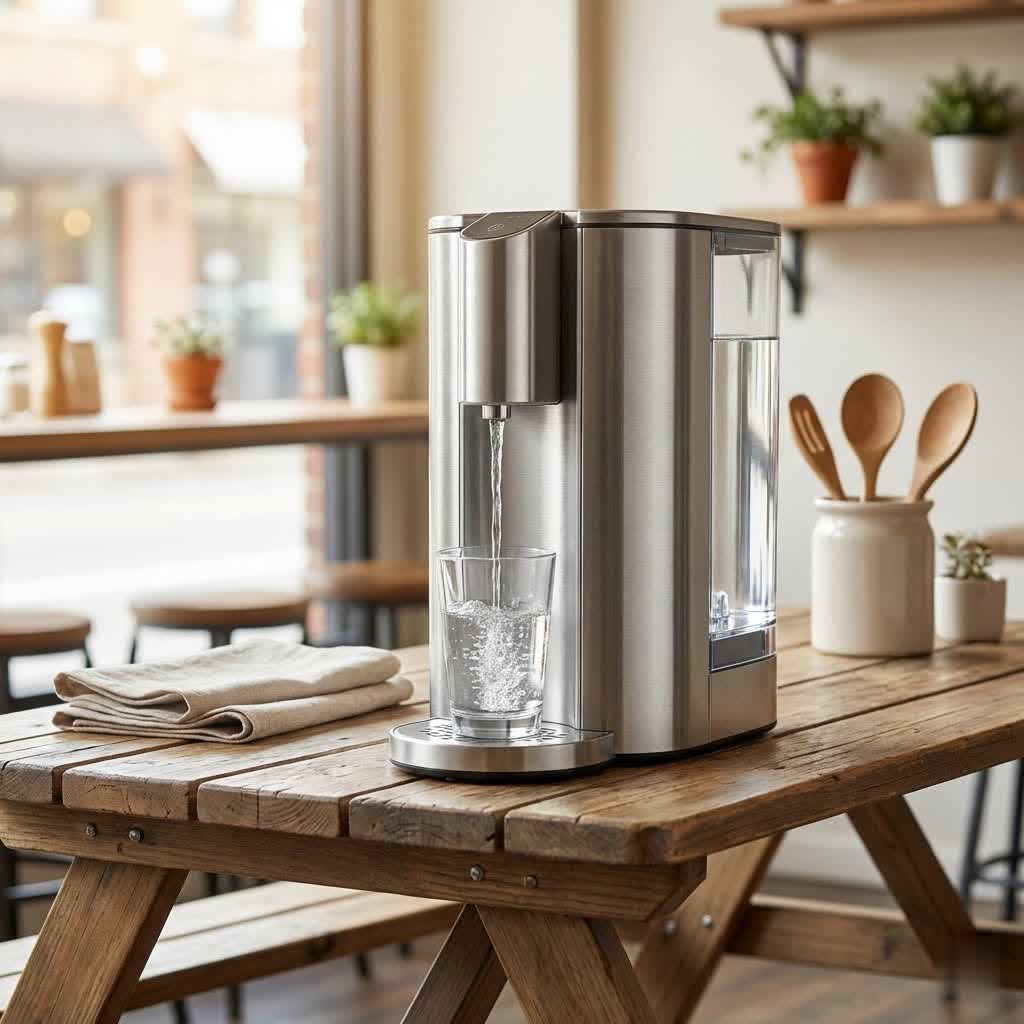
Ensuring your family has access to clean, safe drinking water is a top priority for any homeowner. While tap water often undergoes municipal treatment, it can still harbor a variety of contaminants, from chlorine and sediment to heavy metals, fluoride, and even emerging pollutants like PFAS and microplastics. This comprehensive guide will explore the world of undersink Reverse Osmosis (RO) water purifiers, offering you the knowledge to select, install, and maintain the ideal system for your home, guaranteeing a continuous supply of pure and healthy water.
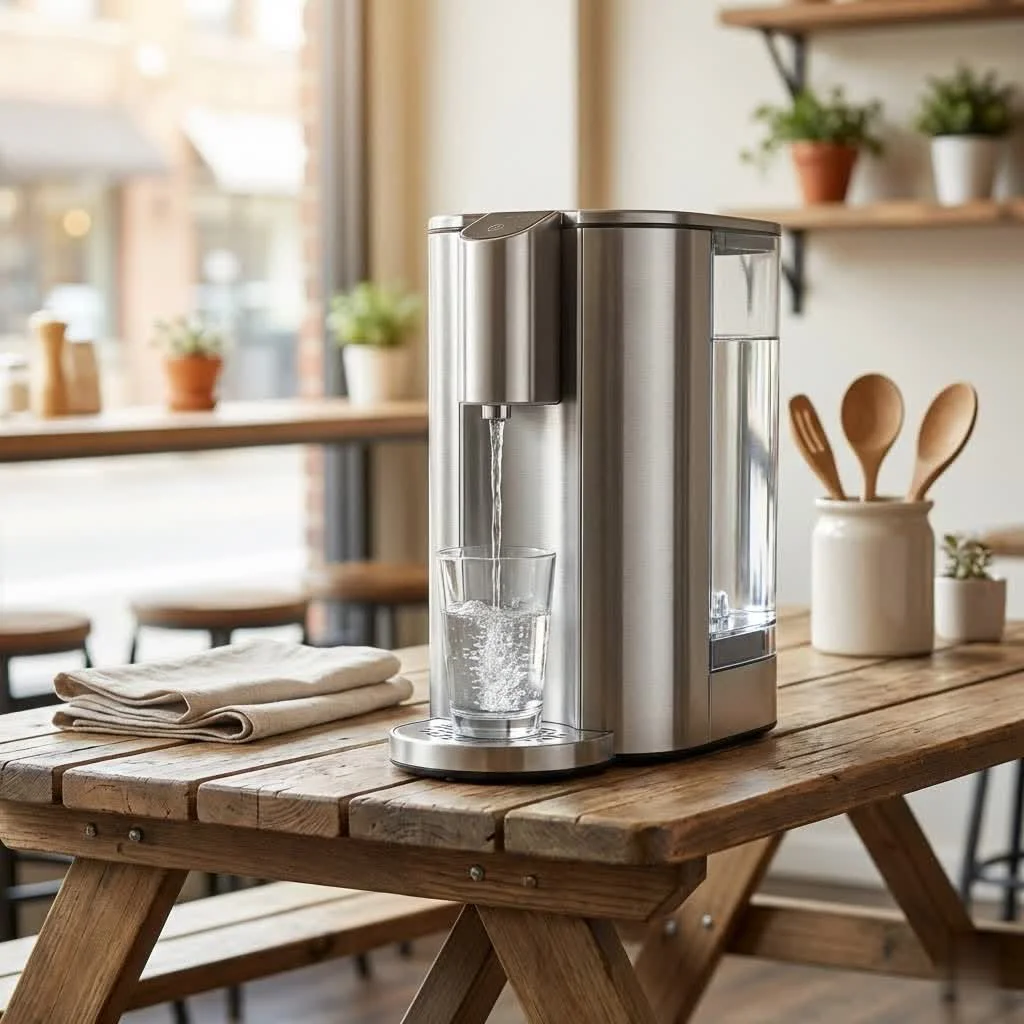
Understanding Popular Water Purifier Technologies
The market offers several water purification technologies, each with distinct advantages and limitations. While many options improve water quality, Reverse Osmosis (RO) stands out for its comprehensive contaminant removal capabilities.
Reverse Osmosis (RO) Systems
RO systems represent a sophisticated filtration method, forcing water through a semi-permeable membrane that has incredibly tiny pores, typically around 0.0001 microns. This process effectively strips out up to 99% of dissolved solids and a vast array of contaminants, including lead, arsenic, fluoride, nitrates, chlorine, chloramines, pesticides, herbicides, bacteria, viruses, pharmaceuticals, PFAS (per- and polyfluoroalkyl substances), and microplastics. The result is exceptionally pure water, often referred to as “better-than-bottled water” quality.
However, RO systems do have some characteristics to consider. They can be slower in producing filtered water compared to other methods, and traditional models typically produce some wastewater during the filtration process. The RO membrane removes both harmful and beneficial minerals, which can sometimes lead to a “flat” taste, though many modern RO systems include a remineralization stage to reintroduce healthy minerals.
Other Common Water Filter Types
- Activated Carbon Filters: These are widely used for improving water’s taste and odor by effectively removing chlorine, sediment, and volatile organic compounds (VOCs). They are generally less effective against dissolved minerals and heavy metals.
- Ceramic Filters: Utilizing a porous ceramic material, these filters are excellent at blocking bacteria, sediment, and certain parasites through mechanical filtration. However, they do not remove chemical contaminants.
- UV (Ultraviolet) Filters: UV purification systems employ ultraviolet light to kill bacteria, viruses, and other pathogens. While highly effective for disinfection, they do not remove chemical contaminants or sediments and are often used in conjunction with other filtration methods.
For superior contaminant reduction, especially against a broad spectrum of impurities, an undersink RO system is often the preferred choice for drinking and cooking water.
Key Criteria for Choosing an Undersink RO Water Purifier
Selecting the best undersink RO water purifier involves considering several factors to match a system to your specific household needs and water quality challenges.
Source Water Analysis
|
Our Picks for the Best Water Purifier in 2026
As an Amazon Associate I earn from qualifying purchases.
|
||
| Num | Product | Action |
|---|---|---|
| 1 | Waken Electric C11S Reverse Osmosis Water Filtration System Countertop 180oz Water Tank 4:1 Pure to Drain 8 Stage RO Filter No Installation for Home Apartment Condo RV |

|
| 2 | Brita UltraMax Large Water Dispenser With Standard Filter, BPA-Free, Reduces Copper, Cadmium and Mercury Impurities, Lasts 2 Months or 40 Gallons, Includes 1 Filter, Kitchen Accessories, Large 27-Cup |
|
| 3 | 3 Stage RV Water Filter System, 0.2 Micron Taste Pure Water Filter with Compact 5 Inch for RV, 3-Stage High Flow Water Filter for RVs, Boats and Campers |
|
| 4 | Mate 3 Countertop Reverse Osmosis Water Filter System, 8 Stage Purification, 3:1 Pure to Drain, No Installation Required, Smart Sensor Water Dispensing, Reduce TDS, RO Water Purifier |
|
| 5 | ZeroWater 52-Cup Ready-Read 5-Stage Water Filter Pitcher Dispenser with 5-Stage 0 TDS Zero Water Filter – IAPMO Certified to Reduce Metals, Chlorine, Lead, Chromium, and Forever Chemicals PFOA/PFOS |
|
| 6 | Brita UltraMax Large Water Dispenser with 1 BritaPlus Filter, 27 Cup Capacity, Black (Package May Vary) |
|
| 7 | ZeroWater 32-Cup 5-Stage Water Filter Dispenser with Instant Read Out - 0 TDS for Improved Tap Water Taste - IAPMO Certified to Reduce Lead, Chromium, and PFOA/PFOS |
|
| 8 | Vortopt Carbon Block Water Filter for Sink Faucet,NSF/ANSI 42 Certified Faucet Water Filter,with Display & 400 Gallon Capacity. |
|
| 9 | Brita Hub Compact Instant Powerful Countertop Water Filter System, Reduces 70+ Contaminants, 9 Cup Water Reservoir, Includes 6 Month Carbon Block Filter, White, 87344 |
|
| 10 | AquaTru Carafe Countertop Water Purifier - Compact 4-Stage Reverse Osmosis System with Glass Carafe Removes 84 Contaminants Including Forever Chemicals, Lead & Fluoride - No Plumbing |
|
The foundational step is to understand what’s in your tap water. You can obtain a local water quality report from your municipal water supplier or conduct an at-home water test. Identifying specific contaminants like lead, nitrates, chlorine levels, or hardness will guide you in choosing an RO system certified to address those particular issues.
Filtration Technology and Stages
Modern undersink RO systems typically feature multiple filtration stages, often including sediment pre-filters, activated carbon filters, the critical RO membrane, and post-carbon filters for final polishing. Some advanced systems also integrate remineralization filters to add beneficial minerals back into the purified water, improving its taste and pH balance. Opt for multi-stage filtration to ensure comprehensive removal of a wide range of impurities.
Capacity and Flow Rate
The system’s capacity, often measured in Gallons Per Day (GPD), indicates how much filtered water it can produce within 24 hours. Consider your household’s daily water consumption for drinking, cooking, and ice making. Tankless RO systems are gaining popularity for their compact design and faster, on-demand flow rates (e.g., 600-800 GPD) compared to traditional tanked systems which store water and may have slower dispense rates.
Certifications and Standards
To ensure a filter’s performance and safety claims are legitimate, look for certifications from independent organizations like NSF International (formerly the National Sanitation Foundation) or ANSI (American National Standards Institute). Key certifications for RO systems include:
- NSF/ANSI 42: Addresses aesthetic issues like chlorine taste and odor.
- NSF/ANSI 53: Certifies reduction of health-related contaminants, such as lead, mercury, and Cryptosporidium.
- NSF/ANSI 58: Specifically for Reverse Osmosis Drinking Water Treatment Systems, ensuring effective TDS (Total Dissolved Solids) reduction.
- NSF/ANSI 372: Certifies lead-free materials.
- NSF/ANSI 401: Addresses emerging contaminants like certain pharmaceuticals and pesticides.
System Size and Space
Undersink RO systems come in various sizes. Traditional RO systems often require a bulky storage tank, which can occupy significant cabinet space. If under-sink space is limited, a compact, tankless RO system is an excellent alternative, delivering filtered water directly without the need for a tank.
Installation Requirements
While many undersink RO systems are designed for DIY installation, some homeowners may prefer professional assistance. Key installation steps typically involve:
- Preparing the sink area and identifying cold water supply and electrical outlets.
- Installing a dedicated RO faucet, which may require drilling a hole in your sink or countertop if one isn’t available.
- Connecting the system’s T-valve to your cold water line.
- Securing a drain line with a drain saddle to allow wastewater to exit.
- Mounting the purification unit and storage tank (if applicable) under the sink.
- Flushing the system before initial use.
Adequate water pressure (typically 40-80 psi) is crucial for efficient RO filtration.
Maintenance and Filter Replacement Costs
Regular maintenance, primarily filter replacement, is essential for optimal performance and longevity. Different filters within an RO system have varying lifespans:
- Sediment and Carbon Pre-filters: Typically replaced every 6-12 months.
- RO Membrane: Usually lasts 2-5 years, depending on water quality and usage.
- Post-Carbon/Remineralization Filters: Generally replaced annually.
Factor in the ongoing cost and availability of replacement filters when making your purchase decision. Some systems feature quick-change filters that simplify the replacement process, making it less messy and more user-friendly.
Brand Reputation and Reviews
Research customer reviews and ratings for various RO systems and brands. Pay attention to feedback regarding performance, component reliability, customer support, and ease of maintenance to ensure you’re selecting a reputable and trustworthy brand.
Water Efficiency
Traditional RO systems can have a wastewater ratio of up to 4:1 (four gallons of waste for every gallon of purified water). Newer, more efficient models, especially tankless RO systems, have significantly improved this ratio, often achieving 1:1 or 3:1 pure-to-waste ratios, making them more eco-friendly and cost-effective in the long run.
Comparative Overview: Leading Undersink RO Water Purifiers
The market features several excellent undersink RO systems, each with unique strengths. Here’s a look at some highly-rated options:
| Feature/Model | Waterdrop G3P800 Tankless RO | APEC ROES-50 Essence Series |
|---|---|---|
| Type | Tankless Undersink RO | Tanked Undersink RO |
| Filtration Stages | Multi-stage (includes RO membrane, carbon stages) | 5-stage (sediment, carbon, RO membrane, post-carbon) |
| GPD (Gallons/Day) | 800 GPD (High Flow) | 50 GPD (Standard Flow) |
| Wastewater Ratio | ~3:1 Pure-to-Waste | ~4:1 (typical for tanked systems) |
| Certifications | NSF/ANSI 58, 372 (Lab-verified PFAS, microplastics, TDS reduction) | NSF/ANSI (check specific model for details) |
| Key Benefits | Ultra-fast flow, compact design, smart faucet with TDS display, extensive contaminant removal, verified performance. | Excellent contaminant removal, reliable, compelling long-term annual costs, widely trusted. |
| Considerations | Higher upfront cost, may require dedicated electrical outlet, taste might be flatter without add-on remineralization. | Requires under-sink space for tank, slower flow, higher waste ratio. |
| Annual Filter Cost | ~$170/year | ~$70-100/year (estimated) |
Note: Specific product features, pricing, and certifications can vary. Always consult the manufacturer’s latest specifications and independent reviews before making a purchase.
Step-by-Step Buying Guide for Your Undersink RO System
Navigating the options can be overwhelming, so here’s a straightforward guide to help you make an informed decision:
- Assess Your Water Quality: Start by testing your water or obtaining a local water report. This crucial step helps you understand the specific contaminants you need to address.
- Determine Your Household Needs: Consider the number of people in your home, your average daily water consumption, and whether you need water for cooking, pets, or specific health reasons. This will influence the required GPD and system capacity.
- Research and Compare Models: Look into different undersink RO systems, paying close attention to their filtration stages, GPD ratings, and features like tankless designs or smart faucets.
- Verify Certifications: Prioritize systems with NSF/ANSI certifications (especially 58, 53, and 401) to ensure they meet rigorous safety and performance standards for contaminant reduction.
- Consider Installation and Space: Measure your under-sink cabinet space, considering both the purifier unit and any storage tank (if applicable). Decide if you’re comfortable with DIY installation or prefer professional help. Ensure you have the necessary plumbing and electrical connections.
- Factor in Long-Term Costs: Beyond the initial purchase price, evaluate the annual cost of replacement filters and the RO membrane. More efficient systems might have higher upfront costs but lower running costs.
- Purchase from Reputable Sources: Buy from established brands or trusted retailers known for quality products and reliable customer support.
Usage and Maintenance of Your Undersink RO Water Purifier
Proper usage and consistent maintenance are vital to ensure your undersink RO system continues to deliver high-quality water and lasts for years.
Initial Setup and Flushing
After installation, always follow the manufacturer’s instructions for initial flushing. This typically involves running the purified water faucet for a specific period (e.g., 15-20 minutes) to clear out any carbon fines and air from the system.
Regular Filter Replacement
Adhering to the recommended filter replacement schedule is critical.
- Pre-filters (Sediment and Carbon): Change these approximately every 6-12 months. They protect the delicate RO membrane from larger particles and chlorine.
- RO Membrane: This is the heart of the system and typically needs replacement every 2-5 years. Its lifespan largely depends on the quality of your incoming water and usage volume.
- Post-filters (Carbon, Remineralization): These are usually replaced annually to ensure optimal taste and, for remineralization filters, to maintain healthy mineral levels.
Many modern RO systems include indicator lights or smart faucets that alert you when filters need changing, taking the guesswork out of maintenance.
System Cleaning and Inspection
Periodically inspect your system for any leaks, especially around fittings and connections. If your system has a storage tank, it may require occasional sanitization to prevent bacterial growth. Consult your manual for specific cleaning instructions.
Troubleshooting Common Issues
- Slow Water Flow: This often indicates clogged pre-filters or a compromised RO membrane. Check filter replacement schedules. Low incoming water pressure can also be a culprit, potentially requiring a booster pump.
- Unusual Taste or Odor: This usually points to exhausted carbon filters or a need for post-filter replacement.
- Excessive Wastewater: While some wastewater is normal, a sudden increase or persistently high waste ratio might signal an issue with the flow restrictor or membrane.
By committing to a routine maintenance schedule, you can significantly extend the life of your RO system and ensure a consistent supply of delicious, pure drinking water.
Conclusion
Investing in an undersink RO water purifier is a proactive step towards safeguarding your family’s health and enhancing your daily hydration experience. These advanced systems offer unparalleled contaminant removal, providing peace of mind with every glass. By understanding the different technologies, carefully considering the buying criteria, and committing to regular maintenance, you can ensure a steady supply of clean, great-tasting water directly from your tap. Make the informed choice today for a healthier tomorrow.
What steps will you take to ensure your home has the purest water possible?
Frequently Asked Questions
Does RO water remove beneficial minerals?
Yes, Reverse Osmosis technology is highly effective and removes nearly all dissolved solids, including both harmful contaminants and beneficial minerals. Many modern RO systems, however, incorporate a remineralization stage to add healthy minerals back into the purified water, improving its taste and pH.
Is an undersink RO system difficult to install?
Many undersink RO systems are designed for DIY installation and can be set up within an hour or two with basic plumbing knowledge and tools. However, some more complex systems or specific kitchen configurations might benefit from professional installation, especially if drilling a new faucet hole is required.
How much wastewater do RO systems produce?
Older RO systems could produce a significant amount of wastewater, sometimes as much as 4 gallons for every gallon of purified water. Newer, high-efficiency models, particularly tankless designs, have drastically improved this ratio, often achieving 1:1 or 3:1 pure-to-waste ratios, making them much more water-efficient.
How often do I need to replace the filters in an RO system?
Filter replacement frequency varies by filter type and water quality. Generally, sediment and carbon pre-filters need replacing every 6-12 months, while the RO membrane typically lasts 2-5 years. Post-carbon and remineralization filters are often replaced annually. Many modern systems feature indicators to alert you when it’s time for a change.
Can an undersink RO system soften hard water?
While an RO system significantly reduces mineral content, including the calcium and magnesium that cause hard water, it is not primarily a water softener. For homes with very hard water, a dedicated water softener may be installed upstream of the RO system to prolong the life of the RO filters and membrane.
Will an RO system reduce my water pressure at the faucet?
Traditional tanked RO systems dispense water from a storage tank, which can sometimes result in a slightly lower flow rate at the dedicated RO faucet compared to your main tap. Tankless RO systems are designed to provide a much faster, on-demand flow, often comparable to your regular faucet, by filtering water instantly.
Pet products vetted on real animals
Practical specs, not advice. Unsubscribe anytime.
