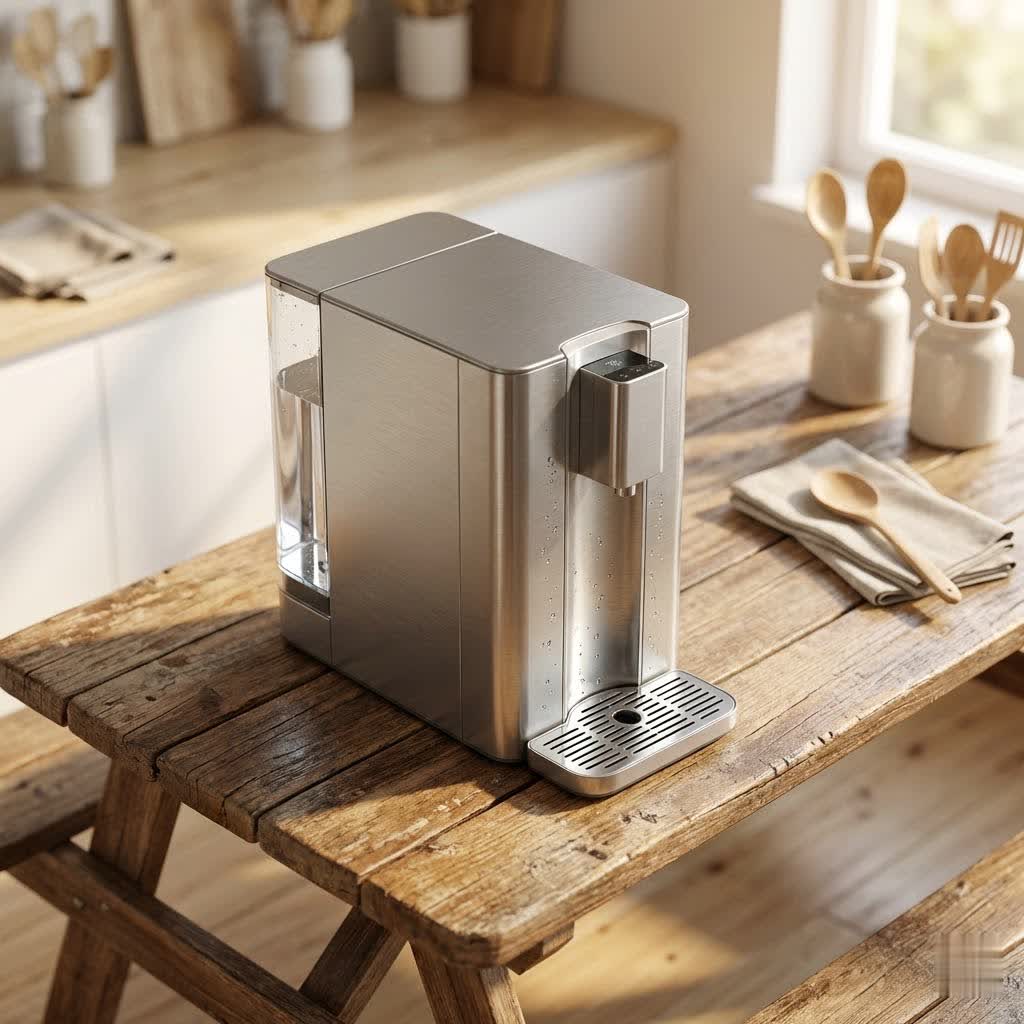
Ensuring pure, safe water throughout your entire home is no longer a luxury, but a growing necessity. From the water you drink and cook with to the showers you take and the laundry you wash, every drop matters. While municipal water often undergoes treatment, it can still harbor trace contaminants, chemicals, and sediments that affect its taste, smell, and even your family’s health. This comprehensive guide will navigate you through the world of whole house water purifiers, empowering you to select the ideal system that provides clean, healthy water from every faucet.
Common Types of Whole House Water Purifiers
Understanding the various filtration technologies is the first step in choosing the right whole house water purifier. Each type targets specific contaminants, offering unique advantages and disadvantages.
Sediment Filters
Sediment filters act as the first line of defense in most multi-stage systems, designed to remove larger physical particles. These include dirt, rust, sand, silt, and other debris that can be visible to the naked eye. By capturing these larger contaminants, sediment filters protect subsequent filtration stages from clogging, thereby extending the overall lifespan and efficiency of your entire water purification system. They are generally low-cost and relatively easy to install. However, it’s important to note that sediment filters do not remove chemical contaminants, bacteria, or viruses.
Activated Carbon Filters
Activated carbon filters are perhaps the most popular type, renowned for their ability to significantly improve water’s taste and odor. Made from natural materials like wood, coconut shells, or charcoal, activated carbon works by adsorbing chemicals as water passes through it. Granular Activated Carbon (GAC) filters are commonly found in whole house systems and are efficient even with high water pressure. These filters are highly effective at removing chlorine, volatile organic compounds (VOCs), pesticides, and herbicides, making your water more palatable. While excellent for chemical reduction, they typically do not remove large particles or heavy metals.
Catalytic Carbon Filters
A specialized variant of activated carbon, catalytic carbon filters are engineered to tackle more resilient disinfectants like chloramines, which are often used by municipalities and are harder to remove than chlorine alone. This type of filter also effectively removes hydrogen sulfide, a compound responsible for a “rotten egg” smell in water. Catalytic carbon undergoes a high-temperature gas processing, enhancing its absorptive properties. These filters are an excellent choice if chloramines are a known contaminant in your water supply. However, they can be more expensive and may not be as effective against chlorine or many heavy metals compared to other filter types.
KDF Copper-Zinc Filters
|
Our Picks for the Best Water Purifier in 2026
As an Amazon Associate I earn from qualifying purchases.
|
||
| Num | Product | Action |
|---|---|---|
| 1 | Brita UltraMax Large Water Dispenser with 1 BritaPlus Filter, 27 Cup Capacity, Black (Package May Vary) |

|
| 2 | ZeroWater 32-Cup 5-Stage Water Filter Dispenser with Instant Read Out - 0 TDS for Improved Tap Water Taste - IAPMO Certified to Reduce Lead, Chromium, and PFOA/PFOS |
|
| 3 | Brita UltraMax Large Water Dispenser With Standard Filter, BPA-Free, Reduces Copper, Cadmium and Mercury Impurities, Lasts 2 Months or 40 Gallons, Includes 1 Filter, Kitchen Accessories, Large 27-Cup |
|
| 4 | Mate 3 Countertop Reverse Osmosis Water Filter System, 8 Stage Purification, 3:1 Pure to Drain, No Installation Required, Smart Sensor Water Dispensing, Reduce TDS, RO Water Purifier |
|
| 5 | AquaTru Carafe Countertop Water Purifier - Compact 4-Stage Reverse Osmosis System with Glass Carafe Removes 84 Contaminants Including Forever Chemicals, Lead & Fluoride - No Plumbing |
|
| 6 | 3 Stage RV Water Filter System, 0.2 Micron Taste Pure Water Filter with Compact 5 Inch for RV, 3-Stage High Flow Water Filter for RVs, Boats and Campers |
|
| 7 | Waken Electric C11S Reverse Osmosis Water Filtration System Countertop 180oz Water Tank 4:1 Pure to Drain 8 Stage RO Filter No Installation for Home Apartment Condo RV |
|
| 8 | Vortopt Carbon Block Water Filter for Sink Faucet,NSF/ANSI 42 Certified Faucet Water Filter,with Display & 400 Gallon Capacity. |
|
| 9 | ZeroWater 52-Cup Ready-Read 5-Stage Water Filter Pitcher Dispenser with 5-Stage 0 TDS Zero Water Filter – IAPMO Certified to Reduce Metals, Chlorine, Lead, Chromium, and Forever Chemicals PFOA/PFOS |
|
| 10 | Brita Hub Compact Instant Powerful Countertop Water Filter System, Reduces 70+ Contaminants, 9 Cup Water Reservoir, Includes 6 Month Carbon Block Filter, White, 87344 |
|
Kinetic Degradation Fluxion (KDF) filters utilize a chemical process involving copper and zinc to reduce chlorine, heavy metals such as lead and mercury, and inhibit the growth of bacteria and algae. Often used in conjunction with activated carbon, KDF media enhances the performance and extends the life of carbon filters by preventing bacterial growth on the carbon media itself. KDF filters improve water taste and smell while supporting the overall sanitation of your water system. However, they don’t fully remove all biomaterials and are best integrated into a multi-stage system for comprehensive purification.
UV Filters (Ultraviolet)
UV filters provide a non-chemical method of water disinfection, utilizing ultraviolet light to eliminate dangerous microorganisms. Rather than physically removing particles, UV purifiers sterilize up to 99.99% of bacteria, viruses, E. coli, Giardia, and other pathogens by altering their DNA, rendering them harmless. These filters are particularly beneficial for homes relying on private well water, where microbial contamination is a higher risk. UV systems require a continuous power source and typically need annual lamp replacement. It’s crucial to understand that UV filters do not remove organic particles, chemicals, sediments, or heavy metals, making them an excellent add-on to a multi-stage system rather than a standalone solution.
Reverse Osmosis (RO) Filters
Reverse osmosis (RO) systems are widely considered one of the most powerful forms of water filtration available. They work by forcing water through a semi-permeable membrane at high pressure, which allows only pure water molecules to pass through, leaving behind dissolved solids, minerals, heavy metals, bacteria, viruses, and a vast array of other contaminants. RO systems can remove up to 99% of impurities, providing exceptionally clean and great-tasting water ideal for drinking and cooking. However, whole house RO systems are typically the most expensive option, can be slow, produce wastewater, and may strip beneficial minerals from the water, sometimes requiring a remineralizer stage. For these reasons, RO is often chosen as a point-of-use (POU) system for specific taps rather than a whole-house solution.
Water Softeners and Conditioners
While not traditional purifiers in the sense of removing harmful contaminants, water softeners and conditioners address hard water issues caused by high levels of minerals like magnesium and calcium. These minerals can lead to scale buildup in pipes and appliances, reduce soap lathering, and leave unsightly spots on dishes.
- Softeners use an ion exchange process, typically involving salt and electricity, to replace hardness minerals with sodium ions. They effectively deliver soft, scale-free water throughout your home.
- Conditioners (often salt-free) use a scale control media to neutralize mineral ions, preventing them from forming hard scale. They are more environmentally friendly as they don’t use salt or produce wastewater, but are best suited for moderately hard water.
These systems protect your home’s infrastructure and improve the effectiveness of soaps and detergents, enhancing overall water quality, although they do not filter out chemical contaminants.
Calcite Filters (Acid Neutralizers)
Calcite filters are used to balance the pH levels of acidic water, which can corrode pipes and impart a metallic taste. They work by running water through natural minerals like magnesium oxide and calcium carbonate, raising the water’s pH closer to a neutral or alkaline state. These filters use natural minerals and can improve the taste of acidic water. Unlike other filters, calcite filters do not remove particles or microorganisms; instead, they alter the water’s composition to make it less corrosive and more palatable.
Criteria for Choosing a Whole House Water Purifier
Selecting the best whole house water purifier involves careful consideration of several factors unique to your home and water source.
Initial Water Quality Assessment
Before anything else, conduct a thorough water quality test. This crucial step will identify the specific contaminants present in your water, whether it’s heavy metals, chlorine, chloramines, sediment, bacteria, or other pollutants. Knowing your water’s profile allows you to select filtration technologies specifically designed to target and remove those impurities effectively.
Filtration Technology
Based on your water test results, choose a purification system with the appropriate filtration technology. For instance, if you have high chlorine levels, activated carbon is essential. If you’re on well water, a UV filter for microbial disinfection might be critical. Many effective whole house systems employ a multi-stage approach, combining different filter types (e.g., sediment, carbon, KDF, UV) to provide comprehensive purification.
Flow Rate and Capacity
The system’s flow rate, measured in gallons per minute (GPM), indicates how much water can pass through the filter without reducing your home’s water pressure. Ensure the purifier’s flow rate can comfortably meet your household’s peak demand (e.g., multiple showers running simultaneously) to avoid frustrating pressure drops. Capacity refers to the total volume of water the filter can process before needing replacement. Larger capacity filters require less frequent maintenance. For example, many homes are well-served with a filter size of 4.5” x 20”, which offers a good balance of flow and longevity.
Certifications and Reputation
Always look for products certified by reputable organizations such as NSF International (National Sanitation Foundation) or the Water Quality Association (WQA). These certifications ensure that the product meets strict industry standards for contaminant reduction, material safety, and structural integrity. Opting for reputable brands known for their quality and customer support is also advisable.
Installation and Compatibility
Whole house water purifiers are Point-of-Entry (POE) systems, meaning they are installed where the main water line enters your home. While some homeowners with plumbing experience might attempt DIY installation, professional installation is often recommended to ensure correct setup and compatibility with your existing plumbing system. Consider the physical space available for the unit and whether additional adjustments to your plumbing are required.
Maintenance Requirements and Costs
Understand the ongoing maintenance needs, primarily filter replacement frequency and cost. Some pre-filters may need changing every 6-9 months, while main media filters can last for several years, even up to 10 years for certain high-capacity systems. Factor these recurring expenses into your overall budget. Some systems also feature automatic backwashing, which helps to clean the filter media and extend its life with minimal manual intervention.
System Size
Filter size directly impacts both flow rate and service intervals. Larger filter cartridges generally handle higher flow rates and require less frequent replacement due to their increased capacity. While there’s no “best” size for every home, a common and effective size for many households is 4.5″ x 20″. Larger homes with higher water consumption might benefit from a second unit operating in parallel to maintain optimal water flow and capacity.
Cost
The initial cost of a whole house water purifier system can range significantly, typically from $600 to $4,200 for residential setups, with commercial systems being much higher. Beyond the purchase price, consider the long-term cost of replacement filters and potential professional maintenance services. A higher upfront investment might lead to lower operational costs over time, so evaluating the total cost of ownership is important.
Whole House Water Purifier Buying Guide
Navigating the market for a whole house water purifier can be daunting, but a structured approach can simplify the process.
- Determine Your Needs: Begin by identifying your household’s specific requirements. How many people live in your home? What are your primary water concerns (e.g., taste, odor, hard water, specific contaminants)? What is your budget for both the initial purchase and ongoing maintenance?
- Test Your Water: As emphasized earlier, a professional water test is paramount. It provides concrete data on what’s in your water, guiding your filter technology choice. Without this, you might invest in a system that doesn’t address your actual problems.
- Research Products and Technologies: Dive into research on different types of filters and complete systems. Understand how each technology works and which contaminants it targets most effectively. Look into reputable brands and read user reviews and expert comparisons.
- Compare and Select: Based on your water test results, budget, and research, compare several suitable systems. Pay close attention to specifications like flow rate, filter life, certification, and warranty. Don’t solely focus on price; prioritize effectiveness and long-term value.
- Purchase from Reputable Sources: Buy your whole house water purifier from authorized dealers, reputable stores, or trusted online retailers. This ensures you receive a genuine product with a valid warranty and access to customer support.
- Inspect the Product: Upon delivery, thoroughly inspect the system for any damage and ensure all components and the warranty card are included.
- Consider Professional Installation: For complex systems or if you lack plumbing expertise, hiring a qualified professional for installation is highly recommended. Proper installation is critical for the system’s performance and longevity. Read the user manual carefully for correct usage and maintenance instructions.
How to Use and Maintain Your Whole House Water Purifier
Proper usage and regular maintenance are vital for maximizing the efficiency and extending the lifespan of your whole house water purifier.
- Regular Filter Replacement: Adhere strictly to the manufacturer’s recommended schedule for replacing filter cartridges. A clogged filter will reduce flow rate, decrease purification effectiveness, and potentially damage the system. While pre-filters might need replacement every 6-9 months, more advanced media can last several years.
- Cleaning the Housing: When replacing filters, take the opportunity to clean the filter housing with warm, soapy water. Rinse thoroughly to prevent any buildup or microbial growth.
- Backwashing (for applicable systems): Some advanced whole house systems, particularly those with media tanks, require periodic backwashing. This process reverses the water flow to flush accumulated contaminants out of the filter media, refreshing it and maintaining its performance. Follow the manufacturer’s instructions for backwashing frequency and procedure.
- Periodic Water Testing: Even with a high-quality purifier, it’s a good practice to periodically re-test your home’s water. Water quality can change over time due to various factors, and re-testing helps ensure your system continues to effectively address any evolving contaminants.
- Professional Servicing: Consider scheduling annual check-ups with a qualified water treatment specialist. They can inspect your system, ensure it’s functioning optimally, and address any potential issues before they become major problems.
“Investing in a whole house water purifier is an investment in your family’s health and your home’s longevity. Understanding your water and matching it to the right technology is key.” – John Doe, Water Quality Expert
Conclusion
Choosing the right whole house water purifier is a significant decision that impacts the health and well-being of your entire household. By understanding the different types of filtration technologies available, carefully evaluating crucial factors like water quality, flow rate, certifications, and maintenance, you can make an informed choice. A well-selected and properly maintained whole house water purification system will provide you with consistently clean, great-tasting water from every tap, safeguarding your family and protecting your home’s plumbing and appliances. Take the proactive step today to ensure your water is as pure as it can be.
What steps will you take to ensure your home’s water is truly purified?
Frequently Asked Questions
What is the primary benefit of a whole house water purifier compared to an under-sink filter?
A whole house water purifier filters all the water entering your home, providing clean water to every faucet, shower, and appliance. In contrast, an under-sink filter only treats water at a single point of use, leaving other water sources in your home unfiltered.
How do I know which contaminants are in my water?
The most reliable way to identify contaminants in your water is to perform a professional water quality test. Local laboratories or water treatment specialists can analyze a sample of your tap water to pinpoint specific issues.
How often do I need to replace the filters in a whole house system?
Filter replacement frequency varies depending on the type of filter, the volume of water processed, and the level of contaminants in your water. Sediment pre-filters might need changing every 6-9 months, while some main media filters can last for several years, even up to 10 years for certain systems. Always refer to the manufacturer’s recommendations.
Can a whole house water purifier remove hard water minerals?
While some whole house systems may include components for water conditioning, dedicated water softeners are specifically designed to remove hard water minerals like calcium and magnesium through an ion exchange process. A water purifier focuses on removing contaminants for health and taste, whereas a softener addresses scale buildup.
Will a whole house water purifier reduce my water pressure?
A properly sized whole house water purifier with an adequate flow rate should not significantly reduce your home’s water pressure. However, a filter that is too small for your household’s demand or a clogged filter can lead to noticeable pressure drops.
Pet products vetted on real animals
Practical specs, not advice. Unsubscribe anytime.

After years of buying bottled water, we decided to get a whole house purifier. The information on how municipal water can still have issues really resonated with me. Now, every faucet in our home delivers clean, great-tasting water. It’s so convenient for cooking and drinking, and we’re saving money not buying plastic bottles. Highly recommend.
I was really concerned about trace contaminants in our city water, especially after seeing some reports. This guide helped me understand the different filtration technologies. We went with a system that specifically targets chemicals, and I can tell a huge difference in the shower. My skin feels less dry, and there’s no weird smell anymore. Very happy with the results.
We finally pulled the trigger on a whole house system after reading about the benefits of sediment filters. Our old pipes were making the water cloudy sometimes, and I was tired of it. Since installing, the water is crystal clear and tastes so much better. Even my laundry seems brighter. Definitely worth the investment for peace of mind.
I got one of the mid-range whole house purifiers mentioned, and while the water quality is definitely improved, the installation was a bit more complicated than I expected. Had to call a plumber, which added to the overall cost. The taste is better, but just be prepared for potential extra steps if you’re not super handy.