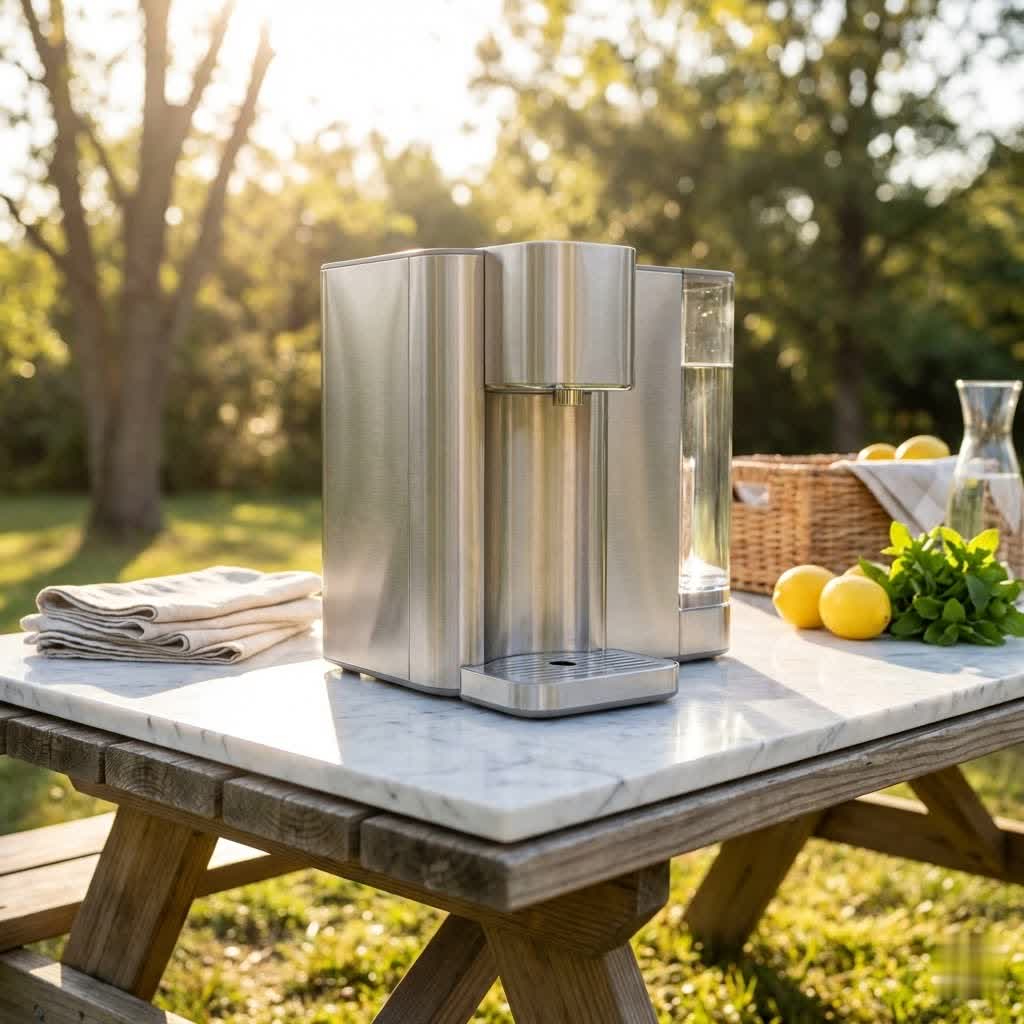
In an era where every aspect of our homes is becoming smarter, why should our water be any different? Clean drinking water is fundamental to our well-being, yet concerns over pollution, contamination, and aging infrastructure make accessing truly pure water a growing challenge. Fortunately, smart water purifiers are revolutionizing home hydration, blending cutting-edge filtration with intelligent technology to offer unparalleled safety, convenience, and peace of mind.
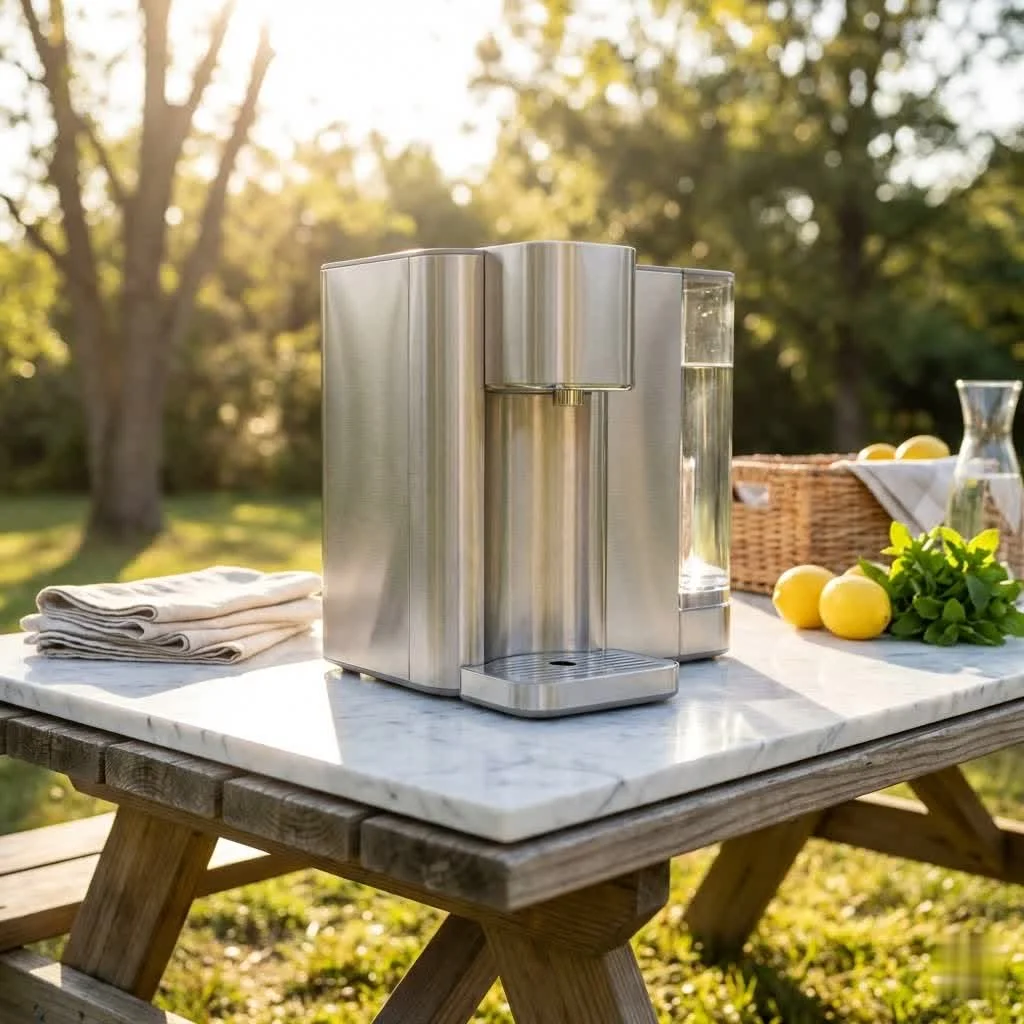
These advanced systems do more than just filter; they think, track, and adapt, ensuring every drop you consume is not only clean but also optimized for your health. Forget the guesswork of traditional purifiers; smart models put real-time insights and control directly into your hands, making the quest for pure water effortless and reliable.
Popular Smart Water Purifier Technologies
Smart water purifiers integrate various filtration technologies with intelligent features to deliver superior water quality. Understanding these core technologies is key to appreciating the effectiveness of modern purification.
- Reverse Osmosis (RO): RO technology is a cornerstone of many smart purifiers, utilizing a semi-permeable membrane to remove dissolved salts, heavy metals, pesticides, and industrial pollutants from water. This process pushes water through the membrane under pressure, effectively separating impurities from pure water molecules.
- Ultraviolet (UV) Sterilization: UV purification employs ultraviolet light to inactivate harmful microorganisms such as bacteria, viruses, and parasites. Unlike chemical treatments, UV sterilization is a non-toxic method that neutralizes pathogens by disrupting their DNA, preventing them from reproducing and rendering them harmless without altering the water’s taste or odor.
- Ultrafiltration (UF): UF technology uses a membrane with slightly larger pores than RO, primarily filtering out suspended solids, larger particles, and microorganisms like bacteria and viruses. It often complements RO systems, providing an additional layer of protection, particularly in areas prone to microbial contamination.
- Activated Carbon Filters: Activated carbon filters are crucial for refining water’s taste and odor. They effectively absorb and remove chlorine, volatile organic compounds (VOCs), and other chemicals that can give water an unpleasant taste or smell, ensuring a fresh and clean drinking experience.
- Multi-Stage Filtration: Many smart water purifiers combine these technologies in a multi-stage process, offering comprehensive purification. This integrated approach ensures the removal of a wide spectrum of contaminants, from large sediments to microscopic impurities and pathogens. Some advanced systems also include a post-filtration stage, often a mineralizer, which reintroduces essential minerals like calcium and magnesium, enhancing both taste and health benefits.
Essential Criteria for Choosing a Smart Water Purifier
Selecting the right smart water purifier for your home requires careful consideration of several factors. A well-informed decision ensures you invest in a system that perfectly aligns with your specific needs and water quality challenges.
Water Source and TDS Levels
|
Our Picks for the Best Water Purifier in 2026
As an Amazon Associate I earn from qualifying purchases.
|
||
| Num | Product | Action |
|---|---|---|
| 1 | Mate 3 Countertop Reverse Osmosis Water Filter System, 8 Stage Purification, 3:1 Pure to Drain, No Installation Required, Smart Sensor Water Dispensing, Reduce TDS, RO Water Purifier |

|
| 2 | AquaTru Carafe Countertop Water Purifier - Compact 4-Stage Reverse Osmosis System with Glass Carafe Removes 84 Contaminants Including Forever Chemicals, Lead & Fluoride - No Plumbing |
|
| 3 | Brita Hub Compact Instant Powerful Countertop Water Filter System, Reduces 70+ Contaminants, 9 Cup Water Reservoir, Includes 6 Month Carbon Block Filter, White, 87344 |
|
| 4 | Waken Electric C11S Reverse Osmosis Water Filtration System Countertop 180oz Water Tank 4:1 Pure to Drain 8 Stage RO Filter No Installation for Home Apartment Condo RV |
|
| 5 | ZeroWater 32-Cup 5-Stage Water Filter Dispenser with Instant Read Out - 0 TDS for Improved Tap Water Taste - IAPMO Certified to Reduce Lead, Chromium, and PFOA/PFOS |
|
| 6 | Vortopt Carbon Block Water Filter for Sink Faucet,NSF/ANSI 42 Certified Faucet Water Filter,with Display & 400 Gallon Capacity. |
|
| 7 | Brita UltraMax Large Water Dispenser With Standard Filter, BPA-Free, Reduces Copper, Cadmium and Mercury Impurities, Lasts 2 Months or 40 Gallons, Includes 1 Filter, Kitchen Accessories, Large 27-Cup |
|
| 8 | ZeroWater 52-Cup Ready-Read 5-Stage Water Filter Pitcher Dispenser with 5-Stage 0 TDS Zero Water Filter – IAPMO Certified to Reduce Metals, Chlorine, Lead, Chromium, and Forever Chemicals PFOA/PFOS |
|
| 9 | Brita UltraMax Large Water Dispenser with 1 BritaPlus Filter, 27 Cup Capacity, Black (Package May Vary) |
|
| 10 | 3 Stage RV Water Filter System, 0.2 Micron Taste Pure Water Filter with Compact 5 Inch for RV, 3-Stage High Flow Water Filter for RVs, Boats and Campers |
|
The quality of your incoming water supply is the most critical factor in determining the appropriate purification technology. For instance, if your home receives hard water or water with high Total Dissolved Solids (TDS) levels, an RO (Reverse Osmosis) smart water purifier is generally recommended for its effectiveness in removing a broad range of dissolved impurities. Conversely, for water with lower TDS levels, a UV or UF-based purifier might suffice, offering effective purification against microbial contaminants without extensive mineral removal.
Purification Capacity
Consider the daily water consumption needs of your household. The purification capacity, including both the storage capacity and the filtration rate, should be adequate to ensure a continuous supply of clean water for everyone. Larger families or households with high demand will benefit from purifiers with higher storage tanks and faster purification rates.
Smart Features
The “smart” aspect of these purifiers offers a multitude of benefits. Look for models equipped with:
- Wi-Fi/Bluetooth Connectivity: Enables seamless integration with your smartphone for remote monitoring and control.
- Real-time Water Quality Tracking: Sensors continuously monitor metrics like TDS and pH levels, providing immediate insights into your water’s purity.
- Remote Control: Manage settings, initiate purification cycles, or even dispense water from anywhere using a mobile app.
- Filter Replacement Alerts: Proactive notifications ensure you know exactly when to replace filters, maintaining optimal purification performance.
- Auto-Cleaning Functions: Some purifiers offer automatic self-cleaning for membranes, extending their lifespan and reducing manual maintenance efforts.
- Water Consumption Tracking: Monitor your water usage patterns, which can help in managing resources and understanding filter wear.
Quality of Materials
The materials used in the construction of the water purifier, particularly those in contact with water, should be food-grade and non-toxic to prevent secondary contamination and ensure long-term safety. Durable construction also contributes to the longevity and reliability of the appliance.
Brand Reputation and After-Sales Service
Opt for smart water purifiers from reputable brands known for their quality, innovation, and robust after-sales support. A strong warranty and accessible customer service, including technician support and easy availability of spare parts and filters, are vital for a hassle-free ownership experience. Some brands even offer app-based service requests, streamlining maintenance.
Cost Considerations
Beyond the initial purchase price, evaluate the long-term costs associated with the smart water purifier. This includes the expense and frequency of filter replacements, the energy consumption of the unit, and potential maintenance fees. While smart purifiers might have a higher upfront cost, their efficiency, durability, and reduced reliance on bottled water can lead to significant savings over time.
Comparing Top Smart Water Purifiers
The market offers a diverse range of smart water purifiers, each with unique strengths. Here’s a general comparison framework to help you evaluate different models based on key criteria:
| Feature/Criterion | Entry-Level Smart Purifier | Mid-Range Smart Purifier | Premium Smart Purifier |
|---|---|---|---|
| Purification Tech | RO/UV/UF (often single or dual tech) | RO+UV+UF+Activated Carbon (multi-stage) | Advanced multi-stage (RO+UV+UF+Mineralizer+AI/IoT enhanced) |
| Smart Features | Basic filter alerts, manual control, simple mobile app | Real-time monitoring, filter life tracking, remote control, basic alerts | Comprehensive app control, adaptive purification, predictive maintenance, leak detection, energy optimization, voice assistant integration |
| Capacity | 5-7 liters storage, moderate flow rate | 7-10 liters storage, good flow rate | 10+ liters storage, high flow rate, often tankless options |
| Material Quality | Standard food-grade plastic | High-grade food-grade plastic, some stainless steel components | Premium food-grade plastics, extensive stainless steel, elegant design |
| Filter Lifespan | 6-9 months for primary filters | 9-12 months for primary filters, longer for RO membrane | 12+ months for primary filters, extended RO membrane life |
| Maintenance Alerts | Basic filter change indicators | App-based filter alerts, service reminders | Detailed diagnostics, proactive maintenance scheduling via app, leak detection alerts |
| Energy Efficiency | Standard consumption | Energy-saving modes, efficient operation | Advanced energy optimization, auto shut-off, eco-friendly design |
| Price Range | Moderate | Upper-moderate | High |
This table provides a generalized comparison. Specific features and prices will vary significantly by brand and model.
Smart Water Purifier Buying Guide
Navigating the options for a smart water purifier can seem daunting, but a structured approach can simplify the process and ensure you choose the ideal system for your home.
1. Identify Your Needs
Start by assessing your household’s specific requirements. How many people will be using the purifier? What is your typical daily water consumption? Understanding your usage volume helps determine the necessary purification capacity and flow rate. Next, investigate your local water source and quality. Are you on municipal tap water, well water, or a borewell? Get a recent water quality report if possible, or use a TDS meter to understand the Total Dissolved Solids (TDS) levels. This will guide your choice of purification technology, such as whether an RO system is essential for high TDS levels or if UV/UF is sufficient. Finally, establish a budget that covers both the initial purchase and ongoing maintenance costs like filter replacements.
2. Research Products and Technologies
Dive deeper into the world of smart water purifiers. Explore the different purification technologies available (RO, UV, UF, Activated Carbon) and how they address various contaminants. Pay close attention to the smart features offered by different models. Does the mobile app provide real-time water quality monitoring, filter life tracking, or remote control capabilities? Look for features that genuinely enhance your convenience and water safety, such as automatic self-cleaning or leak detection. Research reputable brands with a strong track record in water purification and smart home appliances.
3. Compare and Select
Once you have a shortlist of potential purifiers, it’s time for a detailed comparison. Pit products against each other based on:
- Purification Effectiveness: Which technologies are included, and what contaminants do they remove?
- Smart Functionality: How intuitive and comprehensive is the app? What alerts and controls are provided?
- Capacity and Flow Rate: Does it meet your household’s demands?
- Build Quality and Durability: Look for robust construction and high-quality, food-grade materials.
- Warranty and Customer Support: A good warranty and responsive after-sales service are crucial for long-term satisfaction.
- Total Cost of Ownership: Factor in the cost of replacement filters and potential professional servicing.
4. Purchase from a Reputable Vendor
Always purchase your smart water purifier from authorized dealers, reputable electronics stores, or trusted online marketplaces. Verify that the product is genuine and comes with a valid warranty. Be wary of unusually low prices from unverified sellers, as this could indicate counterfeit products or lack of proper support.
5. Installation and Initial Setup
Upon delivery, thoroughly inspect the product for any damage or missing accessories. Read the user manual carefully before installation. While many countertop models offer easy DIY setup, under-sink or whole-house systems may require professional installation to ensure proper plumbing connections and optimal performance. Follow the manufacturer’s instructions for the initial flush and setup, and connect the device to its companion mobile app to activate smart features.
How to Use and Maintain Your Smart Water Purifier
To ensure your smart water purifier consistently delivers clean, safe water and operates efficiently for years, regular use and maintenance are paramount. The good news is that smart features often simplify this process.
Proper Usage
- Follow Manufacturer Guidelines: Always adhere to the specific operating instructions provided in your purifier’s manual. This includes understanding the maximum daily purification capacity and recommended water dispensing practices.
- Avoid Overloading: While smart purifiers are designed for continuous use, be mindful of excessive demand that could strain the system, especially if you have a model with limited capacity.
- Utilize Smart Features: Make the most of your purifier’s smart app for remote control, setting purification schedules, and monitoring real-time water quality data. This allows for proactive management rather than reactive troubleshooting.
Routine Maintenance
Regular maintenance is critical for maintaining filtration efficiency and extending the lifespan of your smart water purifier. Smart alerts make this easier than ever.
- Regular Filter Replacement: Filters are the heart of any water purifier, and their effectiveness diminishes over time as they accumulate contaminants. Your smart water purifier will typically provide timely alerts when filters need replacing. Follow these notifications and the manufacturer’s recommended schedule (usually every 6 to 12 months for primary filters) to ensure optimal performance. Ignoring these alerts can lead to reduced purification efficiency, poor water taste, and potential health risks.
- Clean the RO Membrane: If your smart purifier includes Reverse Osmosis (RO) technology, the RO membrane is crucial for removing dissolved impurities. Over time, it can become clogged, affecting water output and quality. Some advanced smart purifiers have automatic self-cleaning functions for the RO membrane. If yours doesn’t, or if performance drops, professional cleaning or replacement of the RO membrane may be required periodically, typically every 1-2 years.
- Sanitize the Water Tank: The purified water storage tank can become a breeding ground for bacteria or algae if not cleaned regularly. Aim to sanitize the water tank monthly. Turn off the water supply and power, drain the tank, and clean its interior using a mild, food-grade disinfectant solution or a mixture of water and chlorine bleach, followed by thorough rinsing. Smart purifiers can sometimes alert you to conditions that suggest sanitization is needed.
- Check for Leakages: Periodically inspect your purifier and its connections for any signs of leaks, drips, or dampness. Smart purifiers often come with leak detection sensors and alerts, which are invaluable for preventing water damage and ensuring efficient operation. Address any leaks immediately by tightening connections or replacing worn-out components.
- Schedule Professional Servicing: Even with diligent DIY maintenance, professional servicing is essential, usually annually. Trained technicians can perform thorough inspections, deep cleaning, component checks, and calibrate sensors, ensuring your smart water purifier continues to operate at peak efficiency. Your smart purifier app may even facilitate scheduling these service requests.
“The true value of a smart water purifier lies not just in its advanced filtration, but in its ability to empower users with knowledge and control. Real-time data and predictive alerts transform water purification from a chore into an intelligent, seamless process.” – Admin, reviewszakos.com
Conclusion
Smart water purifiers represent a significant leap forward in ensuring access to clean, safe, and great-tasting drinking water. By seamlessly integrating advanced filtration technologies with intelligent IoT features, these devices offer unparalleled convenience, real-time insights, and proactive maintenance. From monitoring water quality and tracking filter life to providing remote control via mobile apps, smart water purifiers bring a new level of control and peace of mind to your home.
Investing in a smart water purifier is more than just buying an appliance; it’s an investment in the health and well-being of your family, contributing to a more sustainable lifestyle by reducing reliance on bottled water. As technology continues to evolve, smart water purifiers will only become more intuitive, efficient, and integral to our connected homes.
Are you ready to embrace the future of pure hydration?
Pet products vetted on real animals
Practical specs, not advice. Unsubscribe anytime.
