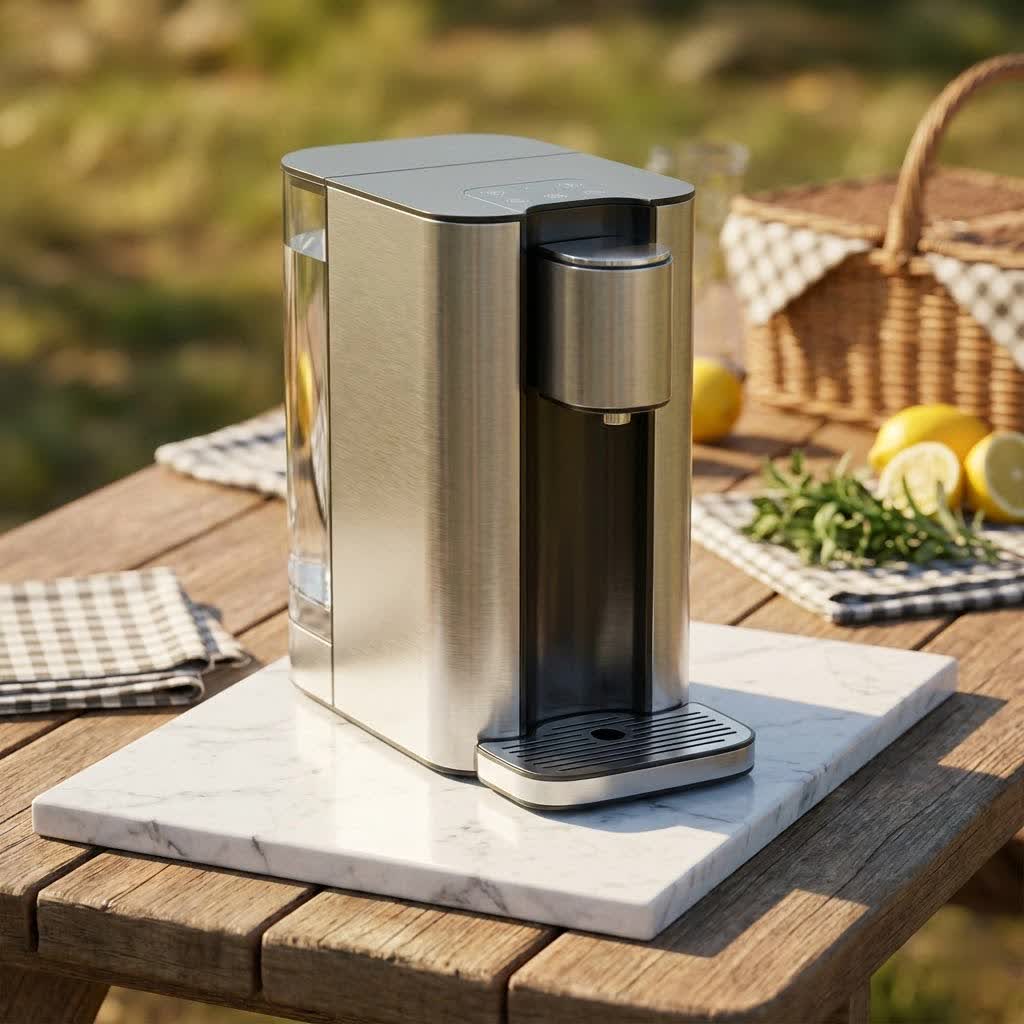
The quality of the water flowing into our homes directly impacts our health and daily lives. From drinking and cooking to showering and laundry, unseen contaminants can lurk in tap water, posing potential risks and affecting taste and odor. Investing in a large water purifier is a proactive step toward ensuring your family has access to safe, clean, and great-tasting water throughout your entire home. This guide will walk you through the various types of large water purifiers, crucial selection criteria, a step-by-step buying process, and essential maintenance tips to help you make an informed decision.
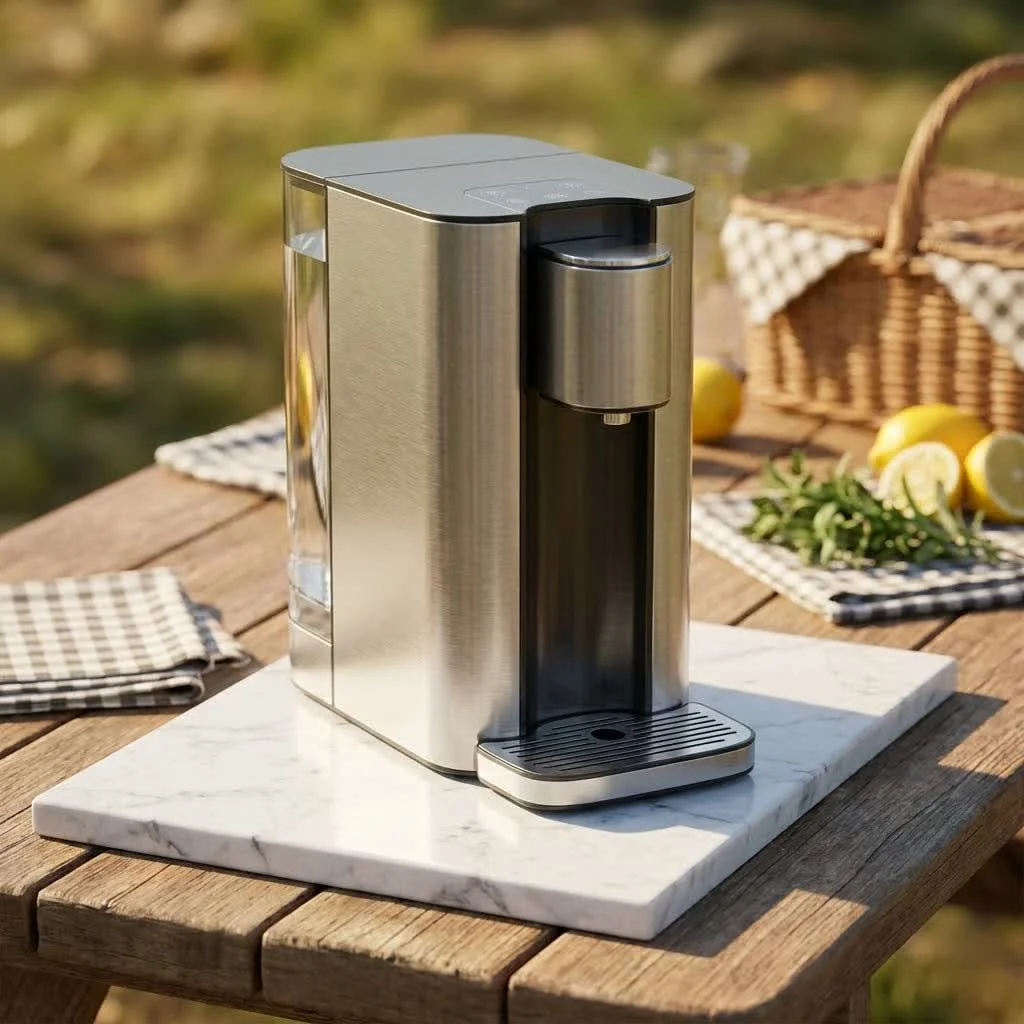
Understanding Different Types of Large Water Purifiers
Large water purifiers generally fall into two main categories: whole house filtration systems, which treat all water entering your home, and high-capacity point-of-use systems, which offer advanced purification at specific taps. Each type employs distinct technologies to address various water quality concerns. For browse all home articles on this site.
Whole House Water Filtration Systems (Point-of-Entry)
Whole house water filtration systems, also known as point-of-entry (POE) systems, are installed directly on your main water line, ensuring that every faucet, shower, and water-using appliance in your home receives filtered water. These systems typically feature multiple stages of filtration.
- Sediment Filters: These are often the first line of defense, designed to remove larger particles like sand, rust, silt, and dirt that can impact water clarity and potentially damage plumbing or other filters.
- Activated Carbon Filters: Utilized to reduce chlorine, chloramines, volatile organic compounds (VOCs), pesticides, herbicides, and other chemicals that cause unpleasant tastes and odors. Carbon filters come in two main forms:
- Granular Activated Carbon (GAC): Consists of loose carbon granules, effective for taste and odor but with faster flow rates.
- Carbon Block Filters: Made from compressed carbon, offering a denser filtration medium that can remove a broader range of chemicals due to increased contact time and surface area.
- Specialty Media Filters: Some whole house systems include specialized filters to target specific contaminants like iron, manganese, sulfur, heavy metals (e.g., lead), or even emerging contaminants such as PFAS (per- and polyfluoroalkyl substances).
- UV Sterilization: For homes with concerns about microbiological contaminants, a UV lamp can be integrated to kill bacteria, viruses, and other pathogens without using chemicals.
Whole house systems offer comprehensive protection, extending the lifespan of appliances by reducing scale buildup and corrosion, and improving the quality of water for bathing and laundry. However, while they significantly enhance overall water quality, they typically do not achieve the molecular-level purification provided by reverse osmosis for drinking water.
High-Capacity Point-of-Use (POU) Systems
|
Our Picks for the Best Water Purifier in 2026
As an Amazon Associate I earn from qualifying purchases.
|
||
| Num | Product | Action |
|---|---|---|
| 1 | 3 Stage RV Water Filter System, 0.2 Micron Taste Pure Water Filter with Compact 5 Inch for RV, 3-Stage High Flow Water Filter for RVs, Boats and Campers |

|
| 2 | ZeroWater 52-Cup Ready-Read 5-Stage Water Filter Pitcher Dispenser with 5-Stage 0 TDS Zero Water Filter – IAPMO Certified to Reduce Metals, Chlorine, Lead, Chromium, and Forever Chemicals PFOA/PFOS |
|
| 3 | Brita UltraMax Large Water Dispenser with 1 BritaPlus Filter, 27 Cup Capacity, Black (Package May Vary) |
|
| 4 | Brita UltraMax Large Water Dispenser With Standard Filter, BPA-Free, Reduces Copper, Cadmium and Mercury Impurities, Lasts 2 Months or 40 Gallons, Includes 1 Filter, Kitchen Accessories, Large 27-Cup |
|
| 5 | Mate 3 Countertop Reverse Osmosis Water Filter System, 8 Stage Purification, 3:1 Pure to Drain, No Installation Required, Smart Sensor Water Dispensing, Reduce TDS, RO Water Purifier |
|
| 6 | ZeroWater 32-Cup 5-Stage Water Filter Dispenser with Instant Read Out - 0 TDS for Improved Tap Water Taste - IAPMO Certified to Reduce Lead, Chromium, and PFOA/PFOS |
|
| 7 | Vortopt Carbon Block Water Filter for Sink Faucet,NSF/ANSI 42 Certified Faucet Water Filter,with Display & 400 Gallon Capacity. |
|
| 8 | AquaTru Carafe Countertop Water Purifier - Compact 4-Stage Reverse Osmosis System with Glass Carafe Removes 84 Contaminants Including Forever Chemicals, Lead & Fluoride - No Plumbing |
|
| 9 | Brita Hub Compact Instant Powerful Countertop Water Filter System, Reduces 70+ Contaminants, 9 Cup Water Reservoir, Includes 6 Month Carbon Block Filter, White, 87344 |
|
| 10 | Waken Electric C11S Reverse Osmosis Water Filtration System Countertop 180oz Water Tank 4:1 Pure to Drain 8 Stage RO Filter No Installation for Home Apartment Condo RV |
|
For the purest drinking and cooking water, high-capacity point-of-use (POU) systems, typically installed under the kitchen sink or as large countertop units, are ideal. These systems focus on treating water at a single tap.
- Reverse Osmosis (RO) Systems: Considered one of the most thorough filtration methods, RO systems push water through a semi-permeable membrane with incredibly fine pores (0.0001 microns). This process effectively removes up to 99% of dissolved solids, heavy metals (like lead, arsenic, chromium), fluoride, nitrates, chlorine, bacteria, and viruses. A common drawback of RO is its slower flow rate and the production of some wastewater.
- Ultrafiltration (UF) and Nanofiltration (NF) Systems: These systems use membranes with larger pore sizes than RO but smaller than standard carbon filters. UF and NF are highly effective at removing bacteria, viruses, and larger organic molecules, while typically retaining beneficial minerals. They generally offer a higher flow rate than RO and produce less wastewater.
- Large Gravity-Fed Filters (e.g., Berkey): These countertop units offer substantial capacity and do not require plumbing or electricity. They typically use specialized filter elements to remove a wide range of contaminants, including bacteria, cysts, heavy metals, and chemicals, making them suitable for emergencies or areas without reliable pressurized water.
Comparing Filtration Technologies
Choosing the right technology hinges on the specific contaminants you need to address and your desired level of purity.
| Technology | Filter Pore Size (approx.) | Primary Contaminants Removed | Pros | Cons |
|---|---|---|---|---|
| Reverse Osmosis (RO) | 0.0001 micron | Dissolved solids, heavy metals, fluoride, nitrates, PFAS, bacteria, viruses, chlorine, chemicals | Highest purity for drinking/cooking | Slow flow rate, produces wastewater, typically POU |
| Ultrafiltration (UF) | 0.01-0.1 micron | Bacteria, viruses, protozoa, suspended solids, larger organic molecules | Good flow rate, retains beneficial minerals, no wastewater, typically POU (some whole house options) | Doesn’t remove dissolved solids, chemicals as comprehensively as RO |
| Nanofiltration (NF) | 0.001-0.01 micron | Hardness minerals, some dissolved solids, bacteria, viruses, chemicals | Good balance of contaminant removal and mineral retention, less wastewater than RO | Slower flow than UF, may not remove all dissolved solids |
| Activated Carbon | 0.5-50 microns | Chlorine, chloramines, VOCs, odors, tastes, some pesticides, herbicides | Cost-effective, good flow rate, improves aesthetics | Does not remove dissolved solids, heavy metals (like lead), bacteria, viruses, or hardness effectively |
| Sediment Filter | 1-50 microns | Sand, rust, silt, dirt, large particles | Protects other filters and plumbing, improves clarity | Does not remove dissolved chemicals, bacteria, viruses |
Essential Criteria for Selecting a Large Water Purifier
Selecting the ideal large water purifier for your home requires careful consideration of several key factors. Skipping this step can lead to dissatisfaction or an ineffective system.
Water Source and Quality Assessment
The most critical first step is to understand your water source (municipal or well water) and get a professional water quality test. This test will reveal specific contaminants present, such as chlorine, lead, iron, hardness, bacteria, or other pollutants. Knowing what you need to remove will guide your choice of filtration technology. “Identifying the problem with your water is paramount; a water test provides the blueprint for your purification solution.” – Dr. Eleanor Vance, Environmental Scientist.
Filtration Capacity and Flow Rate
The system’s capacity, typically measured in Gallons Per Day (GPD) for RO systems or Gallons Per Minute (GPM) for whole house filters, should match your household’s demands. For whole house systems, consider the number of bathrooms in your home. A larger home with multiple simultaneous water uses will require a higher GPM to avoid a drop in water pressure. For RO systems, a higher GPD ensures a faster recovery rate for the storage tank.
Filtration Technology
Align the filtration technology with the contaminants identified in your water test. If you have municipal water with chlorine and sediment, a multi-stage carbon and sediment whole house filter might suffice. For well water with bacterial concerns, a UV sterilizer may be necessary. If heavy metals or PFAS are a concern for drinking water, a high-capacity RO system is highly recommended.
Quality of Materials and Durability
Look for purifiers constructed with high-quality, food-grade materials that ensure longevity and prevent the introduction of harmful substances. Stainless steel housings are durable, while BPA-free plastics are important for components in contact with purified water. A robust build signifies a reliable system that will withstand years of use.
Brand Reputation and Customer Support
Choosing a reputable brand with a proven track record in water purification provides assurance of product quality, reliable performance, and access to customer support and warranty services. Researching user reviews and company history can offer valuable insights into a brand’s trustworthiness and post-purchase assistance.
Cost Analysis
Consider not only the initial purchase price but also the long-term operational costs. This includes the frequency and cost of filter replacements, potential electricity consumption (for powered systems like RO or UV), and any professional maintenance fees. Sometimes a higher upfront investment in a durable system with long-lasting filters can be more cost-effective over time.
Comparison of Common Large Water Purifier Types
Instead of comparing specific product models, which fluctuate frequently, let’s look at the general performance characteristics of popular types of large water purifiers that cater to different needs and budgets.
| Feature | Whole-House Carbon Filter (Multi-Stage) | Under-Sink Reverse Osmosis System (High Capacity) | Large Gravity-Fed Filter (Countertop) |
|---|---|---|---|
| Application | All taps, showers, appliances | Dedicated drinking/cooking faucet | Drinking/cooking water, portable use |
| Primary Removal | Chlorine, sediment, VOCs, odors, taste | Dissolved solids, heavy metals, PFAS, fluoride, bacteria, viruses, chemicals | Bacteria, cysts, heavy metals, chemicals, sediment |
| Flow Rate | High (10-20 GPM) | Slow (50-100 GPD output, stored in tank) | Moderate (gravity dependent, refills) |
| Installation | Professional recommended (main water line) | DIY possible, professional recommended | No installation, assembly required |
| Maintenance | Filters every 6-12 months | Filters every 6-12 months, RO membrane every 2-5 years | Filters every 6-12 months (or longer, by volume) |
| Cost (Upfront) | Moderate to High | Moderate | Moderate |
| Cost (Ongoing) | Moderate (filter replacements) | Moderate (filter/membrane replacements) | Low (filter replacements) |
| Wastewater | None | Yes, some reject water | None |
| Key Benefit | Comprehensive home protection, improved bathing/laundry | Superior drinking water purity | Portability, no plumbing/electricity needed |
Your Buying Guide: A Step-by-Step Approach
Navigating the options for large water purifiers can feel overwhelming. Follow this structured buying guide to simplify your decision and find the best fit for your home.
Step 1: Define Your Needs and Test Your Water
Begin by identifying your primary concerns. Do you want to remove chlorine taste from your shower, protect appliances from hard water scale, or ensure the purest possible drinking water?
Once you understand your priorities, conduct a comprehensive water test. This is non-negotiable, especially for well water, but also highly recommended for municipal supplies to detect specific local contaminants that might not be fully addressed by standard city treatment. Understanding your water’s pH, hardness, and specific contaminants is crucial for selecting an effective purification method.
Step 2: Research Filtration Technologies
Familiarize yourself with the different purification technologies available (RO, UF, carbon, sediment, UV) and what each is designed to remove. Match these capabilities to your water test results and personal purification goals. For instance, if lead is a concern, ensure the system you choose is certified to reduce it.
Step 3: Compare Systems and Features
Evaluate various large water purifier models based on the criteria discussed earlier: capacity, flow rate, durability, and brand reputation. Pay close attention to features like filter lifespan, ease of filter replacement, and the system’s overall footprint, ensuring it fits your available space. Consider whether the system offers additional benefits, such as remineralization for RO water or smart monitoring features.
Step 4: Verify Certifications and Safety Standards
Reputable water purifiers will carry certifications from independent organizations like NSF International (National Sanitation Foundation) or the Water Quality Association (WQA). Look for specific NSF/ANSI standards:
- NSF/ANSI Standard 42: Addresses aesthetic issues like chlorine taste and odor.
- NSF/ANSI Standard 53: Certifies health-related contaminant reduction, such as lead, asbestos, and certain chemicals.
- NSF/ANSI Standard 58: Specific to Reverse Osmosis drinking water treatment systems.
- NSF/ANSI Standard 401: Verifies reduction of emerging contaminants, including certain pharmaceuticals and pesticides.
These certifications provide independent assurance that the product performs as claimed.
Step 5: Consider Professional Consultation and Installation
For whole house systems, professional installation is highly recommended to ensure proper plumbing connections, optimal system sizing, and adequate water pressure throughout your home. A professional can also provide valuable insights into your specific water challenges and recommend suitable solutions. Even for complex under-sink RO systems, professional help can prevent leaks and ensure efficient operation.
Step 6: Purchase from a Reputable Source and Review Warranty
Buy your large water purifier from an authorized dealer or a well-known retailer to guarantee product authenticity and access to the manufacturer’s warranty. Understand the warranty terms, including what components are covered and for how long, as well as the return policy. This protects your investment and provides peace of mind.
How to Use and Maintain Your Large Water Purifier
Proper usage and consistent maintenance are key to maximizing your large water purifier’s effectiveness and extending its lifespan. Neglecting these aspects can compromise water quality and lead to costly repairs.
Adhering to Proper Usage Guidelines
Always follow the manufacturer’s instructions for your specific water purifier. This includes understanding the operating pressure range, temperature limits, and any restrictions on the type of water that can be treated. Avoid exceeding the recommended flow rates or capacities, as this can reduce filtration efficiency and potentially damage the system. For instance, RO systems require a certain amount of contact time with the membrane to effectively purify water.
Following a Regular Filter Replacement Schedule
Filters are the heart of any purification system, and their effectiveness diminishes over time as they become saturated with contaminants. Adhering to the recommended filter replacement schedule is critical. This schedule varies widely depending on the filter type, your water quality, and your household’s water consumption. For example, sediment and carbon filters in a whole house system might need changing every 6-12 months, while an RO membrane could last 2-5 years. Regular replacement ensures consistent purification performance and prevents strain on the system.
Routine Cleaning and Sanitization
Depending on the system, periodic cleaning or sanitization may be necessary. For gravity-fed systems, regular cleaning of the holding tanks is important to prevent bacterial growth. Whole house systems may benefit from occasional backwashing (if applicable) or cleaning of filter housings during cartridge changes. Always use manufacturer-approved cleaning agents and follow specific instructions to avoid damage.
Troubleshooting Common Issues
While large water purifiers are generally reliable, you might encounter minor issues. Reduced water flow often indicates clogged filters that need replacement. A change in water taste or odor suggests exhausted carbon filters. Leaks can sometimes be resolved by checking connections or replacing O-rings. For persistent or complex problems, consult your system’s manual or contact customer support. Timely troubleshooting can prevent minor issues from escalating into major repairs.
“A well-maintained water purifier is an investment that pays dividends in health and peace of mind. Consistent filter changes aren’t just a recommendation; they are crucial for optimal performance.” – Maria Rodriguez, Certified Water Quality Specialist.
Conclusion
Choosing and maintaining a large water purifier is a significant step towards a healthier home environment. By understanding the diverse types of systems available, evaluating them against crucial criteria like water quality and capacity, and committing to proper maintenance, you can ensure a consistent supply of clean, safe water for all your needs. From the comprehensive protection of a whole house system to the pristine purity of an under-sink RO, the right solution is out there. Take the time to research, test your water, and invest wisely. What steps will you take today to ensure your family enjoys the purest water possible?
Frequently Asked Questions
What is the main difference between a whole house water filter and a Reverse Osmosis (RO) system?
A whole house water filter treats all the water entering your home, removing common contaminants like chlorine and sediment from every tap. An RO system, typically installed at a single point of use (like a kitchen sink), provides a much higher level of purification by removing nearly all dissolved solids, heavy metals, and microscopic contaminants, making it ideal for drinking and cooking.
How often should filters in a large water purifier be changed?
The frequency of filter changes depends on the filter type, your specific water quality, and the volume of water used. Generally, sediment and carbon filters in whole house systems should be replaced every 6 to 12 months, while RO membranes can last 2 to 5 years. Always refer to your manufacturer’s recommendations for precise schedules.
Are large water purifiers worth the investment?
Absolutely. A large water purifier, particularly a whole house system, protects your family’s health by removing harmful contaminants from all water sources in your home. It also extends the lifespan of your plumbing and appliances by reducing sediment and scale buildup, and significantly improves the taste and odor of your water, making it a worthwhile long-term investment.
Can I install a whole house water filter myself?
While some DIY-savvy homeowners with basic plumbing knowledge might attempt installation, professional installation is strongly recommended for whole house water filters. This ensures proper integration with your main water line, correct sizing, optimal water pressure, and leak prevention, maximizing the system’s performance and avoiding potential damage.
What certifications should I look for when buying a water purifier?
Look for certifications from independent organizations like NSF International (e.g., NSF/ANSI Standard 42 for aesthetic claims, 53 for health claims, 58 for RO systems, and 401 for emerging contaminants) or the Water Quality Association (WQA). These certifications verify that the product has been rigorously tested and performs according to industry standards.
Pet products vetted on real animals
Practical specs, not advice. Unsubscribe anytime.
