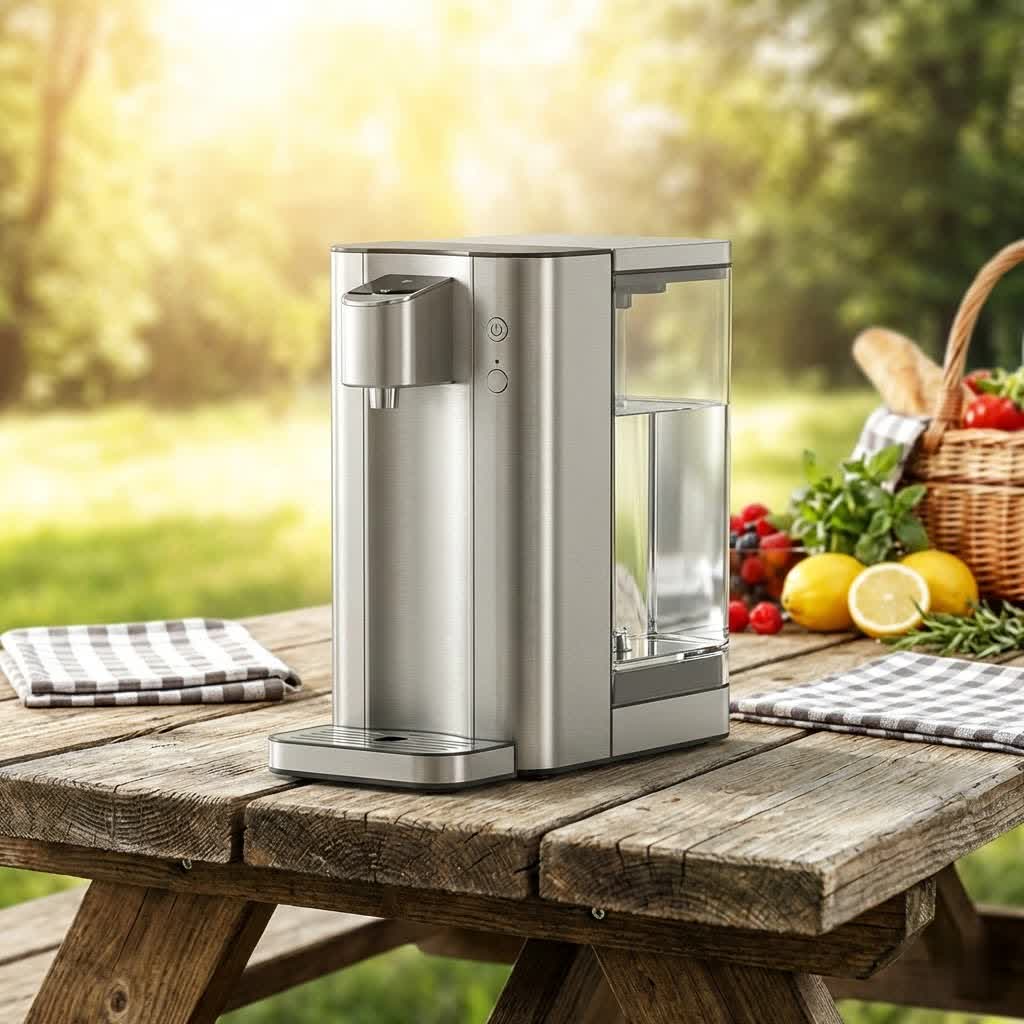
The quality of our drinking water is a growing concern for many households. Unseen contaminants, unpleasant tastes, and persistent odors can make tap water less appealing, leading many to seek effective home filtration solutions. While whole-house or under-sink systems offer robust purification, they often come with complex installation and a significant commitment. This is where the countertop water purifier steps in, providing a convenient, accessible, and often highly effective alternative to transform your ordinary tap water into refreshing, clean hydration.
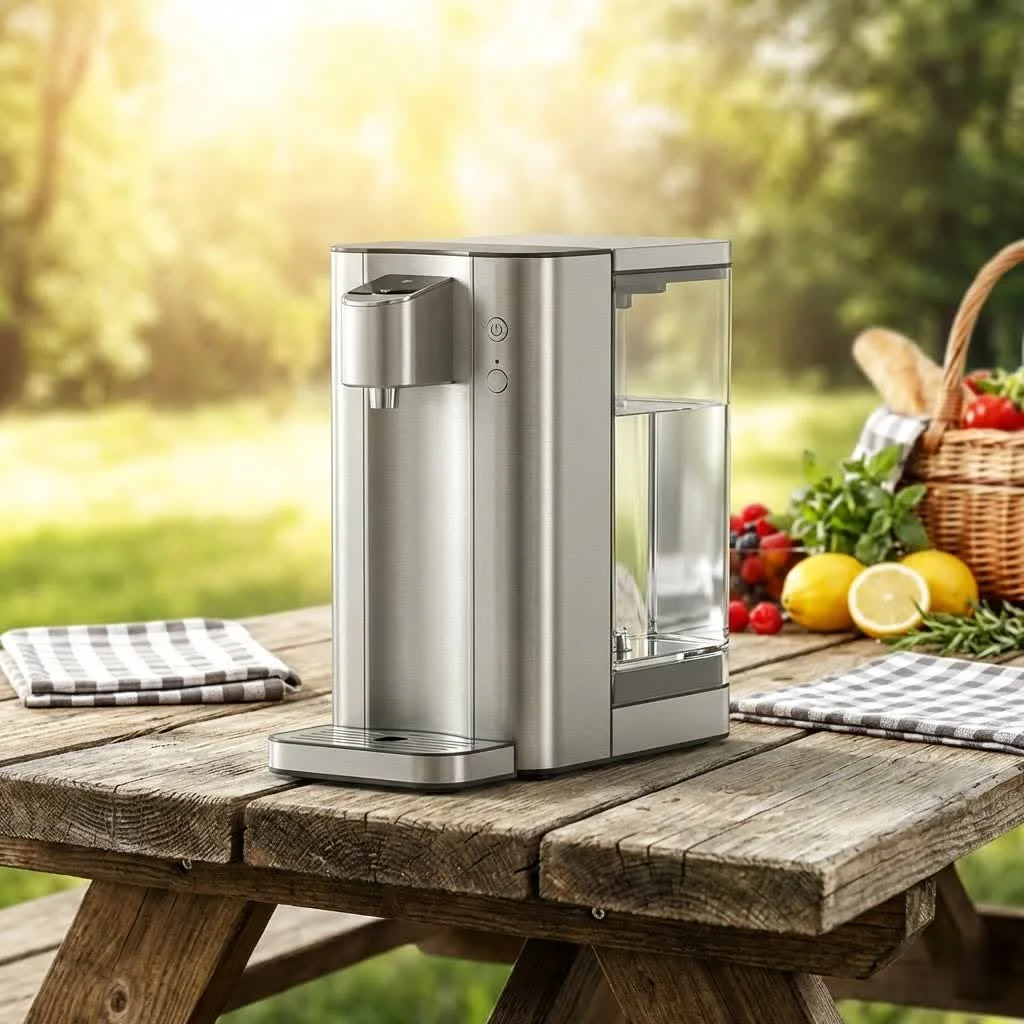
Imagine effortlessly filling your glass with crisp, pure water, directly from a sleek device resting on your kitchen counter. Countertop water purifiers offer an ingenious blend of performance and practicality, catering to a diverse range of needs without extensive plumbing modifications. Whether you’re concerned about chlorine, heavy metals, or microscopic impurities, understanding these systems is the first step toward securing the safest and most delicious water for your family. This comprehensive guide will explore the various types of countertop water purifiers, highlight essential selection criteria, and provide practical advice for their use and maintenance, ensuring you make an informed decision for your home.
Common Types of Countertop Water Purifiers
The world of countertop water purifiers is diverse, offering various filtration technologies designed to address different water quality concerns. Each type comes with its own set of advantages and limitations, making it crucial to understand how they function to select the best fit for your home.
Activated Carbon Filters
Activated carbon filters are among the most prevalent technologies, widely praised for their effectiveness in improving water aesthetics. These systems, often found in faucet-mounted units or as part of multi-stage gravity filters, excel at trapping and reducing contaminants as water flows through a highly porous carbon material. They are particularly adept at removing chlorine, chloramines, volatile organic compounds (VOCs), pesticides, and herbicides, significantly enhancing the taste and odor of your tap water.
However, while excellent for taste and odor, standard activated carbon filters may not remove dissolved inorganic contaminants like fluoride, arsenic, or heavy metals to a significant degree, nor do they typically eliminate bacteria or viruses. They are a cost-effective solution for those whose primary goal is better-tasting water and reduction of common chemical disinfectants.
Gravity-Fed Water Filters
Gravity-fed countertop water purifiers operate without electricity or direct plumbing connections, making them highly portable and ideal for renters, small apartments, or even off-grid living. These systems typically consist of upper and lower chambers, where tap water is poured into the top and slowly filters down through one or more filter elements into the bottom chamber. Common filter media include ceramic and activated carbon, often in combination.
Gravity filters are effective at removing sediment, rust, and many bacteria and cysts. Some advanced models can also reduce certain heavy metals and chemicals. Their advantages include simplicity, reliability, and low operating noise. The main drawbacks are their slower filtration speed, requiring users to fill and wait for purification, and they often occupy a larger footprint on the countertop.
Countertop Reverse Osmosis (RO) Systems
|
Our Picks for the Best Water Purifier in 2026
As an Amazon Associate I earn from qualifying purchases.
|
||
| Num | Product | Action |
|---|---|---|
| 1 | 3 Stage RV Water Filter System, 0.2 Micron Taste Pure Water Filter with Compact 5 Inch for RV, 3-Stage High Flow Water Filter for RVs, Boats and Campers |

|
| 2 | Waken Electric C11S Reverse Osmosis Water Filtration System Countertop 180oz Water Tank 4:1 Pure to Drain 8 Stage RO Filter No Installation for Home Apartment Condo RV |
|
| 3 | Vortopt Carbon Block Water Filter for Sink Faucet,NSF/ANSI 42 Certified Faucet Water Filter,with Display & 400 Gallon Capacity. |
|
| 4 | ZeroWater 32-Cup 5-Stage Water Filter Dispenser with Instant Read Out - 0 TDS for Improved Tap Water Taste - IAPMO Certified to Reduce Lead, Chromium, and PFOA/PFOS |
|
| 5 | Brita Hub Compact Instant Powerful Countertop Water Filter System, Reduces 70+ Contaminants, 9 Cup Water Reservoir, Includes 6 Month Carbon Block Filter, White, 87344 |
|
| 6 | ZeroWater 52-Cup Ready-Read 5-Stage Water Filter Pitcher Dispenser with 5-Stage 0 TDS Zero Water Filter – IAPMO Certified to Reduce Metals, Chlorine, Lead, Chromium, and Forever Chemicals PFOA/PFOS |
|
| 7 | Brita UltraMax Large Water Dispenser with 1 BritaPlus Filter, 27 Cup Capacity, Black (Package May Vary) |
|
| 8 | AquaTru Carafe Countertop Water Purifier - Compact 4-Stage Reverse Osmosis System with Glass Carafe Removes 84 Contaminants Including Forever Chemicals, Lead & Fluoride - No Plumbing |
|
| 9 | Mate 3 Countertop Reverse Osmosis Water Filter System, 8 Stage Purification, 3:1 Pure to Drain, No Installation Required, Smart Sensor Water Dispensing, Reduce TDS, RO Water Purifier |
|
| 10 | Brita UltraMax Large Water Dispenser With Standard Filter, BPA-Free, Reduces Copper, Cadmium and Mercury Impurities, Lasts 2 Months or 40 Gallons, Includes 1 Filter, Kitchen Accessories, Large 27-Cup |
|
For those seeking the highest level of purification from a countertop unit, reverse osmosis (RO) systems are often the answer. These advanced purifiers push water through a semi-permeable membrane at high pressure, effectively stripping out a vast array of contaminants. Countertop RO systems are renowned for removing virtually all dissolved solids, including heavy metals like lead and mercury, fluoride, arsenic, nitrates, PFAS (per- and polyfluoroalkyl substances), viruses, and bacteria. Many models also incorporate activated carbon pre- and post-filters for comprehensive treatment.
While exceptionally effective, countertop RO systems typically have a slower water production rate and generate some wastewater, a byproduct of the purification process. They often require electricity to power a pump and may need a connection to a faucet for water intake. Despite a higher initial cost and slightly more complex maintenance, the superior purity they deliver makes them a worthwhile investment for many.
Ultrafiltration (UF) Systems
Ultrafiltration (UF) technology offers a middle ground between carbon filtration and reverse osmosis. UF membranes have pore sizes smaller than those of activated carbon but larger than RO membranes, allowing them to effectively remove suspended solids, bacteria, viruses, colloids, and large organic molecules. A key advantage of UF systems is that they typically retain beneficial minerals in the water, unlike RO, and do not produce wastewater.
UF systems are often electricity-free and boast a higher flow rate than RO systems. However, they do not remove dissolved inorganic contaminants such as salts, heavy metals, or fluoride. They are an excellent choice for improving microbiological safety and clarity of water, especially where mineral retention is desired.
Criteria for Choosing a Countertop Water Purifier
Selecting the right countertop water purifier involves more than just picking the first attractive model you see. Your specific needs and local water conditions should guide your decision. Here are the essential criteria to consider:
Your Water Source and Contaminants
Before investing in any purification system, it’s vital to understand what’s actually in your tap water. Municipal water quality reports, often available online from your local water utility, provide detailed analyses of contaminants present. For private well owners, a professional water test is indispensable. Identifying specific concerns, such as high levels of chlorine, lead, fluoride, or hard water minerals, will help you match your needs with the appropriate filtration technology. For instance, if fluoride removal is a priority, a countertop reverse osmosis system would be a suitable choice.
Filtration Technology & Effectiveness
Different technologies target different contaminants. Activated carbon is excellent for taste and odor, while ultrafiltration excels at removing bacteria and viruses. Reverse osmosis provides the most comprehensive removal, tackling heavy metals, PFAS, and dissolved solids. Understanding the strengths of each technology ensures you choose a system capable of addressing your specific water quality challenges.
Filtration Capacity & Flow Rate
Consider your household’s daily water consumption. A small, single-person household might be content with a lower-capacity gravity filter, while a busy family may prefer a system with a faster flow rate or a larger reservoir that can deliver purified water quickly. Countertop RO systems, for example, often produce water slower than other types, though many come with an internal tank to store purified water for on-demand use.
Ease of Installation & Setup
One of the main appeals of a countertop water purifier is its ease of installation. Many models are “plug-and-play,” requiring no tools or complex plumbing. Faucet-mounted units typically include simple adapters that screw onto your existing faucet, allowing you to switch between filtered and unfiltered water. Freestanding units simply need to be filled manually. Evaluate the setup process described by manufacturers to ensure it aligns with your comfort level.
Maintenance Requirements & Costs
All water filters require maintenance, primarily filter replacement. Research the lifespan of replacement filters, their cost, and how easy they are to change. Some systems have indicators that alert you when filters need replacing. Over the long term, the cost of replacement filters can sometimes exceed the initial purchase price of the unit itself, so factor this into your budget.
Certifications and Brand Reputation
For peace of mind, look for certifications from reputable third-party organizations such as NSF International, the Water Quality Association (WQA), or IAPMO R&T. These certifications verify that a product performs as claimed and meets stringent public health standards for contaminant reduction. Choosing a well-established brand with positive customer reviews and robust customer support can also ensure a reliable purchase.
Space & Design
Countertop space is often at a premium in kitchens. Measure the available area and compare it to the dimensions of potential purifiers. Consider the design and aesthetic of the unit; many modern countertop purifiers are designed to be sleek and blend seamlessly with kitchen decor.
Comparison of Popular Countertop Water Purifier Technologies
To help you visualize the differences, here’s a general comparison of common countertop water purifier technologies:
| Feature | Activated Carbon Filters (e.g., Faucet-mounted) | Gravity-Fed Filters (e.g., Multi-stage) | Countertop RO Systems | Ultrafiltration (UF) Systems |
|---|---|---|---|---|
| Key Contaminants Removed | Chlorine, taste, odor, VOCs, some sediment | Sediment, bacteria, cysts, some chemicals, heavy metals | Heavy metals, PFAS, fluoride, viruses, bacteria, chemicals, dissolved solids | Sediment, bacteria, viruses, colloids, large organic molecules |
| Retains Beneficial Minerals | Yes | Yes | No (some re-mineralize) | Yes |
| Installation | Easy (faucet attachment) | None (freestanding) | Relatively easy (some faucet connection, power) | Easy (faucet attachment or freestanding) |
| Flow Rate / Speed | Instant (faucet) | Slow | Slow production (then stored/direct) | Moderate to Fast |
| Wastewater Produced | No | No | Yes | No |
| Electricity Needed | No | No | Often (for pump) | No |
| Initial Cost | Low | Moderate | High | Moderate |
| Filter Replacement Cost | Moderate | Moderate/High | Moderate/High | Moderate |
| Counter Space Taken | Minimal (faucet) / Moderate (small freestanding) | Moderate to Large | Moderate to Large | Minimal to Moderate |
Countertop Water Purifier Buying Guide
Navigating the market for a countertop water purifier can feel overwhelming, but a structured approach can simplify the process and ensure you find the perfect system for your home.
Step 1: Understand Your Water Quality
Start by obtaining your latest local water quality report or conducting a home water test. Knowing the specific contaminants present in your tap water, such as lead, chlorine, or hard minerals, is the foundational step. This information will inform the type of filtration technology you need.
Step 2: Define Your Filtration Goals
Are you primarily looking to improve taste and odor, or do you have serious concerns about specific health-related contaminants like PFAS or heavy metals? Clearly defining your filtration goals will narrow down your options significantly.
Step 3: Consider Your Lifestyle
Think about your daily water consumption habits, the number of people in your household, and your kitchen layout. Do you need instant filtered water, or is a slower gravity-fed system acceptable? Is portability a factor, or will the unit remain in one spot? These considerations will influence the ideal capacity and physical design of your purifier.
Step 4: Research & Compare Technologies
Based on your water quality and filtration goals, research the various countertop water purifier technologies: activated carbon, gravity-fed, reverse osmosis, or ultrafiltration. Understand their capabilities and limitations in relation to the contaminants you want to remove. For instance, if you require the highest level of purity, a countertop RO system is generally recommended.
Step 5: Check for Certifications
Always look for products certified by independent bodies like NSF International or the Water Quality Association (WQA). These certifications validate that the purifier has been tested and verified to reduce the contaminants it claims to remove, providing an assurance of performance and safety.
> “Choosing a water purifier with proper certifications is non-negotiable. It’s the assurance that the system actually does what it claims to do, providing real peace of mind for your family’s health.” – Admin, reviewszakos.com
Step 6: Evaluate Long-Term Costs
Beyond the initial purchase price, consider the ongoing cost and frequency of filter replacements. Some systems may seem cheaper upfront but have expensive, short-lived filters, leading to higher long-term expenses. Calculate the estimated annual operating cost to get a true sense of the investment.
Step 7: Purchase from Reputable Sources
Buy your countertop water purifier from authorized dealers, reputable online retailers, or established home appliance stores. This ensures you receive a genuine product, access to warranties, and reliable customer support should you encounter any issues.
Step 8: Follow Setup Instructions
Once purchased, meticulously follow the manufacturer’s instructions for installation and initial setup. This typically involves flushing new filters and running several cycles of water through the system before consumption to remove any manufacturing residues.
How to Use and Maintain Your Countertop Water Purifier
Proper usage and regular maintenance are critical for ensuring your countertop water purifier continues to deliver clean, safe water efficiently and extends its lifespan.
Initial Setup and First Use
Upon receiving your new countertop water purifier, take the time to read the entire user manual. This will guide you through the assembly process, which is usually straightforward. Most systems require an initial flushing of the filters to remove any carbon dust or manufacturing particles. This typically involves running several gallons of water through the system and discarding it before consuming any filtered water. This crucial step primes the filters for optimal performance.
Daily Usage Tips
- Refilling: For freestanding units, always fill the top reservoir with tap water when it’s empty to ensure a continuous supply of filtered water. Avoid letting the filters dry out, as this can sometimes impact their performance.
- Cleaning Exterior: Wipe down the exterior of your purifier regularly with a damp cloth to keep it clean and prevent dust or grime buildup.
- Water Temperature: Unless specified by the manufacturer, use cold tap water for filtration, as hot water can sometimes damage filter media or reduce their effectiveness.
Regular Filter Replacement
Filter replacement is perhaps the most vital aspect of maintaining your countertop water purifier. Over time, filters become saturated with contaminants and lose their effectiveness.
- Follow Schedule: Adhere strictly to the manufacturer’s recommended filter replacement schedule, which can range from every 3-6 months for activated carbon filters to 1-2 years for RO membranes, depending on water quality and usage.
- Monitor Indicators: Many modern purifiers come with electronic or visual indicators that alert you when it’s time to change a filter. Pay attention to these prompts.
- Taste/Flow Changes: A noticeable decline in water taste, increased odors, or a significant drop in flow rate can also signal that it’s time for a filter change, even if it’s before the recommended schedule. This often indicates heavily contaminated source water or unusually high usage.
Cleaning & Sanitization
Beyond filter replacement, periodic deep cleaning and sanitization are important to prevent bacterial growth within the unit, especially for systems with water reservoirs.
- Disassemble & Wash: Follow the manufacturer’s instructions for disassembling parts that come into contact with water, such as reservoirs and dispensing spouts. Wash them thoroughly with mild soap and warm water.
- Sanitize: Some manufacturers recommend using a mild bleach solution or specialized sanitizing tablets for a deeper clean. Always rinse thoroughly after sanitization to remove any chemical residues.
Troubleshooting Common Issues
- Slow Flow Rate: This is often the first sign of a clogged filter that needs replacement. For RO systems, air in the lines or low water pressure can also be culprits.
- Unusual Taste/Odor: A new, unpleasant taste or odor typically indicates that filters are exhausted and need to be changed.
- Leaks: Check all connections and O-rings. Ensure parts are properly seated and tightened.
Consistent care ensures your countertop water purifier remains a reliable source of fresh, clean water for years to come.
Conclusion
Embracing a countertop water purifier is a proactive step towards ensuring your household has access to clean, great-tasting water without the complexities of extensive installations. From the convenience of faucet-mounted systems to the comprehensive purification of countertop reverse osmosis units, there’s a solution tailored for every home and every water quality concern. By understanding the different filtration technologies, carefully evaluating your specific needs, and committing to routine maintenance, you can select a system that not only enhances your daily hydration but also contributes to a healthier lifestyle. Investing in a quality countertop water purifier is an investment in your well-being, offering pure water at your fingertips.
Which countertop water purifier will transform your daily hydration experience?
Frequently Asked Questions
Do countertop water purifiers remove all contaminants?
No single countertop water purifier removes “all” contaminants. Their effectiveness varies greatly depending on the filtration technology used. Reverse osmosis (RO) systems offer the most comprehensive removal, tackling a wide range of dissolved solids, heavy metals, chemicals, viruses, and bacteria. Other types, like activated carbon, primarily focus on improving taste, odor, and removing chlorine, while ultrafiltration removes microbes and suspended solids. It’s essential to match the purifier’s capabilities to your specific water quality concerns.
How often should I replace the filters in my countertop water purifier?
Filter replacement frequency depends on the specific filter type, your water quality, and your daily usage. Generally, activated carbon filters may need replacement every 3-6 months, while RO membranes can last 1-2 years. Always consult your purifier’s user manual for the manufacturer’s recommended schedule. Ignoring filter changes can lead to reduced effectiveness, slower flow rates, and potentially compromise your water quality.
Are countertop RO systems worth the investment?
Countertop RO systems represent a significant investment compared to simpler filters, but they are often worth it for those prioritizing the highest level of water purity. They excel at removing a vast array of contaminants, including fluoride, lead, arsenic, and PFAS, which many other filter types cannot. While they may have a slower flow rate and produce some wastewater, their comprehensive purification and long-term cost-effectiveness (compared to bottled water) make them a valuable choice for health-conscious individuals.
Can I take my countertop water purifier with me when I move?
Yes, one of the primary advantages of most countertop water purifiers is their portability. Unlike under-sink or whole-house systems, they typically do not require permanent plumbing modifications. Faucet-mounted units can be easily unscrewed, and freestanding models simply need to be emptied and packed. This makes them an ideal solution for renters or individuals who anticipate moving frequently, allowing them to enjoy purified water wherever they go.
How much counter space do these purifiers typically require?
The amount of counter space required varies significantly by type. Faucet-mounted diverters take up minimal space as they attach directly to your existing faucet. Freestanding or gravity-fed systems, and especially countertop RO units, tend to be larger due to their internal components, tanks, or reservoirs, often requiring a dedicated area on your countertop. Always check the product dimensions before purchasing to ensure it fits comfortably in your kitchen.
Pet products vetted on real animals
Practical specs, not advice. Unsubscribe anytime.
