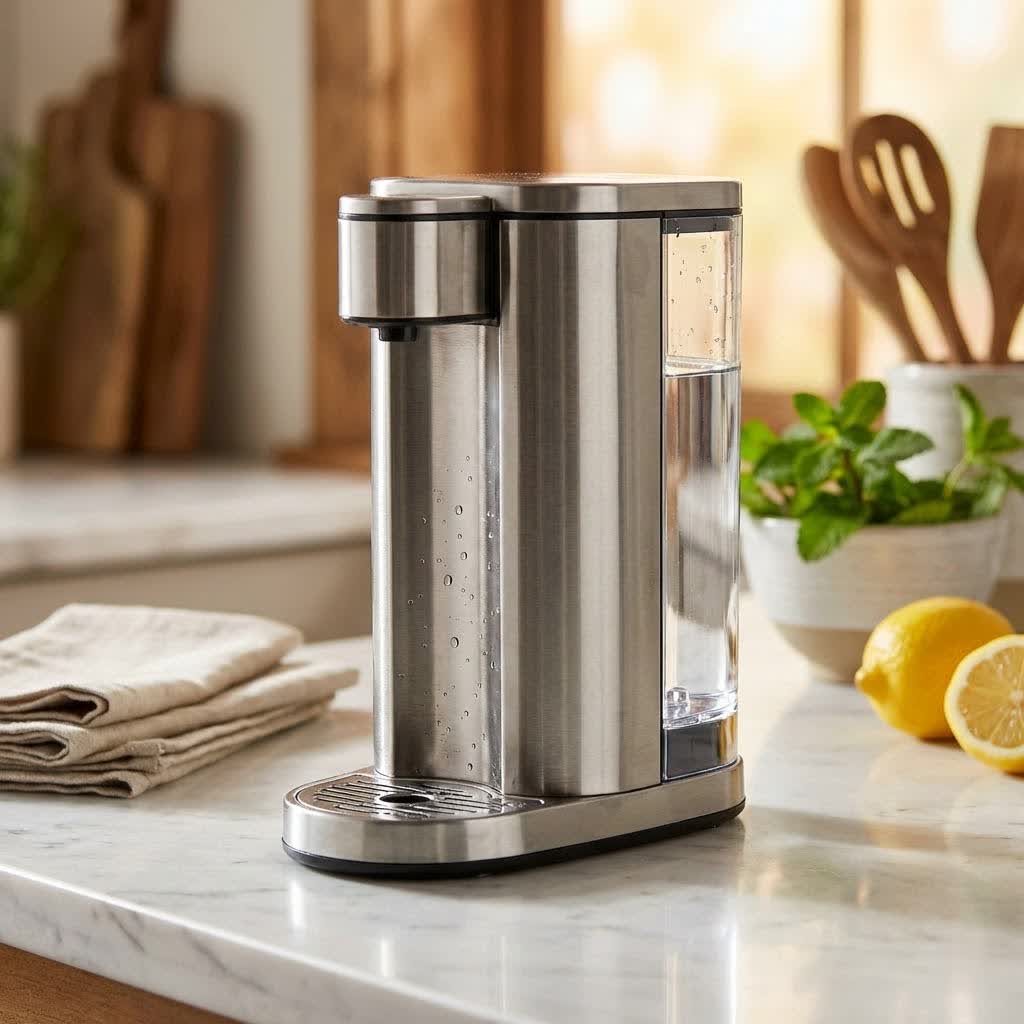
Access to clean, safe drinking water is a fundamental need, yet it remains a challenge for many households globally. Contaminants like bacteria, viruses, heavy metals, and dissolved solids can compromise water quality, posing significant health risks. This makes a reliable water purification system not just a convenience, but a necessity. Among the leading brands in this vital category, Aqua Guard water purifiers stand out, offering a diverse range of technologies designed to tackle various water challenges. This guide will delve into what makes Aqua Guard a popular choice, help you understand their innovative technologies, highlight key buying considerations, and provide essential tips for maintenance, ensuring your family enjoys pure, healthy water every day.
Understanding Aqua Guard Water Purifiers
Aqua Guard is a prominent brand, primarily associated with Eureka Forbes, a well-established name in India’s water purification sector. For decades, Aqua Guard has been synonymous with pioneering water purification solutions, evolving with advancements in technology to address ever-changing water quality concerns. They are recognized for integrating multiple purification stages and technologies into their systems, aiming to deliver water that is not only clean but also healthy. The brand’s commitment extends to offering a wide array of models, catering to different water sources, household needs, and budget ranges, making pure water accessible to a broad consumer base.
Types of Aqua Guard Water Purifier Technologies
Aqua Guard leverages a combination of advanced purification technologies to ensure comprehensive water treatment. Understanding these technologies is crucial for selecting the right purifier for your specific needs.
- Reverse Osmosis (RO): This technology is highly effective for removing dissolved solids, heavy metals, pesticides, and other chemical contaminants from water. RO purifiers are particularly recommended for areas with high Total Dissolved Solids (TDS) levels, such as borewell or tanker water sources.
- Ultraviolet (UV) Purification: UV light is a powerful disinfectant that deactivates harmful bacteria, viruses, and other microorganisms by disrupting their DNA, preventing them from reproducing and causing disease. UV purification is often used as a final stage to ensure microbial safety.
- Ultrafiltration (UF): UF technology uses a semi-permeable membrane to remove suspended solids, colloids, and larger particles, including bacteria and cysts, while retaining essential minerals. It’s often used in conjunction with RO or UV to enhance purification.
- Mineral Taste Adjuster (MTDS): Many Aqua Guard purifiers feature MTDS technology, which allows you to adjust the taste of the purified water by retaining essential natural minerals. This is especially beneficial in RO systems where some beneficial minerals might also be removed during the purification process, enhancing the overall drinking experience.
- Active Copper & Zinc Booster Technology: Some advanced Aqua Guard models incorporate Active Copper and Zinc Booster technology. This feature infuses water with traces of copper and zinc, which are considered essential minerals known for their potential health benefits, supporting immunity and overall well-being.
- Alkaline Technology: Certain purifiers offer alkaline enhancement, which helps maintain the pH balance of the water, making it less acidic. Proponents suggest that alkaline water can have various health advantages.
- IoT-enabled Smart Features: The latest Aqua Guard purifiers come with smart connectivity, allowing users to monitor their device’s health, track filter life, check water quality (TDS levels), and even receive service alerts directly on their smartphone via a dedicated app. This offers unparalleled convenience and control over your water purification system.
Key Factors for Choosing an Aqua Guard Water Purifier
Selecting the ideal Aqua Guard water purifier requires careful consideration of several factors to match the system to your unique requirements.
The quality of your incoming water is the most critical determinant. Identify your water source, be it municipal tap water, borewell, or tanker water, and assess its TDS (Total Dissolved Solids) levels and potential contaminants. High TDS water typically necessitates an RO-based system, while municipal water with lower TDS might benefit from UV or UF purifiers, often combined with other stages.
Next, consider the purification capacity and storage capacity that aligns with your household’s demands. Families with higher water consumption will need a purifier with a greater filtration rate and a larger storage tank to ensure a continuous supply of purified water. Aqua Guard offers various capacities, from compact models for small families to larger units for bigger households.
Evaluate the purification technology combination offered by different models. An RO+UV+MTDS system, for instance, provides comprehensive purification by removing dissolved impurities, killing bacteria, and retaining essential minerals. Choosing the right combination ensures effective removal of specific contaminants present in your water source.
The quality of materials used in the purifier’s construction directly impacts its durability and safety. Look for models with food-grade plastic or high-grade stainless steel tanks, which prevent microbial growth and ensure the longevity of the appliance.
Brand reputation and after-sales service are paramount for long-term satisfaction. While Aqua Guard is a well-known brand, it’s advisable to research current customer reviews regarding installation, maintenance, and responsiveness of their service. A good service network ensures timely assistance and genuine spare parts.
Finally, consider the overall cost, which includes not only the initial purchase price but also recurring expenses such as filter replacement costs and potential Annual Maintenance Contract (AMC) charges. Some models offer extended filter life or free service plans that can reduce long-term expenditure.
Popular Aqua Guard Water Purifier Models
Aqua Guard offers a wide array of models, each designed with specific features and technologies. Here’s a brief overview of some popular types you might encounter:
| Model Type | Key Technologies | Ideal For | Highlights |
|---|---|---|---|
| Ritz Pro 2X Life RO+UV IoT | RO+UV+MTDS, IoT, 9-stage purification, Titanium Duo Filter | Modern homes, high TDS water | Smart features, remote monitoring, extended filter life |
| Sure Delight Aquasaver ROUVUF2X | RO+UV+UF, 9-stage purification, Mega Sediment Filter | Budget-conscious, moderate to high TDS | Good balance of technologies, often more affordable |
| Enrich Glory RO+UV+UF | RO+UV+UF, Active Copper, 10-stage purification | Comprehensive purification, health benefits | Adds active copper, suitable for varied water sources |
| Enhance UV+UF | UV+UF, Mineral Guard Technology | Low to moderate TDS, municipal water | Retains natural minerals, effective against bacteria/viruses |
| Blaze Insta RO+UV+TA Hot & Ambient | RO+UV+Taste Adjuster, Hot & Cold Water | Convenience, varied water temperature needs | Delivers both hot and ambient purified water |
Note: Specific features and technologies can vary by model and region. Always check the latest specifications before purchase.
Aqua Guard Water Purifier Buying Guide
Navigating the market for a new water purifier can be daunting. This buying guide simplifies the process, helping you make an informed decision.
- Assess Your Needs: Begin by evaluating your household’s daily water consumption, the number of family members, and your budget. Critically, get your source water tested if possible, or understand the typical water quality in your area (e.g., municipal, borewell, hard water, etc.). This will inform the required purification technology.
- Research Technologies: Familiarize yourself with RO, UV, UF, and MTDS technologies. For areas with high TDS (above 500 ppm), an RO purifier is generally essential. If your water has low TDS but needs bacterial and viral protection, UV or UF might suffice, or be a suitable addition to an RO system. Consider features like Active Copper or Alkaline if you seek additional health benefits.
- Compare Models & Features: Once you have a clear idea of your needs and preferred technologies, compare different Aqua Guard models. Look at purification stages, storage capacity, flow rate, energy consumption, and any smart features like IoT connectivity or filter life indicators.
- Consider After-Sales Service & Warranty: Water purifiers require periodic maintenance and filter replacements. Research the brand’s reputation for customer service, warranty coverage, and the availability of genuine spare parts and service centers in your location. A robust service network ensures peace of mind.
- Purchase from Reputable Retailers: Buy your Aqua Guard purifier from authorized dealers, reputable electronics stores, or trusted online platforms. This ensures you receive a genuine product with a valid warranty. Be wary of unofficial sellers offering unusually low prices.
- Installation & Initial Checks: After purchase, ensure professional installation by certified technicians. During installation, verify that all connections are secure and that the purifier functions correctly. It’s also wise to check the TDS levels of the purified water (if your model has a TDS adjuster) to ensure it’s within the recommended range.
How to Use and Maintain Your Aqua Guard Water Purifier
Proper usage and timely maintenance are crucial for the optimal performance and longevity of your Aqua Guard water purifier.
For proper usage, always follow the manufacturer’s instructions provided in the user manual. Ensure the purifier is connected to a stable power supply and the inlet water valve is fully open. Avoid frequently switching the power on and off. If your purifier has a storage tank, allow it to fill completely before drawing water, and try to consume water regularly to prevent stagnation.
Regular filter replacement is the most critical aspect of maintenance. Each filter has a specific lifespan, typically measured in liters or months. For instance, RO membranes may need replacement every 2-3 years, while sediment and carbon filters often require replacement every 6-12 months, depending on your water quality and usage. Timely replacement ensures purification efficiency and prevents damage to other components. Many modern Aqua Guard purifiers provide alerts for filter changes.
Cleaning and basic troubleshooting can often be handled at home. Regularly wipe down the exterior of your purifier with a soft, damp cloth to keep it clean. If you notice issues like low or no water flow, check the inlet water pressure and inspect pre-filters for visible clogging. An unusual taste or smell from the water often indicates an expired carbon filter or bacterial buildup, necessitating replacement or professional cleaning. Leakage usually points to loose fittings or worn-out O-rings, which should be addressed immediately to prevent further damage. If the purifier is not working, check the power supply and the main water inlet valve.
> “Ensuring access to clean drinking water is paramount for household health. Modern purifiers like Aqua Guard offer advanced multi-stage filtration, but savvy consumers must also consider long-term maintenance and service support to truly benefit from their investment.” – Dr. Anya Sharma, Environmental Health Specialist
Knowing when to call a professional is vital. If basic troubleshooting doesn’t resolve an issue, or if you encounter complex problems such as internal leaks, pump malfunctions, persistent bad taste, or high water wastage, it’s best to contact Aqua Guard’s authorized service technicians. Attempting to fix internal components without proper training can void warranties and cause further damage. Regular professional servicing, typically once or twice a year, can prevent many common issues and extend the life of your purifier.
Conclusion
An Aqua Guard water purifier is a significant investment in your family’s health, providing a reliable shield against waterborne contaminants. By understanding the various purification technologies, carefully considering your specific needs, and committing to regular maintenance, you can ensure that your Aqua Guard system continues to deliver pure, safe, and great-tasting water for years to come. Making an informed choice and adhering to maintenance schedules are key to maximizing the benefits of your water purification system. What steps will you take today to secure your family’s access to truly purified water?
Frequently Asked Questions
What does RO+UV+MTDS mean in an Aqua Guard water purifier?
|
Our Picks for the Best Water Purifier in 2026
As an Amazon Associate I earn from qualifying purchases.
|
||
| Num | Product | Action |
|---|---|---|
| 1 | Mate 3 Countertop Reverse Osmosis Water Filter System, 8 Stage Purification, 3:1 Pure to Drain, No Installation Required, Smart Sensor Water Dispensing, Reduce TDS, RO Water Purifier |

|
| 2 | Brita UltraMax Large Water Dispenser with 1 BritaPlus Filter, 27 Cup Capacity, Black (Package May Vary) |
|
| 3 | Brita Hub Compact Instant Powerful Countertop Water Filter System, Reduces 70+ Contaminants, 9 Cup Water Reservoir, Includes 6 Month Carbon Block Filter, White, 87344 |
|
| 4 | 3 Stage RV Water Filter System, 0.2 Micron Taste Pure Water Filter with Compact 5 Inch for RV, 3-Stage High Flow Water Filter for RVs, Boats and Campers |
|
| 5 | Brita UltraMax Large Water Dispenser With Standard Filter, BPA-Free, Reduces Copper, Cadmium and Mercury Impurities, Lasts 2 Months or 40 Gallons, Includes 1 Filter, Kitchen Accessories, Large 27-Cup |
|
| 6 | AquaTru Carafe Countertop Water Purifier - Compact 4-Stage Reverse Osmosis System with Glass Carafe Removes 84 Contaminants Including Forever Chemicals, Lead & Fluoride - No Plumbing |
|
| 7 | Waken Electric C11S Reverse Osmosis Water Filtration System Countertop 180oz Water Tank 4:1 Pure to Drain 8 Stage RO Filter No Installation for Home Apartment Condo RV |
|
| 8 | Vortopt Carbon Block Water Filter for Sink Faucet,NSF/ANSI 42 Certified Faucet Water Filter,with Display & 400 Gallon Capacity. |
|
| 9 | ZeroWater 52-Cup Ready-Read 5-Stage Water Filter Pitcher Dispenser with 5-Stage 0 TDS Zero Water Filter – IAPMO Certified to Reduce Metals, Chlorine, Lead, Chromium, and Forever Chemicals PFOA/PFOS |
|
| 10 | ZeroWater 32-Cup 5-Stage Water Filter Dispenser with Instant Read Out - 0 TDS for Improved Tap Water Taste - IAPMO Certified to Reduce Lead, Chromium, and PFOA/PFOS |
|
RO+UV+MTDS refers to a multi-stage purification process. RO (Reverse Osmosis) removes dissolved impurities, UV (Ultraviolet) light kills bacteria and viruses, and MTDS (Mineral Taste Adjuster) allows you to control the mineral content, ensuring healthier and better-tasting water while providing comprehensive purification for various water sources.
How often do I need to replace filters in my Aqua Guard water purifier?
The frequency of filter replacement depends on your water quality, daily consumption, and the specific filter type. Generally, sediment and activated carbon filters need replacement every 6-12 months, while the RO membrane might last 2-3 years. Modern Aqua Guard purifiers often include indicators or app alerts for timely filter changes.
Can an Aqua Guard water purifier remove all types of contaminants?
Aqua Guard purifiers with multi-stage filtration (like RO+UV+UF) are highly effective against a broad spectrum of contaminants, including dissolved solids, heavy metals, pesticides, bacteria, and viruses. However, no single purifier can remove every conceivable contaminant, so matching the technology to your source water’s specific issues is crucial.
Is an Aqua Guard water purifier suitable for hard water?
Yes, Aqua Guard water purifiers equipped with Reverse Osmosis (RO) technology are specifically designed to treat hard water by effectively reducing high levels of Total Dissolved Solids (TDS), which are responsible for water hardness and its associated problems like scaling.
What is the average power consumption of an Aqua Guard water purifier?
Aqua Guard water purifiers are generally energy-efficient, with most models consuming between 20 to 60 watts during operation. The actual consumption can vary based on the specific model, its technologies (e.g., if it has a water heater), and usage patterns, but they are not typically significant electricity consumers in a household.
Pet products vetted on real animals
Practical specs, not advice. Unsubscribe anytime.
