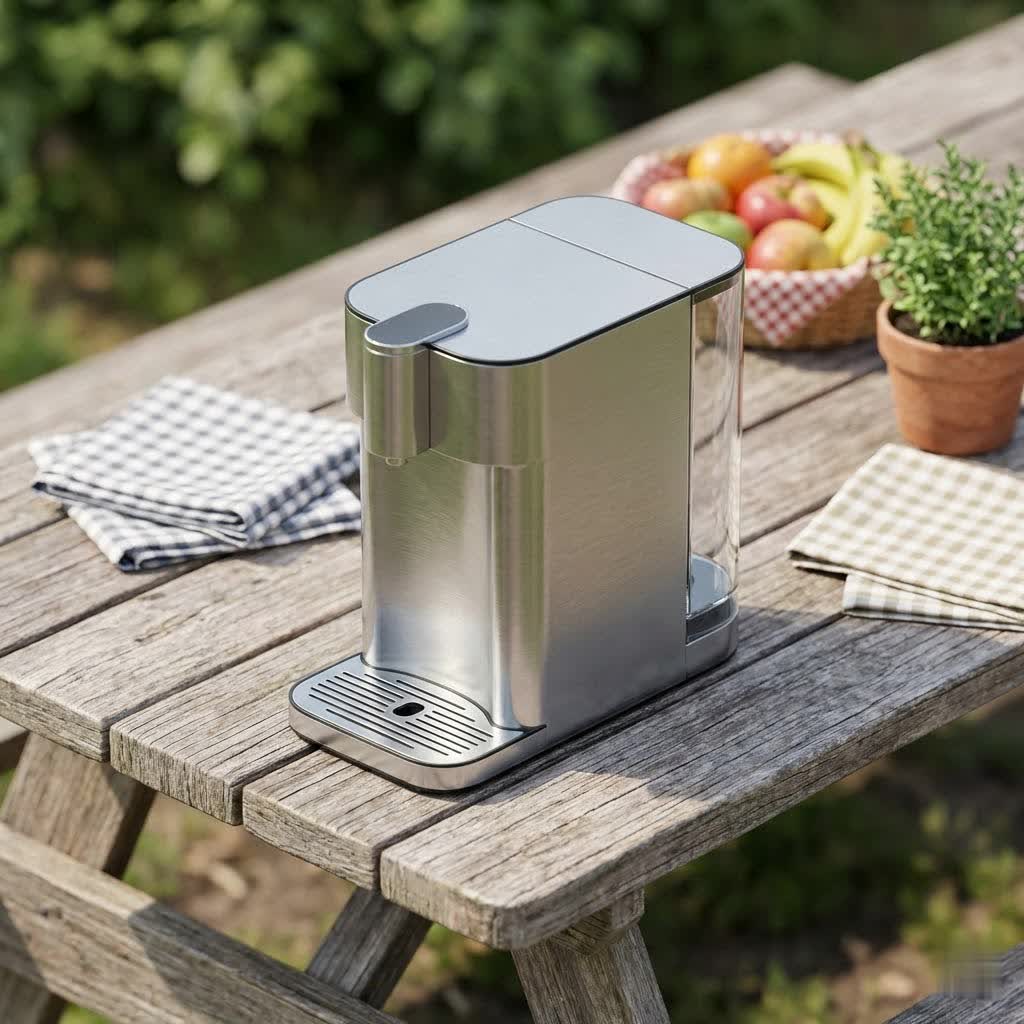
Imagine a world where crystal-clear, great-tasting water flows directly from your kitchen tap, free from the worries of contaminants. In an era where water quality concerns are ever-present, a faucet water purifier offers an immediate and convenient solution, transforming ordinary tap water into a safer, more refreshing beverage for you and your family. This guide will navigate you through the world of faucet water purifiers, revealing how these compact devices can elevate your daily hydration and cooking experience.
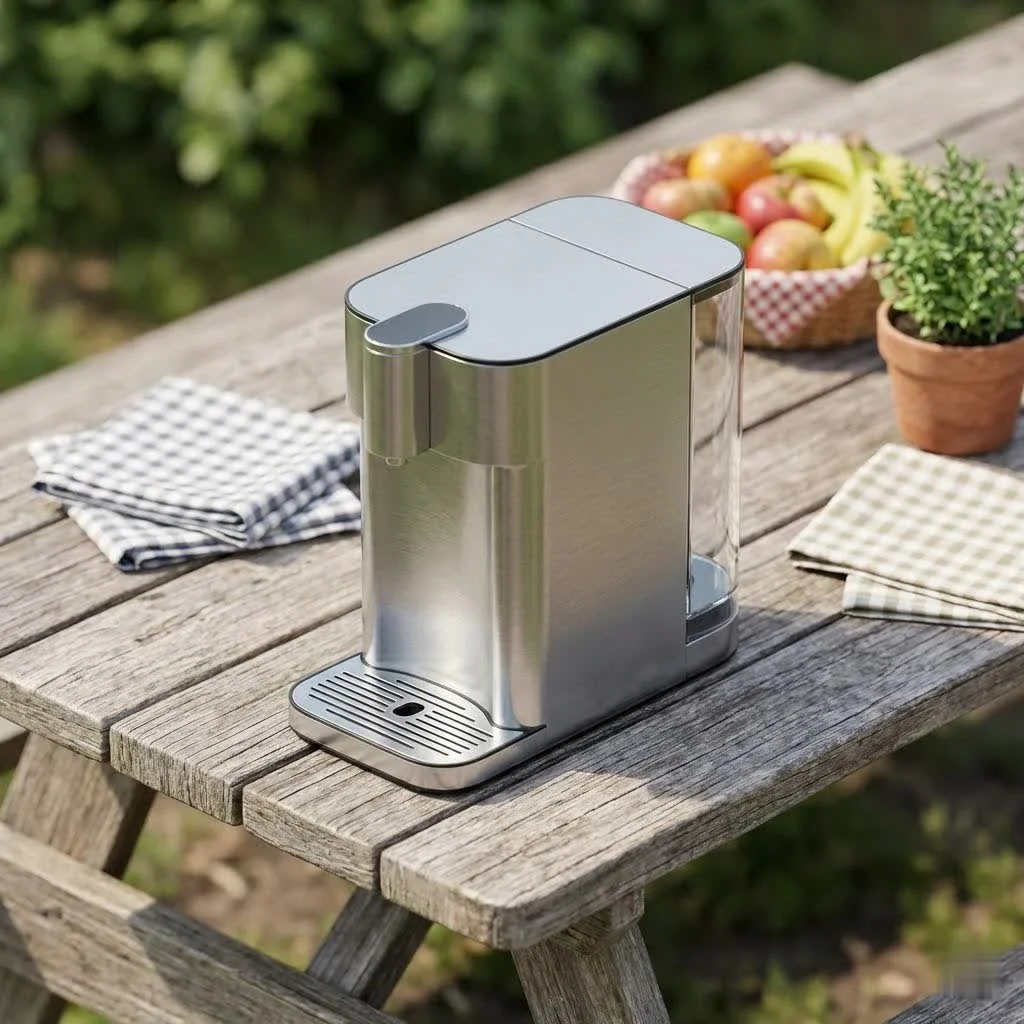
Common Faucet Water Purifier Technologies
Faucet water purifiers utilize various filtration methods to enhance your tap water, each designed to tackle specific impurities. Understanding these technologies is key to choosing the right system for your home. For more home guides on this site.
One of the most widespread methods is activated carbon filtration. This technology employs a highly porous carbon block that effectively adsorbs chlorine, volatile organic compounds (VOCs), pesticides, and other chemicals that often contribute to unpleasant tastes and odors in tap water. It’s like a sponge for many common water impurities, leaving your water fresher and more palatable.
For concerns about heavy metals, ion exchange filters step in. These specialized filters are designed to capture charged particles such as lead and mercury, which can sometimes be present in older plumbing systems. By exchanging harmful metal ions for less harmful ones, ion exchange resins provide an important layer of protection.
Some faucet purifiers also incorporate ceramic filters. These filters act as a physical barrier, using a network of tiny pores to effectively block and trap larger particles, sediment, and even microscopic organisms like bacteria and cysts. They add an extra layer of defense, particularly useful if your water source has higher sediment levels or microbiological concerns. Many modern faucet purifiers combine these technologies, offering multi-stage filtration to deliver a more comprehensive purification for a broader spectrum of contaminants.
Criteria for Choosing the Right Faucet Water Purifier
Selecting the perfect faucet water purifier involves more than just picking a brand. It requires a thoughtful evaluation of your specific needs and the features different models offer.
The first step is to understand your water source quality. Are you on municipal water or well water? Do you have an older home with potential lead pipes? A local water quality report or even a home water test can reveal specific contaminants like chlorine, lead, or sediment that your purifier needs to address. This insight will guide your choice of filtration technology, ensuring it targets the impurities most relevant to your household’s health.
Next, consider the filtration technology itself. As discussed, activated carbon is excellent for taste and odor, while ion exchange is crucial for heavy metals. Look for purifiers that specifically list the contaminants they are certified to remove. Flow rate is another practical consideration; while filtration can slow water flow, a good faucet purifier should still provide water at a comfortable rate for daily tasks without excessive waiting.
Filter lifespan and replacement cost are ongoing expenses that impact the long-term affordability of your system. Filters typically need replacing every two to six months, depending on usage and water quality. Always check the cost and availability of replacement cartridges. Crucially, compatibility with your existing faucet is non-negotiable. Most faucet purifiers come with various adapters, but verifying that it fits your specific faucet type (standard, threaded, etc.) before purchase is essential. Finally, always look for certifications like NSF/ANSI standards, which signify that the product has been independently tested and verified to perform as claimed for contaminant reduction.
Comparison Table of Popular Faucet Water Purifiers
|
Our Picks for the Best Water Purifier in 2026
As an Amazon Associate I earn from qualifying purchases.
|
||
| Num | Product | Action |
|---|---|---|
| 1 | ZeroWater 32-Cup 5-Stage Water Filter Dispenser with Instant Read Out - 0 TDS for Improved Tap Water Taste - IAPMO Certified to Reduce Lead, Chromium, and PFOA/PFOS |

|
| 2 | Brita UltraMax Large Water Dispenser With Standard Filter, BPA-Free, Reduces Copper, Cadmium and Mercury Impurities, Lasts 2 Months or 40 Gallons, Includes 1 Filter, Kitchen Accessories, Large 27-Cup |
|
| 3 | Brita Hub Compact Instant Powerful Countertop Water Filter System, Reduces 70+ Contaminants, 9 Cup Water Reservoir, Includes 6 Month Carbon Block Filter, White, 87344 |
|
| 4 | Vortopt Carbon Block Water Filter for Sink Faucet,NSF/ANSI 42 Certified Faucet Water Filter,with Display & 400 Gallon Capacity. |
|
| 5 | Brita UltraMax Large Water Dispenser with 1 BritaPlus Filter, 27 Cup Capacity, Black (Package May Vary) |
|
| 6 | 3 Stage RV Water Filter System, 0.2 Micron Taste Pure Water Filter with Compact 5 Inch for RV, 3-Stage High Flow Water Filter for RVs, Boats and Campers |
|
| 7 | Mate 3 Countertop Reverse Osmosis Water Filter System, 8 Stage Purification, 3:1 Pure to Drain, No Installation Required, Smart Sensor Water Dispensing, Reduce TDS, RO Water Purifier |
|
| 8 | ZeroWater 52-Cup Ready-Read 5-Stage Water Filter Pitcher Dispenser with 5-Stage 0 TDS Zero Water Filter – IAPMO Certified to Reduce Metals, Chlorine, Lead, Chromium, and Forever Chemicals PFOA/PFOS |
|
| 9 | Waken Electric C11S Reverse Osmosis Water Filtration System Countertop 180oz Water Tank 4:1 Pure to Drain 8 Stage RO Filter No Installation for Home Apartment Condo RV |
|
| 10 | AquaTru Carafe Countertop Water Purifier - Compact 4-Stage Reverse Osmosis System with Glass Carafe Removes 84 Contaminants Including Forever Chemicals, Lead & Fluoride - No Plumbing |
|
Choosing from the array of faucet water purifiers can be daunting. Here’s a comparative look at some of the most popular options, highlighting their typical strengths:
| Feature/Brand | PUR Faucet Filters (e.g., FM2500V, Plus Vertical) | Brita Faucet Mount System (e.g., Basic, Elite) | Waterdrop Faucet Filters (e.g., WD-FC-01, WD-FC-06) | Culligan Faucet Mount (e.g., FM-25, Advanced) |
|---|---|---|---|---|
| Primary Filtration | Activated Carbon, Ion Exchange (Mineral Core) | Activated Carbon, Ion Exchange | Activated Carbon, UF Membrane, KDF | Activated Carbon |
| Key Removals | Lead, Chlorine, Mercury, VOCs, some PFAS | Lead, Chlorine, Asbestos, Benzene | Chlorine, Lead, VOCs, Sediment, Taste & Odor | Chlorine, Lead, Sediment, Taste & Odor |
| Filter Life | Up to 100 gallons / 2-3 months | Up to 100 gallons / 4 months | Up to 320 gallons / 3-6 months | Up to 200 gallons / 2 months |
| Installation | Easy, tool-free attachment | Easy, tool-free attachment | Easy, tool-free attachment | Easy, tool-free attachment |
| Special Features | Mineral Core technology for taste, vertical design | Filter change indicator button | Stainless steel options, higher capacity | Budget-friendly, trusted brand |
| Certifications | NSF/ANSI certified | NSF/ANSI certified | NSF/ANSI certified | NSF/ANSI certified |
Note: Specific features and contaminant removal can vary by model. Always check individual product specifications.
Faucet Water Purifier Buying Guide
Embarking on the journey to cleaner tap water is a smart decision. Here’s a streamlined buying guide to help you confidently select your ideal faucet water purifier:
1. Identify Your Specific Needs:
Begin by assessing the quality of your tap water. Are you primarily concerned about chlorine taste, potential lead contamination, or sediment? A quick online search for your local water quality report or an affordable home testing kit can provide valuable insights into what you need to filter out. This initial step ensures you don’t overspend on features you don’t require or miss out on critical filtration capabilities.
2. Research and Understand Filtration Technologies:
Once you know your water’s profile, delve into the different filtration technologies. For example, if lead is a concern, prioritize models with ion exchange or specific lead-reduction certifications. If you’re mainly focused on improving taste and odor, activated carbon will be highly effective. A multi-stage filter can offer comprehensive protection against various contaminants.
3. Verify Faucet Compatibility:
This is a crucial practical step. Faucet purifiers attach directly to your existing kitchen faucet. Most come with an assortment of adapters, but it’s vital to ensure the chosen model will fit your specific faucet type. Check if your faucet has a removable aerator and measure its diameter if necessary. Some specialized faucets might not be compatible.
4. Compare Models and Read Reviews:
Look beyond just the initial purchase price. Compare models based on their certified contaminant removal capabilities, filter lifespan, and the ongoing cost of replacement cartridges. User reviews can offer real-world insights into ease of installation, water flow, durability, and overall satisfaction. Focus on reviews that mention similar water quality concerns to your own.
5. Check for Industry Certifications:
For true peace of mind, always prioritize faucet water purifiers that are independently certified by organizations like NSF International (NSF/ANSI standards). These certifications verify that the product performs as advertised in removing specific contaminants. Look for certifications related to lead reduction (e.g., NSF/ANSI 53) and chlorine reduction (e.g., NSF/ANSI 42).
6. Purchase from Reputable Sources:
Buy your faucet water purifier from authorized dealers, well-known retailers, or directly from the manufacturer. This ensures you receive a genuine product with a valid warranty and access to customer support and authentic replacement filters.
7. Inspect Your Product Upon Arrival:
Once your purifier arrives, open the package and check for all components, including the main unit, filter cartridge, and any necessary adapters. Ensure there’s no damage and that the warranty information is clear.
How to Use and Maintain Your Faucet Water Purifier
A faucet water purifier is designed for ease of use and maintenance, but a few simple practices will ensure it delivers clean water effectively and extends its lifespan.
Installation is typically straightforward and tool-free. Most units simply screw onto your existing faucet after you remove the original aerator. Ensure the connection is snug to prevent leaks. Once installed, familiarize yourself with the diverter valve—this is the lever or button that allows you to easily switch between unfiltered tap water for washing dishes and filtered water for drinking and cooking. Using the unfiltered option when clean water isn’t necessary helps preserve your filter’s life.
An important operational guideline is to only run cold water through your filter. Hot water can damage the filter’s internal media, reducing its effectiveness and potentially shortening its lifespan. Always select the cold water setting when using the filtered water function.
The most critical aspect of maintenance is regular filter cartridge replacement. Faucet filters typically have a lifespan of 2 to 6 months or a certain number of gallons, depending on the model and your water usage. Most units include a visual indicator or a reminder system to alert you when it’s time for a change. Ignoring this can lead to reduced filtration efficiency and a potential reintroduction of contaminants. When installing a new filter, it’s essential to flush it with cold water for about 5 minutes before initial use. This process removes any loose carbon dust and primes the filter for optimal performance. Beyond cartridge changes, occasional cleaning of the purifier’s exterior with a damp cloth will keep it looking good and prevent mineral buildup.
“Many people overlook filter replacement, but it’s the single most important factor in ensuring your faucet purifier continues to deliver safe, clean water. A clogged filter is an ineffective filter.” – Dr. Eleanor Vance, Environmental Health Specialist
Conclusion
Embracing a faucet water purifier is a simple yet impactful step towards a healthier, more sustainable lifestyle. These convenient devices provide immediate access to cleaner, better-tasting water, directly from your tap, effectively reducing a wide range of common contaminants. Not only do they offer significant health benefits by removing impurities like chlorine and lead, but they also contribute to a greener planet by minimizing reliance on single-use plastic bottles. With easy installation and straightforward maintenance, a faucet water purifier is an accessible and cost-effective solution for nearly any household. Make the informed choice for your home and discover the refreshing difference.
What specific contaminants are you most eager to eliminate from your daily drinking water?
Frequently Asked Questions
Are faucet water purifiers truly effective at removing contaminants?
Yes, high-quality faucet water purifiers, especially those with NSF/ANSI certifications, are highly effective at reducing common contaminants like chlorine, lead, mercury, sediment, and certain VOCs. Their effectiveness depends on the specific filtration technology used and how regularly the filter is replaced.
How often should I change the filter cartridge in my faucet water purifier?
Most faucet filter cartridges should be replaced every 2 to 6 months, or after filtering a specific number of gallons (typically 100-320 gallons), depending on the brand, model, and local water quality. Always follow the manufacturer’s recommendations and pay attention to any filter change indicators.
Can faucet water purifiers remove lead from drinking water?
Many certified faucet water purifiers are designed and tested to effectively reduce lead. When selecting a unit, look for specific NSF/ANSI certifications, such as NSF/ANSI Standard 53, which verifies a filter’s ability to reduce lead and other health-related contaminants.
Do faucet water purifiers fit all types of kitchen faucets?
While most faucet water purifiers come with a variety of adapters to fit standard threaded faucets, some specialized or irregularly shaped faucets may not be compatible. It’s crucial to check your faucet type and ensure it has a removable aerator that can accommodate the purifier’s attachment.
What is the difference between a faucet water purifier and a water filter pitcher?
Faucet water purifiers attach directly to your tap, offering instant filtered water on demand, which is convenient for both drinking and cooking. Pitcher filters require manual refilling and refrigeration, making them better suited for smaller quantities of chilled drinking water, but less convenient for high-volume use.
Pet products vetted on real animals
Practical specs, not advice. Unsubscribe anytime.
