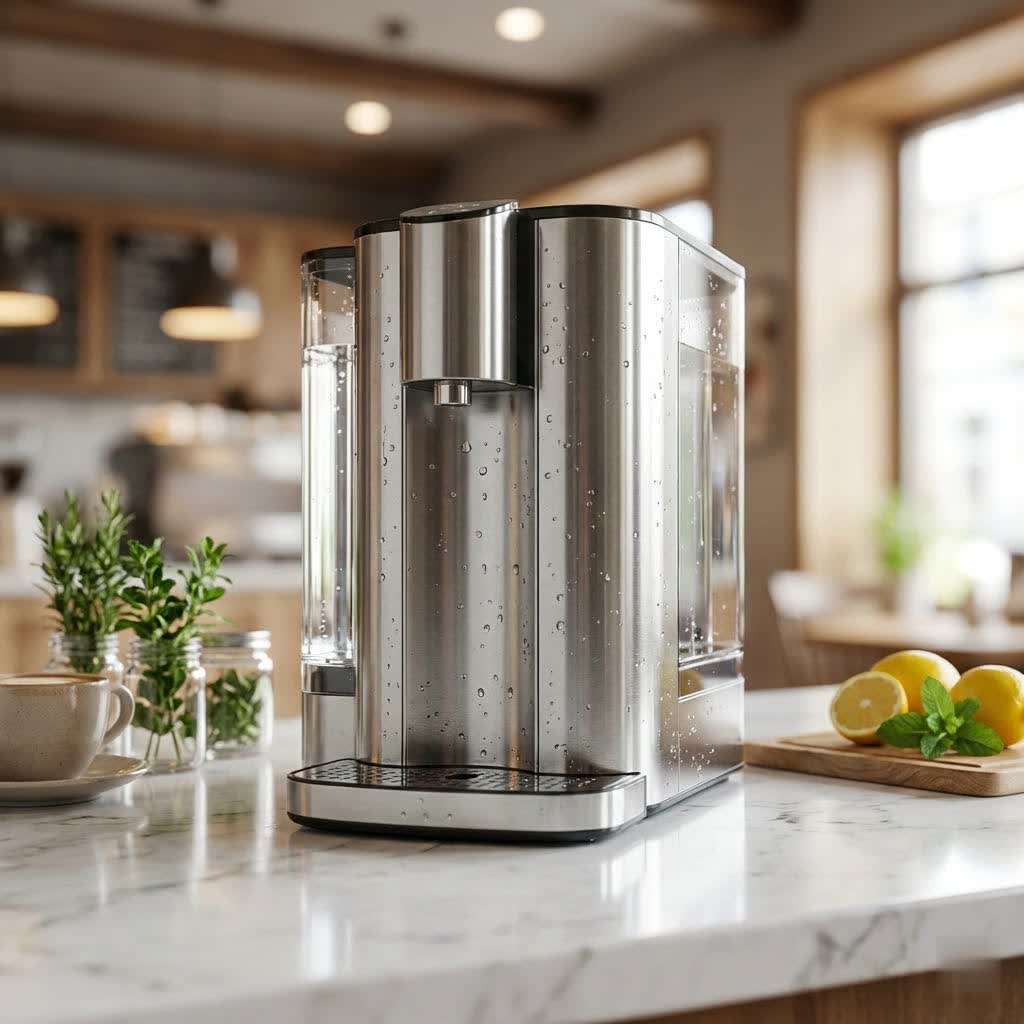
In a world increasingly conscious of health and wellness, the quest for truly clean drinking water has never been more vital. Tap water, while generally safe, can often contain a many dissolved solids and contaminants that affect its taste, odor, and perceived purity. This is where a Zero Water purifier steps in, promising water with virtually no total dissolved solids (TDS) through its advanced filtration system. But what exactly sets it apart, and is it the right choice for your household? This comprehensive guide examine the technology, benefits, and considerations of the Zero Water purifier, helping you make an informed decision for your family’s hydration needs.
Understanding Popular Water Purifier Types
Before diving into the specifics of Zero Water, it is helpful to understand the landscape of water filtration. Most common water pitchers, like those from Brita or PUR, typically employ a two-stage filtration process, primarily using activated carbon and a basic mesh filter. These systems are effective at reducing chlorine, improving taste and odor, and removing some sediment, but they often leave a significant amount of total dissolved solids in the water.
Zero Water, however, distinguishes itself with a patented five-stage filtration system that goes far beyond conventional filters. This multi-stage approach is designed to remove nearly all detectable dissolved solids, aiming for a “000” reading on its included TDS meter.
Here’s a breakdown of the Zero Water’s 5-stage filtration process:
- Stage 1: Coarse Filter Screen: The initial layer captures larger particles such as dust, rust, and other visible sediment that can accumulate in plumbing and make water appear cloudy.
- Stage 2: Foam Distributor: This ensures water flows evenly across the entire filter surface, maximizing contact time with subsequent layers and removing finer suspended solids.
- Stage 3: Multi-Layer Activated Carbon & Oxidation Reduction Alloy: This crucial stage targets chlorine, herbicides, and pesticides, significantly improving the water’s taste and smell. It also plays a role in reducing certain metals.
- Stage 4: Ion Exchange Resin: This is the powerhouse behind Zero Water’s ability to achieve near-zero TDS. It actively targets and removes dissolved inorganic solids like salts, nitrates, fluoride, and heavy metals such as lead and chromium, exchanging them for hydrogen and hydroxide ions.
- Stage 5: Ultra-Fine Screen & Non-Woven Membrane: The final stage acts as a polishing filter, capturing any lingering ultra-fine particles, ensuring the water is as pure as possible before it reaches your glass.
This sophisticated ion-exchange technology is what enables Zero Water to deliver exceptional purity, making it suitable for those who prioritize the removal of virtually all dissolved solids from their drinking water.
Essential Criteria for Choosing a Water Purifier
Selecting the ideal water purifier involves considering several factors tailored to your specific needs and water quality. Understanding these criteria will help you determine if a Zero Water purifier is the best fit.
- Initial Water Source Quality: Your tap water’s initial total dissolved solids (TDS) level is a critical factor. High TDS water (common in hard water areas) will exhaust Zero Water filters much faster, leading to more frequent replacements. If your tap water already has a low TDS reading, the filter will last longer.
- Desired Filtration Effectiveness: Are you looking for basic taste and odor improvement, or do you require comprehensive removal of contaminants and dissolved solids? Zero Water excels at achieving near-zero TDS, removing a wide array of inorganic contaminants.
- Filtration Technology: Different technologies target different impurities. Zero Water’s 5-stage ion exchange is designed for maximum TDS reduction. Other systems might focus on specific chemical filtration or microbial removal.
- Certifications and Testing: Look for independent certifications (like NSF or IAPMO) that verify a purifier’s claims for contaminant reduction. Zero Water is certified for reducing lead, chromium, and PFAS.
- Taste Preference: The taste of water with zero dissolved solids is distinctly different—often described as “pure” or “clean,” but some users find it “flat” compared to water with some mineral content. This is a highly personal preference.
- Capacity and Convenience: Zero Water purifiers come in various pitcher and dispenser sizes, fitting different household needs. Consider how often you want to refill and the storage space available.
- Overall Cost of Ownership: Beyond the initial purchase price, factor in the recurring cost of replacement filters. Zero Water filters tend to be more expensive per gallon filtered, especially in areas with high TDS.
- Brand Reputation and Support: Choose brands with a good track record for product quality, customer service, and warranty support.
By carefully evaluating these criteria, you can align your expectations with a water purifier that truly meets your specific requirements for clean, safe, and great-tasting water.
Zero Water Purifier vs. Competitors: A Comparative Overview
When it comes to water filter pitchers, Zero Water often enters the conversation alongside popular brands like Brita and PUR. While all aim to improve water quality, their approaches and results can differ significantly.
Here’s a comparison to help you understand the key distinctions:
| Feature | Zero Water Purifier | Brita Pitcher Filters | PUR Pitcher Filters |
|---|---|---|---|
| Filtration Stages | 5-stage system (mesh, foam, activated carbon, ion exchange resin, ultra-fine membrane) | 2-stage (carbon/ion exchange blend, mesh) | 2-stage (carbon, ion exchange) |
| TDS Removal | Highly effective (99.6-99.9%) to 000 PPM | Limited (typically 20-50% reduction) | Limited (typically 20-50% reduction) |
| Contaminant Reduction | Lead, Chromium, PFAS, Fluoride, Nitrates, Chlorine, Uranium, Barium, Molybdenum, Strontium, Sulfate, and more. Certified for Lead, Chromium, PFAS. | Chlorine, mercury, copper, zinc, cadmium. | Chlorine, mercury, lead, certain pesticides. |
| Water Taste | Very pure, sometimes described as “flat” or “different.” Can become acidic/fishy when filter is exhausted. | Generally improves taste by removing chlorine, often preferred by some for retaining some natural minerals. | Generally improves taste, comparable to Brita, some prefer it over Zero Water for taste profile. |
| Filter Lifespan | Highly dependent on input TDS (15-18 gallons for 100 TDS; much less for higher TDS; can be 1-3 weeks). | ~40 gallons or 2 months (standard filters); ~120 gallons or 6 months (Longlast filters). | ~40 gallons or 2 months. |
| Filter Cost (per gallon) | Generally higher, especially with high TDS water requiring frequent replacements. | Lower | Lower |
| TDS Meter Included | Yes, an integrated or handheld TDS meter is included to verify 000 readings. | No | No |
| Key Advantage | Achieves unparalleled purity by removing virtually all dissolved solids, certified for many serious contaminants. | Cost-effective for basic chlorine reduction and improved taste. | Offers good contaminant reduction beyond chlorine, with comparable taste improvement. |
Zero Water stands out for its commitment to eliminating virtually all dissolved solids, making it a powerful choice for those seeking the highest level of purity as measured by TDS. However, this superior filtration comes with considerations for filter lifespan and the unique taste profile it creates.
> “Zero Water’s multi-stage ion exchange is truly impressive for removing almost everything from your water. However, it’s crucial to understand that ‘everything’ includes naturally occurring minerals that some people prefer for taste, and that filter life will vary dramatically based on your tap water’s initial TDS.” – Dr. Anya Sharma, Environmental Chemist
Your Guide to Purchasing a Zero Water Purifier
Investing in a Zero Water purifier can be a significant step towards cleaner drinking water. To ensure you make the best purchase for your home, consider this comprehensive buying guide:
1. Assess Your Water Quality Needs
|
Our Picks for the Best Water Purifier in 2026
As an Amazon Associate I earn from qualifying purchases.
|
||
| Num | Product | Action |
|---|---|---|
| 1 | AquaTru Carafe Countertop Water Purifier - Compact 4-Stage Reverse Osmosis System with Glass Carafe Removes 84 Contaminants Including Forever Chemicals, Lead & Fluoride - No Plumbing |

|
| 2 | Brita Hub Compact Instant Powerful Countertop Water Filter System, Reduces 70+ Contaminants, 9 Cup Water Reservoir, Includes 6 Month Carbon Block Filter, White, 87344 |
|
| 3 | Vortopt Carbon Block Water Filter for Sink Faucet,NSF/ANSI 42 Certified Faucet Water Filter,with Display & 400 Gallon Capacity. |
|
| 4 | ZeroWater 32-Cup 5-Stage Water Filter Dispenser with Instant Read Out - 0 TDS for Improved Tap Water Taste - IAPMO Certified to Reduce Lead, Chromium, and PFOA/PFOS |
|
| 5 | 3 Stage RV Water Filter System, 0.2 Micron Taste Pure Water Filter with Compact 5 Inch for RV, 3-Stage High Flow Water Filter for RVs, Boats and Campers |
|
| 6 | Brita UltraMax Large Water Dispenser With Standard Filter, BPA-Free, Reduces Copper, Cadmium and Mercury Impurities, Lasts 2 Months or 40 Gallons, Includes 1 Filter, Kitchen Accessories, Large 27-Cup |
|
| 7 | Brita UltraMax Large Water Dispenser with 1 BritaPlus Filter, 27 Cup Capacity, Black (Package May Vary) |
|
| 8 | ZeroWater 52-Cup Ready-Read 5-Stage Water Filter Pitcher Dispenser with 5-Stage 0 TDS Zero Water Filter – IAPMO Certified to Reduce Metals, Chlorine, Lead, Chromium, and Forever Chemicals PFOA/PFOS |
|
| 9 | Waken Electric C11S Reverse Osmosis Water Filtration System Countertop 180oz Water Tank 4:1 Pure to Drain 8 Stage RO Filter No Installation for Home Apartment Condo RV |
|
| 10 | Mate 3 Countertop Reverse Osmosis Water Filter System, 8 Stage Purification, 3:1 Pure to Drain, No Installation Required, Smart Sensor Water Dispensing, Reduce TDS, RO Water Purifier |
|
- Know your tap water’s TDS: While Zero Water includes a TDS meter, it’s beneficial to know your local water report or test your tap water’s TDS level beforehand. This will give you a realistic expectation of how often you’ll need to replace filters. Higher initial TDS means shorter filter life.
- Identify specific concerns: If you have concerns about specific contaminants like lead, PFAS, or nitrates, Zero Water’s certifications for reducing these elements make it a strong candidate.
2. Research Zero Water Products
- Explore pitcher and dispenser sizes: Zero Water offers various capacities, from smaller pitchers perfect for individuals to larger dispensers suitable for families. Consider your daily water consumption and available refrigerator space.
- Understand the filter technology: Familiarize yourself with the 5-stage ion exchange system and how it differs from other filters. This knowledge helps you appreciate the investment.
3. Compare and Choose
- Read reviews: Look for recent reviews and user experiences, particularly regarding filter longevity and taste preferences in your area. that taste is subjective.
- Consider the long-term cost: While the initial price of a Zero Water pitcher is competitive, the recurring cost of replacement filters can add up, especially if your water has high TDS. Compare this to other filtration options.
- Pre-filtering strategy: Many users extend the life of their Zero Water filters by pre-filtering water with a less expensive carbon filter (like Brita or PUR) first. This removes larger particles and some contaminants, reducing the workload on the Zero Water filter.
4. Purchase from a Reputable Source
- Authorized retailers: Buy from authorized dealers, major electronics stores, or the official Zero Water website to ensure you receive genuine products and valid warranties.
- Check for return policies: Understand the return and exchange policies in case the product doesn’t meet your expectations.
5. Inspect and Set Up
- Upon arrival: Carefully inspect the packaging and product for any damage.
- Clean thoroughly: Before first use, wash all components of the pitcher or dispenser with mild soap and water according to the manufacturer’s instructions.
- Install the filter correctly: Follow the clear instructions for inserting the filter to ensure a proper seal and optimal filtration.
By following these steps, you can confidently choose a Zero Water purifier that aligns with your household’s needs and budget, providing you with ultra-pure water.
Maximizing Your Zero Water Experience: Usage and Maintenance
To ensure your Zero Water purifier consistently delivers ultra-pure water and maintains its efficiency, proper usage and diligent maintenance are key.
How to Use Your Zero Water Purifier
- Initial Setup: After cleaning your pitcher or dispenser, insert the 5-stage filter firmly into the reservoir. Fill the top reservoir with tap water and allow it to filter through completely before dispensing.
- Using the TDS Meter: Zero Water systems come with an integrated or handheld TDS meter.
- Test Tap Water: Before filtering, test your tap water to get a baseline TDS reading.
- Test Filtered Water: Regularly test the filtered water by placing the TDS meter in a freshly poured glass.
- Know When to Replace: The manufacturer recommends replacing your filter when the TDS reading reaches 006 or higher. Above this level, the filter is considered exhausted and may start to impart an unpleasant taste (often described as lemony or fishy) due to the degradation of the ion exchange resin.
Essential Maintenance Tips
- Regular Cleaning: Wash the pitcher or dispenser, including the lid and reservoir, with mild soap and water frequently. This prevents the buildup of residue and potential bacterial growth, especially if you experience taste issues.
- Filter Replacement Schedule: The lifespan of a Zero Water filter is highly dependent on your tap water’s initial TDS level.
- For water with low TDS (002-050 ppm), a filter might last for 150+ liters (approx. 40 gallons).
- For water with average TDS (051-200 ppm), expect 100-150 liters (approx. 26-40 gallons).
- For high TDS water (301-400 ppm), the filter might only last 30-50 liters (approx. 8-13 gallons), possibly as little as 1-3 weeks.
- Do not try to extend filter life past the 006 TDS reading, as this will negatively impact taste and filtration effectiveness.
- Extending Filter Lifespan (Pre-Filtering Hack): To significantly extend the life of your more expensive Zero Water filters, consider using a less costly preliminary filter.
- Basic Carbon Pitcher: Filter your tap water through a Brita or PUR pitcher first. This will remove a good portion of chlorine and larger contaminants, reducing the workload on your Zero Water filter.
- Faucet Attachment: A basic faucet filter can also serve as an effective pre-filter, providing filtered water on demand before it goes into your Zero Water system. This strategy can save you money on replacement filters in the long run.
- Proper Storage of Unused Filters: Store unopened replacement filters in a cool, dry, dark place. While Zero Water filters do not have an expiration date, it’s recommended to use them within a year of purchase for optimal performance.
- Troubleshooting Slow Flow: If water is filtering slowly, an air bubble might be present. Gently squeeze the middle of the filter a few times while water is filtering to dislodge it and restore normal flow.
By adhering to these usage and maintenance guidelines, you can ensure your Zero Water purifier continues to provide you and your family with the purest possible drinking water, optimizing both its performance and cost-effectiveness.
Conclusion: Embracing the Purity of Zero Water
The Zero Water purifier offers a distinct advantage for those prioritizing water with virtually zero total dissolved solids. Its advanced 5-stage filtration system, leveraging powerful ion exchange technology, is remarkably effective at removing a comprehensive range of contaminants, including heavy metals, nitrates, and PFAS, often surpassing the capabilities of conventional pitcher filters. The included TDS meter provides tangible proof of its impressive performance, giving you confidence in the purity of every glass.
While the unique taste profile and the frequency of filter replacement, especially in areas with high TDS, are important considerations, the Zero Water system delivers on its promise of ultra-pure water. By understanding its technology, comparing it to other options, and implementing smart maintenance strategies like pre-filtering, you can maximize its benefits and ensure a consistent supply of exceptionally clean water for your home.
Are you ready to experience the crisp, clean taste of water with virtually zero dissolved solids?
Frequently Asked Questions
What does 000 TDS mean, and is it healthy?
“000 TDS” refers to a measurement of zero total dissolved solids in parts per million (ppm). While Zero Water purifiers effectively remove inorganic contaminants, they also remove beneficial minerals. Whether this is healthy depends on individual dietary needs; for most, essential minerals are obtained from food.
Why does my Zero Water filtered water sometimes taste strange, like lemony or fishy?
If your Zero Water filtered water develops an unpleasant taste, such as lemony, sour, or fishy, it is a clear indication that the filter is exhausted and needs to be replaced. The ion exchange resin inside the filter has degraded and is beginning to release organic compounds, affecting the water’s taste.
How often should I change my Zero Water filter?
The lifespan of a Zero Water filter varies significantly based on your tap water’s initial TDS level. You should replace the filter when the included TDS meter reads 006 or higher. For high TDS water, this could be as frequent as every 1-3 weeks, while for low TDS water, it could last several months.
Can Zero Water filters remove all contaminants?
Zero Water’s 5-stage filters are highly effective at removing a wide range of inorganic contaminants, including lead, chromium, and PFAS, and reducing TDS to virtually zero. However, no single filter can remove every conceivable contaminant, and effectiveness against certain organic chemicals may vary.
Is it true that Zero Water filters are more expensive than Brita or PUR filters?
Yes, Zero Water replacement filters are generally more expensive per gallon filtered compared to Brita or PUR. This is due to their more complex 5-stage ion exchange technology designed for comprehensive TDS reduction. However, pre-filtering with a cheaper pitcher can extend their lifespan, reducing overall costs.
Pet products vetted on real animals
Practical specs, not advice. Unsubscribe anytime.

The water from my Zero Water pitcher definitely tastes better than regular tap, and I appreciate the 5-stage filtration. My only complaint is that the filters seem to need replacing pretty often, especially with how much water my family goes through. It’s a bit more maintenance than I expected compared to my old Brita.
After reading about the different types of water purifiers, I decided to go with Zero Water for its advanced filtration system. My coffee and tea taste so much better now, and I even notice a difference when cooking. It’s a small investment for peace of mind and better-tasting everything.
I was skeptical about the ‘zero dissolved solids’ claim, but the meter that came with the Zero Water purifier proved it! It’s amazing to see the reading drop to 000. It’s a great solution for our household, especially since we live in an older building and I worry about what might be in the pipes.
I’ve been using a Zero Water purifier for about six months now, and the difference is incredible. Our tap water always had a weird aftertaste, and I was concerned about the dissolved solids. This system really delivers on its promise of virtually no TDS. It’s so refreshing to drink water that tastes truly clean.