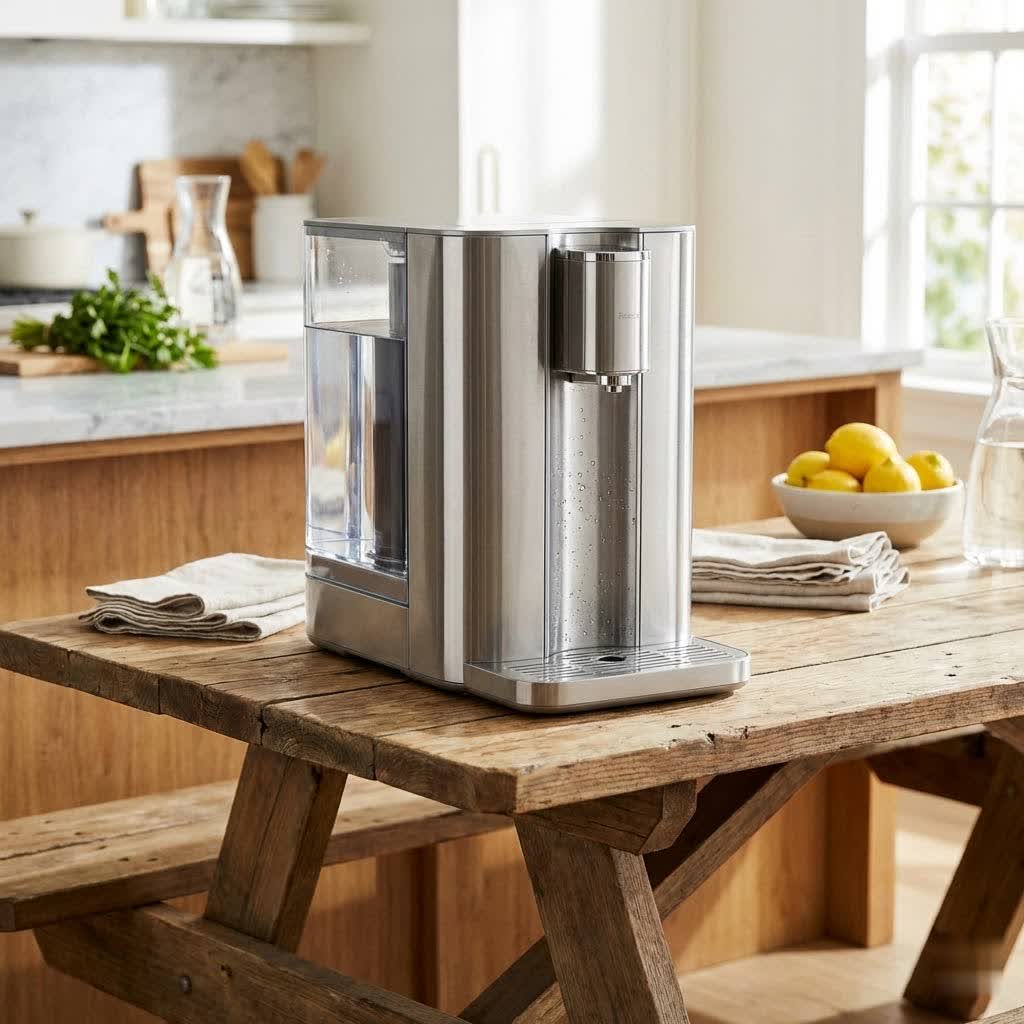
In today’s world, ensuring access to clean and safe drinking water for your family is a top priority, making a water purifier an indispensable household appliance. However, navigating the diverse market and understanding the true cost of these essential systems can be confusing. From the initial purchase price to long-term maintenance, several factors influence the overall investment. This comprehensive guide will break down the costs associated with water purifiers, explore different types and their price points, and equip you with the knowledge to make an informed decision for your home and budget.
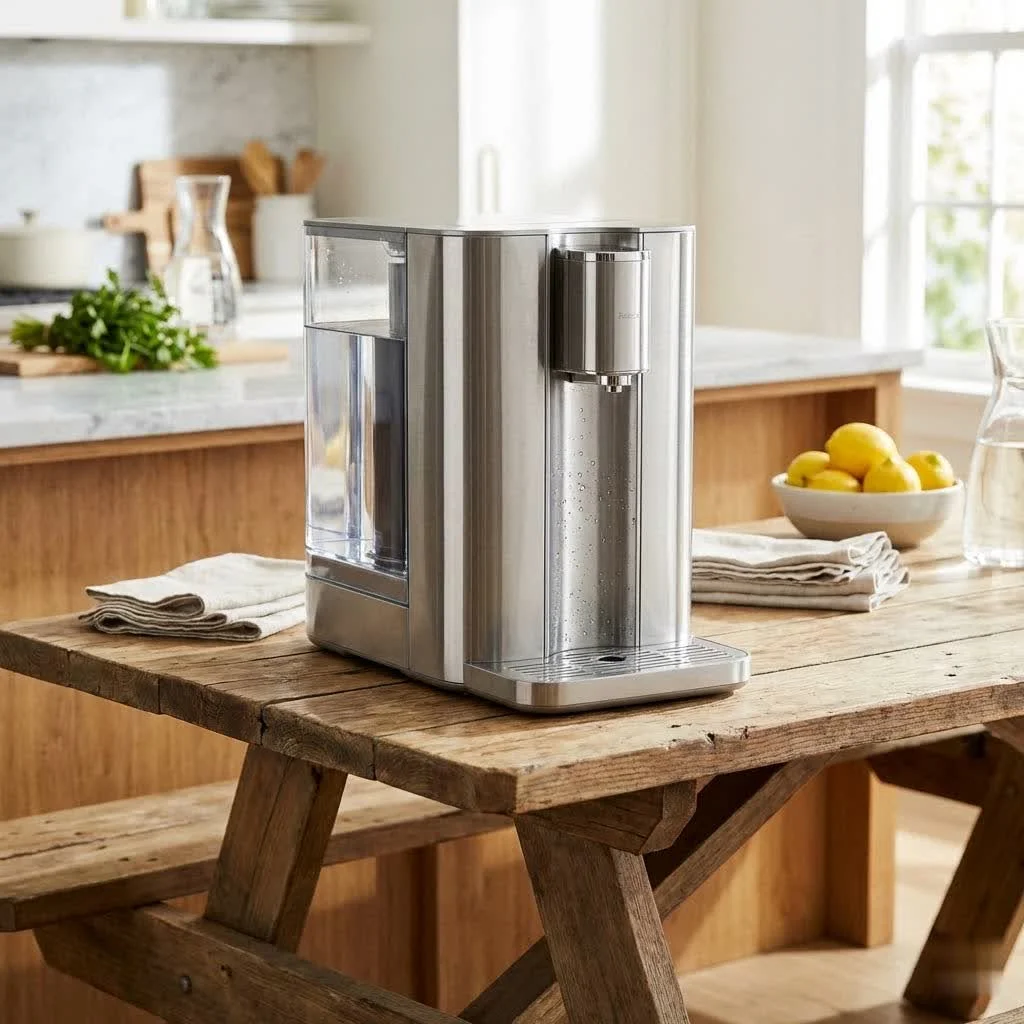
Common Types of Water Purifiers and Their Costs
The price of a water purifier largely depends on its purification technology and system type. Each technology offers different levels of filtration and comes with its own set of advantages and disadvantages, directly impacting its cost. Understanding these variations is crucial for choosing the right system.
- Pitcher Filters (Gravity Filters): These are the most basic and affordable option, typically ranging from $20 to $50. They use activated carbon and ion-exchange resin to remove chlorine, sediment, and improve taste and odor. While great for basic improvements, they generally don’t remove heavy contaminants like lead or PFAS. Their low upfront cost is offset by frequent filter replacements, which can add up over time.
- Faucet-Mounted Filters: Directly attaching to your tap, these provide filtered water on demand. Prices usually fall between $40 and $150. They offer better filtration than pitchers, often removing lead and some common contaminants, but can slow water flow and may not fit all faucet types.
- Countertop Filters: These systems sit on your counter and connect to your faucet, offering more robust filtration than pitcher or faucet filters. Expect to pay $100 to $400, with countertop Reverse Osmosis (RO) systems being on the higher end, from $250 to $500. They are portable and require no installation but take up counter space.
- Under-Sink Filters: Installed discreetly beneath your sink, these provide filtered water through a dedicated tap. Costs range from $150 to $1,500 for basic carbon filters to advanced RO systems. Under-sink RO systems typically cost between $200 and $600. They free up counter space and offer superior filtration, but professional installation might be required, adding to the initial expense.
- Whole-House Water Filters (Point-of-Entry Systems): These systems treat all water entering your home, protecting every tap and appliance. They are the most comprehensive but also the most expensive, with installed costs ranging from $800 to $8,000+, and some advanced whole-house RO systems reaching $15,000 to $50,000+. Prices vary significantly based on the type of media, filtration stages, and installation complexity.
- Reverse Osmosis (RO) Systems: Known for their highly effective purification, RO systems remove a wide array of contaminants, including dissolved solids, heavy metals, bacteria, and viruses. Standalone RO systems (point-of-use) cost between $300 and $2,500 for the unit alone, while professional installation can bring the total to $1,000 to $4,000. They often include multiple pre- and post-filtration stages for comprehensive purification.
- UV (Ultraviolet) Purifiers: These systems use UV light to kill bacteria and viruses, making water microbiologically safe. They typically range from $500 to $2,000. UV purifiers do not remove dissolved solids or chemical contaminants, so they are often combined with other filtration methods.
- Water Softeners: While not purifiers in the traditional sense, water softeners remove minerals like calcium and magnesium that cause hard water. They cost between $700 and $3,000 and are essential in areas with hard water to protect plumbing and appliances.
- Combination Systems: Many advanced purifiers integrate multiple technologies (e.g., RO+UV+UF) to provide comprehensive filtration. These systems generally fall between $2,000 and $6,000 and offer robust protection against a wide range of contaminants.
Key Criteria for Choosing a Water Purifier
Selecting the right water purifier involves more than just looking at the price tag. It requires a thoughtful assessment of your specific needs, water quality, and long-term financial commitment.
- Source Water Quality: The first step is to understand what’s in your water. Do you rely on municipal tap water, well water, or borewell water? Get your water tested to determine its Total Dissolved Solids (TDS) level and identify specific contaminants like heavy metals, pesticides, chlorine, or bacteria. For water with high TDS (above 500 ppm), an RO system is often necessary. For municipal water with lower TDS but concerns about chlorine or pathogens, a UV or UF system might suffice.
- Filtration Capacity: Consider your household’s daily water consumption. A small pitcher filter might be adequate for a single person, while a family of four will likely need an under-sink or countertop system with higher capacity. Whole-house systems are designed for high-volume use across an entire home.
- Purification Technology: Match the technology to your water’s specific challenges.
- RO (Reverse Osmosis) is ideal for high TDS, heavy metals, and most chemical contaminants.
- UV (Ultraviolet) is excellent for inactivating bacteria and viruses.
- UF (Ultrafiltration) removes suspended solids, bacteria, and cysts.
- Activated Carbon targets chlorine, taste, and odor. Many purifiers combine these for multi-stage filtration.
- Quality of Materials: Look for purifiers made from food-grade, durable materials that do not leach harmful substances into the water. Certifications from organizations like NSF/ANSI can provide assurance of quality and performance.
- Brand Reputation and Reliability: Established brands often offer better product quality, customer support, and warranty services. Researching user reviews and expert ratings can provide insight into a brand’s reliability and after-sales service. A good warranty, typically 1 to 3 years, provides peace of mind against manufacturing defects.
- Total Cost of Ownership (TCO): Beyond the initial purchase price, always consider the long-term costs. This includes replacement filters, UV lamps, annual maintenance, and potential service calls. Proprietary filters can significantly increase recurring costs, making a seemingly cheap initial purchase expensive over time. A system with a higher upfront cost but long-lasting, affordable replacement filters might offer better value in the long run.
Comparative Overview of Popular Water Purifier Systems
Choosing the best water purifier means weighing performance against cost. Here’s a general comparison to help you understand what different categories offer:
| Filter Type | Initial Cost Range (USD) | Annual Maintenance/Filter Cost (Est. USD) | Key Advantages | Best For |
|---|---|---|---|---|
| Basic Pitcher | $20 – $50 | $50 – $150 | Low initial cost, portable, easy to use | Basic taste/odor improvement, small households, renters |
| Faucet-Mounted | $40 – $150 | $40 – $100 | Instant filtered water, easy installation | Point-of-use filtration, renters, temporary solutions |
| Countertop | $100 – $400 | $50 – $200 | No installation, good filtration for drinking water | Convenient, robust point-of-use filtration |
| Under-Sink (Basic) | $150 – $500 | $50 – $200 | Discreet, good flow rate, effective | Dedicated drinking water tap, removes chlorine/sediment |
| Under-Sink (RO) | $200 – $1,500 | $100 – $300 (including membrane) | Superior contaminant removal, excellent taste | High TDS water, removes heavy metals, bacteria, viruses |
| Whole-House | $800 – $8,000+ | $100 – $1,200 | Protects all household water and appliances | Comprehensive home water treatment, specific well water issues |
| UV Purifier | $500 – $2,000 | $50 – $200 (UV lamp) | Excellent for microbial disinfection | Disinfecting microbiologically contaminated water (often paired with other filters) |
Note: Prices are estimates and can vary significantly based on brand, features, region, and sales.
Your Step-by-Step Water Purifier Buying Guide
Purchasing a water purifier is an investment in your health. Follow these steps to ensure you choose the best system for your needs and budget.
-
Determine Your Needs and Water Quality:
- Get Your Water Tested: This is the most critical first step. Professional water testing reveals your water’s TDS levels, hardness, and the presence of specific contaminants. This data will guide your technology choice.
- Consider Household Size: A larger family consumes more water, requiring a system with higher purification capacity and potentially a larger storage tank.
- Set a Budget: Factor in both the initial purchase price and the ongoing maintenance costs (filters, servicing). Don’t forget potential installation fees.
-
Research Available Technologies and Products:
- Based on your water test results, research the purification technologies best suited to address your specific contaminants (e.g., RO for high TDS, UV for bacteria).
- Explore different types of purifiers (pitcher, under-sink, whole-house) and how they fit your lifestyle and space.
- Read product reviews and comparisons from reputable sources to gauge performance and reliability. Look for certifications like NSF, WQA, or local health department approvals.
-
Compare and Select the Best Fit:
- Create a shortlist of purifiers that meet your technological requirements and budget.
- Compare models based on: filtration stages, purification capacity, storage tank size, energy consumption, advanced features (like smart indicators or leak detection), warranty, and the cost and availability of replacement filters.
- Calculate the Total Cost of Ownership (TCO) over 5 to 10 years, accounting for initial purchase, installation, and recurring filter/maintenance expenses.
-
Purchase from Reputable Sources:
- Buy from authorized dealers, well-known electronics retailers, or the manufacturer’s official website. This ensures you receive a genuine product with a valid warranty.
- Be wary of deals that seem too good to be true, as they might indicate counterfeit products or lack of after-sales support.
- Before finalizing your purchase, verify the complete package includes all necessary accessories and a warranty card.
-
Professional Installation and Proper Use:
- For complex systems like under-sink or whole-house purifiers, professional installation is highly recommended to ensure proper function and prevent leaks. Factor these costs into your budget, typically $200 to $600 or an hourly rate of $45 to $200.
- Carefully read the user manual. Understanding how to operate, clean, and troubleshoot your specific model will maximize its lifespan and efficiency.
How to Use and Maintain Your Water Purifier Effectively
Proper usage and regular maintenance are paramount to ensuring your water purifier continues to deliver clean, safe water efficiently and lasts for years. Neglecting maintenance can compromise water quality and lead to costly repairs.
- Follow Usage Guidelines: Adhere to the manufacturer’s recommendations for daily water purification capacity. Overusing the system can strain its components and shorten filter life.
- Regular Filter Replacement: This is arguably the most critical maintenance task. Each filter type has a specific lifespan:
- Sediment and Carbon Filters: Typically need replacement every 3 to 12 months, costing $20 to $100 per filter.
- RO Membranes: Generally last 2 to 5 years, with replacement costs ranging from $50 to $300.
- UV Lamps: Usually require replacement annually, costing $50 to $200.
Regular replacement ensures the system’s effectiveness and prevents contaminants from bypassing exhausted filters.
- Scheduled Servicing: Many manufacturers offer annual maintenance contracts (AMCs) which can include filter replacements, system checks, and cleaning. While these add to the ongoing cost (often $100 to $400 per year or more), they can provide peace of mind and extend the purifier’s lifespan.
- Keep it Clean: Regularly clean the exterior of the purifier and, if applicable, the storage tank according to the manufacturer’s instructions. This prevents bacterial growth and maintains hygiene.
- Monitor Performance: Pay attention to changes in water taste, odor, or flow rate. These can be indicators that a filter needs replacement or that the system requires attention. Some modern purifiers have digital indicators or app connectivity to monitor filter life and water quality.
> “Investing in a water purifier isn’t just about the upfront purchase; the real value lies in understanding the long-term commitment to maintenance. Neglecting regular filter changes can render even the most advanced system ineffective, turning your health investment into a costly oversight.” – Dr. Anya Sharma, Environmental Health Specialist
Conclusion
Choosing a water purifier is a significant decision that impacts your family’s health and your household budget. While the initial water purifier price can vary widely from basic pitcher filters at $20 to complex whole-house RO systems costing tens of thousands, understanding the underlying technology, capacity, brand reliability, and—most importantly—the total cost of ownership is key. By carefully assessing your water quality, consumption needs, and factoring in recurring maintenance expenses, you can select a water purifier that provides efficient, safe, and cost-effective clean water for years to come. Don’t let the price alone dictate your choice; invest wisely for your family’s well-being.
What aspects of water purifier ownership do you find most challenging to budget for?
Frequently Asked Questions
Is an expensive water purifier always better?
|
Our Picks for the Best Water Purifier in 2026
As an Amazon Associate I earn from qualifying purchases.
|
||
| Num | Product | Action |
|---|---|---|
| 1 | Brita Hub Compact Instant Powerful Countertop Water Filter System, Reduces 70+ Contaminants, 9 Cup Water Reservoir, Includes 6 Month Carbon Block Filter, White, 87344 |

|
| 2 | Vortopt Carbon Block Water Filter for Sink Faucet,NSF/ANSI 42 Certified Faucet Water Filter,with Display & 400 Gallon Capacity. |
|
| 3 | Brita UltraMax Large Water Dispenser with 1 BritaPlus Filter, 27 Cup Capacity, Black (Package May Vary) |
|
| 4 | ZeroWater 32-Cup 5-Stage Water Filter Dispenser with Instant Read Out - 0 TDS for Improved Tap Water Taste - IAPMO Certified to Reduce Lead, Chromium, and PFOA/PFOS |
|
| 5 | 3 Stage RV Water Filter System, 0.2 Micron Taste Pure Water Filter with Compact 5 Inch for RV, 3-Stage High Flow Water Filter for RVs, Boats and Campers |
|
| 6 | AquaTru Carafe Countertop Water Purifier - Compact 4-Stage Reverse Osmosis System with Glass Carafe Removes 84 Contaminants Including Forever Chemicals, Lead & Fluoride - No Plumbing |
|
| 7 | ZeroWater 52-Cup Ready-Read 5-Stage Water Filter Pitcher Dispenser with 5-Stage 0 TDS Zero Water Filter – IAPMO Certified to Reduce Metals, Chlorine, Lead, Chromium, and Forever Chemicals PFOA/PFOS |
|
| 8 | Waken Electric C11S Reverse Osmosis Water Filtration System Countertop 180oz Water Tank 4:1 Pure to Drain 8 Stage RO Filter No Installation for Home Apartment Condo RV |
|
| 9 | Brita UltraMax Large Water Dispenser With Standard Filter, BPA-Free, Reduces Copper, Cadmium and Mercury Impurities, Lasts 2 Months or 40 Gallons, Includes 1 Filter, Kitchen Accessories, Large 27-Cup |
|
| 10 | Mate 3 Countertop Reverse Osmosis Water Filter System, 8 Stage Purification, 3:1 Pure to Drain, No Installation Required, Smart Sensor Water Dispensing, Reduce TDS, RO Water Purifier |
|
Not necessarily. The “best” water purifier depends on your specific water quality and needs, not just its price. A highly expensive system designed for well water with complex contaminants might be overkill for municipal water that primarily needs chlorine removal. Always match the technology to your water test results.
What is the average lifespan of a water purifier?
With proper maintenance and timely filter replacements, a good quality water purifier can last anywhere from 5 to 15 years. The lifespan varies greatly based on the type of system, brand quality, and how diligently maintenance schedules are followed.
Can I install a water purifier myself to save on costs?
Basic systems like pitcher, faucet-mounted, and some countertop purifiers are easy to install yourself. However, under-sink and whole-house systems often require plumbing knowledge and specialized tools. DIY installation for complex systems can lead to leaks or improper functioning; professional installation is recommended.
Are water purifier rental or subscription services more cost-effective?
Rental or subscription models, offered by some companies, typically involve a lower upfront cost, with monthly fees covering the unit, installation, and often all maintenance and filter replacements. This can be cost-effective for those who prefer predictable monthly expenses and no hassle with maintenance, but total costs over several years might be higher than purchasing outright.
How much do replacement filters for water purifiers cost annually?
Annual replacement filter costs vary significantly by system type and usage. For basic pitcher filters, it can be $50-$150. For under-sink systems, expect $50-$200. RO systems, including membrane replacement every few years, can average $100-$300 annually. These costs are a crucial part of the total ownership expense.
Pet products vetted on real animals
Practical specs, not advice. Unsubscribe anytime.
