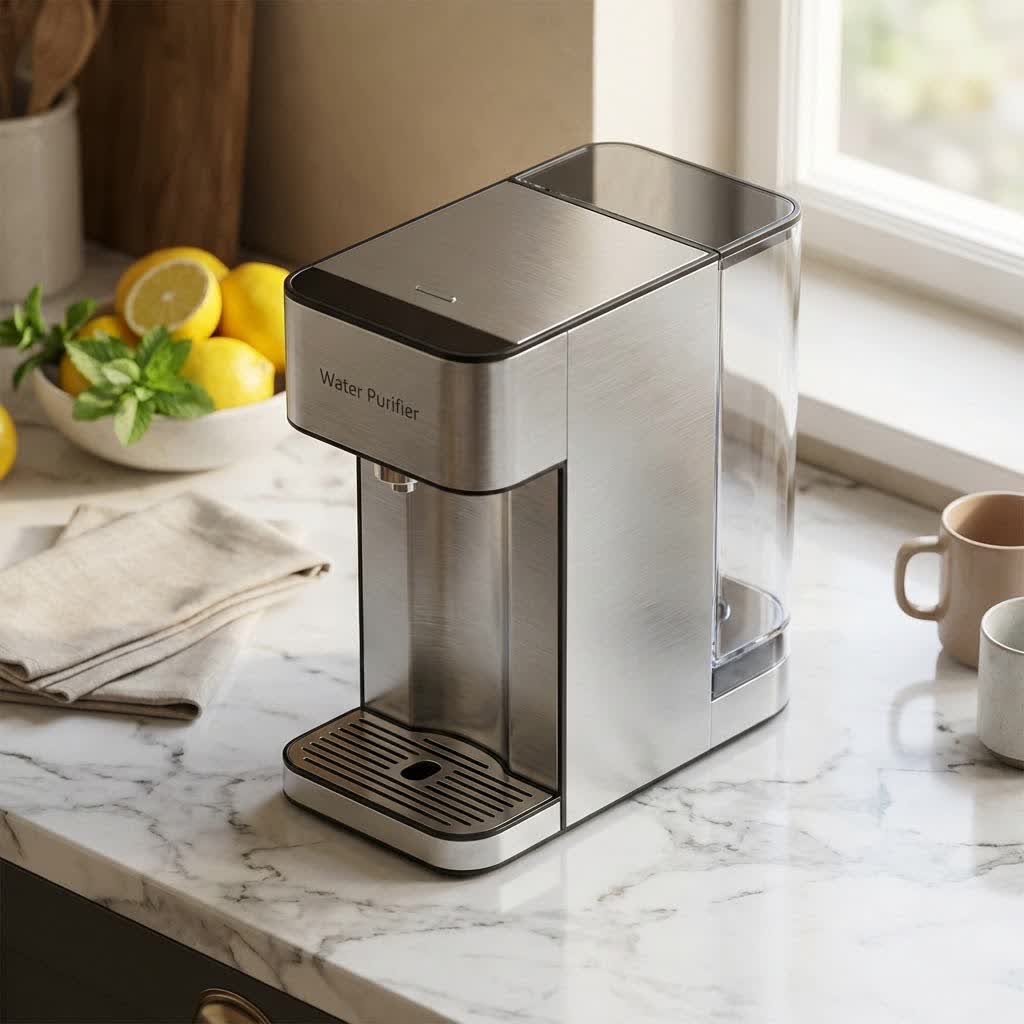
Imagine a world where crystal-clear, safe drinking water flows directly from your tap, free from hidden contaminants and unpleasant tastes. For many households, this isn’t a distant dream but a daily reality, thanks to the discreet power of an under sink water purifier. While the quality of municipal tap water has improved over the years, it can still harbor impurities like chlorine, lead, and emerging contaminants such as PFAS. An under sink water purifier offers an efficient, space-saving solution, transforming your kitchen into a hub of health and hydration. This comprehensive guide will navigate you through the world of under sink water purifiers, helping you choose, use, and maintain the perfect system for your home.
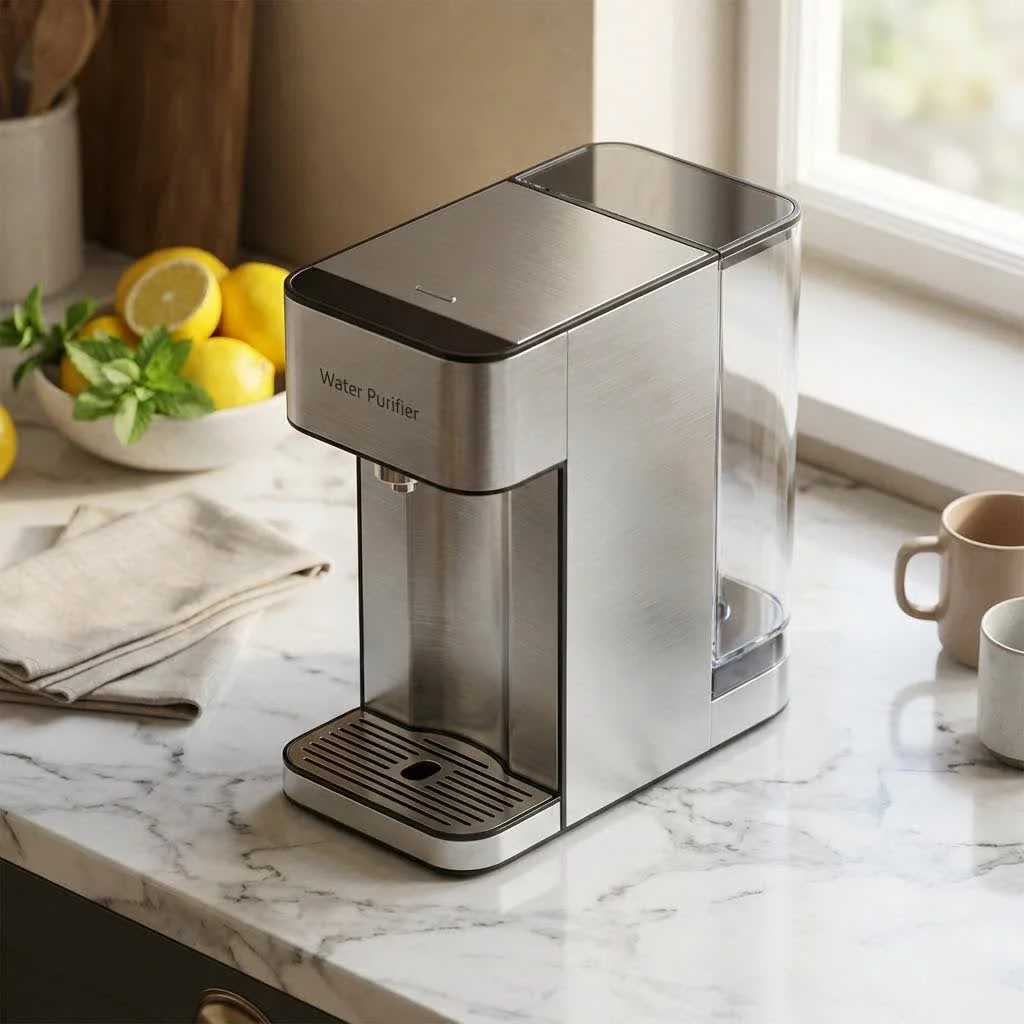
Understanding Under Sink Water Purifiers: Your Hidden Source of Purity
At its core, an under sink water purifier is a filtration system installed directly beneath your kitchen sink, connecting to your cold-water line. Unlike bulky countertop units or refillable pitchers, these systems remain out of sight, preserving your valuable counter space and maintaining your kitchen’s aesthetic. They deliver purified water through a dedicated faucet, providing an on-demand supply for drinking, cooking, and more.
It’s important to distinguish between a “water filter” and a “water purifier.” While both remove impurities, a water purifier typically goes a step further by actively killing biological contaminants like bacteria and viruses, and often removes dissolved minerals through advanced processes like reverse osmosis (RO). Many high-performance under sink systems, particularly those employing RO technology, are considered purifiers due to their extensive contaminant reduction capabilities.
Common Under Sink Water Purification Technologies
Under sink purifiers leverage various technologies, often in multi-stage combinations, to ensure your water is as clean as possible.
Reverse Osmosis (RO) Systems
Reverse osmosis is arguably the most comprehensive purification method available for home use.
- How it works: RO systems push water through a semi-permeable membrane at high pressure, effectively blocking particles and dissolved solids larger than water molecules. This process can be incredibly thorough, removing a vast array of contaminants.
- Pros: Highly effective at removing dissolved minerals, heavy metals (like lead and arsenic), fluoride, chlorine, chloramines, nitrates, PFAS, and microscopic organisms. It offers bottled-water quality directly from your tap.
- Cons: RO systems can be slower, may require a storage tank (though tankless models are becoming popular), and typically produce some wastewater. They also remove beneficial minerals, which some systems address with a remineralization stage.
Activated Carbon Filtration
Carbon filters are a fundamental component in most water filtration systems.
- How it works: Activated carbon, often derived from coconut shells, has a porous structure that traps and adsorbs contaminants as water passes through it.
- Pros: Excellent for improving water’s taste and odor by removing chlorine, chloramines, volatile organic compounds (VOCs), and sediment. These systems generally have a faster flow rate and produce less wastewater than RO.
- Cons: Carbon filters have limitations and do not remove dissolved solids, heavy metals, or microorganisms as effectively as RO or UV.
Ultrafiltration (UF)
|
Our Picks for the Best Water Purifier in 2026
As an Amazon Associate I earn from qualifying purchases.
|
||
| Num | Product | Action |
|---|---|---|
| 1 | ZeroWater 32-Cup 5-Stage Water Filter Dispenser with Instant Read Out - 0 TDS for Improved Tap Water Taste - IAPMO Certified to Reduce Lead, Chromium, and PFOA/PFOS |

|
| 2 | Mate 3 Countertop Reverse Osmosis Water Filter System, 8 Stage Purification, 3:1 Pure to Drain, No Installation Required, Smart Sensor Water Dispensing, Reduce TDS, RO Water Purifier |
|
| 3 | 3 Stage RV Water Filter System, 0.2 Micron Taste Pure Water Filter with Compact 5 Inch for RV, 3-Stage High Flow Water Filter for RVs, Boats and Campers |
|
| 4 | Brita Hub Compact Instant Powerful Countertop Water Filter System, Reduces 70+ Contaminants, 9 Cup Water Reservoir, Includes 6 Month Carbon Block Filter, White, 87344 |
|
| 5 | ZeroWater 52-Cup Ready-Read 5-Stage Water Filter Pitcher Dispenser with 5-Stage 0 TDS Zero Water Filter – IAPMO Certified to Reduce Metals, Chlorine, Lead, Chromium, and Forever Chemicals PFOA/PFOS |
|
| 6 | AquaTru Carafe Countertop Water Purifier - Compact 4-Stage Reverse Osmosis System with Glass Carafe Removes 84 Contaminants Including Forever Chemicals, Lead & Fluoride - No Plumbing |
|
| 7 | Vortopt Carbon Block Water Filter for Sink Faucet,NSF/ANSI 42 Certified Faucet Water Filter,with Display & 400 Gallon Capacity. |
|
| 8 | Waken Electric C11S Reverse Osmosis Water Filtration System Countertop 180oz Water Tank 4:1 Pure to Drain 8 Stage RO Filter No Installation for Home Apartment Condo RV |
|
| 9 | Brita UltraMax Large Water Dispenser with 1 BritaPlus Filter, 27 Cup Capacity, Black (Package May Vary) |
|
| 10 | Brita UltraMax Large Water Dispenser With Standard Filter, BPA-Free, Reduces Copper, Cadmium and Mercury Impurities, Lasts 2 Months or 40 Gallons, Includes 1 Filter, Kitchen Accessories, Large 27-Cup |
|
Ultrafiltration systems use a membrane with a pore size larger than RO but smaller than typical carbon filters.
- How it works: UF membranes physically block suspended solids, bacteria, viruses, and other large particles, allowing dissolved minerals to pass through.
- Pros: Removes a broad range of microorganisms and particles while preserving beneficial minerals. They typically offer a good flow rate and don’t produce wastewater.
- Cons: Not effective against dissolved solids, chemicals, or very small contaminants.
UV (Ultraviolet) Purification
UV light is a non-chemical method for disinfection.
- How it works: Water passes through a chamber where it’s exposed to UV light, which inactivates bacteria, viruses, and other pathogens by disrupting their DNA, preventing them from reproducing.
- Pros: Highly effective at killing microorganisms without adding chemicals.
- Cons: UV only addresses biological contaminants; it does not remove sediment, chemicals, heavy metals, or improve taste and odor. It is often used as a final stage in multi-stage systems.
Most advanced under sink purifiers utilize multi-stage filtration, combining these technologies to offer comprehensive protection and address a wider spectrum of impurities. For instance, an RO system might include sediment pre-filters, carbon filters, the RO membrane, and a post-carbon or remineralization filter.
Key Criteria for Choosing the Right Under Sink Water Purifier
Selecting the ideal under sink water purifier requires careful consideration of several factors tailored to your specific needs and local water conditions.
Your Water Quality and Contaminants
The first step is understanding what’s in your water. If your water comes from a municipal source, your local supplier should provide an annual Consumer Confidence Report (CCR) detailing detected contaminants. For private well water, or if you have concerns beyond the CCR, a professional water test is highly recommended. Identifying specific contaminants like lead, nitrates, PFAS, or high levels of Total Dissolved Solids (TDS) will guide your technology choice. For instance, RO is superior for broad contaminant removal, while a quality carbon filter might suffice if chlorine taste and odor are your primary concerns.
Filtration Needs and Certifications
Look for purifiers certified by reputable organizations like NSF International (formerly the National Sanitation Foundation). NSF certifications (e.g., NSF/ANSI 42, 53, 58, 401) indicate that a system meets strict standards for contaminant reduction. Each certification targets specific contaminants, ensuring the product performs as claimed. For example, NSF/ANSI 58 is critical for RO systems that reduce a wide range of dissolved solids.
Capacity and Flow Rate
Consider your household’s water usage. A system’s capacity is often measured in Gallons Per Day (GPD). Larger households or those with high demand for purified water (e.g., for cooking, coffee makers, and ice machines) will benefit from higher GPD ratings or tankless RO systems that offer faster, on-demand flow.
Installation and Maintenance
Some under sink purifiers are designed for DIY installation, while others may require a plumber, especially if drilling a new hole for a dedicated faucet is necessary. Look for systems with quick-change filter cartridges to simplify maintenance. The frequency and cost of filter replacement are crucial ongoing expenses; ensure you factor these into your budget. Sediment and carbon filters typically need changing every 6-12 months, while RO membranes can last 2-5 years.
Space Considerations
Under sink purifiers are inherently space-saving compared to countertop models. However, traditional RO systems often include a storage tank that can occupy significant cabinet space. If space is at a premium, tankless RO systems are an excellent alternative, offering powerful purification without the bulky tank.
Budget
The initial purchase price varies widely based on technology, brand, and features. Beyond the upfront cost, calculate the long-term expense of replacement filters. A more expensive system might prove more cost-effective over time if its filters last longer or are cheaper to replace.
Remineralization
If you opt for an RO system, be aware that it removes beneficial minerals along with contaminants. Many modern RO purifiers include a remineralization stage that adds a balanced amount of healthy minerals back into the water, improving taste and nutritional value.
Top Under Sink Water Purifier Systems: A Comparative Overview
The market offers a diverse range of high-performing under sink water purifiers. Here’s a glimpse at some popular options and their typical characteristics:
| Model/Type | Technology | Key Features | Pros | Cons |
|---|---|---|---|---|
| Waterdrop G3P600/G3P800 | Tankless Reverse Osmosis (RO) | High GPD, compact design, smart faucet, quick-change filters, low wastewater. | Excellent filtration for PFAS, microplastics, TDS; space-saving; fast flow. | Higher initial cost; some users prefer added minerals (can be addressed with remineralization filter). |
| Aquasana 3-Stage Claryum Max Flow | Multi-stage (Carbon, Ion-Exchange) | 3-stage filtration, high flow rate, filters lead, chlorine, cysts, PFAS. | Superb filtration without RO wastewater; easy to install; good taste. | Takes up more cabinet space than some compact units; higher filter replacement costs than basic filters. |
| APEC ROES-50 Essence Series | 5-Stage Reverse Osmosis (RO) | Traditional RO with storage tank, removes up to 99% of contaminants. | Near-perfect contaminant removal; compelling long-term annual costs. | Requires space for storage tank; slower flow rate compared to tankless. |
| Epic Smart Shield | Multi-stage (Non-RO) | High filtration score for non-RO, removes chlorine, lead, cysts. | Great budget option; no wastewater; good for targeted contaminants. | Not as comprehensive for TDS or extreme contamination as RO. |
Your Comprehensive Under Sink Water Purifier Buying Guide
Navigating the choices can feel overwhelming, but a structured approach simplifies the process.
- Assess Your Water: Begin with a water test. Knowing your specific contaminants is paramount to choosing the right filtration technology. A Consumer Confidence Report (CCR) for municipal water or a lab test for well water will provide essential data.
- Define Your Needs: Consider your family size, daily water consumption, and primary concerns (e.g., taste, lead, specific chemicals). Set a realistic budget, including both the initial purchase and ongoing filter replacement costs.
- Research & Compare Technologies: Based on your water test, decide which filtration technology (RO, carbon, UF, UV, or a combination) is best suited. Compare different models within your chosen category, looking at GPD, stage count, and overall system design.
- Check Certifications & Reviews: Prioritize systems with NSF certifications relevant to your needs. Read independent reviews and testimonials to gauge user satisfaction, ease of installation, and reliability.
- Consider Installation & Ongoing Costs: Evaluate whether you’re comfortable with DIY installation or if professional help is needed. Factor in the cost and frequency of replacement filters to get a true picture of the long-term investment.
- Purchase from Reputable Sellers: Buy from authorized dealers, reputable retailers, or directly from the manufacturer to ensure you receive genuine products, valid warranties, and reliable customer support.
- Inspect and Install: Upon arrival, check the product for any damage and ensure all accessories and installation instructions are included. Follow the manufacturer’s guide meticulously for correct installation to prevent leaks and ensure optimal performance.
Maximizing Lifespan: Usage and Maintenance Tips for Your Purifier
Proper usage and regular maintenance are crucial for extending the life of your under sink water purifier and ensuring it continues to deliver clean, safe water.
- Follow Installation Guidelines: A correct installation is the foundation of a trouble-free system. Read your manual carefully or consider professional installation if you’re unsure.
- Adhere to Filter Replacement Schedules: Filters are the heart of your purification system, and their effectiveness diminishes over time. Replacing sediment and carbon filters every 6-12 months and RO membranes every 2-5 years (or as recommended by the manufacturer) is critical. Neglecting this can lead to reduced filtration efficiency, slower flow rates, and potential system damage.
- System Cleaning: Periodically clean the exterior of your unit and, if your system design allows, perform internal sanitization as per manufacturer instructions to prevent bacterial buildup.
- Monitor Performance: Pay attention to changes in water taste, odor, or flow rate. These can be indicators that a filter needs replacement or that there’s an issue with the system.
“Many people overlook the importance of regular filter changes, but it’s the single most crucial factor in ensuring your under sink water purifier consistently delivers high-quality water. Think of it as preventative maintenance for your health.” – Dr. Elena Petrova, Environmental Health Specialist
Conclusion
An under sink water purifier is a significant investment in your family’s health and well-being, offering the convenience of pure, great-tasting water directly from your tap. By understanding the different technologies, carefully assessing your water quality, and considering key factors like capacity and maintenance, you can choose a system that perfectly fits your needs. With proper installation and diligent upkeep, your under sink water purifier will serve as a reliable, hidden guardian of your home’s hydration, delivering peace of mind and promoting a healthier lifestyle for years to come.
Are you ready to experience the difference an under sink water purifier can make in your home?
Frequently Asked Questions
What is the difference between an under-sink water filter and purifier?
While often used interchangeably, a water filter primarily removes sediment, chlorine, and improves taste/odor. A water purifier goes further, effectively eliminating biological contaminants (bacteria, viruses) and dissolved solids, often utilizing technologies like Reverse Osmosis or UV. Many advanced under-sink systems are considered purifiers due to their comprehensive removal capabilities.
How often should I change the filters in my under-sink purifier?
Filter replacement schedules vary by system and water quality, but typically, pre-filters and carbon filters need replacing every 6-12 months. RO membranes usually last longer, around 2-5 years. Always refer to your specific model’s manufacturer recommendations for optimal performance and longevity.
Do under-sink RO systems waste a lot of water?
Traditional RO systems do produce some wastewater as they separate impurities. However, modern RO systems, especially tankless models, have significantly improved their efficiency, reducing the wastewater ratio considerably. The actual amount can depend on your water pressure and system design.
Can an under-sink water purifier remove beneficial minerals?
Yes, Reverse Osmosis (RO) purifiers are highly effective at removing dissolved solids, including minerals. While this is beneficial for removing harmful substances, it also removes beneficial minerals. Many RO systems now include a remineralization stage to reintroduce these healthy minerals into the purified water.
Is professional installation required for under-sink purifiers?
Many under-sink water purifiers are designed for DIY installation, especially basic filter systems. However, RO systems often involve more complex plumbing, potential drilling for a dedicated faucet, and specialized connections. If you’re uncomfortable with plumbing tasks, professional installation is recommended to ensure proper setup and prevent leaks.
Pet products vetted on real animals
Practical specs, not advice. Unsubscribe anytime.
