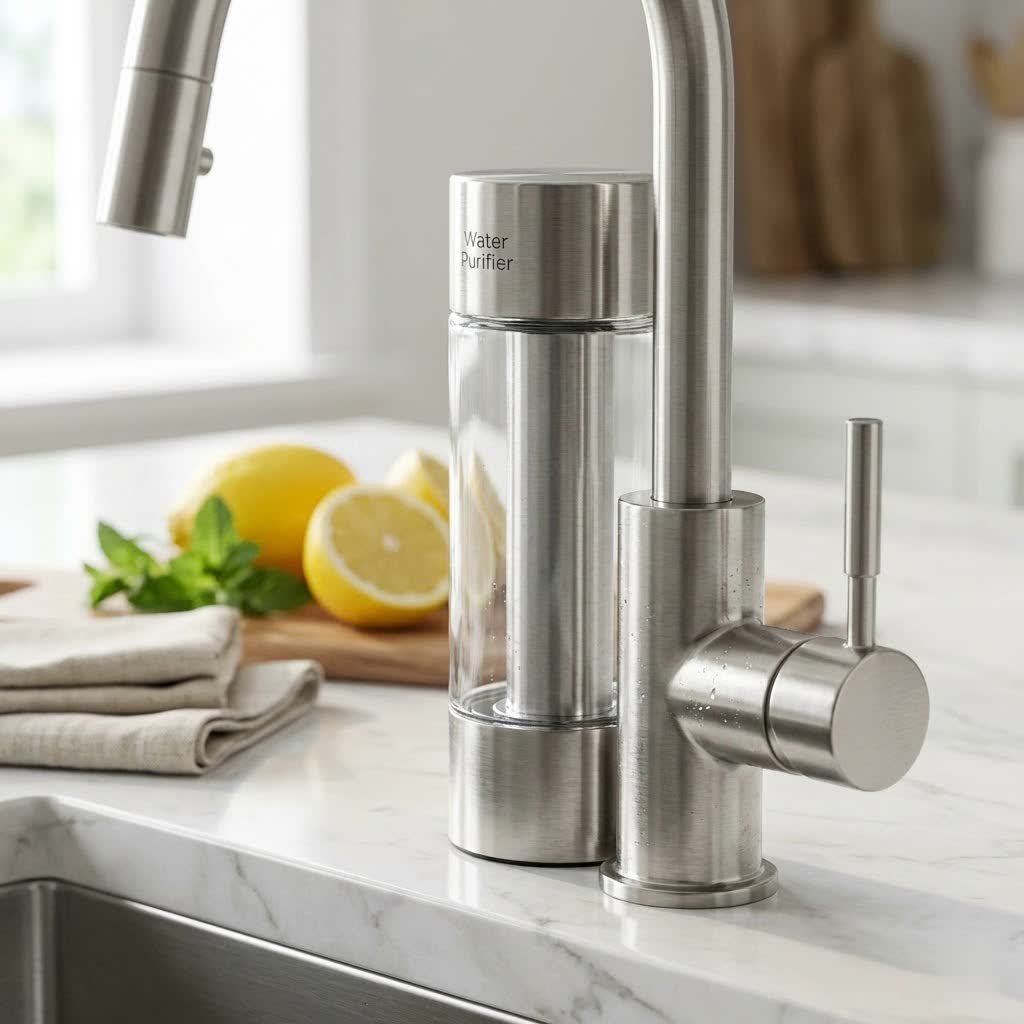
Ensuring your household has access to clean, safe drinking water is a top priority, especially with increasing concerns about water quality. Many homeowners are turning to advanced solutions, and among the most effective is the ultraviolet (UV) water purifier. This technology offers a powerful, chemical-free method to eliminate harmful microorganisms, providing peace of mind for you and your family. This comprehensive guide will delve into how UV water purifiers work, their benefits and limitations, key considerations for choosing the right system, and essential maintenance practices to guarantee consistent water purity.
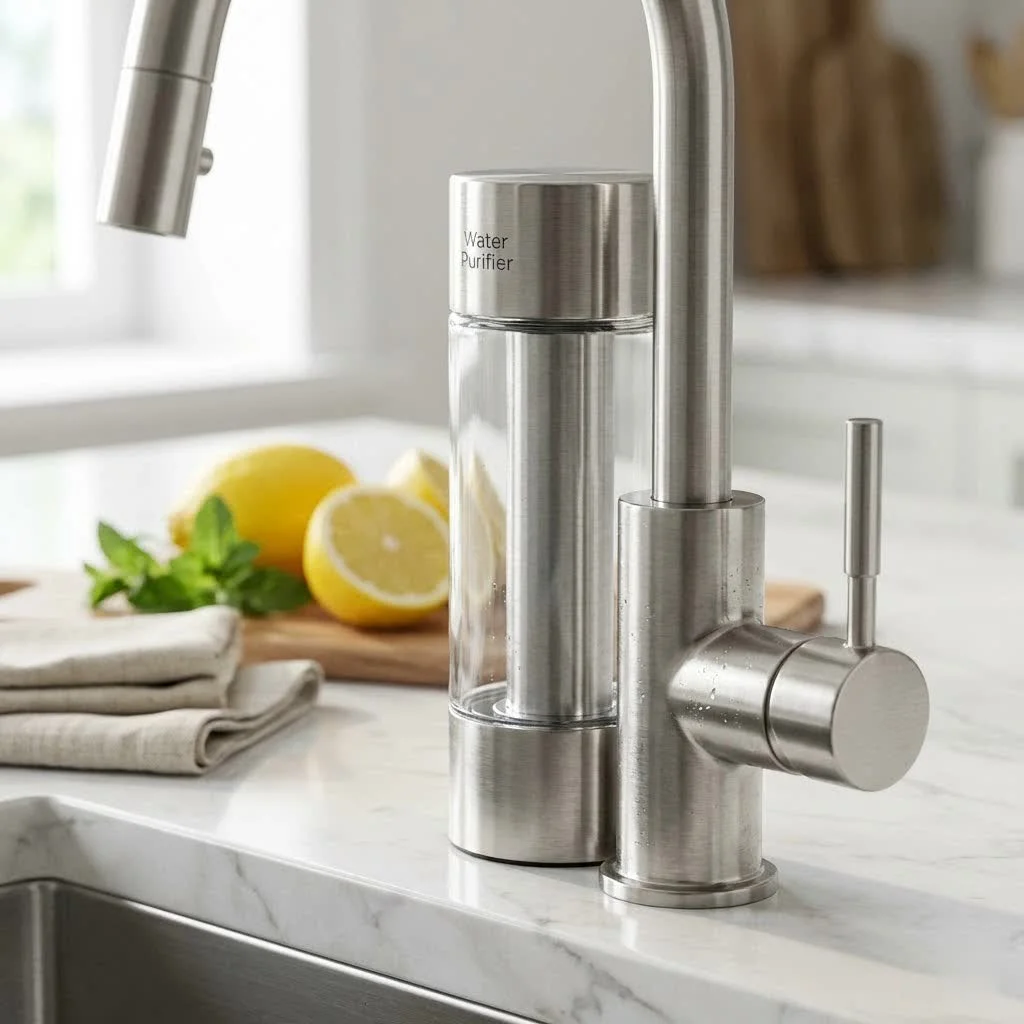
Understanding Ultraviolet Water Purifiers
Ultraviolet (UV) water purifiers leverage a specific band of UV-C light to effectively disinfect water. This technology harnesses the power of nature’s germicidal rays, a method widely recognized for its efficacy in neutralizing microbial threats without the addition of chemicals. When water flows through a UV purification chamber, a special lamp emits UV-C light at a wavelength of approximately 254 nanometers. For home buying guides on this site.
The core mechanism involves the UV light penetrating the cell walls of microorganisms such as bacteria, viruses, and protozoa, including common pathogens like E. coli, Giardia, and Cryptosporidium. This powerful light damages their DNA and RNA, rendering them unable to reproduce or infect. Essentially, the microorganisms are inactivated, making the water microbiologically safe to drink. This process is remarkably fast and does not alter the water’s taste, odor, or chemical composition, offering a clean and efficient disinfection method.
However, it’s crucial to understand what UV purification does not do. While highly effective against living organisms, UV purifiers are not designed to remove chemical contaminants, heavy metals like lead or mercury, dissolved salts, pesticides, or chlorine. They also cannot filter out sediment or other suspended particles. Therefore, UV systems primarily function as disinfectants, and for comprehensive water treatment, they are often paired with other filtration stages.
Comparing Water Purification Technologies: Where UV Stands
The landscape of water purification offers various technologies, each with unique strengths. Understanding these differences helps in building a holistic water treatment strategy for your home.
Reverse Osmosis (RO) systems excel at removing a wide array of contaminants, including dissolved solids, chemicals, heavy metals, and even some viruses and bacteria. They force water through a semi-permeable membrane, separating impurities. While highly effective, RO systems are typically slower, produce a certain amount of wastewater, and require electricity.
Ultrafiltration (UF) purifiers use a membrane with larger pores than RO, making them effective at removing suspended solids, bacteria, and larger viruses. They don’t remove dissolved salts or very small particles and generally don’t require electricity unless combined with a pump.
Nano-filtration technology sits between UF and RO, capable of removing smaller particles and some dissolved substances while retaining beneficial minerals, but it is less common for residential use.
Ultraviolet (UV) water purifiers stand out as a premier disinfection method. Unlike RO or UF, UV doesn’t physically filter out contaminants. Instead, it sterilizes water by inactivating microorganisms, making it safe from biological threats. Its advantages include being chemical-free, energy-efficient for the disinfection process, and maintaining the natural mineral content of the water. However, because it only addresses biological contaminants, a standalone UV system is generally best suited for water that is already clear and free of chemical pollutants, often municipal water or pre-treated well water. For a truly comprehensive solution, UV is frequently integrated into multi-stage filtration systems, acting as a critical final barrier against microbial contamination.
Key Criteria for Choosing an Ultraviolet Water Purifier
Selecting the ideal ultraviolet water purifier for your home requires careful consideration of several factors. A well-informed decision ensures you invest in a system that effectively meets your specific water purification needs.
Water Source and Quality Assessment
|
Our Picks for the Best Water Purifier in 2026
As an Amazon Associate I earn from qualifying purchases.
|
||
| Num | Product | Action |
|---|---|---|
| 1 | Brita Hub Compact Instant Powerful Countertop Water Filter System, Reduces 70+ Contaminants, 9 Cup Water Reservoir, Includes 6 Month Carbon Block Filter, White, 87344 |

|
| 2 | ZeroWater 52-Cup Ready-Read 5-Stage Water Filter Pitcher Dispenser with 5-Stage 0 TDS Zero Water Filter – IAPMO Certified to Reduce Metals, Chlorine, Lead, Chromium, and Forever Chemicals PFOA/PFOS |
|
| 3 | Vortopt Carbon Block Water Filter for Sink Faucet,NSF/ANSI 42 Certified Faucet Water Filter,with Display & 400 Gallon Capacity. |
|
| 4 | 3 Stage RV Water Filter System, 0.2 Micron Taste Pure Water Filter with Compact 5 Inch for RV, 3-Stage High Flow Water Filter for RVs, Boats and Campers |
|
| 5 | ZeroWater 32-Cup 5-Stage Water Filter Dispenser with Instant Read Out - 0 TDS for Improved Tap Water Taste - IAPMO Certified to Reduce Lead, Chromium, and PFOA/PFOS |
|
| 6 | Brita UltraMax Large Water Dispenser With Standard Filter, BPA-Free, Reduces Copper, Cadmium and Mercury Impurities, Lasts 2 Months or 40 Gallons, Includes 1 Filter, Kitchen Accessories, Large 27-Cup |
|
| 7 | AquaTru Carafe Countertop Water Purifier - Compact 4-Stage Reverse Osmosis System with Glass Carafe Removes 84 Contaminants Including Forever Chemicals, Lead & Fluoride - No Plumbing |
|
| 8 | Brita UltraMax Large Water Dispenser with 1 BritaPlus Filter, 27 Cup Capacity, Black (Package May Vary) |
|
| 9 | Waken Electric C11S Reverse Osmosis Water Filtration System Countertop 180oz Water Tank 4:1 Pure to Drain 8 Stage RO Filter No Installation for Home Apartment Condo RV |
|
| 10 | Mate 3 Countertop Reverse Osmosis Water Filter System, 8 Stage Purification, 3:1 Pure to Drain, No Installation Required, Smart Sensor Water Dispensing, Reduce TDS, RO Water Purifier |
|
The first and most critical step in choosing a UV water purifier is to thoroughly assess your water source and its quality. Are you on a municipal water supply, a private well, or another source? While municipal water is typically treated, it can still be susceptible to microbial contamination from aging infrastructure. Well water, however, often carries a higher risk of bacteria, viruses, and other biological contaminants, making a UV system particularly valuable. It is highly recommended to conduct a professional water test to identify not only biological threats but also the presence of sediment, hardness minerals, or chemical pollutants in your water. This comprehensive understanding will dictate the need for pre-treatment alongside your UV system.
The water purity for UV systems is paramount. A golden rule for UV filtration is that water must be free of particles larger than 5 microns for the UV light to work effectively. If your water is cloudy or contains suspended particles, these can shield microorganisms from the UV rays, rendering the disinfection ineffective. Pre-filtration is therefore essential, often involving a sediment filter (ideally 5 microns or tighter) to remove dirt, sand, rust, and other debris. Additionally, if you have hard water, minerals like calcium and magnesium can cause scale buildup on the quartz sleeve, reducing UV light penetration over time. In such cases, a water softener might be necessary as part of your pre-treatment strategy to maintain optimal performance and extend the lifespan of your UV system.
Purification Capacity and Flow Rate
Matching the UV water purifier’s capacity to your household’s needs is crucial for effective disinfection. Systems are typically rated by their flow rate, measured in gallons per minute (GPM). A system that is too small for your home’s water demand may allow water to pass through too quickly, reducing the contact time with UV light and compromising disinfection.
As a general guideline, a home with one bathroom might require a UV system with a flow rate of 6 GPM or higher. For each additional bathroom, adding 2 to 3 GPM to the total capacity is recommended to accommodate peak water usage, such as simultaneous showers and appliance operation. When in doubt, it is always better to select a system with a slightly higher flow rate than your estimated needs, as oversizing ensures adequate treatment even during periods of high demand.
The effectiveness of a UV system is also quantified by its UV dose, measured in millijoules per square centimeter (mJ/cm²). This dose represents the amount of germicidal energy delivered to the water. A higher UV dose indicates greater effectiveness in inactivating microorganisms. The standard minimum dose for effective disinfection is typically 30 mJ/cm². However, for water sources with potentially more resistant microorganisms or for higher flow rates, a more powerful system delivering 40 mJ/cm², 50 mJ/cm², or even higher (up to 100 mJ/cm² for specialized applications) is often recommended to ensure robust and reliable purification. Certain certifications, like NSF/ANSI 55 Class A, mandate a minimum dose of 40 mJ/cm² for treating microbiologically contaminated water.
Advanced Filtration Technologies (When UV is combined)
While UV purification is an exceptional method for biological disinfection, its effectiveness is significantly enhanced when integrated with other filtration technologies. This multi-barrier approach ensures comprehensive water treatment, addressing a broader spectrum of contaminants.
Integrated UV systems are commonly available and come pre-assembled with complementary filters. These often include a sediment pre-filter, typically 5 microns or less, which is vital for removing suspended particles that could shield microorganisms from UV light. Many integrated systems also feature an activated carbon filter, which is excellent for adsorbing chlorine, improving taste and odor, and removing certain organic chemicals. This combination ensures that the water entering the UV chamber is clean and clear, maximizing the UV light’s germicidal efficiency.
For households facing a wider range of water quality issues, such as high Total Dissolved Solids (TDS), heavy metals, or chemical pollutants, combining Reverse Osmosis (RO) with UV purification offers the ultimate solution. In such systems, water typically first passes through the RO membrane, which removes dissolved solids, chemical contaminants, and even some viruses. Following the RO stage, the water then enters the UV chamber for a final disinfection pass, effectively neutralizing any remaining bacteria or viruses that might have escaped the RO membrane or potentially recontaminated the water in storage tanks. This synergistic approach ensures water that is both chemically pure and microbiologically safe.
Material Quality and Brand Reputation
The longevity and reliability of your ultraviolet water purifier are heavily influenced by the quality of its components and the reputation of its manufacturer. Investing in a well-built system from a trusted brand provides assurance of performance and durability.
Look for UV systems constructed with high-grade materials, particularly the UV chamber, which should ideally be made of stainless steel. Stainless steel offers excellent corrosion resistance, durability, and ensures that the UV light is effectively reflected within the chamber for maximum disinfection. The quartz sleeve, which protects the UV lamp from direct water contact, should also be of high quality to ensure optimal UV light transmission.
Choosing products from reputable brands is paramount. Established manufacturers often have a track record of producing reliable water purification systems, adhering to industry standards (like NSF/ANSI certifications), and providing robust warranties. A strong warranty on the UV chamber, electrical components, and the lamp itself signifies the manufacturer’s confidence in their product. Furthermore, consider brands that offer readily available replacement parts (such as lamps and quartz sleeves) and have a strong network for after-sales support and servicing. This ensures that any maintenance needs or issues can be addressed promptly and effectively, safeguarding your investment and continuous access to pure water.
Cost Considerations
When evaluating an ultraviolet water purifier, it’s important to look beyond the initial purchase price and consider the total cost of ownership. This includes several factors that contribute to the long-term expense of maintaining a functional and effective system.
The initial purchase price of a UV water purifier can vary significantly based on factors like flow rate, UV dose, brand, and whether it’s an integrated system with pre-filters. While some basic point-of-use UV units might be relatively affordable, whole-house systems with higher capacities and advanced features will naturally have a higher upfront cost.
However, the operating costs are an ongoing consideration. The primary recurring expense is the UV lamp replacement, which is typically recommended annually (every 9-12 months) as the lamp’s intensity diminishes over time, even if it appears to be working. The cost of replacement lamps varies by model and brand. Additionally, if your system includes pre-filters (sediment or carbon), these will need regular replacement, usually every 3-6 months, depending on your water quality and usage. While UV systems themselves are energy-efficient for disinfection, they do require continuous electricity to operate, so factor in a nominal increase in your electricity bill. Finally, consider potential installation fees if you opt for professional setup, and the cost of annual professional servicing to ensure peak performance and address any potential issues proactively. These combined costs contribute to the true investment in your UV water purification system.
Top Ultraviolet Water Purifier Recommendations
Finding the best ultraviolet water purifier involves identifying systems that combine effective disinfection with reliability and user-friendly features. While specific brand models evolve, understanding what makes a system “top-tier” remains consistent across the market.
For whole-house applications, look for robust systems designed to handle high flow rates (e.g., 10-15 GPM or more), ensuring all water entering your home is treated. These often feature durable stainless steel chambers and may come as integrated units, combining UV with sediment and carbon pre-filters to tackle turbidity and improve water aesthetics. Key indicators of quality include certifications like NSF/ANSI 55 Class A, which guarantees the system meets rigorous standards for microbial reduction. Some advanced whole-house purifiers also incorporate smart monitoring features, such as UV intensity sensors, lamp life timers, and audible alarms, to alert you when maintenance is needed or if disinfection performance drops.
For point-of-use applications, such as under-sink units for drinking water or even portable purifiers for travel and outdoor activities, compactness and ease of installation are crucial. These smaller units are typically designed for lower flow rates but still deliver powerful UV doses. Features like quick-connect fittings, energy-efficient lamps, and simple indicator lights for lamp status enhance their convenience. Look for systems that are easy to maintain, with straightforward lamp and quartz sleeve replacement processes. Regardless of the application, a high-quality UV water purifier should offer strong disinfection capabilities, a durable build, and clear indications for when maintenance is required, ensuring you consistently have safe, microbiologically pure water.
Comprehensive Buying Guide for Your UV Water Purifier
Navigating the options for an ultraviolet water purifier can feel overwhelming, but a structured approach can simplify the process and lead you to the best choice for your home.
- Assess Your Water Quality: Before anything else, get your water tested. This is the single most important step. A detailed water analysis will reveal not only the presence of bacteria and viruses but also other contaminants like sediment, hardness, chlorine, or heavy metals that UV alone cannot address. This assessment will determine if a standalone UV system is sufficient or if you need a multi-stage approach.
- Determine Your Household’s Needs: Consider your daily water consumption, the number of bathrooms in your home, and peak water usage times. This will help you identify the appropriate flow rate (GPM) and capacity for your UV system, ensuring it can treat all the water you need effectively and continuously. It’s often advisable to slightly oversize your system to accommodate future needs or unexpected surges in demand.
- Research System Types and Combinations: Based on your water test results and household needs, decide whether a basic UV disinfection unit is sufficient or if you require an integrated system with pre-filters (sediment, carbon) or even a combination with Reverse Osmosis (RO) for comprehensive treatment. Understand the pros and cons of each type to make an informed decision about the best technology blend.
- Evaluate Key Features and Certifications: Look for systems with important features such as UV intensity monitors, audible alarms for lamp replacement or system faults, and a bypass valve for easy maintenance without interrupting your water supply. Prioritize purifiers that hold certifications like NSF/ANSI 55 Class A, which confirms their performance against specific microbial contaminants and assures adherence to quality standards.
- Compare Brands, Warranties, and Support: Choose a reputable brand known for quality and reliability in water purification. Compare product warranties on the UV chamber, lamp, and electrical components. Crucially, research the availability and responsiveness of their customer service and technical support, as well as the ease of finding replacement parts like UV lamps and quartz sleeves. A strong support system is invaluable for long-term satisfaction.
- Ensure Professional Installation: For whole-house UV systems, professional installation is highly recommended. Correct installation ensures optimal performance, prevents leaks, and integrates the system properly with your existing plumbing and any necessary pre-filtration units. An incorrectly installed system may not effectively treat your water or could lead to operational issues.
- Understand the Total Cost of Ownership: Factor in not only the initial purchase price but also ongoing costs. This includes the annual replacement of the UV lamp, periodic replacement of pre-filters, the electricity consumption, and any potential costs for professional annual servicing. A clear understanding of these expenses will help you budget effectively and avoid surprises.
By diligently following these steps, you can confidently select an ultraviolet water purifier that provides reliable, safe, and clean water for your family for years to come.
Essential Usage and Maintenance for Your Ultraviolet Water Purifier
To ensure your ultraviolet water purifier consistently delivers safe, pure water and operates efficiently for its full lifespan, consistent care and adherence to recommended practices are vital.
Operating Your UV System: Once installed, ensure your UV system has a continuous power supply. Unlike some filters, UV purification relies on constant UV-C light exposure. It’s also critical that the water entering the UV chamber has been adequately pre-filtered. Sediment and other particles can block the UV light, creating “shadows” where microorganisms can hide and pass through untreated. Always refer to your manufacturer’s manual for specific operational guidelines.
Routine Maintenance Schedule: Adhering to a regular maintenance schedule is the cornerstone of effective UV purification.
- UV Lamp Replacement: The UV lamp is the heart of your purifier, and its germicidal intensity diminishes over time, even if it appears to be lit. Most manufacturers recommend replacing the UV lamp annually, typically after 9,000 to 12,000 hours of continuous use. Delaying this replacement can compromise water safety, as the lamp may no longer emit sufficient UV-C energy to effectively neutralize pathogens. Consider keeping a spare lamp on hand for prompt replacement.
- Quartz Sleeve Cleaning: The quartz sleeve protects the UV lamp from direct contact with water. Over time, mineral deposits, dirt, and biofilm can accumulate on its surface, reducing the transparency of the sleeve and hindering the UV light’s ability to penetrate the water effectively. Inspect and clean the quartz sleeve every three to six months using a soft cloth or sponge and a non-abrasive solution like vinegar, then rinse thoroughly. Replace the sleeve if it becomes cracked, scratched, or heavily stained beyond cleaning.
- Pre-filter Changes: If your UV system includes pre-filters (sediment, carbon), these must be replaced on schedule, usually every three to six months, depending on your water quality and usage. Timely pre-filter replacement protects the UV lamp and quartz sleeve and ensures optimal water clarity for the UV disinfection process.
- Check for Leaks and Tight Connections: Regularly inspect your entire UV system for any signs of leaks. Check all fittings, gaskets, and seals to ensure they are tight and secure. Addressing leaks immediately prevents water wastage and maintains system pressure.
- Monitor the Indicator Light: Most UV systems are equipped with an indicator light or alarm that signals the operational status of the UV lamp. Regularly check this light. If it’s off, flashing, or an alarm sounds, it typically indicates the lamp needs replacement or there’s another system issue requiring attention.
- Professional Servicing: While routine tasks are manageable for homeowners, scheduling annual professional servicing can be highly beneficial. A certified technician can perform a thorough inspection, clean internal components, verify UV dose, and address any potential issues before they escalate, ensuring your system remains in peak condition.
By following these essential usage and maintenance guidelines, you can significantly extend the lifespan of your ultraviolet water purifier and consistently provide your family with safe, microbiologically pure drinking water.
Conclusion
In an era where water quality is a growing concern, the ultraviolet (UV) water purifier stands out as an indispensable tool for ensuring your family’s health and safety. By harnessing the power of UV-C light, these systems offer a chemical-free, highly effective method for eliminating harmful bacteria, viruses, and other microorganisms, providing reliable disinfection without altering your water’s natural properties. While UV purifiers are a robust solution for biological threats, their optimal performance relies on proper water quality assessment, thoughtful system selection that considers pre-filtration needs, and diligent maintenance.
Choosing the right ultraviolet water purifier involves understanding your water source, matching the system’s capacity to your household’s demand, and recognizing the importance of complementary filtration technologies for comprehensive treatment. With regular lamp replacements, quartz sleeve cleaning, and pre-filter changes, your UV system will continue to deliver peace of mind, offering a consistent supply of microbiologically safe drinking water. Your commitment to proper maintenance ensures that this vital technology remains a steadfast guardian of your home’s water purity. What steps will you take today to secure your home’s water quality and safeguard your family’s well-being for the future?
Frequently Asked Questions
Does a UV water purifier remove chemicals from water?
No, a UV water purifier primarily targets and inactivates microorganisms like bacteria, viruses, and cysts by damaging their DNA. It does not remove chemical contaminants, heavy metals, dissolved solids, chlorine, pesticides, or improve water’s taste or odor on its own. For chemical removal, additional filtration methods like activated carbon filters or reverse osmosis systems are required.
How often should I replace the UV lamp?
Most manufacturers recommend replacing the UV lamp annually, typically after 9,000 to 12,000 hours of continuous use. Even if the lamp still appears to be glowing, its germicidal intensity diminishes over time, reducing its effectiveness in killing microorganisms. Regular replacement ensures consistent and reliable water disinfection.
Do UV water purifiers require electricity?
Yes, UV water purifiers rely on a continuous supply of electricity to power the UV lamp, which emits the germicidal light. They are generally energy-efficient for the disinfection process, but they will not function during a power outage. For areas with frequent power interruptions, consider a backup power source or alternative purification methods for emergencies.
Can a UV purifier treat cloudy water?
No, a UV purifier cannot effectively treat cloudy or turbid water. Suspended particles, sediment, or debris in the water can create “shadows,” shielding microorganisms from the UV light and allowing them to pass through untreated. Therefore, pre-filtration, typically with a 5-micron sediment filter, is essential to ensure the water is clear before it enters the UV chamber.
Is UV purification suitable for well water?
Yes, UV purification is highly suitable for well water, which often has a higher risk of microbial contamination. However, well water frequently contains sediment, hardness minerals, or other contaminants that UV alone cannot remove. For optimal effectiveness, UV systems for well water should always be preceded by appropriate pre-filters, such as sediment filters and potentially a water softener, to ensure the water is clear and free of interfering substances.
Pet products vetted on real animals
Practical specs, not advice. Unsubscribe anytime.
