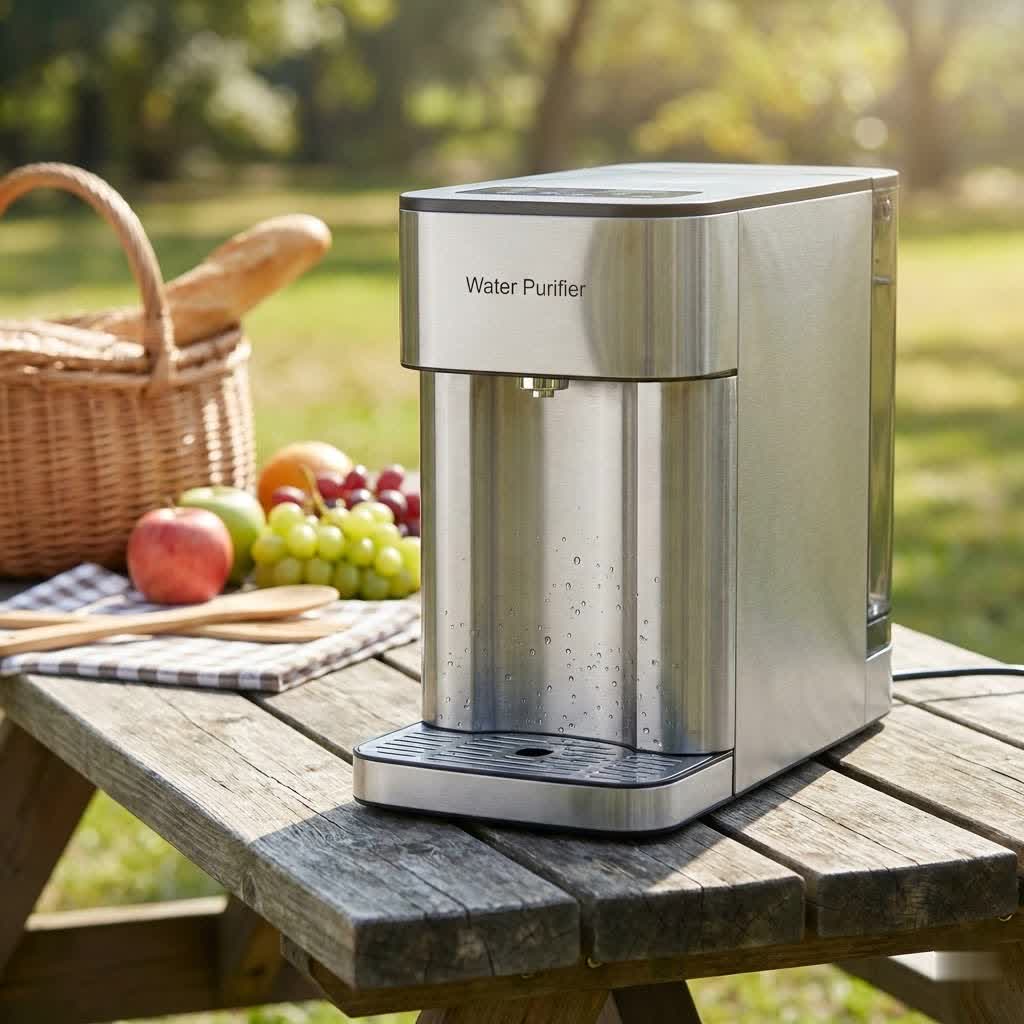
The quest for pure, safe drinking water is a universal concern. In an age where water quality is increasingly compromised, finding a reliable purification method is more critical than ever. While many advanced systems rely on electricity and complex installations, gravity water purifiers offer a refreshingly simple, effective, and independent solution. This guide will explore everything you need to know about gravity water purifiers, from how they work to choosing the best one for your home or adventure.
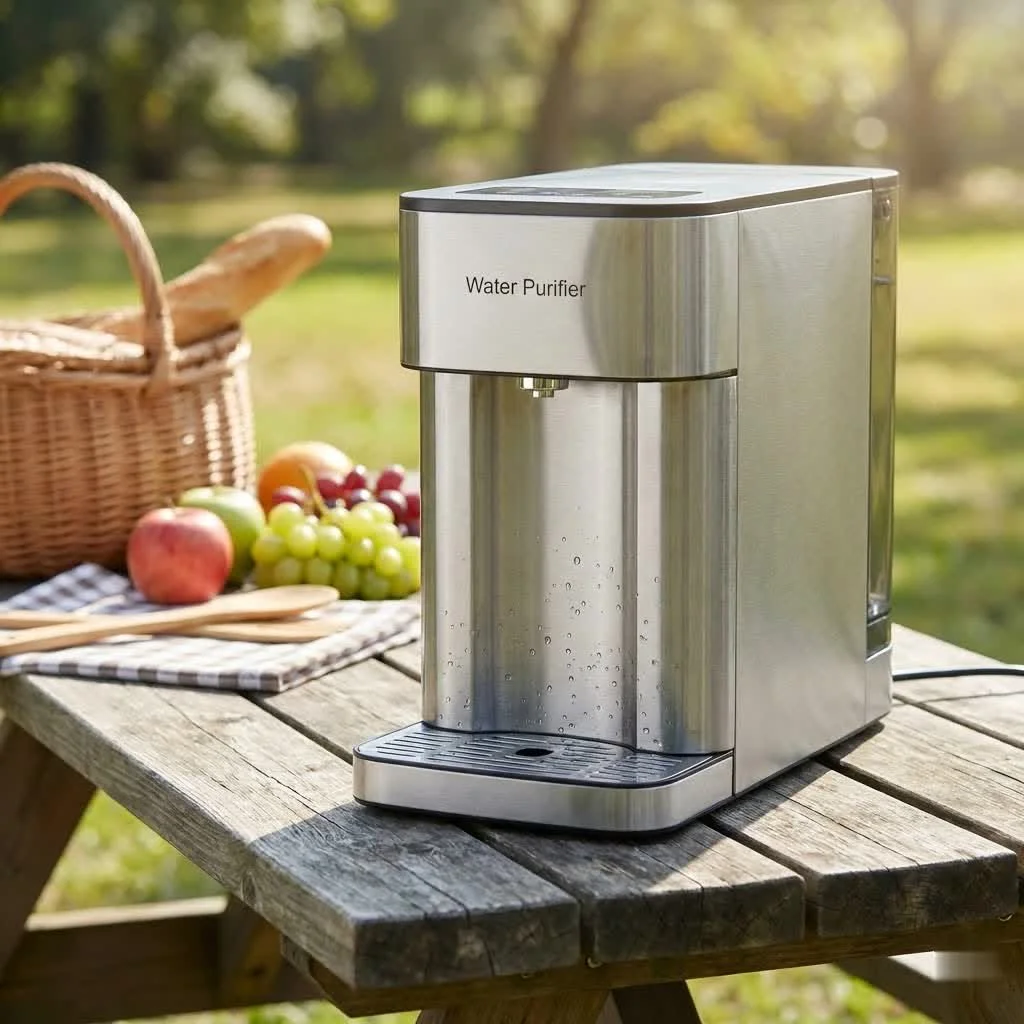
Understanding Gravity Water Purifiers: How They Work
At its core, a gravity water purifier operates on a fundamental principle: the natural pull of gravity. These systems typically feature a two-chamber design, with an upper container holding unfiltered water and a lower container collecting the purified output. Unfiltered water poured into the top chamber slowly trickles down through one or more filter elements, driven solely by gravity.
The filter elements are the heart of the system, often comprising multiple stages to tackle various contaminants. Common filter media include:
- Microfibre mesh or ceramic filters: These initial barriers physically block larger sediment, dirt, and often pathogenic bacteria and cysts.
- Activated carbon: Granular activated carbon (GAC) is highly effective at reducing chlorine, odors, tastes, pesticides, herbicides, and volatile organic compounds (VOCs) through adsorption.
- Proprietary composite or nano-ionic filters: Some advanced filters incorporate specialized materials designed to target a broader spectrum of contaminants, potentially including some viruses, heavy metals, and pharmaceuticals.
As water passes through these layers, impurities are trapped, allowing only cleaner water to reach the lower chamber, ready for consumption. The beauty of this process lies in its simplicity: no electricity, no pumps, and no complex plumbing are required, making gravity purifiers ideal for a wide range of applications.
Types of Water Purifiers: Where Gravity Filters Stand
The world of water purification offers diverse technologies, each with its strengths and weaknesses. Understanding where gravity purifiers fit can help you make an informed decision for your household.
Gravity Water Purifiers
These systems are renowned for their self-sufficiency. They are non-electric, portable, and typically require minimal installation, making them excellent choices for emergency preparedness, camping, off-grid living, or simply as a reliable backup system. They provide a balanced approach to filtration, often removing common contaminants while retaining beneficial minerals that contribute to water’s natural taste.
Comparison with Other Popular Technologies:
- Reverse Osmosis (RO) Systems: RO systems are highly effective at removing a very broad spectrum of contaminants, including dissolved solids, heavy metals, fluoride, and even beneficial minerals. They use pressure to force water through a semi-permeable membrane. However, RO systems require electricity, generate wastewater, often need professional installation, and can have higher initial and ongoing costs due to membrane replacements. For daily use with heavily contaminated well water or specific concerns like lead and PFAS, RO often offers the most comprehensive purification.
- UV Purifiers: Ultraviolet (UV) purifiers use UV light to inactivate bacteria, viruses, and other microorganisms. They are very effective against biological contaminants but do not remove sediment, chemicals, heavy metals, or improve taste and odor. They require electricity and are often used in conjunction with other filtration methods.
- Boiling Water: Traditionally, boiling water has been a go-to method for killing microbes. While effective against bacteria, viruses, and parasites, boiling does not remove chemical contaminants like pesticides, chlorine, or heavy metals. It also consumes time and energy, and the water can easily become recontaminated as it cools. Gravity purifiers offer a safer and more practical alternative by addressing a wider range of contaminants without these drawbacks.
- Pitcher Water Filters: Similar to gravity filters in their non-electric nature, pitcher filters are compact and convenient for small volumes. However, gravity water purifiers typically offer multi-stage filtration, significantly larger capacities, and often more robust contaminant removal capabilities than standard pitcher filters, making them suitable for larger households or more demanding situations.
Criteria for Choosing a Gravity Water Purifier
Selecting the right gravity water purifier involves considering several factors to ensure it meets your specific needs.
Water Source and Contaminants
|
Our Picks for the Best Water Purifier in 2026
As an Amazon Associate I earn from qualifying purchases.
|
||
| Num | Product | Action |
|---|---|---|
| 1 | Brita Hub Compact Instant Powerful Countertop Water Filter System, Reduces 70+ Contaminants, 9 Cup Water Reservoir, Includes 6 Month Carbon Block Filter, White, 87344 |

|
| 2 | Brita UltraMax Large Water Dispenser with 1 BritaPlus Filter, 27 Cup Capacity, Black (Package May Vary) |
|
| 3 | ZeroWater 52-Cup Ready-Read 5-Stage Water Filter Pitcher Dispenser with 5-Stage 0 TDS Zero Water Filter – IAPMO Certified to Reduce Metals, Chlorine, Lead, Chromium, and Forever Chemicals PFOA/PFOS |
|
| 4 | 3 Stage RV Water Filter System, 0.2 Micron Taste Pure Water Filter with Compact 5 Inch for RV, 3-Stage High Flow Water Filter for RVs, Boats and Campers |
|
| 5 | Brita UltraMax Large Water Dispenser With Standard Filter, BPA-Free, Reduces Copper, Cadmium and Mercury Impurities, Lasts 2 Months or 40 Gallons, Includes 1 Filter, Kitchen Accessories, Large 27-Cup |
|
| 6 | Vortopt Carbon Block Water Filter for Sink Faucet,NSF/ANSI 42 Certified Faucet Water Filter,with Display & 400 Gallon Capacity. |
|
| 7 | Mate 3 Countertop Reverse Osmosis Water Filter System, 8 Stage Purification, 3:1 Pure to Drain, No Installation Required, Smart Sensor Water Dispensing, Reduce TDS, RO Water Purifier |
|
| 8 | ZeroWater 32-Cup 5-Stage Water Filter Dispenser with Instant Read Out - 0 TDS for Improved Tap Water Taste - IAPMO Certified to Reduce Lead, Chromium, and PFOA/PFOS |
|
| 9 | Waken Electric C11S Reverse Osmosis Water Filtration System Countertop 180oz Water Tank 4:1 Pure to Drain 8 Stage RO Filter No Installation for Home Apartment Condo RV |
|
| 10 | AquaTru Carafe Countertop Water Purifier - Compact 4-Stage Reverse Osmosis System with Glass Carafe Removes 84 Contaminants Including Forever Chemicals, Lead & Fluoride - No Plumbing |
|
First, assess your primary water source. Are you purifying municipal tap water, well water, rainwater, or surface water from natural sources for camping? Different sources present different challenges. For example, municipal water typically needs chlorine and sediment removal, while well water might require addressing specific heavy metals or microbial concerns. Understand which contaminants you need to target.
Filtration Capacity and Flow Rate
Consider the volume of water your household or group consumes daily. Gravity purifiers come in various sizes, from compact travel models to larger countertop units with capacities up to several gallons. Flow rate, or how quickly water passes through the filters, also varies. While gravity systems are inherently slower than pressurized systems, some models offer faster filtration rates than others. Match the capacity and flow rate to your daily demand to avoid waiting for clean water.
Filter Technology and Effectiveness
Investigate the specific filter media and purification stages a system uses. Look for filters that effectively remove the contaminants identified in your water source. Key questions to ask include:
- Does it remove bacteria and cysts?
- Is it effective against chlorine, unpleasant tastes, and odors?
- Does it target heavy metals (like lead) or specific chemicals (like PFAS or fluoride) if those are concerns?
- What is the micron rating of the filter? (Smaller micron ratings indicate finer filtration).
Material Quality and Durability
Gravity purifiers are often made from stainless steel or BPA-free plastics. Stainless steel models are generally more durable and aesthetically pleasing, while plastic options can be lighter and more affordable. Ensure the materials used are food-grade and built to last, especially if the system will be used in demanding outdoor or emergency scenarios.
Brand Reputation and Certifications
Research reputable brands known for their transparency and quality. Critically, look for independent third-party certifications such as NSF/ANSI standards (e.g., NSF/ANSI 42 for aesthetic contaminants, NSF/ANSI 53 for health effects, or NSF/ANSI 248 for microbiological purifiers in challenging waters). These certifications provide assurance that a product’s claims have been verified by an impartial body, offering peace of mind regarding its effectiveness and safety. Be wary of brands that make broad claims without providing verifiable test results or certifications.
Overall Cost
Consider both the upfront purchase price and the long-term cost of ownership, primarily filter replacements. Some systems have higher initial costs but longer-lasting filters, leading to lower annual expenses. Evaluate the cost per gallon of filtered water over the lifespan of the filters.
Top Gravity Water Purifiers: A Comparative Overview
Choosing from the array of gravity water purifiers can be daunting. Here’s a brief look at some popular and well-regarded options, highlighting their general characteristics based on common market offerings:
| Feature | Waterdrop King Tank | Epic Pure Water Filter Dispenser | Aquacera Traveler XL | Berkey (e.g., Travel Berkey) |
|---|---|---|---|---|
| Material | 304 Stainless Steel | BPA-Free Plastic | Stainless Steel | Stainless Steel |
| Capacity | ~2.25 Gallons | ~2.5 Gallons | ~1.5 Gallons | ~1.5 Gallons |
| Filtration | Coconut-activated carbon, fluoride filters | Carbon Block, Ion Exchange | Ceramic filters (often with activated carbon) | Proprietary Black Berkey filters (activated carbon, ion exchange) |
| Contaminants | Chlorine, heavy metals, sediment, fluoride (up to 93%) | Chlorine, lead, PFAS, cysts, some chemicals | Bacteria, cysts, sediment, often >90% fluoride | Bacteria, viruses, lead, PFAS, heavy metals (claims vary, check certification) |
| Flow Rate | Fast (~4 GPH) | Good (~2.23 GPH) | Moderate | Moderate to Fast (~3.5 GPH for some models) |
| Certifications | NSF certified (specific standards may vary by model) | Claims tested against NSF/ANSI standards | WQA Gold Seal, often NSF/ANSI compliant | Often claims independent lab tests, but not typically NSF certified |
| Pros | Fast filtration, durable, NSF certified, includes fluoride filters. | High performance, easy setup, affordable. | Reliable ceramic filtration, good fluoride reduction. | Long-lasting filters, robust design, large capacity. |
| Cons | Not for microbiologically unsafe raw water. | May not have full NSF certifications for all claims. | Slower flow, filters need annual replacement. | High upfront cost, ongoing debate over official certifications. |
Note: Product specifications and certifications can vary by model and year. Always verify the latest information directly from the manufacturer and independent testing bodies.
Gravity Water Purifier Buying Guide
Navigating the market for a water purifier can feel overwhelming, but a systematic approach ensures you select the best gravity water purifier for your needs.
- Define Your Needs: Start by clearly identifying your primary use case (daily home use, emergency preparedness, camping), the number of people served, and the types of contaminants prevalent in your water source. This will help determine the required capacity and specific filtration capabilities.
- Research Filter Technologies: Familiarize yourself with the different types of filter media (ceramic, activated carbon, composite) and how they address various contaminants. A multi-stage filter is usually more effective.
- Prioritize Third-Party Certifications: This is paramount for trustworthiness. Look for products certified by reputable organizations like NSF International (NSF/ANSI standards). Certifications confirm that the product performs as advertised and is safe for use.
- Compare Models and Brands: Use review sites and comparative tables (like the one above) to weigh the pros and cons of different gravity purifiers. Pay attention to user experiences regarding flow rate, ease of use, and durability.
- Calculate Total Cost of Ownership: Beyond the initial purchase price, factor in the cost and lifespan of replacement filters. A seemingly cheaper unit might become more expensive in the long run if its filters are costly and need frequent replacement.
- Purchase from Reputable Retailers: Buy from authorized dealers, established online stores, or directly from the manufacturer to ensure you receive genuine products and valid warranties.
- Inspect Upon Arrival: Once your purifier arrives, inspect all components for any damage. Ensure all necessary parts and a detailed instruction manual are included.
- Proper Setup and Priming: Carefully follow the manufacturer’s instructions for initial setup and filter priming. Proper priming is often crucial for the filter to work effectively and to ensure good flow rates from the start.
How to Use and Maintain Your Gravity Water Purifier
Proper use and maintenance are key to maximizing the lifespan and effectiveness of your gravity water purifier.
- Initial Setup: Unpack all components and wash them thoroughly with warm, soapy water. Assemble the top and bottom chambers, ensuring a tight seal. Most filters require “priming” before first use, which involves soaking or flushing them to remove manufacturing dust and allow water to flow freely. Follow your specific model’s instructions carefully.
- Daily Operation: Simply pour untreated water into the upper chamber. Gravity will do the rest, slowly moving the water through the filters into the lower collection chamber. Avoid overfilling the top chamber if the lower one is already full to prevent overflow. Always use the dispenser in the lower chamber for clean water.
- Filter Replacement Schedule: This is perhaps the most critical maintenance task. Filter life varies significantly by model and water quality, typically ranging from 6 months to several years. Adhere strictly to the manufacturer’s recommended replacement schedule. Using expired filters can compromise purification quality and may lead to contaminant breakthrough. Some systems use indicators, but calendar-based tracking is often best.
- Cleaning and Sanitization: Regularly clean both the upper and lower chambers with mild soap and water to prevent the buildup of biofilm, algae, or sediment. For stainless steel models, avoid abrasive cleaners that could scratch the surface. Periodically, you might want to sanitize the system with a diluted bleach solution (following manufacturer guidelines) or a food-grade hydrogen peroxide solution, especially if using heavily contaminated source water.
- Storage: If you plan to store your gravity purifier for an extended period, ensure the filters are properly cleaned, dried, and stored according to manufacturer instructions. Some filters need to remain moist, while others need to be completely dry to prevent mold or bacterial growth. Store the unit in a cool, dry place away from direct sunlight.
Conclusion
Gravity water purifiers offer an invaluable solution for accessing clean, safe drinking water without reliance on electricity or complex infrastructure. Their simplicity, portability, and robust filtration capabilities make them excellent choices for daily home use, emergency preparedness, and outdoor adventures. By understanding how these systems work, diligently researching reputable brands, and committing to regular maintenance, you can empower yourself and your family with a continuous supply of purified water.
Choosing the right gravity water purifier is an investment in your health and peace of mind. What steps will you take today to ensure your water is as pure as it can be?
Frequently Asked Questions
How often should I change my gravity water purifier filters?
The filter replacement schedule varies significantly depending on the model, the quality of your source water, and your usage volume. Always consult your purifier’s user manual for the manufacturer’s specific recommendations, which can range from every 6 months to several years.
Can gravity filters remove viruses from water?
Many gravity filters are effective at removing bacteria and cysts. However, removing viruses typically requires a finer filtration pore size or specialized filter media. Look for specific certifications (like NSF P231 or a claim of virus removal with supporting lab data) if virus removal is a primary concern, especially when treating highly questionable water sources.
Are gravity water purifiers suitable for well water?
Gravity water purifiers can be suitable for well water, especially for removing sediment, bacteria, and common chemical contaminants like chlorine (if the well is treated). However, if your well water has specific issues like high levels of heavy metals, nitrates, or other persistent chemicals, you might need a system with more specialized filtration or consider a reverse osmosis system for broader contaminant removal.
Do gravity water purifiers remove fluoride?
Some gravity water purifiers, particularly those with specialized fluoride reduction filters or certain activated carbon blends, can significantly reduce fluoride levels. Not all models offer this capability, so if fluoride removal is important to you, check the product specifications and certifications carefully.
What is NSF certification, and why is it important for water purifiers?
NSF (National Sanitation Foundation) International is a global organization that tests and certifies products to ensure they meet public health and safety standards. NSF certification indicates that a water purifier has been independently tested and verified to reduce the contaminants it claims to, and that the product is made from safe materials. It provides an objective assurance of quality and performance.
Pet products vetted on real animals
Practical specs, not advice. Unsubscribe anytime.
