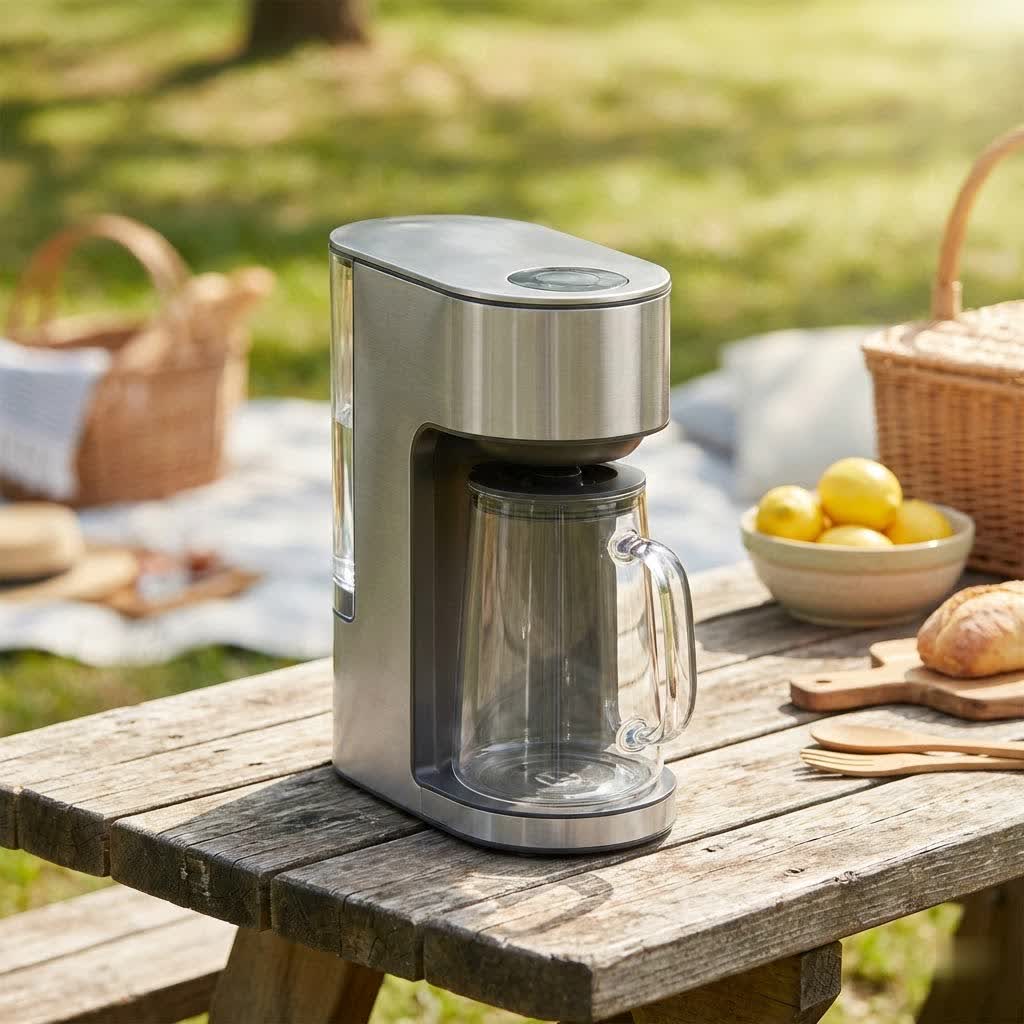
In a world increasingly conscious of health and well-being, the quality of our drinking water has become a paramount concern. With countless options available, understanding what truly makes water beneficial is key. An Alkaline Water Purifier goes beyond mere filtration, offering water that is not only clean but also boasts a higher pH level, enriched with essential minerals, aiming to support your body’s natural balance. This comprehensive guide will navigate the nuances of alkaline water purifiers, helping you make an informed decision for your home and health.
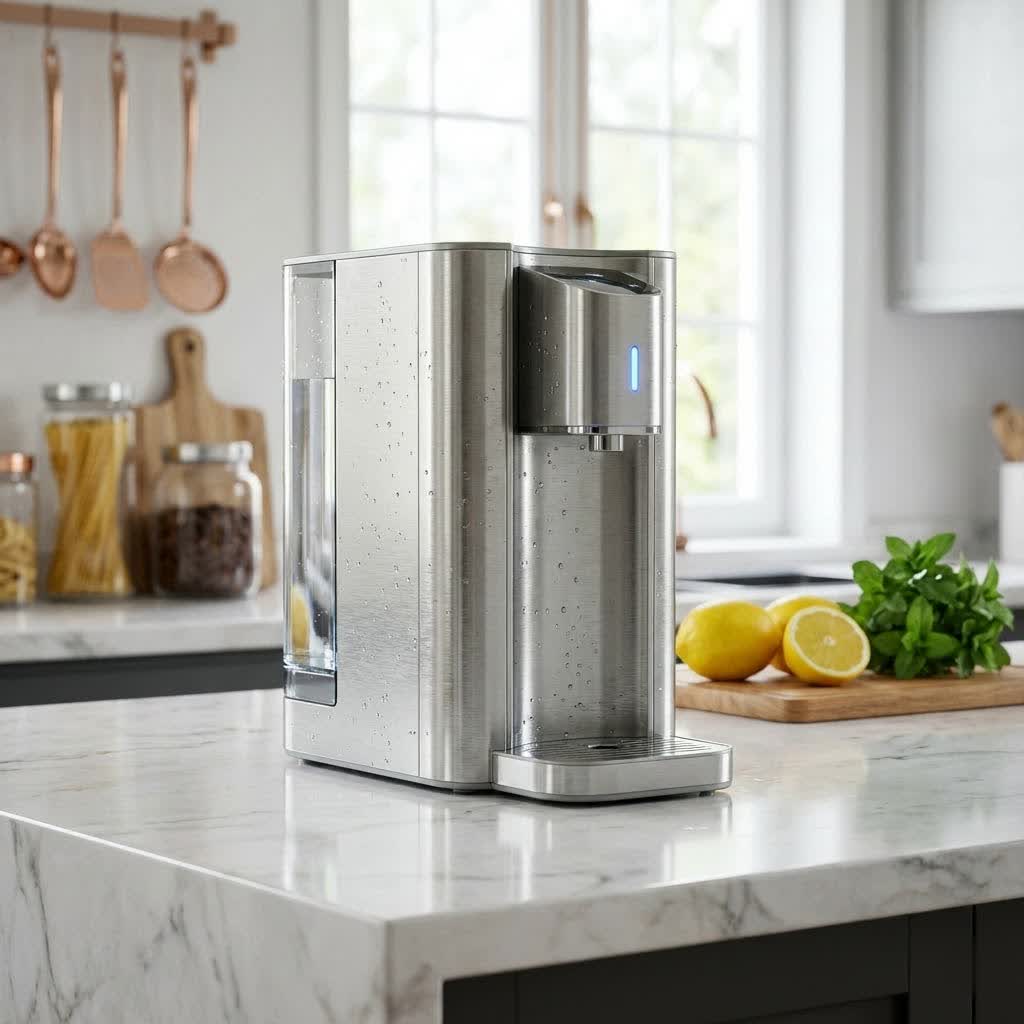
Understanding Different Types of Alkaline Water Purifiers
The journey to alkalinity in water can be achieved through various technologies, primarily categorizing alkaline water purifiers into two main types: remineralization filters and water ionizers. Each system works differently to deliver water with a higher pH, often after an initial purification process.
Remineralization Filters: These systems typically function as a post-filtration stage, especially after advanced purification methods like Reverse Osmosis (RO). While RO effectively removes a wide array of contaminants, it can also strip water of beneficial minerals and result in a slightly acidic pH. Remineralization filters address this by adding back essential alkaline minerals such as calcium, magnesium, and potassium, thereby raising the water’s pH and improving its taste. This method aims to restore water to a more natural, balanced state, rich in the minerals vital for health.
Water Ionizers: Often referred to as alkaline water machines, these devices use a process called electrolysis. They pass water over electrically charged plates, separating it into alkaline and acidic streams. The alkaline water, rich in hydroxyl ions (OH-), is intended for drinking, while the acidic water, rich in hydrogen ions (H+), is often used for cleaning or other external applications. Water ionizers allow for precise control over the pH level, offering a range from highly acidic to highly alkaline. While they can produce water with a high pH and negative Oxidation Reduction Potential (ORP), some scientific communities remain cautious about the long-term health claims associated with electrolyzed water, noting that more conclusive clinical trials are needed.
Comparing these technologies, remineralization filters are generally considered a more straightforward and often more affordable way to achieve alkaline water, especially when integrated into existing purification systems. Water ionizers, while offering pH customization, come with a higher initial cost and ongoing debate regarding their specific health mechanisms.
Why Choose an Alkaline Water Purifier? Potential Health Benefits
Many individuals turn to alkaline water purifiers for a range of perceived health advantages that extend beyond basic hydration. Proponents suggest that consuming alkaline water can contribute to overall well-being.
One of the most frequently cited benefits is enhanced hydration. Some studies suggest that alkaline water may be absorbed more efficiently by the body, leading to better hydration levels compared to regular water. This improved absorption is thought to be due to its smaller molecular cluster size.
Alkaline water is also believed to possess antioxidant properties due to its lower Oxidation Reduction Potential (ORP). Antioxidants are crucial for neutralizing free radicals in the body, which are unstable molecules that can cause cellular damage and contribute to aging and various diseases.
For those experiencing digestive discomfort, alkaline water may offer relief from acid reflux and support digestion. Research indicates that alkaline water with a pH of around 8.8 can help deactivate pepsin, an enzyme linked to acid reflux. Regular consumption may also contribute to a healthier acid-base balance in the body, potentially easing gastrointestinal symptoms.
Beyond these, many people report an improved taste when drinking alkaline water. The presence of essential minerals like calcium and magnesium not only contributes to the higher pH but also imparts a smoother, cleaner, and more refreshing taste compared to regular tap water or even plain filtered water. This pleasant taste can encourage individuals to drink more water throughout the day, naturally boosting overall fluid intake.
> “While the human body maintains a tightly regulated pH balance, incorporating mineral-rich alkaline water can be a supportive measure for overall hydration and may alleviate symptoms for certain digestive conditions.” – Dr. Anya Sharma, Environmental Health Specialist
Other potential benefits often discussed include supporting detoxification by neutralizing acidic toxins, boosting immunity by potentially neutralizing acidic pathogens, and contributing to bone health by reducing bone resorption. While research continues to evolve, these reported advantages highlight why many are considering an alkaline water purifier.
Key Criteria for Choosing an Alkaline Water Purifier
Selecting the right alkaline water purifier involves considering several factors specific to your needs and local water conditions. A thoughtful evaluation ensures you invest in a system that effectively delivers clean, mineral-rich alkaline water.
First, understand your source water quality. Different purifiers are designed for varying levels of Total Dissolved Solids (TDS) and types of contaminants. If you have municipal tap water, a filter with carbon and remineralization might suffice. For borewell or high TDS water, an alkaline RO water purifier is often ideal, as it effectively removes harmful impurities before enhancing pH.
Next, consider the filtration technology. Many top alkaline water purifiers combine multiple stages, such as sediment filters, activated carbon, and Reverse Osmosis (RO), followed by an alkaline remineralization stage. RO ensures thorough removal of lead, fluoride, nitrates, and bacteria, while the alkaline stage restores beneficial minerals and balances pH. Evaluate if you need the comprehensive purification of an RO system or if a simpler alkaline filter is adequate for your water quality.
Capacity and flow rate are important for meeting your household’s demands. Smaller pitcher filters are convenient for individual use or small families, while under-sink or countertop systems with higher Gallons Per Day (GPD) capacity are better suited for larger families or those with high water consumption. Think about how much alkaline water you need daily for drinking, cooking, and other uses.
The type of essential minerals re-added is crucial. High-quality alkaline filters typically reintroduce naturally occurring minerals like calcium, magnesium, and potassium, which are vital for health and contribute to the water’s alkaline properties. Ensure the system rebalances these elements rather than just chemically altering pH.
Always prioritize brand and reputation. Opt for brands with recognized certifications (e.g., NSF/ANSI) that verify material safety and performance claims. Reputable manufacturers often provide clear documentation, good customer support, and reliable warranties, reflecting trustworthiness and commitment to quality.
Finally, evaluate the overall cost, including the initial purchase price, the expense of replacement filters, and potential maintenance. While some advanced systems may have a higher upfront cost, consider the long-term value, durability, and health benefits. Pitcher filters offer an affordable entry point, while under-sink RO+alkaline systems represent a more significant, long-term investment.
Alkaline Water Purifiers vs. Traditional Systems
When considering an alkaline water purifier, it’s essential to understand how it stacks up against traditional filtration methods, especially Reverse Osmosis (RO). Each technology offers distinct advantages and disadvantages, catering to different water purification needs.
Reverse Osmosis (RO) systems are renowned for their exceptional ability to remove up to 99% of contaminants, including heavy metals, fluoride, chlorine, pesticides, and bacteria, by forcing water through a semi-permeable membrane. This results in incredibly pure water, often described as tasting “flat” or “sharp” due to the complete removal of all dissolved solids, including beneficial minerals. A significant drawback of standard RO is that it produces slightly acidic water (low pH) because the minerals that naturally buffer water’s pH are removed. Additionally, traditional RO systems are known for wasting a considerable amount of water during the filtration process and typically require electricity to operate.
Alkaline water purifiers, particularly those that incorporate a remineralization stage after RO, aim to address the limitations of standard RO. These “Alkaline + RO” systems provide the best of both worlds: the thorough contaminant removal of RO, followed by the reintroduction of essential minerals like calcium and magnesium. This re-mineralization not only raises the water’s pH, making it less acidic, but also significantly improves the taste, often described as smoother and more refreshing. This dual approach ensures that the water is not only clean but also healthy and mineral-balanced.
While a dedicated alkaline filter (without RO) might be suitable for water that is already relatively clean but simply needs a pH boost and mineral enhancement, an Alkaline + RO system is often recommended for comprehensive water treatment, especially if your source water has high TDS or known contaminants. This combination offers a long-term solution that protects against modern contaminants while providing mineral-rich, great-tasting water. The choice between an alkaline water purifier and a standard RO system largely depends on your specific water quality concerns and health goals.
Guide to Purchasing Your Alkaline Water Purifier
Navigating the market for an alkaline water purifier can seem daunting with the array of options available. A structured buying guide can simplify the process, ensuring you select a system that perfectly aligns with your household’s needs.
1. Determine Your Needs: Start by assessing how much water your household consumes daily for drinking and cooking. Consider the number of people in your family and whether you need a pitcher, a countertop system, or a whole-house solution. Also, identify your water source (municipal, well water) and any specific concerns about contaminants or water hardness.
2. Research Products and Read Reviews: Dive into thorough research. Look for brands known for reliability and transparency about their filtration technologies. Pay close attention to user reviews and independent certifications (like NSF/ANSI) which validate product performance and safety claims. These insights can highlight real-world effectiveness and common issues.
3. Compare Technologies and Features: With a clear understanding of your needs, compare different alkaline water purification technologies—remineralization filters versus ionizers, and whether a combined RO+Alkaline system is suitable. Evaluate features like filtration stages, flow rate, pH range, and the specific minerals added back.
4. Consider Installation and Maintenance: Some systems, like pitcher filters, require no installation. Countertop models are generally easy to set up, while under-sink or whole-house systems may require professional installation. Understand the filter replacement schedule and cost, as this is a significant ongoing expense. Look for systems with easy-to-change cartridges and clear indicators for filter life.
5. Check for Certifications and Warranty: Reputable brands will have certifications from recognized bodies that confirm their filters meet specific standards for contaminant reduction and material safety. A good warranty indicates the manufacturer’s confidence in their product and provides peace of mind.
6. Purchase from Reputable Sources: Always buy your alkaline water purifier from authorized dealers, established retailers, or directly from the manufacturer’s official website. This minimizes the risk of purchasing counterfeit products and ensures you receive valid warranties and customer support.
7. Inspect the Product Upon Arrival: Before installation or first use, carefully inspect your new purifier for any damage or missing components. Ensure all accessories and the warranty card are included. Reading the instruction manual thoroughly before use is crucial for proper setup and optimal performance.
By following these steps, you can confidently choose an alkaline water purifier that delivers clean, healthy, and great-tasting water for your family.
Using and Maintaining Your Alkaline Water Purifier
Proper usage and consistent maintenance are crucial for ensuring your alkaline water purifier operates efficiently, provides optimal water quality, and lasts for its intended lifespan. Neglecting these aspects can compromise filtration effectiveness and even damage the system.
1. Follow Manufacturer’s Instructions for Installation and First Use: Always adhere strictly to the installation and start-up guidelines provided by the manufacturer. This typically includes flushing the system for a specified period to remove any carbon dust or manufacturing residues before consuming the water. Proper initial setup ensures the system functions correctly from day one.
2. Regular Filter Replacement: This is arguably the most critical aspect of maintenance. Each filter cartridge has a finite capacity for trapping contaminants and, for alkaline filters, for releasing minerals. Over time, filters become saturated, losing their effectiveness. Refer to your purifier’s manual for the recommended replacement schedule, which can vary widely (e.g., every 3-6 months for activated carbon filters, annually for RO membranes, and every 6-12 months for alkaline re-mineralization filters). Mark your calendar or use smart alerts if your system has them to avoid missing replacement dates.
3. Cleaning and Sanitization: Periodically clean the exterior of your purifier and any removable parts like water tanks or pitchers. For under-sink systems, it’s advisable to sanitize the internal components annually or as recommended by the manufacturer, especially if you notice any changes in water taste or odor. This often involves using a food-grade sanitizing solution to eliminate bacterial growth.
4. Monitor Water Quality and pH Levels: While your purifier is designed to consistently produce alkaline water, it’s a good practice to occasionally test the pH level, especially closer to filter replacement times. Simple pH testing kits or digital meters can help you verify that your system is functioning optimally. A noticeable drop in pH might indicate a depleted alkaline filter.
5. Address Issues Promptly: If you observe any leaks, strange noises, significant drops in water pressure, or changes in taste/odor, consult your user manual for troubleshooting steps. Contacting customer support for your brand is recommended for more complex issues to prevent further damage or compromised water quality.
By dedicating a small amount of time to these maintenance tasks, you can ensure your alkaline water purifier continues to provide safe, healthy, and delicious alkaline water for years to come.
Conclusion
Embracing an alkaline water purifier offers a significant step towards enhanced hydration and overall wellness, delivering water that is not only thoroughly purified but also rich in beneficial minerals and balanced in pH. From improved taste and potential digestive relief to antioxidant support, these systems provide a compelling upgrade to your daily water intake. By carefully considering your water source, desired features, and commitment to maintenance, you can select the perfect alkaline water purifier to meet your household’s unique needs. Investing in this technology is an investment in your family’s health, ensuring access to clean, revitalizing water every day.
What specific health benefits are you hoping to achieve by incorporating alkaline water into your daily routine?
Frequently Asked Questions
Is an alkaline water purifier suitable for all types of source water?
|
Our Picks for the Best Water Purifier in 2026
We may earn a commission when you use one of our links to make a purchase.
|
||
| Num | Product | Action |
|---|---|---|
| 1 | AquaTru Carafe Countertop Water Purifier - Compact 4-Stage Reverse Osmosis System with Glass Carafe Removes 84 Contaminants Including Forever Chemicals, Lead & Fluoride - No Plumbing |

|
| 2 | Vortopt Carbon Block Water Filter for Sink Faucet,NSF/ANSI 42 Certified Faucet Water Filter,with Display & 400 Gallon Capacity. |
|
| 3 | Mate 3 Countertop Reverse Osmosis Water Filter System, 8 Stage Purification, 3:1 Pure to Drain, No Installation Required, Smart Sensor Water Dispensing, Reduce TDS, RO Water Purifier |
|
| 4 | Brita Hub Compact Instant Powerful Countertop Water Filter System, Reduces 70+ Contaminants, 9 Cup Water Reservoir, Includes 6 Month Carbon Block Filter, White, 87344 |
|
| 5 | Brita UltraMax Large Water Dispenser With Standard Filter, BPA-Free, Reduces Copper, Cadmium and Mercury Impurities, Lasts 2 Months or 40 Gallons, Includes 1 Filter, Kitchen Accessories, Large 27-Cup |
|
| 6 | 3 Stage RV Water Filter System, 0.2 Micron Taste Pure Water Filter with Compact 5 Inch for RV, 3-Stage High Flow Water Filter for RVs, Boats and Campers |
|
| 7 | Brita UltraMax Large Water Dispenser with 1 BritaPlus Filter, 27 Cup Capacity, Black (Package May Vary) |
|
| 8 | ZeroWater 52-Cup Ready-Read 5-Stage Water Filter Pitcher Dispenser with 5-Stage 0 TDS Zero Water Filter – IAPMO Certified to Reduce Metals, Chlorine, Lead, Chromium, and Forever Chemicals PFOA/PFOS |
|
| 9 | Waken Electric C11S Reverse Osmosis Water Filtration System Countertop 180oz Water Tank 4:1 Pure to Drain 8 Stage RO Filter No Installation for Home Apartment Condo RV |
|
| 10 | ZeroWater 32-Cup 5-Stage Water Filter Dispenser with Instant Read Out - 0 TDS for Improved Tap Water Taste - IAPMO Certified to Reduce Lead, Chromium, and PFOA/PFOS |
|
While most alkaline water purifiers include multi-stage filtration, an alkaline RO system is highly recommended for challenging sources like borewells or water with high TDS (Total Dissolved Solids) to ensure effective removal of impurities before pH enhancement.
How often should I replace the filters in my alkaline water purifier?
Filter replacement frequency varies by model and water usage, but typically ranges from 3-6 months for pre-filters and carbon filters, and 6-12 months for alkaline remineralization filters. Always consult your specific product manual for exact recommendations.
Can drinking alkaline water interfere with medications?
Alkaline water may temporarily neutralize stomach acid, which could potentially alter the absorption of certain medications. It is advisable to consult your healthcare provider if you are on prescription drugs before making alkaline water a regular part of your routine.
What is the ideal pH level for alkaline drinking water?
Alkaline water with a pH between 7 and 9 is generally considered ideal for regular consumption. This range helps support body balance without being overly alkaline, ensuring it’s both safe and healthy.
Do alkaline water purifiers add artificial chemicals to the water?
Reputable alkaline water purifiers primarily use natural mineral media (like calcium, magnesium, potassium) to raise the pH and enhance water quality. They do not typically add artificial chemicals to achieve alkalinity, focusing instead on remineralization.