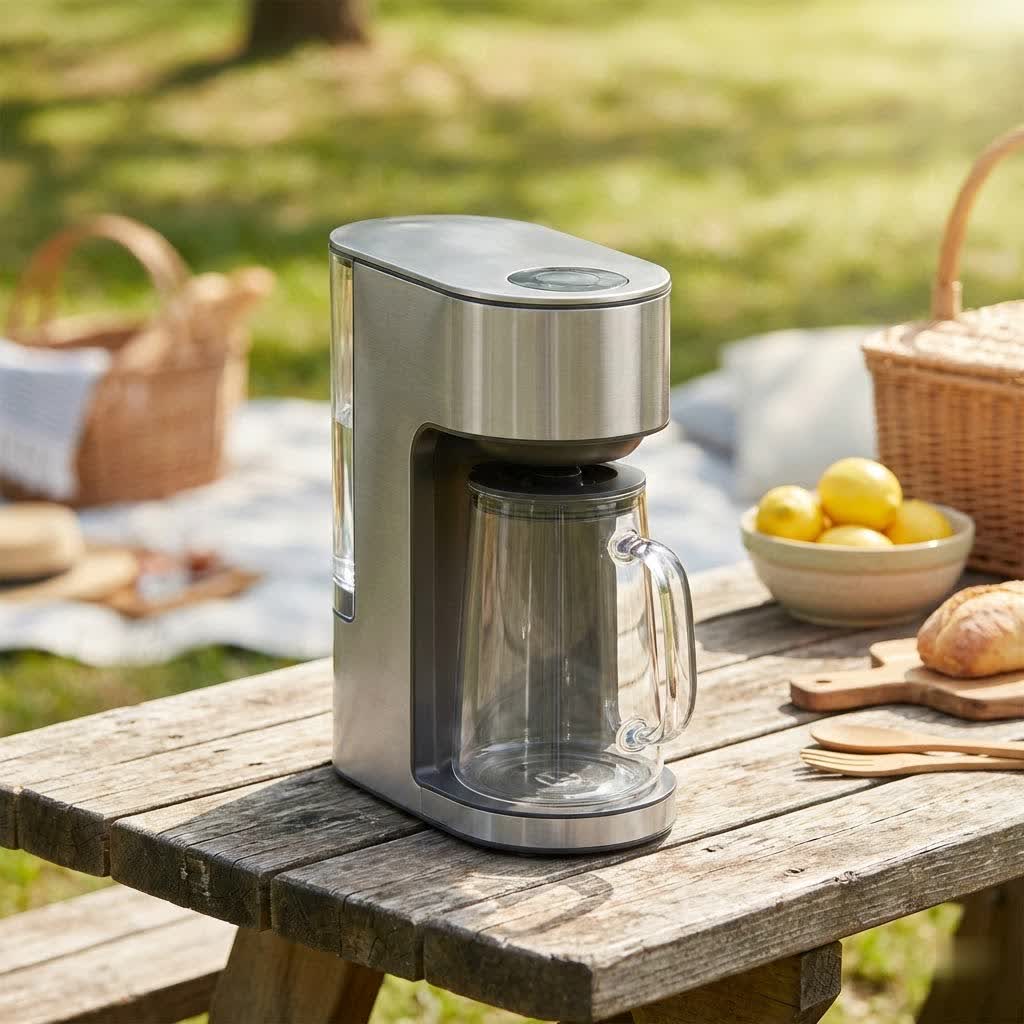
Hard water is a common household challenge, often unnoticed until its tell-tale signs emerge: stubborn limescale on faucets, cloudy glassware, faded laundry, and that persistent dryness in your skin and hair. This pervasive issue stems from elevated levels of dissolved minerals, primarily calcium and magnesium, which can silently wreak havoc on your plumbing, appliances, and even your well-being. Investing in a suitable Water Purifier For Hard Water is not merely a convenience; it’s a vital step towards safeguarding your home infrastructure and ensuring a healthier daily life. This comprehensive guide will illuminate the world of hard water purification, helping you understand its effects, explore effective solutions, and make an informed choice for your family’s needs.
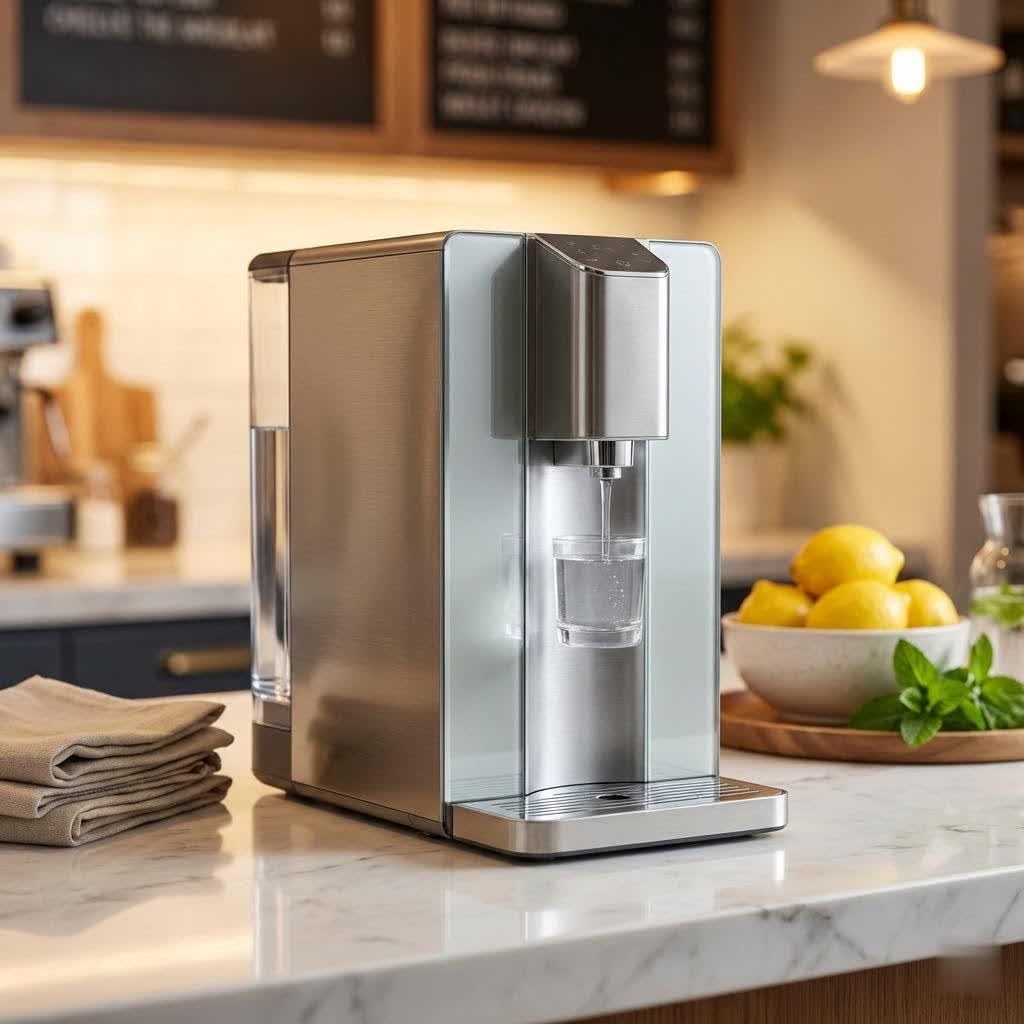
Understanding Hard Water and Its Impact
Hard water, characterized by its high mineral content, is formed as water percolates through mineral deposits like limestone and chalk, picking up dissolved calcium and magnesium ions. While generally considered safe for consumption, its presence in your home water supply can lead to a cascade of costly and frustrating problems.
The most noticeable effect is limescale buildup, a chalky residue that accumulates in pipes, water heaters, dishwashers, and washing machines. This scale reduces efficiency, increases energy consumption, and shortens the lifespan of your appliances, leading to frequent repairs or premature replacements. Beyond appliances, hard water can hinder soap and detergent effectiveness, resulting in less vibrant laundry, spotty dishes, and a sticky film on your skin and hair after showering. The minerals can also impart an unpleasant metallic or earthy taste to drinking water and alter the flavor of beverages and cooked food. Addressing hard water ensures that your home systems run smoothly and your daily comfort is enhanced.
Common Types of Water Purifiers and Softeners for Hard Water
Tackling hard water requires specialized solutions. Various technologies exist, each with distinct mechanisms for reducing mineral content and improving overall water quality.
Reverse Osmosis (RO) Systems
|
Our Picks for the Best Water Purifier in 2026
We may earn a commission when you use one of our links to make a purchase.
|
||
| Num | Product | Action |
|---|---|---|
| 1 | Brita Hub Compact Instant Powerful Countertop Water Filter System, Reduces 70+ Contaminants, 9 Cup Water Reservoir, Includes 6 Month Carbon Block Filter, White, 87344 |

|
| 2 | Vortopt Carbon Block Water Filter for Sink Faucet,NSF/ANSI 42 Certified Faucet Water Filter,with Display & 400 Gallon Capacity. |
|
| 3 | Brita UltraMax Large Water Dispenser with 1 BritaPlus Filter, 27 Cup Capacity, Black (Package May Vary) |
|
| 4 | ZeroWater 32-Cup 5-Stage Water Filter Dispenser with Instant Read Out - 0 TDS for Improved Tap Water Taste - IAPMO Certified to Reduce Lead, Chromium, and PFOA/PFOS |
|
| 5 | AquaTru Carafe Countertop Water Purifier - Compact 4-Stage Reverse Osmosis System with Glass Carafe Removes 84 Contaminants Including Forever Chemicals, Lead & Fluoride - No Plumbing |
|
| 6 | Brita UltraMax Large Water Dispenser With Standard Filter, BPA-Free, Reduces Copper, Cadmium and Mercury Impurities, Lasts 2 Months or 40 Gallons, Includes 1 Filter, Kitchen Accessories, Large 27-Cup |
|
| 7 | 3 Stage RV Water Filter System, 0.2 Micron Taste Pure Water Filter with Compact 5 Inch for RV, 3-Stage High Flow Water Filter for RVs, Boats and Campers |
|
| 8 | ZeroWater 52-Cup Ready-Read 5-Stage Water Filter Pitcher Dispenser with 5-Stage 0 TDS Zero Water Filter – IAPMO Certified to Reduce Metals, Chlorine, Lead, Chromium, and Forever Chemicals PFOA/PFOS |
|
| 9 | Mate 3 Countertop Reverse Osmosis Water Filter System, 8 Stage Purification, 3:1 Pure to Drain, No Installation Required, Smart Sensor Water Dispensing, Reduce TDS, RO Water Purifier |
|
| 10 | Waken Electric C11S Reverse Osmosis Water Filtration System Countertop 180oz Water Tank 4:1 Pure to Drain 8 Stage RO Filter No Installation for Home Apartment Condo RV |
|
Reverse Osmosis systems are highly effective at purifying water, including significantly reducing hardness. They work by forcing water through a semi-permeable membrane that has microscopic pores, allowing water molecules to pass through while blocking almost all dissolved solids, including calcium, magnesium, nitrates, lead, and other contaminants. This process yields exceptionally pure water, ideal for drinking and cooking. However, RO systems can be slow, produce wastewater, and may remove beneficial minerals alongside harmful ones, often requiring a remineralization stage. Hard water can also accelerate wear and tear on RO membranes, necessitating more frequent replacements.
Ion Exchange Water Softeners
Ion exchange water softeners are specifically designed to combat hardness. These systems contain resin beads that are charged with sodium or potassium ions. As hard water passes through, the calcium and magnesium ions—which cause hardness—are “exchanged” with the sodium or potassium ions. This process effectively removes the hardness minerals, preventing limescale buildup and improving soap lathering. It’s important to note that traditional salt-based softeners do not filter out other contaminants like chlorine, bacteria, or volatile organic compounds; their primary function is hardness reduction. There are also salt-free water conditioners that alter the structure of hardness minerals to prevent scale but do not remove them from the water.
Whole-House Multi-Stage Filters
Whole-house multi-stage filters often combine several filtration methods, such as sediment filters, activated carbon filters, and sometimes KDF (Kinetic Degradation Fluxion) media, to address a broad spectrum of contaminants like sediment, chlorine, and some heavy metals. While these systems can improve taste and odor and offer some general filtration, activated carbon alone is generally not sufficient to significantly reduce hard water minerals like calcium and magnesium. For effective hard water treatment, these systems are frequently paired with a dedicated water softener or conditioner to provide comprehensive water quality improvement throughout the entire home.
Hybrid Systems
Hybrid systems offer a comprehensive approach by integrating multiple technologies into a single unit. For instance, a system might combine sediment filtration, activated carbon, and an ion exchange resin or scale-inhibiting media to both purify water from various contaminants and address hardness simultaneously. These systems aim to provide both clean, healthy water and protection against the damaging effects of hard water in one convenient solution.
Water Purifier vs. Water Softener: Clarifying the Difference
It’s common to use the terms “water purifier” and “water softener” interchangeably, but they serve distinct, albeit often complementary, functions in water treatment. Understanding this difference is crucial for choosing the right solution for your home.
A water softener specifically targets the minerals responsible for hard water—calcium and magnesium. Its main goal is to prevent limescale buildup, improve the effectiveness of soaps, and protect appliances. It softens water through an ion exchange process, replacing hardness minerals with sodium or potassium ions. Softeners do not remove bacteria, viruses, chemicals, or other harmful contaminants that can affect health.
In contrast, a water purifier (or water filter) is designed to remove a wide array of impurities that can pose health risks or negatively impact water’s taste and odor. These can include sediment, chlorine, lead, pesticides, bacteria, and viruses. Technologies like Reverse Osmosis are purifiers that also happen to remove hardness, but many other filters, like activated carbon systems, do not effectively tackle hardness.
For optimal water quality, many households with hard water choose to install both a water softener and a water purifier, or a hybrid system. The softener protects plumbing and appliances from scale, while the purifier ensures the water is safe and pleasant to drink.
Criteria for Choosing the Right Water Purifier for Hard Water
Selecting the best water purifier for hard water involves careful consideration of several factors unique to your home and water source. A thoughtful approach ensures you invest in a system that effectively meets your specific needs.
1. Water Source and Hardness Level
Begin by understanding your water source. Is it municipal tap water or well water? Well water often contains higher levels of hardness minerals and potentially other contaminants that require more robust filtration. Crucially, test your water to determine its exact hardness level (measured in grains per gallon or parts per million) and identify any other specific contaminants present. This data will guide your technology choice.
2. Household Needs and Capacity
Consider the size of your household and your average daily water consumption. A large family will require a higher-capacity system than a single individual. Think about where you need treated water: whole-house treatment for all water entering your home, or point-of-use systems for specific faucets (e.g., for drinking and cooking).
3. Specific Contaminants
While this guide focuses on hard water, your water test might reveal other impurities like chlorine, lead, iron, bacteria, or pesticides. Choose a system that not only addresses hardness but also effectively removes these additional contaminants for truly safe water.
4. Technology Type
Based on your water test results and needs, evaluate the different technologies:
- Reverse Osmosis (RO): Excellent for comprehensive purification and hardness reduction, especially for drinking water.
- Ion Exchange Water Softeners: Best for whole-house hardness removal and appliance protection.
- Water Conditioners: A salt-free alternative for scale prevention.
- Hybrid Systems: Offer a combined approach if both extensive purification and hardness reduction are needed.
5. Material Quality and Certifications
Always prioritize systems made with high-quality, durable, and safe materials. Look for certifications from reputable organizations like NSF International (e.g., NSF/ANSI Standard 44 for cation exchange water softeners, NSF/ANSI Standard 58 for RO systems) or the Water Quality Association (WQA). These certifications ensure the product meets stringent performance and safety standards.
6. Brand Reputation and Warranty
Opt for established brands known for reliability and customer service. Check product reviews and ratings, paying attention to long-term performance and ease of maintenance. A good warranty provides peace of mind and protection for your investment.
7. Cost Considerations
Beyond the initial purchase price, factor in the ongoing costs of filter replacements, salt (for traditional softeners), maintenance, and potential energy consumption. Calculate the total cost of ownership over several years to get a realistic financial picture.
Comparison of Common Hard Water Treatment Systems
Choosing the ideal system for your home depends on your specific needs, water quality, and budget. Here’s a comparison of common hard water treatment technologies:
| Feature | Ion Exchange Water Softener (Salt-based) | Reverse Osmosis (RO) System | Salt-Free Water Conditioner | Whole-House Multi-Stage Filter (with hardness focus) |
|---|---|---|---|---|
| Primary Function | Removes hardness minerals (Ca, Mg) | Removes hardness minerals & wide range of contaminants | Prevents scale buildup | Reduces chlorine, sediment, some contaminants |
| Hardness Removal | Highly effective (removes minerals) | Highly effective (removes minerals) | Does not remove minerals; conditions them | Limited/Minor reduction for hardness |
| Other Contaminants | No | Highly effective (e.g., lead, PFAS, nitrates, bacteria) | No | Good for chlorine, sediment, some chemicals |
| Installation | Whole-house (main water line) | Point-of-use (under sink) or whole-house | Whole-house (main water line) | Whole-house (main water line) |
| Maintenance | Salt refills, periodic resin regeneration | Filter/membrane replacement, occasional cleaning | Minimal; media replacement (less frequent) | Filter replacement |
| Waste Water | Yes (during regeneration) | Yes (during filtration) | No | No |
| Beneficial Minerals | Removes them | Removes them (remineralization possible) | Retains them | Retains them |
| Best For | Comprehensive whole-house hardness removal | High-purity drinking/cooking water | Scale prevention, eco-conscious users | Improving taste/odor, basic filtration (often paired) |
| Typical Cost | Moderate to High (initial + salt) | Moderate (initial + filters) | Moderate to High (initial + media) | Low to Moderate (initial + filters) |
Water Purifier Buying Guide: Your Step-by-Step Approach
Navigating the market for a hard water solution can be overwhelming. Follow these steps to streamline your purchasing process and ensure you find the perfect system for your home.
1. Test Your Water Thoroughly
This is the most critical first step. Purchase a comprehensive water testing kit or send a sample to a certified laboratory. You need to know your water’s hardness level (e.g., soft, moderately hard, very hard) and identify any other specific contaminants that may be present, such as chlorine, iron, lead, or bacteria. This information will dictate the type and capacity of the system you need.
2. Assess Your Specific Needs
Consider how you use water daily. Do you need soft water throughout your entire home to protect appliances and improve bathing experiences? Or are you primarily concerned with purified, mineral-free drinking water at a single tap? Your usage patterns and priorities will help determine whether a whole-house system or a point-of-use purifier is more appropriate. Also, factor in the number of people in your household to ensure the system has adequate capacity.
3. Research Available Technologies
With your water test results and needs in mind, delve into the different hard water treatment technologies. Understand the pros and cons of Reverse Osmosis, ion exchange water softeners, salt-free conditioners, and multi-stage filtration systems in relation to your specific situation. Focus on how each technology addresses both hardness and any other identified contaminants.
4. Compare and Select Products
Once you have narrowed down the technology type, compare specific products from reputable brands. Look at key specifications such as flow rate, capacity (gallons per day for RO, grains for softeners), filter lifespan, and maintenance requirements. Pay close attention to third-party certifications (like NSF or WQA) which validate a product’s performance claims. Read user reviews, but be discerning, looking for consistent feedback on effectiveness and reliability.
5. Consider Installation and Maintenance
Some systems, like under-sink RO units, can be DIY-installed, while whole-house softeners often require professional plumbing. Factor in installation costs and complexities. Crucially, understand the ongoing maintenance schedule, including filter replacement frequency, salt refilling (for softeners), and any necessary cleaning. Easy-to-maintain systems can save you time and money in the long run.
6. Purchase from Reputable Sources
Buy your water purifier from authorized dealers, reputable appliance stores, or trusted online retailers. This ensures you receive a genuine product, valid warranty, and access to customer support. Avoid purchasing from unverified sources to prevent issues with product authenticity or warranty claims.
7. Inspect and Install Correctly
Upon receiving your system, carefully inspect all components for damage. Read the instruction manual thoroughly before attempting installation. If unsure, consider hiring a certified plumber to ensure proper setup and optimal performance. Correct installation is vital for the system’s longevity and effectiveness.
How to Use and Maintain Your Hard Water Purifier
Proper usage and regular maintenance are paramount to ensuring your hard water purifier operates efficiently, delivers clean water consistently, and enjoys a long lifespan. Neglecting these aspects can lead to reduced performance, costly repairs, and even compromise water quality.
1. Follow Manufacturer’s Instructions
Always begin by thoroughly reading and understanding the user manual provided by the manufacturer. This document contains specific guidelines for operation, maintenance schedules, and troubleshooting that are unique to your particular model. Deviating from these instructions can void warranties and lead to suboptimal performance.
2. Adhere to a Regular Filter/Membrane Replacement Schedule
Filters and RO membranes are the heart of your purification system. Over time, they become saturated with the impurities they remove, including hardness minerals. Forgetting to replace them can lead to clogs, reduced water flow, decreased filtration effectiveness, and even bacterial growth. Mark your calendar or set reminders for recommended replacement intervals, which can range from a few months for pre-filters to several years for RO membranes. Timely replacement ensures consistent water quality.
3. Cleaning and Descaling
For certain systems, especially RO units operating with hard water, descaling the membrane or internal components might be necessary to prevent mineral buildup. Check your manual for recommended cleaning procedures and appropriate descaling agents. Regularly wipe down the exterior of your unit to keep it clean and prevent dust or grime accumulation. For traditional salt-based softeners, it’s important to periodically check for a “salt bridge” – a crust that forms in the brine tank preventing salt from dissolving. Break it up with a broom handle to ensure proper salt contact with water [cite: 4_s4].
4. Monitor System Performance
Pay attention to any changes in your water. A sudden decrease in water pressure, an unusual taste or smell, or visible scale returning indicate that your system may need attention. For softeners, monitor salt levels in the brine tank and refill as needed. Many modern systems feature indicators or alarms that alert you when maintenance is required.
5. Address Common Issues Promptly
If you notice problems like unusual water taste or smell, leakage, strange noises, or slow water output, consult your manual for troubleshooting tips or contact customer support. Often, these issues can be resolved by replacing a clogged filter or checking for loose connections [cite: 1_s4]. Addressing minor problems quickly can prevent them from escalating into more significant and expensive repairs.
6. Professional Servicing
While many maintenance tasks can be done yourself, consider scheduling annual or bi-annual professional servicing, especially for complex whole-house systems. A technician can perform a thorough inspection, conduct advanced diagnostics, and ensure all components are functioning optimally, extending the life and efficiency of your water purifier.
“Many homeowners underestimate the impact of hard water on their home, from premature appliance failure to diminished personal hygiene. Investing in a water purifier designed for hard water isn’t just about water quality; it’s about protecting your assets and enhancing your quality of life.” – Dr. Eleanor Vance, Environmental Scientist specializing in Water Treatment.
Conclusion
Navigating the challenges of hard water is a common concern for homeowners, but with the right water purifier for hard water, you can transform your daily water experience. From preventing destructive limescale buildup to ensuring a refreshing taste and softer feel, an effective system protects your investments and enhances your well-being. By understanding the different technologies available, carefully assessing your household’s specific needs, and committing to regular maintenance, you empower yourself to make an informed decision. The journey to pure, soft water starts with knowledge and a proactive approach. Are you ready to unlock the full potential of your home’s water supply?
Frequently Asked Questions
What are the main signs of hard water in a home?
The most common signs of hard water include persistent limescale buildup on faucets, showerheads, and appliances, soap scum in sinks and tubs, laundry that feels stiff or looks dull, spotty dishes and glassware, and dry skin or hair after bathing. You might also notice a metallic or off-taste in your drinking water.
Can an activated carbon filter remove hard water minerals?
No, standard activated carbon filters are primarily designed to remove chlorine, sediment, and organic compounds, which improve water taste and odor. While they may offer a very slight reduction in hardness, they are not effective at significantly removing calcium and magnesium minerals that cause hard water. For effective hardness removal, ion exchange softeners or Reverse Osmosis systems are required.
Is softened water safe to drink, especially for those on low-sodium diets?
Yes, softened water is generally safe to drink. Traditional salt-based water softeners replace hardness minerals with sodium ions, adding a small amount of sodium to the water. The exact amount depends on the initial hardness of your water. For individuals on very low-sodium diets, salt-free conditioners or Reverse Osmosis systems, which remove sodium, might be preferred. Always consult your doctor if you have dietary concerns.
How often should I replace the filters in my hard water purifier?
Filter replacement frequency varies greatly depending on the type of filter, your water’s hardness and contaminant levels, and your household’s water usage. Pre-filters in RO systems might need replacement every 3-6 months, while RO membranes can last 2-5 years. Water softener resin may last 10-20 years, but salt needs regular refilling. Always refer to your specific product’s user manual for recommended maintenance schedules to ensure optimal performance.