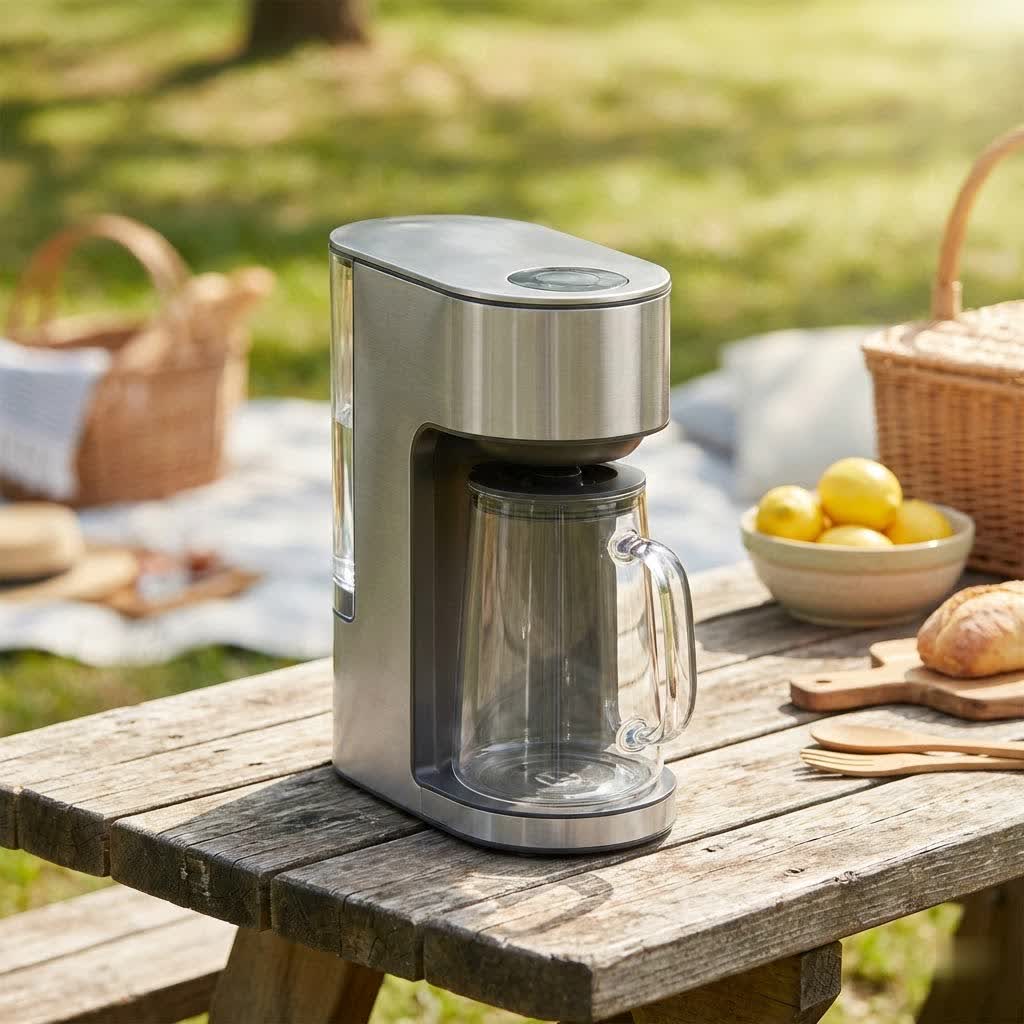
Access to clean, safe drinking water is a fundamental need, yet many households grapple with contaminants, unpleasant tastes, and concerns about water quality. While bottled water offers a temporary solution, the long-term costs and environmental impact are significant. This is where a Reverse Osmosis (RO) water purifier steps in, providing an effective and sustainable way to ensure your family has a continuous supply of pure water. With over a decade of experience in water filtration technology, understanding the nuances of RO systems can empower you to make an informed decision for your home. This comprehensive guide will walk you through everything you need to know about choosing, using, and maintaining the Best Ro Water Purifier to achieve optimal water health and hydration.
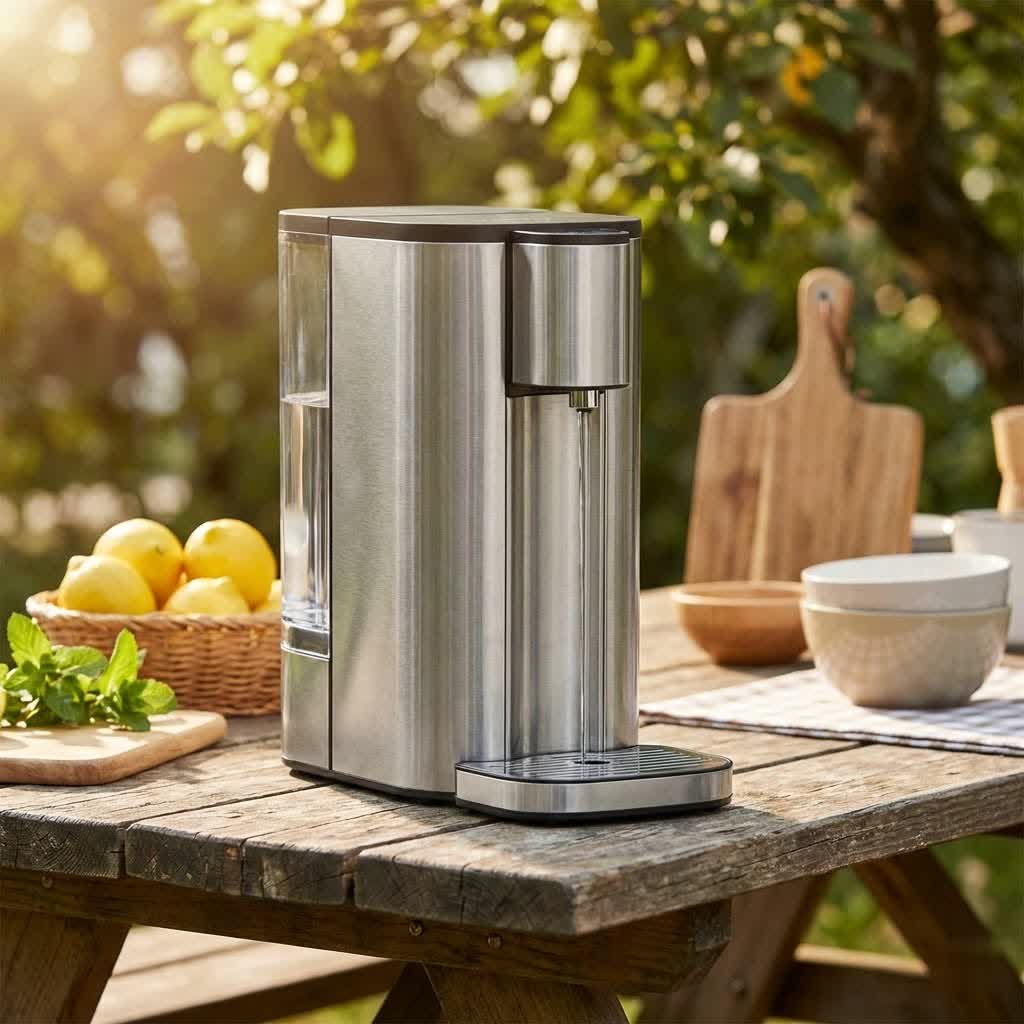
Understanding Water Purification Technologies
The world of water purification offers various technologies, each with distinct mechanisms and benefits. Choosing the right one depends heavily on your specific water source and the contaminants present.
Reverse Osmosis (RO)
Reverse Osmosis is a highly effective purification method that uses pressure to force water through a semi-permeable membrane. This membrane has microscopic pores, typically around 0.0001 microns, which block dissolved inorganic solids, heavy metals (like lead, arsenic, and mercury), salts, chemicals, bacteria, and viruses, allowing only pure water molecules to pass through. RO systems are particularly recommended for water sources with high Total Dissolved Solids (TDS) levels, generally above 200-500 parts per million (ppm), making them ideal for borewell or tanker water that often contains significant impurities.
Pros of RO:
- Superior Contaminant Removal: RO systems can eliminate 90-99% of dissolved impurities, including even microscopic pathogens, ensuring exceptionally clean water.
- Improved Taste and Odor: By removing chlorine, chemicals, and dissolved solids, RO water often tastes crisper and fresher than untreated tap water.
- Reduces Waterborne Diseases: Effectively removes bacteria and viruses, crucial for health protection.
- Scale Reduction: Prevents the buildup of mineral scale in appliances, extending their lifespan.
- Environmental Benefit: Reduces reliance on single-use plastic bottled water.
Cons of RO:
- Mineral Depletion: RO filtration removes both harmful and beneficial minerals like calcium and magnesium, which can lead to a slightly “flat” taste or concerns about mineral intake. Many modern RO systems include a remineralization stage to address this.
- Wastewater Production: Traditional RO systems can generate a significant amount of wastewater, with ratios often around 3:1 (wastewater to purified water). However, newer “high recovery” or tankless models are much more efficient, sometimes achieving 1:1 or 1:2 ratios.
- Slower Filtration Rate: The purification process can be slower compared to other methods, especially for systems without a storage tank.
- Initial Cost & Maintenance: RO systems typically have a higher upfront cost and require periodic filter replacements, which adds to long-term maintenance expenses.
|
Our Picks for the Best Water Purifier in 2026
We may earn a commission when you use one of our links to make a purchase.
|
||
| Num | Product | Action |
|---|---|---|
| 1 | Brita UltraMax Large Water Dispenser with 1 BritaPlus Filter, 27 Cup Capacity, Black (Package May Vary) |

|
| 2 | ZeroWater 32-Cup 5-Stage Water Filter Dispenser with Instant Read Out - 0 TDS for Improved Tap Water Taste - IAPMO Certified to Reduce Lead, Chromium, and PFOA/PFOS |
|
| 3 | Vortopt Carbon Block Water Filter for Sink Faucet,NSF/ANSI 42 Certified Faucet Water Filter,with Display & 400 Gallon Capacity. |
|
| 4 | Brita Hub Compact Instant Powerful Countertop Water Filter System, Reduces 70+ Contaminants, 9 Cup Water Reservoir, Includes 6 Month Carbon Block Filter, White, 87344 |
|
| 5 | Mate 3 Countertop Reverse Osmosis Water Filter System, 8 Stage Purification, 3:1 Pure to Drain, No Installation Required, Smart Sensor Water Dispensing, Reduce TDS, RO Water Purifier |
|
| 6 | Waken Electric C11S Reverse Osmosis Water Filtration System Countertop 180oz Water Tank 4:1 Pure to Drain 8 Stage RO Filter No Installation for Home Apartment Condo RV |
|
| 7 | ZeroWater 52-Cup Ready-Read 5-Stage Water Filter Pitcher Dispenser with 5-Stage 0 TDS Zero Water Filter – IAPMO Certified to Reduce Metals, Chlorine, Lead, Chromium, and Forever Chemicals PFOA/PFOS |
|
| 8 | Brita UltraMax Large Water Dispenser With Standard Filter, BPA-Free, Reduces Copper, Cadmium and Mercury Impurities, Lasts 2 Months or 40 Gallons, Includes 1 Filter, Kitchen Accessories, Large 27-Cup |
|
| 9 | AquaTru Carafe Countertop Water Purifier - Compact 4-Stage Reverse Osmosis System with Glass Carafe Removes 84 Contaminants Including Forever Chemicals, Lead & Fluoride - No Plumbing |
|
| 10 | 3 Stage RV Water Filter System, 0.2 Micron Taste Pure Water Filter with Compact 5 Inch for RV, 3-Stage High Flow Water Filter for RVs, Boats and Campers |
|
Ultraviolet (UV) Purification
UV technology uses ultraviolet light to sterilize water by deactivating bacteria, viruses, and other microorganisms, preventing them from reproducing. It does not remove dissolved impurities, sediments, or chemicals. UV purifiers are best suited for municipal water supplies that are already treated for TDS and sediment but may contain microbial contaminants.
Ultrafiltration (UF)
UF systems use a hollow fiber membrane with larger pores than RO, capable of filtering out suspended solids, bacteria, viruses, and cysts, while allowing dissolved minerals to pass through. Many UF systems are gravity-fed and do not require electricity. They are suitable for water with low TDS levels and where the primary concern is microbial and particulate contamination.
Combined Technologies (RO+UV+UF)
Many advanced water purifiers integrate multiple technologies, such as RO, UV, and UF, to provide comprehensive purification for a wide range of contaminants. These multi-stage systems are highly effective for mixed water sources or when water quality is uncertain, offering robust protection against chemical, particulate, and microbial impurities.
Key Criteria for Choosing the Best RO Water Purifier
Selecting the ideal RO water purifier involves evaluating several critical factors to ensure it meets your household’s specific needs and water conditions.
Input Water Quality
Before anything else, understand your tap water. Testing your water for Total Dissolved Solids (TDS) is crucial. A TDS meter can provide a reading that helps determine if an RO system is truly necessary.
- TDS < 200 ppm: A UV or UV+UF purifier might be sufficient.
- TDS 200-500 ppm: An RO+UV or RO+UF combination is generally recommended.
- TDS > 500 ppm: An RO-based purifier is essential, especially for borewell or tanker water, which typically has high TDS and hardness.
Identifying contaminants like heavy metals, chlorine, sediment, or microorganisms will guide your choice towards a system designed to target those specific issues.
Filtration Capacity
The purifier’s capacity, often measured in gallons per day (GPD) for under-sink models or liters for storage tanks, should align with your household’s water consumption.
- Small families (1-3 people): A system with a 4-7 liter storage tank or a moderate GPD is usually adequate.
- Larger families (4+ people) or high usage: Opt for systems with 10+ liter tanks or higher GPD rates (e.g., 75-400 GPD) to ensure a consistent supply.
Consider tankless RO systems if space is a concern or if you prefer on-demand filtration, as they typically offer high flow rates.
Purification Technology & Stages
The effectiveness of an RO system is often enhanced by multiple filtration stages. Look for purifiers that include:
- Pre-filters: Sediment filters to remove dirt and rust, and activated carbon filters to remove chlorine, odors, and VOCs, which also protect the RO membrane.
- RO Membrane: The core of the system, responsible for removing dissolved solids.
- Post-carbon filter: Further polishes the water for taste.
- Remineralization/Alkaline filter: This crucial stage reintroduces beneficial minerals (like calcium and magnesium) and balances the pH, counteracting the demineralization and slight acidity typical of RO water. This feature significantly improves taste and provides healthier water.
- UV or UF stages: For additional microbial protection, especially if your water source is prone to bacterial or viral contamination.
Material Quality
Ensure the purifier is constructed with food-grade, non-toxic materials for all components that come into contact with purified water, especially the storage tank. Stainless steel tanks are preferred for their durability, rust resistance, and ability to keep water fresh for longer.
Brand Reputation and After-Sales Service
Choose products from reputable brands known for their quality, reliability, and robust customer support. Researching customer reviews can provide insights into ease of use, filter replacement costs, and the availability and responsiveness of after-sales service, which is vital for long-term satisfaction.
Overall Cost
Consider not just the initial purchase price but also the long-term running costs. This includes the frequency and cost of replacing filters and membranes, as well as potential electricity consumption (for RO and UV systems). While an RO system can be a significant upfront investment, it often saves money in the long run by eliminating the need for bottled water.
Top-Rated RO Water Purifiers for 2026
Here’s a comparison of some of the best RO water purifiers based on recent lab tests and user reviews, catering to different needs and preferences.
| Model | Type | Key Features | Pros | Cons | Estimated Annual Cost (160 gal/month) |
|---|---|---|---|---|---|
| APEC ROES-50 Essence Series | Under-Sink RO | 5-stage filtration, WQA certified, NSF standards. | Excellent contaminant removal (lead, PFAS, arsenic, uranium to undetectable levels), great taste, low long-term operating costs. | Takes up significant under-sink space, traditional wastewater volume (3:1 ratio), filter changes less convenient. | $75 |
| Waterdrop G3P600 Reverse Osmosis System | Under-Sink Tankless RO | 8-stage filtration, tankless design, alkaline remineralization, built-in TDS meter, NSF 42, 58, 372 certified. | Tankless (space-saving), excellent critical contaminant removal (PFAS, lead to undetectable levels), more water-efficient (1:2 waste ratio), easy filter changes, modern features. | Higher initial cost, installation more involved (requires under-sink electricity), more expensive annual filter costs. | $145 |
| iSpring RCC7AK | Under-Sink RO | 6-stage filtration with alkaline remineralization, NSF 58 certified. | Excellent contaminant removal, adds beneficial minerals (calcium, magnesium) and balances pH, longer filter life. | Large storage tank takes up significant under-sink space, traditional wastewater volume (2:1 ratio), no filter replacement alerts. | $95 |
| AquaTru Carafe | Countertop RO | 4-stage filtration, glass carafe, optional remineralization, IAPMO certified (NSF 42, 53, 58, 401). | Superior contaminant reduction (100% of tested contaminants), highly water-efficient (4:1 pure-to-waste ratio), compact design, easy setup, glass collection vessel, optional remineralization. | Higher price point, slower filtration rate compared to some under-sink models, filter replacement cost higher per gallon than some. | ~$60 (estimated annual for 40 gal/month, Classic model) |
Buying Guide: Steps to Select Your Ideal RO System
Navigating the market for an RO water purifier can be straightforward with a structured approach.
1. Assess Your Needs
Consider your household size, daily water consumption, available space (under-sink, countertop, or wall-mounted), and budget (initial purchase and ongoing maintenance). For instance, a small apartment might benefit from a compact countertop unit, while a large family might need a high-capacity under-sink system.
2. Research and Compare Products
Dive into reviews and specifications. Focus on contaminant removal capabilities, purification stages, water efficiency, and any unique features like hot/cold dispensing or smart monitoring. Compare models based on the criteria discussed above.
3. Check Certifications
Look for industry certifications such as NSF/ANSI 58 (for RO performance), NSF/ANSI 42 (aesthetic effects like chlorine reduction), NSF/ANSI 53 (health effects like lead removal), and NSF/ANSI 372 (lead-free materials). These third-party certifications provide assurance of a product’s safety and performance claims.
4. Purchase from Reputable Sellers
Buy your RO purifier from authorized dealers, well-known appliance stores, or trusted online retailers. This ensures you receive a genuine product with a valid warranty and access to customer support.
5. Understand Installation and First Use
While many countertop RO systems are plug-and-play, under-sink models may require basic plumbing knowledge or professional installation. Read the user manual carefully for initial setup, flushing procedures, and important operating instructions.
Using and Maintaining Your RO Water Purifier
Proper usage and regular maintenance are crucial to ensure your RO water purifier performs optimally and has a long lifespan.
Proper Usage Tips
- Follow manufacturer guidelines: Adhere to the recommended daily output and usage instructions.
- Avoid over-stressing the system: If you have exceptionally hard or heavily contaminated water, consider additional pre-filtration to extend the life of your RO membrane and filters.
- Monitor indicators: Pay attention to filter change alerts, TDS displays, or other indicators your system might have.
Regular Filter Replacement Schedule
The frequency of filter replacement depends on your water quality and usage, but general guidelines are:
- Pre-sediment and Carbon filters: Every 6-12 months.
- RO Membrane: Every 2-3 years.
- Post-carbon and Remineralization filters: Every 12-24 months.
Ignoring filter changes can lead to reduced purification efficiency, poor water taste, and potential damage to the system.
Cleaning and General Maintenance
- Clean the storage tank: Regularly clean the purified water storage tank to prevent microbial growth. Many manufacturers recommend cleaning every 3-6 months.
- Check for leaks: Periodically inspect connections and hoses for any signs of leakage.
- Sanitize the system: Some systems may require periodic sanitization, especially if left unused for extended periods. Consult your manual for specific instructions.
- Professional servicing: Consider scheduling annual or bi-annual professional servicing to ensure all components are functioning correctly.
“Regular maintenance, especially timely filter replacement, is not just about extending the life of your purifier; it’s fundamental to consistently delivering the pure water your health depends on.” – Brian Campbell, WQA Certified Water Specialist
Conclusion
Choosing the best RO water purifier is a significant step towards ensuring access to clean, safe, and great-tasting drinking water for your household. By understanding the technology, evaluating key criteria, and committing to regular maintenance, you can select a system that effectively removes harmful contaminants while potentially reintroducing beneficial minerals. Investing in a high-quality RO purifier is an investment in your family’s health and well-being, providing peace of mind with every glass. Are you ready to transform your tap water into a source of pure refreshment?
Frequently Asked Questions
Do RO purifiers remove essential minerals from water?
Yes, RO purifiers remove a wide range of dissolved solids, including beneficial minerals like calcium and magnesium. However, many modern RO systems incorporate a remineralization or alkaline filter stage that reintroduces these essential minerals and balances the water’s pH for better taste and health benefits.
How often should I replace the filters in my RO system?
Filter replacement schedules vary by filter type, water quality, and usage. Generally, sediment and carbon pre-filters should be changed every 6-12 months, while the RO membrane typically lasts 2-3 years. Post-carbon and remineralization filters usually require replacement every 12-24 months. Always refer to your purifier’s user manual for specific recommendations.
Are tankless RO water purifiers better than those with tanks?
Tankless RO purifiers offer advantages like a more compact design, saving under-sink space, and typically higher water efficiency (less wastewater). They provide on-demand filtered water without needing to refill a storage tank. However, they can have a higher initial cost and may require electricity under the sink for operation.
Can I install an RO water purifier myself, or do I need a professional?
Many countertop RO systems are designed for easy, DIY plug-and-play setup. Under-sink models can often be installed by someone with basic plumbing skills, especially if components are color-coded or come with clear instructions. However, if you are uncomfortable with plumbing or drilling into your countertop, professional installation is recommended.
Is RO water too acidic to drink regularly?
Pure RO water tends to be slightly acidic because it lacks dissolved minerals that buffer its pH. However, many modern RO purifiers include an alkaline remineralization stage that adds beneficial minerals back into the water, raising its pH to a more neutral or slightly alkaline level, making it safe and pleasant for daily consumption.